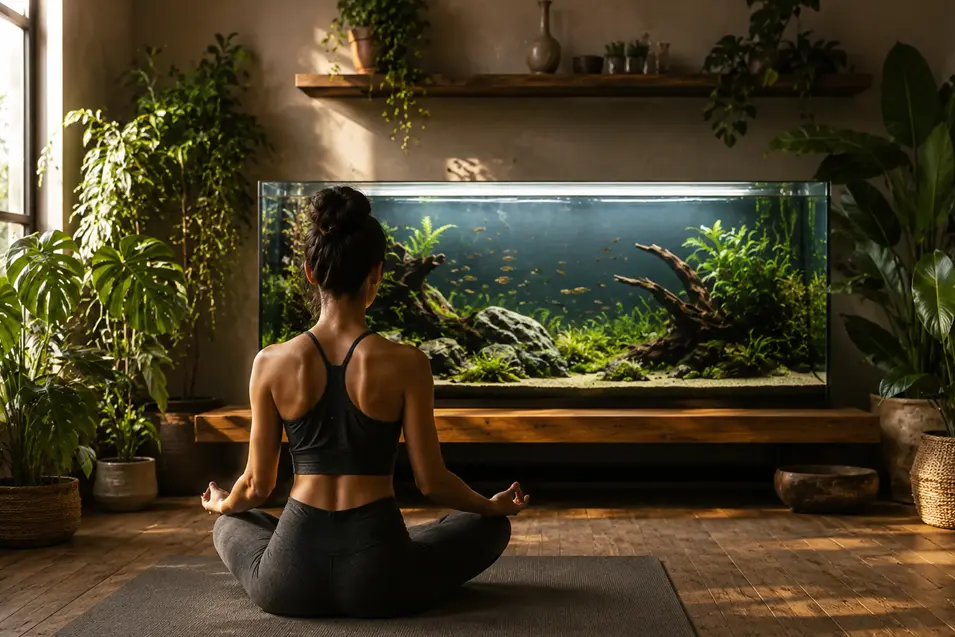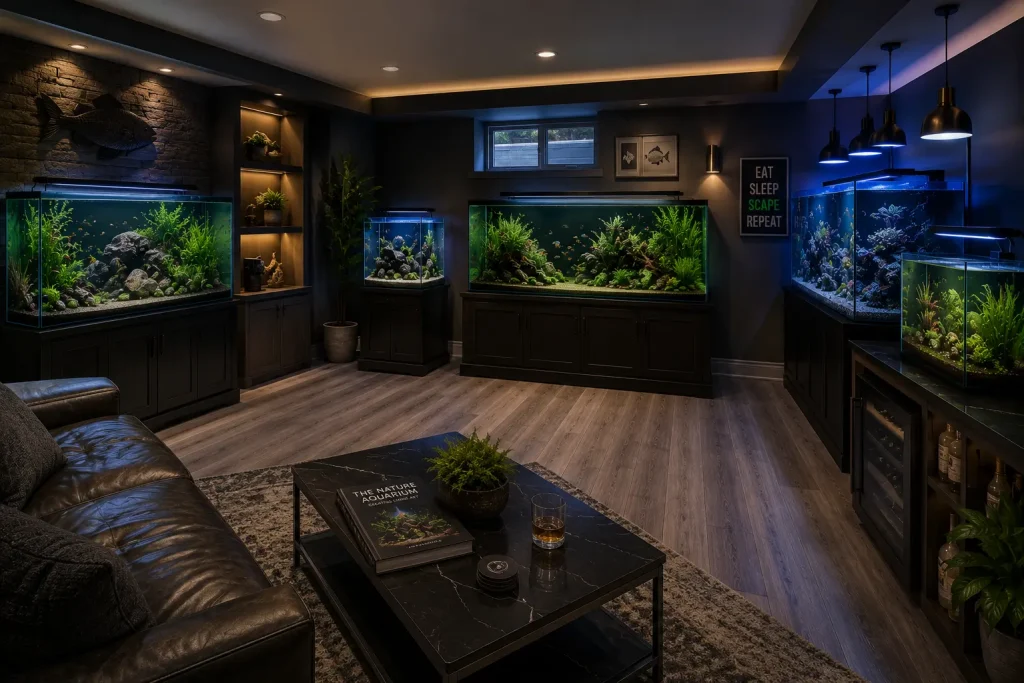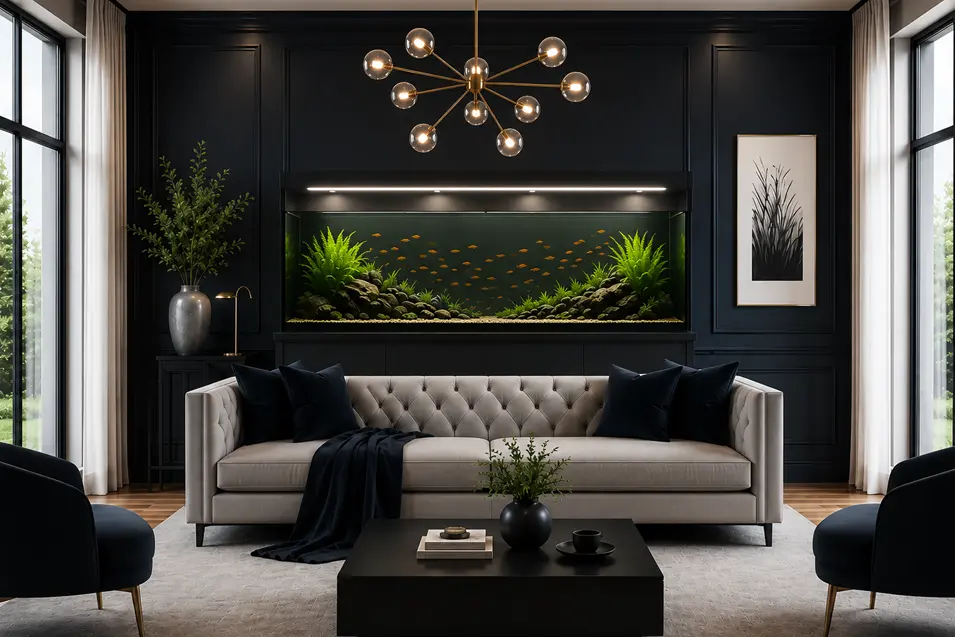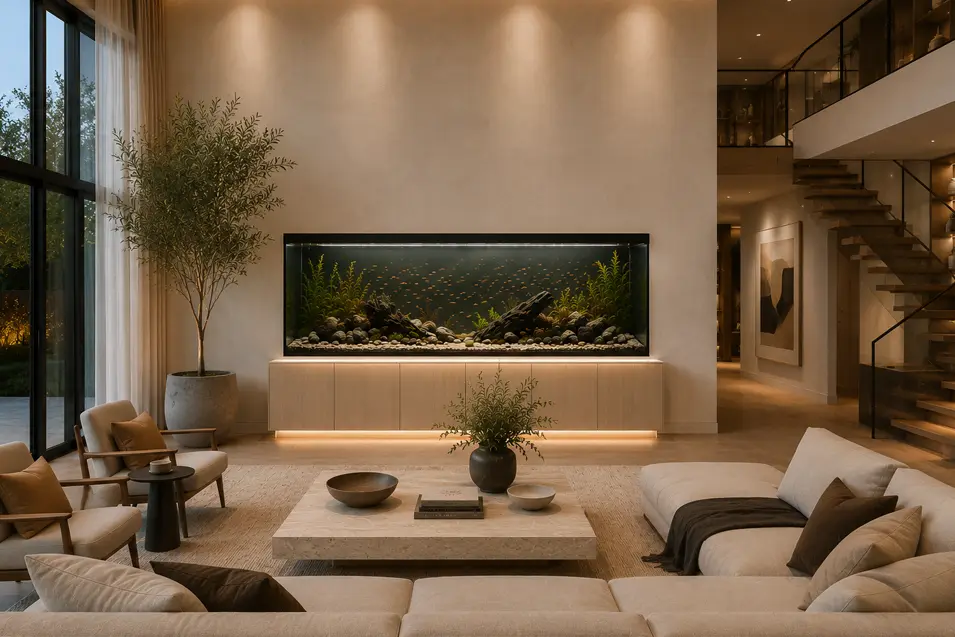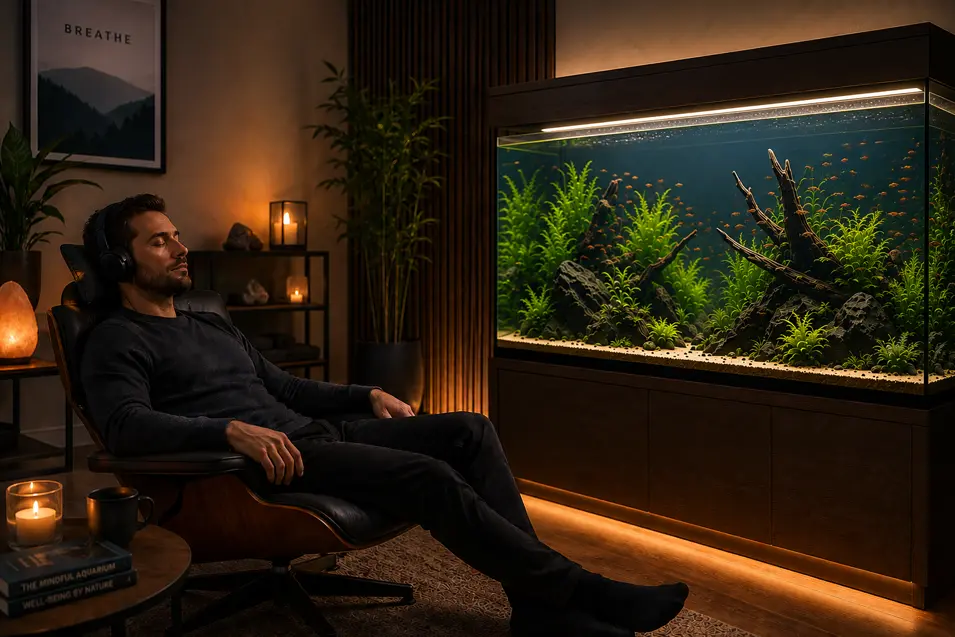
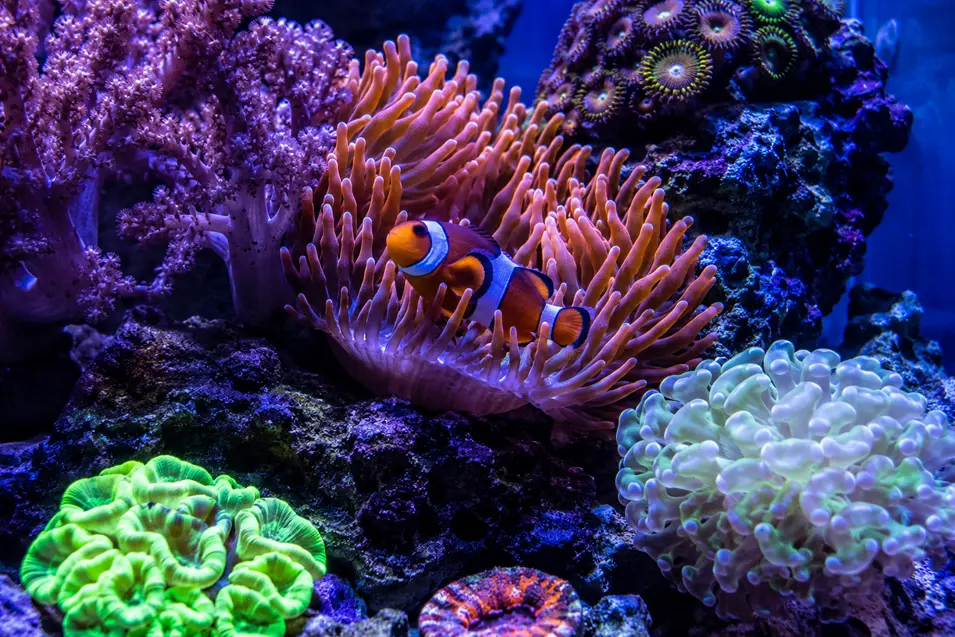
Walk into a room with a beautifully designed reef aquarium, and it quickly becomes clear that you are looking at more than a fish tank. A thriving reef tank is a living masterpiece—a carefully crafted blend of art, science, and nature. Every coral placement, lighting choice, and color combination contributes to an underwater landscape that rivals the finest works found in galleries and museums.
Unlike traditional artwork, reef tanks are constantly evolving. Corals grow, fish interact with their surroundings, and the entire ecosystem changes over time. The result is a dynamic display that offers endless opportunities for creativity and expression.
The Art of Aquascaping
At the heart of every stunning reef tank is aquascaping—the process of arranging rocks, corals, and open spaces to create visual harmony. Much like a landscape painter chooses where to place mountains, trees, and rivers, reef hobbyists carefully design the structureof their underwater worlds.
The foundation typically begins with live rock or reef-safe structures. Some aquarists prefer dramatic arches and caves, while others create towering coral pinnacles or minimalist reef islands. The goal is to achieve balance, depth, and flow while providing suitable habitats for marine life.
Successful aquascaping often follows principles used in traditional art and photography. The rule of thirds, focal points, and visual balance help guide the viewer’s eye through the aquarium. Empty space is just as important as occupied space, allowing the reef to feel natural rather than overcrowded.
Coral Placement as Artistic Expression
Corals are the living brushstrokes of a reef aquarium. Their shapes, textures, and growth patterns add dimension and character to the display.
Branching corals create height and movement, while plating corals add sweeping horizontal lines. Soft corals introduce fluidity with their gentle swaying motion, and encrusting species provide vibrant color along rock surfaces.
Experienced reef keepers often think years ahead when placing corals. A small frag purchased today may grow into a centerpiece colony that dominates a section of the aquarium. Strategic placement ensures that each coral has room to develop while maintaining the intended design.
The process requires both artistic vision and patience. Over time, the reef transforms as colonies expand and interact, creating a living composition that continually evolves.
Lighting: Painting with Light
Lighting is one of the most powerful artistic tools available to reef aquarists. It not only supports coral health but also dramatically influences the mood and appearance of the aquarium.
Modern LED systems allow hobbyists to adjust intensity, spectrum, and timing with incredible precision. Cooler blue tones can create the illusion of a deep ocean reef, while brighter white lighting highlights natural colors and textures.
Many reef keepers use lighting to create visual drama. Spotlighting specific coral colonies can establish focal points, while gradual transitions mimic sunrise and sunset. Evening viewing under actinic blue lighting often reveals fluorescent pigments that remain hidden during daylight hours.
In many ways, lighting functions much like the techniques used by photographers and stage designers. It directs attention, creates atmosphere, and transforms ordinary scenes into extraordinary experiences.
The Importance of Color Selection
Color is one of the most captivating aspects of reef aquariums. Vibrant reds, electric blues, brilliant greens, and glowing oranges can all exist within a single display.
Creating a visually pleasing reef requires more than simply collecting colorful corals. Successful reef artists carefully consider how colors interact with one another. Contrasting colors create excitement and draw attention, while complementary colors provide harmony and balance.
For example, a bright green coral may appear even more striking when positioned near a deep purple colony. Similarly, clusters of warm-colored corals can be balanced by cooler blues and greens elsewhere in the aquarium.
Thoughtful color planning prevents the display from appearing chaotic and helps create a cohesive visual story.
Movement Brings the Scene to Life
Unlike static artwork, reef tanks incorporate constant motion. Fish glide through open water, shrimp emerge from hiding places, and corals sway gently in the current.
Water flow itself becomes part of the artistic design. Proper circulation keeps corals healthy while creating natural movement throughout the aquarium. The subtle dance of soft corals and anemones adds a sense of life that no painting or sculpture can replicate.
This movement captures attention and encourages prolonged observation. Every glance reveals something new.
Nature as the Ultimate Collaborator
Perhaps the most fascinating aspect of reef aquariums is that the artist never works alone. Nature plays an active role in shaping the final result.
Corals grow according to their own patterns, fish establish territories, and biological processes influence the ecosystem’s appearance. The aquarist provides guidance and vision, but the reef itself contributes to the creation.
This collaboration between human creativity and natural growth makes each reef aquarium unique. No two reefs are ever exactly alike.
More Than a Hobby
For many enthusiasts, reef keeping becomes a form of artistic expression. The aquarium serves as a living canvas where design principles, color theory, and environmental stewardship come together.
A successful reef tank is not measured solely by the health of its inhabitants, although that remains essential. It is also judged by how effectively it inspires wonder, curiosity, and appreciation for the beauty of the ocean.
In the end, reef tanks are far more than collections of fish and corals. They are living masterpieces—ever-changing works of art that blend creativity, science, and nature into a breathtaking underwater experience.