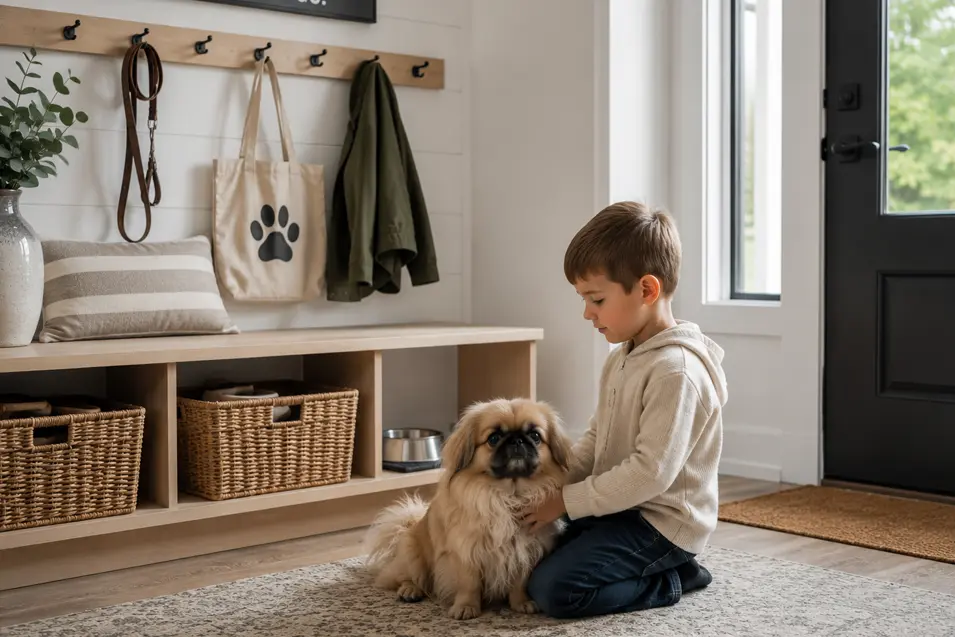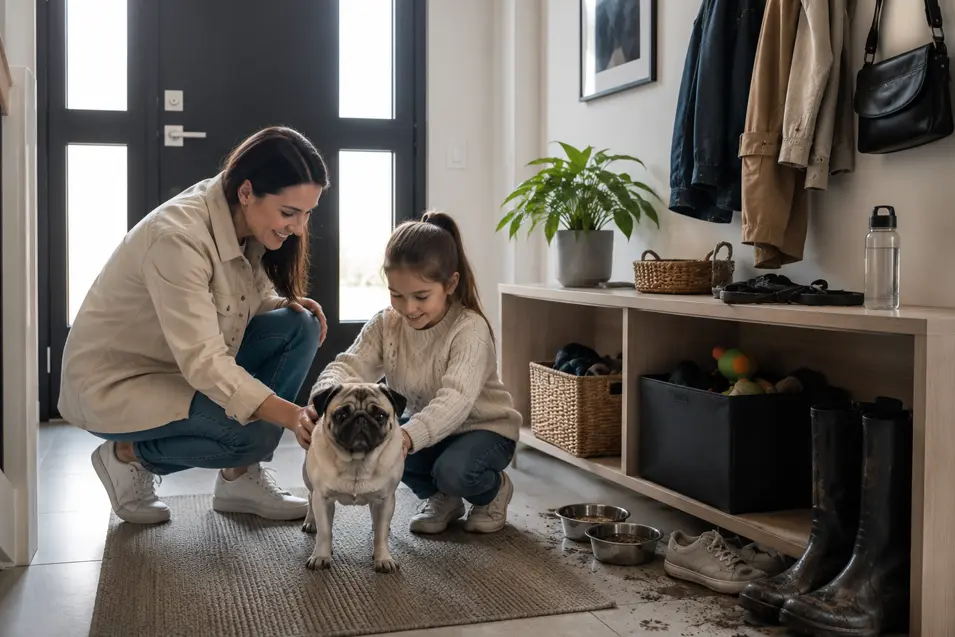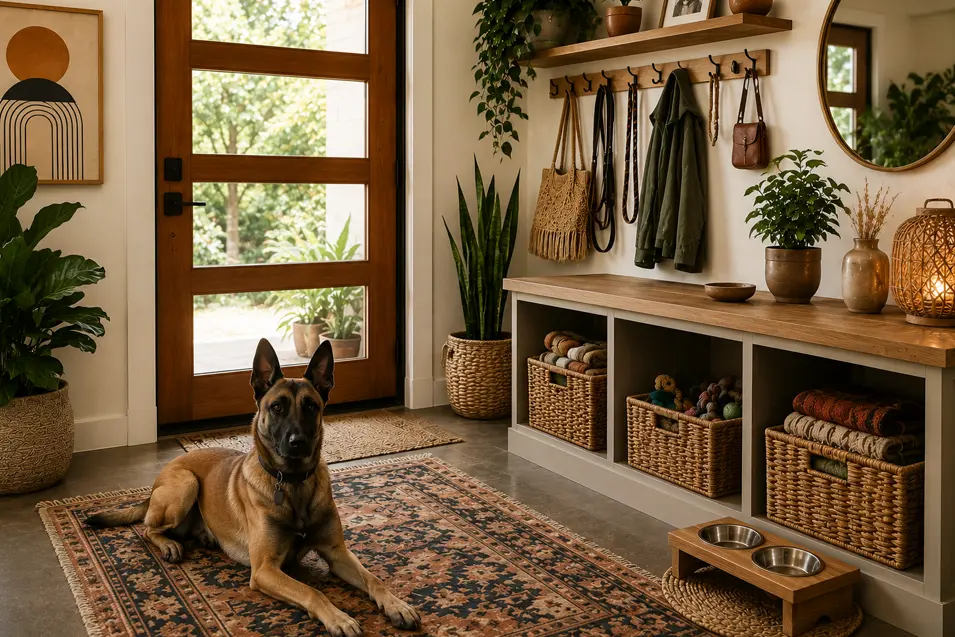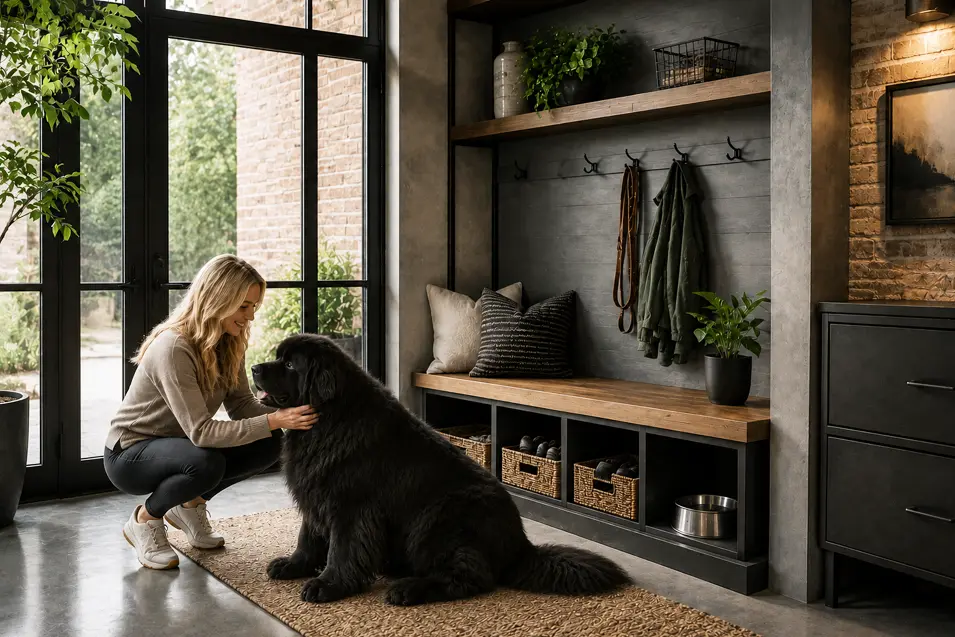
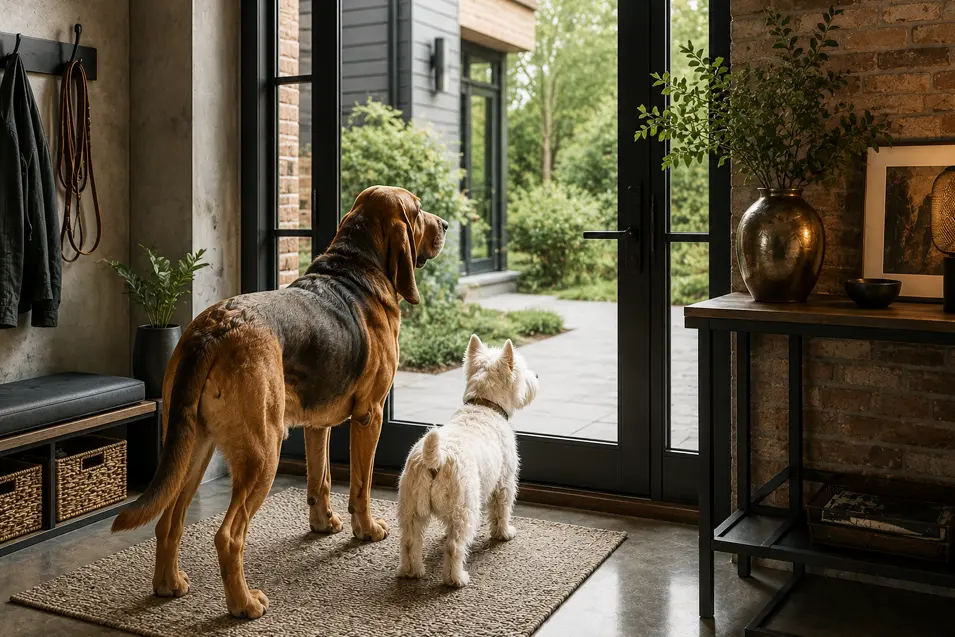
Many dog owners have witnessed the scene countless times. A dog sits quietly by the front door, staring out a window, listening intently, or simply waiting. Sometimes they’re expecting a family member to return home. Other times, they seem content to stand guard for no obvious reason at all.
While it may appear unusual to us, waiting by the front door is one of the most common canine behaviors. Dogs of all breeds, ages, and personalities often develop a strong attachment to entryways and front doors. In fact, many dogs consider this area one of the most important locations in the entire house.
Understanding why dogs love waiting by the front doorcan provide fascinating insight into their instincts, routines, emotions, and relationship with their human families.
The Front Door Is the Center of Activity
From a dog’s perspective, the front door is one of the most significant places in the home.
It’s where:
- Family members leave
- Family members return
- Guests arrive
- Walks begin
- Deliveries appear
- New scents enter the home
The front door represents constant change and opportunity.
Because so many important events occur there, dogs naturally learn to pay close attention to the area.
Dogs Thrive on Routine
Dogs are creatures of habit.
Many quickly learn the daily schedules of their households.
They often recognize:
- Work departure times
- School pickup times
- Evening walk schedules
- Meal routines
- Regular visitors
A dog that waits by the front door may simply be anticipating the next event in their routine.
Some owners are amazed by how accurately their dogs predict when family members will arrive home.
They’re Waiting for Their Favorite People
Perhaps the most obvious reason dogs wait by the door is that they’re hoping to see someone they love.
Dogs form strong emotional bonds with their families.
When a family member leaves, many dogs:
- Watch them go
- Listen for their return
- Monitor activity outside
For some dogs, waiting near the door becomes a way of staying connected until their favorite person comes home.
It’s a behavior rooted in attachment rather than boredom.
Dogs Have Excellent Hearing
Humans often underestimate how much information dogs gather through sound.
A dog waiting near the front door may be listening for:
- A familiar vehicle
- Footsteps
- Garage doors
- Neighbors outside
- Delivery drivers
Many dogs can identify specific sounds associated with individual family members long before people notice them.
By positioning themselves near the door, they can respond quickly when they detect something familiar.
The Door Provides a Window to the World
For dogs, the front door often offers access to fascinating sights, sounds, and smells.
Even without going outside, they can observe:
- People walking past
- Other dogs
- Wildlife
- Vehicles
- Neighborhood activity
This type of observation provides valuable mental stimulation.
Watching the world go by may be entertaining enough to keep a dog occupied for long periods.
Protective Instincts Play a Role
Many dogs naturally assume a protective role within the household.
The front door serves as the primary entrance to their territory.
Waiting nearby allows them to:
- Monitor visitors
- Alert family members
- Investigate unusual sounds
- Observe activity outside
This doesn’t necessarily mean the dog is aggressive.
Often, they’re simply fulfilling an instinctive desire to remain aware of what is happening around their home.
The Door Leads to Adventure
For most dogs, wonderful things happen when the front door opens.
It may mean:
- Walks
- Car rides
- Playtime
- Outdoor exploration
- Meeting new people
Because dogs form associations quickly, many learn that the front door is connected to exciting experiences.
As a result, they frequently position themselves nearby in anticipation of the next adventure.
Familiar Scents Are Concentrated There
Dogs experience the world largely through their sense of smell.
Entryways often contain an abundance of interesting scents.
Examples include:
- Family members’ shoes
- Outdoor smells
- Visitor scents
- Delivery packages
- Pet odors
For dogs, these scents provide information about their environment and the people who move through it.
The front door can be one of the most stimulating areas of the home from a scent perspective.
Some Dogs Experience Mild Separation Anxiety
In certain cases, waiting by the door may indicate a dog is struggling with being separated from family members.
Signs may include:
- Excessive waiting
- Whining
- Pacing
- Scratching at doors
- Restlessness
If the behavior appears obsessive or causes distress, it may be worth discussing with a veterinarian or professional trainer.
However, simply sitting by the door occasionally is usually normal behavior.
The Entryway Often Offers a Good View
Many dogs enjoy being able to observe both the inside and outside of the home simultaneously.
Entryways often provide:
- Access to windows
- Visibility of household activity
- Easy monitoring of arrivals and departures
This strategic location allows dogs to stay informed about everything happening around them.
For many dogs, that’s exactly where they want to be.
Waiting by the Door Can Be Self-Rewarding
Dogs repeat behaviors that provide rewards.
The front door delivers rewards frequently.
Examples include:
- Greeting family members
- Receiving attention
- Going for walks
- Meeting visitors
- Getting treats from guests
Over time, dogs learn that waiting by the door often leads to positive outcomes.
That reinforcement encourages the behavior to continue.
Breed Tendencies May Influence Behavior
Certain breeds are naturally more watchful than others.
Dogs bred for:
- Guarding
- Herding
- Hunting
- Working alongside humans
may be especially likely to monitor entry points.
Breeds with strong watchdog instincts often enjoy keeping an eye on household activity.
That doesn’t mean other breeds won’t do the same, but some may be more inclined toward the behavior.
Why Some Dogs Wait Even When Nobody Is Coming
One mystery many owners notice is that dogs sometimes wait by the door even when nobody is expected.
This behavior may occur because:
- The area feels familiar
- The dog enjoys observing outside activity
- The location offers a comfortable resting spot
- Waiting has become part of their routine
Not every behavior needs a specific trigger.
Sometimes dogs simply enjoy the environment around the front door.
Creating a Comfortable Entryway for Dogs
If your dog enjoys spending time near the front door, consider making the space more comfortable.
Helpful additions include:
- A washable dog bed
- Non-slip mats
- Window access
- Comfortable flooring
- Fresh water nearby
These features allow dogs to enjoy their favorite location safely and comfortably.
They can also help reduce wear and tear on furniture and flooring.
A Sign of Loyalty and Connection
For many dogs, waiting by the front door is ultimately about connection. The door represents the place where beloved family members leave and return, where adventures begin, and where the outside world meets the safety of home.
While the behavior may sometimes seem amusing, it often reflects a combination of instinct, routine, curiosity, and affection. Dogs pay close attention to the people they love, and the front door serves as one of the most important checkpoints in their daily lives.
So the next time you find your dog patiently sitting by the door, don’t assume they’re simply bored. They may be waiting for a favorite person, listening for familiar sounds, guarding their home, or simply enjoying one of the most interesting spots in the house. Either way, it’s another reminder of how closely dogs observe the world—and how much they value being part of our lives.