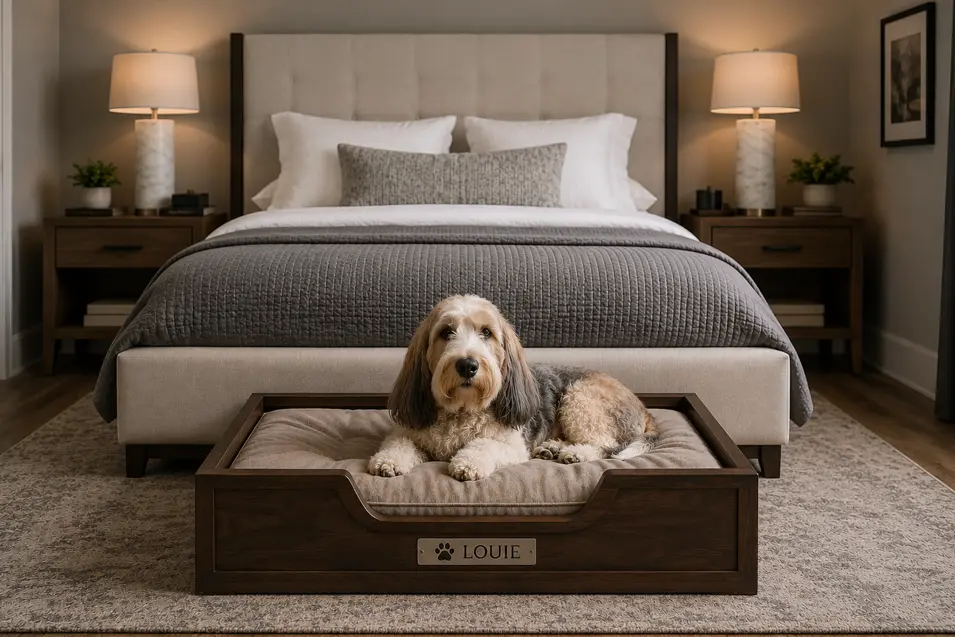
You finally bring home the perfect dog bed.
It’s soft, comfortable, and looks great in your living room.
There’s just one problem.
Your dog completely ignores it and chooses to sleep somewhere else.
If you’ve ever found your dog stretched out in a hallway, curled up beside your bed, or sleeping directly on the floor next to their expensive new bed, you’re not alone. Choosing the right dog bed is important, but where you place it can be just as critical.
The best location depends on your dog’s personality, age, and preferences, but there are a few guidelines that can help you find the perfect spot.
Most Dogs Want to Be Near Their Family
Dogs are social animals that generally prefer to spend time near the people they trust.
While some dogs enjoy having a quiet retreat, most don’t want to be isolated in a spare room where they can neither see nor hear what’s happening.
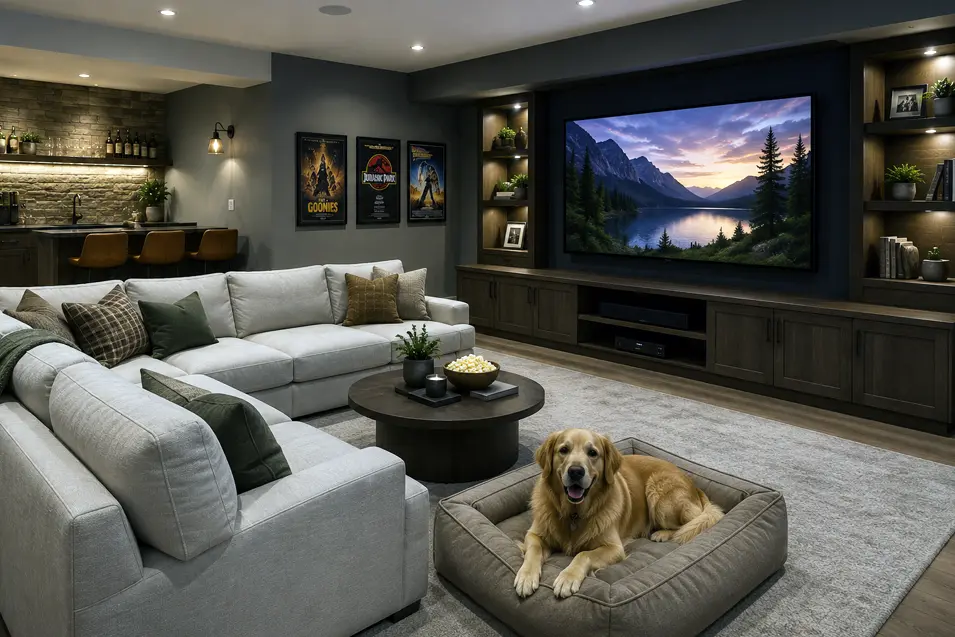
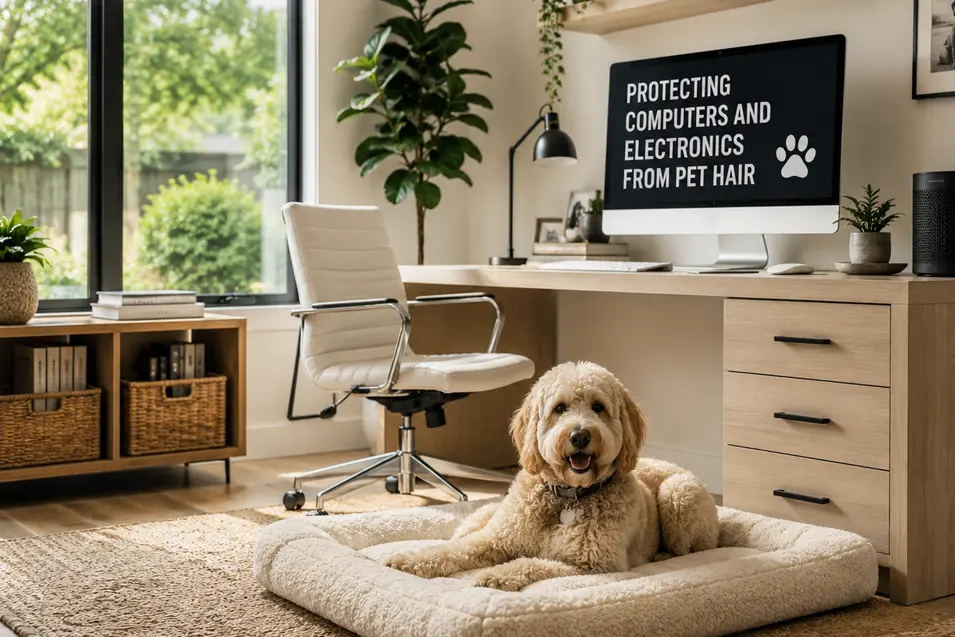
For this reason, one of the best places for a dog’s bed is often in a room where the family spends a lot of time, such as:
- The living room
- A family room
- A home office
- A bedroom
Dogs typically feel most comfortable when they can remain close to their favorite people.
The Bedroom Is Often a Popular Choice
Many dogs naturally prefer sleeping in their owner’s bedroom.
Being close to their family helps them feel secure, and many dogs settle more easily when they can hear and smell the people they trust.
For puppies, a bed in the bedroom can also help with nighttime adjustment and reduce anxiety during the first few weeks in a new home.
If your dog frequently chooses to sleep near your bed, they’re sending a fairly clear message about where they feel most comfortable.
Avoid High-Traffic Areas
While dogs like being near their families, they don’t necessarily enjoy being constantly disturbed.
Busy locations such as:
- Hallways
- Entryways
- Areas near frequently used doors
- Narrow walkways
can make it difficult for a dog to rest peacefully.
Imagine trying to sleep while people continually step over you or walk past your head.
Most dogs prefer a location that offers both companionship and a reasonable amount of quiet.
Keep the Bed Away From Drafts
Just like people, dogs appreciate a comfortable sleeping environment.
Try to avoid placing a bed directly next to:
- Drafty doors
- Air vents
- Heating units
- Frequently opened windows
Temperature extremes can make it difficult for your dog to relax, particularly for puppies, senior dogs, and short-haired breeds.
Consider Your Dog’s Personality
Not all dogs have the same sleeping preferences.
Velcro Dogs
Dogs that follow their owners everywhere often prefer beds located close to family activity.
These dogs may choose a spot where they can easily keep an eye on everyone.
Independent Dogs
Some dogs enjoy having a little more personal space.
They may prefer a quiet corner where they can observe the household without being in the center of the action.
Watchdogs
Breeds with strong guarding instincts sometimes prefer locations where they can monitor entrances, hallways, or other areas of the home.
Older Dogs May Need Special Consideration
Seniordogs often benefit from carefully chosen bed locations.
Aging dogs may struggle with:
- Stairs
- Slippery floors
- Frequent movement
Placing a bed on the main floor near family activity can help reduce unnecessary strain while allowing older dogs to remain involved in daily life.
Orthopedic beds can also improve comfort for dogs with arthritis or joint issues.
Is It Okay to Have More Than One Dog Bed?
Absolutely.
Many dog owners discover that having multiple beds works best.
For example:
- A bed in the living room
- A bed in the bedroom
- A bed in a home office
This allows your dog to remain comfortable throughout the day without constantly moving a single bed from room to room.
Many dogs naturally rotate between sleeping spots depending on the time of day and household activity.
Signs You’ve Chosen the Right Location
Your dog will usually tell you whether they approve of the bed placement.
Positive signs include:
- Choosing the bed regularly
- Relaxing and sleeping deeply
- Bringing toys to the bed
- Returning to the bed throughout the day
If your dog consistently ignores the bed and sleeps elsewhere, the location may not match their preferences.
Common Mistakes to Avoid
Some common placement mistakes include:
Isolating the Bed
Dogs generally don’t want to sleep alone in a distant room.
Choosing Busy Walkways
Constant foot traffic can interfere with quality rest.
Ignoring Temperature
Beds placed near drafts or heat sources may become uncomfortable.
Assuming Every Dog Is the Same
What works perfectly for one dog may not work for another.
Pay attention to where your dog naturally chooses to rest.
The Bottom Line
The best place for your dog’s bed is usually somewhere that balances comfort, security, and proximity to family. Most dogs want to feel included while still having a quiet place to relax and sleep.
If you’re unsure where to place your dog’s bed, start by observing where they naturally choose to spend their time. Dogs are surprisingly good at telling us what they like. Sometimes the perfect location isn’t where we think it should be—it’s where our dogs feel most at home.
And if your dog still insists on sleeping beside your bed instead of in the expensive new dog bed you bought? Well, at least you’ll know the decision wasn’t personal.