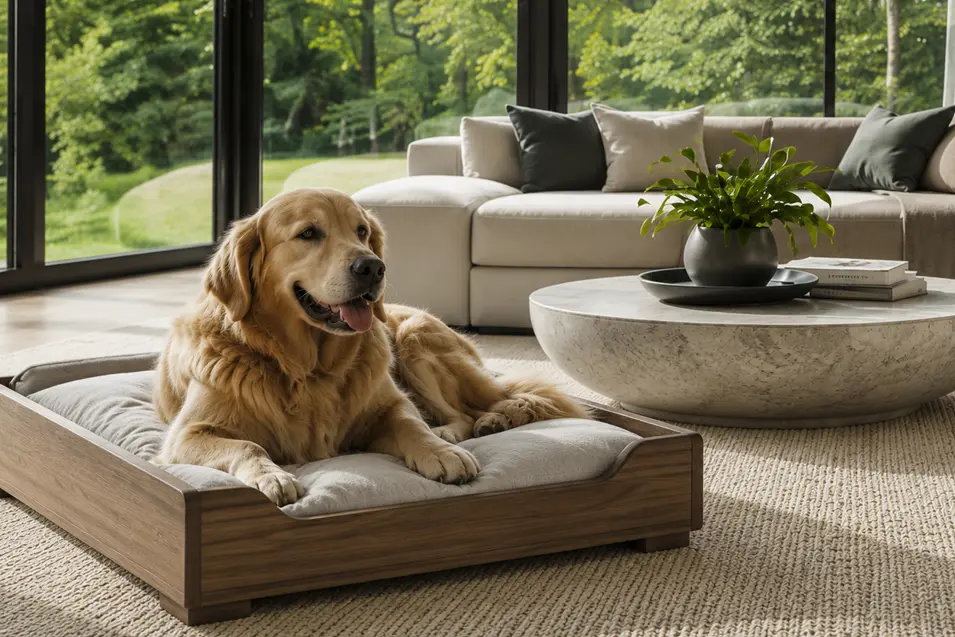
Many dog owners carefully select the perfect dog bed, only to discover their pet rarely uses it. In some cases, the problem isn’t the bed itself—it’s where the bed is located.
Dogs are social animals that naturally seek comfort, security, and connection with their families. The placement of a dog bed can have a significant impact on whether it becomes a favorite resting spot or an ignored piece of furniture.
Fortunately, creating a living room that works for both dogs and humans doesn’t require sacrificing style. By understanding how dogs view their environment, homeowners can choose a location that supports their pet’s needs while maintaining a beautiful and functional space.
Why Bed Placement Matters
A dog bed is more than just a place to sleep. For many dogs, it serves as a personal retreat where they can relax, observe their surroundings, and feel safe.
When a bed is placed in an undesirable location, dogs often choose alternative resting spots such as:
- Sofas
- Chairs
- Hallways
- Doorways
- Rugs
- Areas beside family members
Many owners assume their dog simply dislikes the bed when the real issue is the location.
Choosing the right spot can encourage better rest, reduce stress, and help the bed become a natural part of the living room.
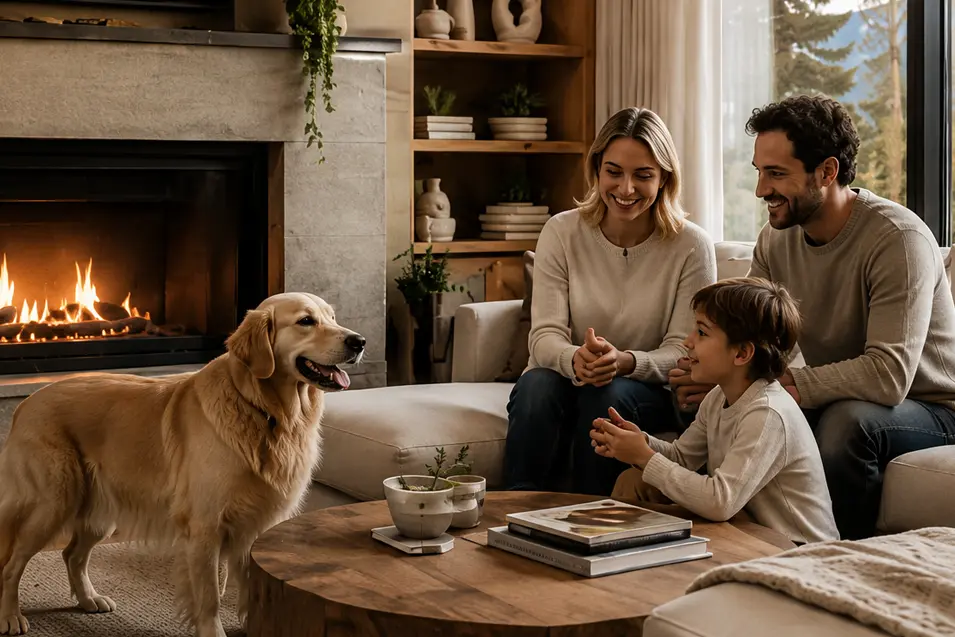
Dogs Want to Be Near Their People
One of the most common mistakes homeowners make is placing a dog bed in an isolated corner far from family activity.
While dogs appreciate having their own space, most also want to remain connected to the people they live with.
The ideal location often allows your dog to:
- See family members
- Observe room activity
- Rest without being disturbed
- Feel included in household interactions
If the family spends most of its time in the living room, placing the bed nearby allows the dog to remain part of the social environment while still enjoying a comfortable place to relax.
Avoid High-Traffic Areas
Although dogs enjoy being near their families, they generally don’t want to sleep in the middle of constant activity.
Beds placed in major walkways may create problems because:
- People frequently step around them
- Noise levels remain high
- Dogs may be startled while resting
- The bed can become an obstacle
A good location provides visibility without placing the dog directly in the path of daily movement.
Corners Often Work Well
Many dogs naturally prefer locations that offer some degree of protection behind them.
A corner placement can provide:
- A sense of security
- Reduced foot traffic
- Good visibility of the room
- A defined resting area
This arrangement allows dogs to monitor their surroundings without feeling exposed from all directions.
For many living rooms, a corner near the main seating area strikes an ideal balance between comfort and connection.
Consider Window Views
Some dogs enjoy watching the world outside.
Placing a bed near a window can provide hours of entertainment through:
- Bird watching
- Neighborhood activity
- Passing pedestrians
- Natural sunlight
However, not every dog benefits from a window location.
Dogs prone to excessive barking or territorial behavior may become overstimulated if they constantly monitor outdoor activity. In these situations, a quieter location may be preferable.
Stay Away From Drafts and Heat Sources
Comfort plays a major role in how often a dog uses its bed.
Avoid placing beds directly beside:
- Exterior doors
- Drafty windows
- Heating vents
- Fireplaces
- Space heaters
While some dogs enjoy warmth, extreme temperatures can make a bed less appealing.
The most comfortable locations typically maintain a consistent temperature throughout the day.
Make the Bed Part of the Room
A common design mistake is treating the dog bed as something that must be hidden.
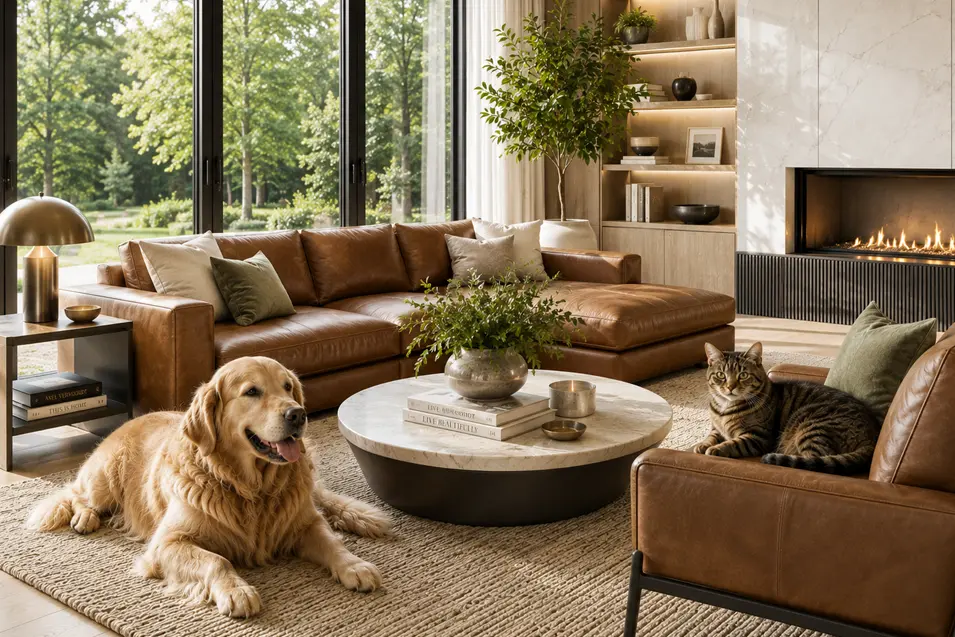
Today’s pet furniture options make it easier than ever to integrate a dog bed into the overall design of the living room.
Consider:
- Beds that complement existing furniture
- Coordinated colors and fabrics
- Built-in pet spaces
- Decorative baskets for nearby toys
- Stylish pet furniture
When incorporated thoughtfully, a dog bed can feel like a natural part of the room rather than an afterthought.
Observe Your Dog’s Habits
One of the simplest ways to determine the best location is to watch where your dog already prefers to rest.
Dogs often reveal their preferences by consistently choosing certain areas of the home.
Ask yourself:
- Where does my dog nap most often?
- Does my dog prefer sunlight or shade?
- Does my dog seek quiet spaces or social areas?
- Does my dog enjoy watching outdoor activity?
Using these observations can help guide placement decisions far more effectively than following generic rules.
Homes With Multiple Dogs
For households with multiple dogs, bed placement becomes even more important.
Some dogs enjoy resting together, while others prefer personal space.
Providing separate sleeping areas can help reduce competition and allow each dog to relax comfortably. Beds should be positioned to avoid crowding while still allowing dogs to remain part of the family environment.
Careful placement can improve harmony and reduce unnecessary tension between pets.
Finding the Perfect Balance
The best location for a dog bed isn’t always the most obvious one.
A successful placement balances several important factors:
- Comfort
- Security
- Visibility
- Family interaction
- Room design
- Traffic flow
When these elements work together, dogs are more likely to use their beds consistently and enjoy spending time there.
A Resting Place Everyone Can Appreciate
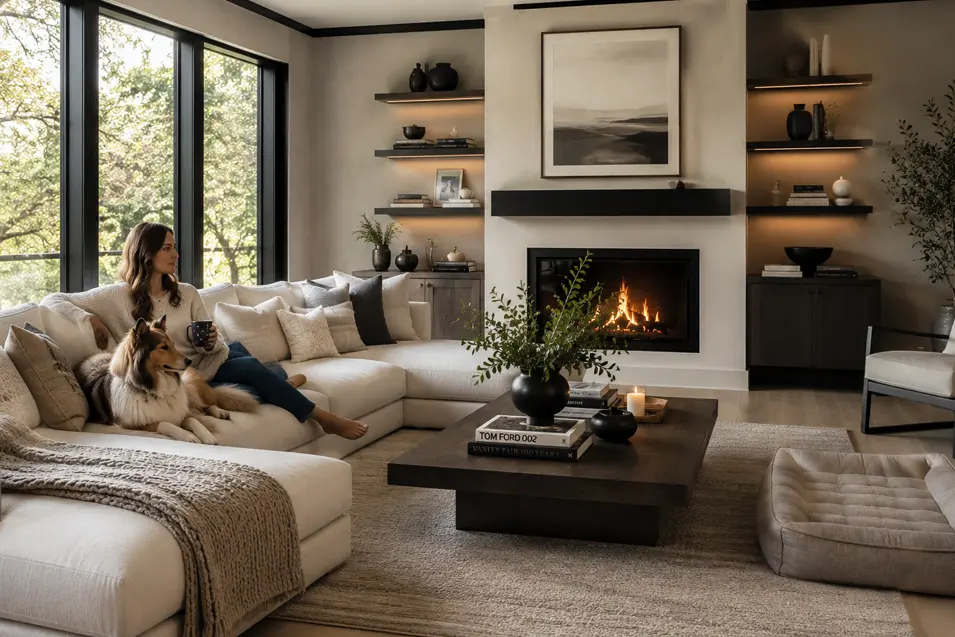
A thoughtfully placed dog bed benefits both pets and people. Dogs gain a comfortable place to relax while remaining connected to their families, and homeowners maintain a living room that feels organized and inviting.
Rather than hiding the dog bed or treating it as a design challenge, consider it part of the overall living space. When chosen and positioned carefully, a dog bed can contribute to both the comfort of your pet and the beauty of your home.