Scandinavian design has become one of the most influential interior styles in the world, admired for its simplicity, functionality, and timeless appeal. Originating in the Nordic countries of Denmark, Sweden, Norway, Finland, and Iceland, Scandinavian interiors are designed to maximize comfort, natural light, and practicality while maintaining a clean and uncluttered aesthetic.
At first glance, Scandinavian design may appear minimalist, but its true appeal lies in its ability to balance simplicity with warmth. Rather than creating stark or sterile spaces, Scandinavian interiors prioritize comfort, craftsmanship, and a strong connection to nature. The result is a home that feels bright, welcoming, and highly livable.
Whether you’re decorating a small apartment or a spacious family home, Scandinavian design offers a timeless approach that continues to resonate with homeowners around the world.
The Origins of Scandinavian Design
Scandinavian design emerged during the early twentieth century and gained international recognition in the 1950s. Designers sought to create beautiful, affordable, and functional products that improved everyday life.
The style was heavily influenced by the Nordic climate, where long winters and limited daylight encouraged the creation of bright, comfortable interiors. Simplicity, practicality, and craftsmanship became central principles, helping shape a design philosophy that remains popular today.
Furniture designers such as Arne Jacobsen, Hans Wegner, and Alvar Aalto helped establish Scandinavian design as a global movement, creating iconic pieces that continue to influence modern interiors.
Key Characteristics of Scandinavian Style
Several defining features help distinguish Scandinavian interiors from other design styles.
Light and Neutral Color Palettes
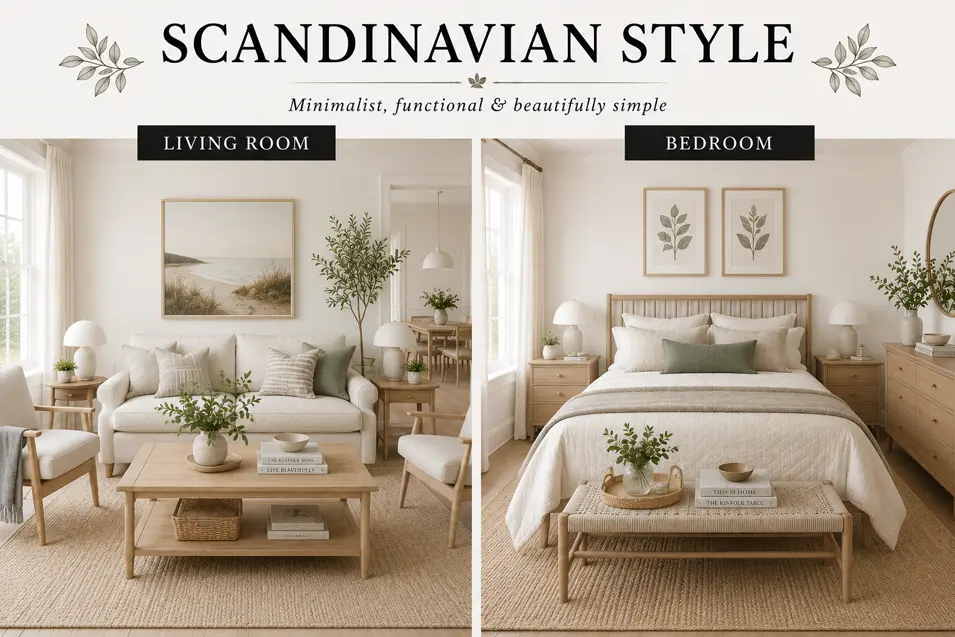
Scandinavian homes often feature white walls, soft grays, warm neutrals, and muted earth tones. These colors help reflect natural light and create a sense of openness, particularly during the darker winter months.
The overall palette feels calm, fresh, and inviting.
Natural Materials
Wood is one of the most important elements of Scandinavian design. Light oak, ash, pine, and birch are commonly used for furniture, flooring, and architectural details.
Natural materials such as wool, linen, cotton, leather, and stone add warmth and texture while maintaining the style’s understated elegance.
Functional Design
Functionality is at the heart of Scandinavian interiors. Furniture and décor are chosen not only for their appearance but also for their practicality and comfort.
Every item is expected to serve a purpose while contributing to the overall aesthetic.
Clean Lines and Simplicity
Scandinavian design embraces uncluttered spaces and streamlined forms. Decorative excess is avoided in favor of thoughtful design, allowing quality materials and craftsmanship to take center stage.
The result feels organized without appearing rigid.
Hygge and Comfort
One of the most beloved aspects of Scandinavian living is the Danish concept of hygge—a feeling of warmth, comfort, and well-being.
Soft textiles, cozy seating, warm lighting, and inviting gathering spaces all contribute to creating a home that feels relaxing and welcoming.
Why Homeowners Love Scandinavian Design
Scandinavian style appeals to homeowners because it combines beauty and practicality in equal measure.
The style creates spaces that feel calm and organized without sacrificing comfort. Its neutral palette and timeless furnishings make it easy to personalize, while its focus on quality materials ensures lasting appeal.
Many people also appreciate the versatility of Scandinavian design. It works well in both traditional and contemporary homes and can easily be adapted to different lifestyles and budgets.
How to Bring Scandinavian Style Into Your Home
Creating a Scandinavian-inspired interior starts with simplifying the space.
Choose a neutral color palette that maximizes light and creates a sense of openness. Incorporate natural materials such as wood, linen, wool, and stone to add warmth and texture.
Focus on furniture that combines clean lines with comfort. Rather than filling rooms with decorative accessories, select a few meaningful pieces that contribute to the overall atmosphere.
Lighting is especially important. Use a combination of natural light, floor lamps, table lamps, and warm-toned fixtures to create a cozy and inviting environment.
Houseplants, woven baskets, and natural textiles can help soften the space while reinforcing the connection to nature that defines Scandinavian living.
Scandinavian vs. Japandi Design
Because the two styles share many similarities, they are often confused.
Scandinavian design emphasizes simplicity, comfort, and functionality, while Japandi combines Scandinavian principles with Japanese minimalism and the concept of wabi-sabi. Japandi interiors often feature darker woods, more contrast, and a stronger focus on craftsmanship and intentional living.
Think of Scandinavian as bright, cozy, and practical, while Japandi introduces a more minimalist and contemplative aesthetic.
Is Scandinavian Style Right for You?
Scandinavian design is ideal for homeowners who value simplicity, comfort, and timeless design. Its emphasis on natural materials, functional furnishings, and inviting spaces creates homes that feel both beautiful and practical.
Whether you’re embracing the style completely or incorporating a few Scandinavian-inspired elements, the approach offers a proven formula for creating spaces that support everyday living while remaining elegant and enduring.
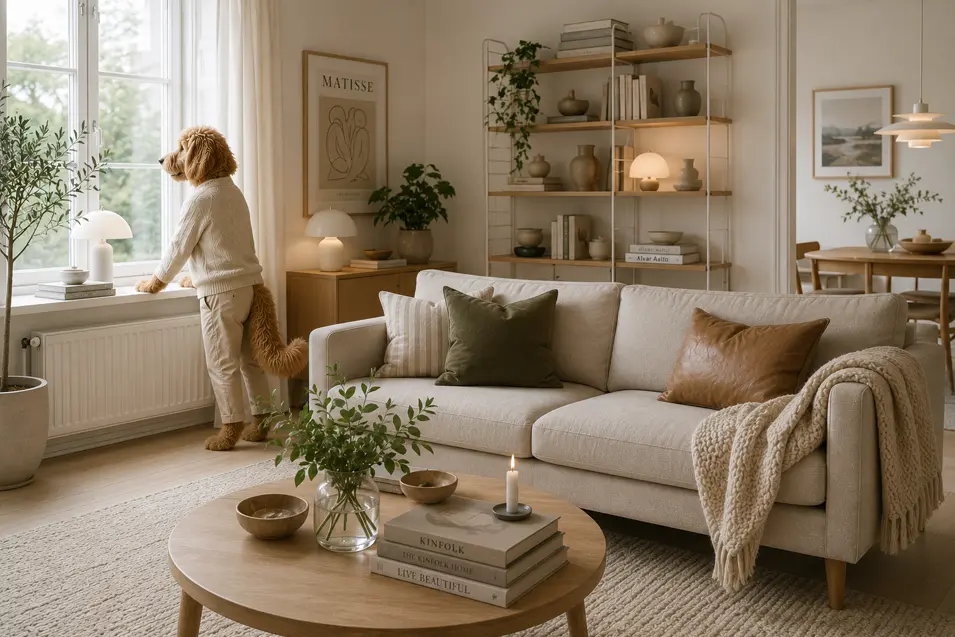
As Scout discovered while relaxing in a sunlit room filled with natural textures and comfortable furnishings, Scandinavian design proves that simplicity and comfort can coexist beautifully in a home designed for real life.