Rustic style embraces the beauty of nature, craftsmanship, and simplicity. Inspired by mountain lodges, log cabins, and rural retreats, this design approach highlights natural materials, rugged textures, and authentic architectural elements that create warm and welcoming interiors.
Unlike highly polished or contemporary styles, Rustic design celebrates imperfections. Weathered wood, natural stone, exposed beams, and handcrafted furnishings are valued for their character and history rather than their perfection. The result is a home that feels grounded, comfortable, and deeply connected to the natural world.
Whether incorporated into a countryside retreat or adapted for a suburban home, Rustic style offers a timeless aesthetic that prioritizes warmth, authenticity, and everyday comfort.
The Origins of Rustic Design
Rustic design evolved from the practical homes and cabins built in rural regions where local materials were used to create durable, functional living spaces.
Early builders relied on resources readily available in their surroundings, including timber, stone, clay, and iron. These materials shaped homes that reflected the landscape while providing shelter and comfort.
As people increasingly sought escapes from urban life, the charm of these simple structures inspired a design movement that celebrated natural beauty and traditional craftsmanship.
Today, Rustic style continues to resonate with homeowners who appreciate authenticity and a strong connection to nature.
Key Characteristics of Rustic Style
Several defining features help distinguish Rustic interiors from other design styles.
Natural Wood Elements
Wood serves as the foundation of Rustic design.
Common features include:
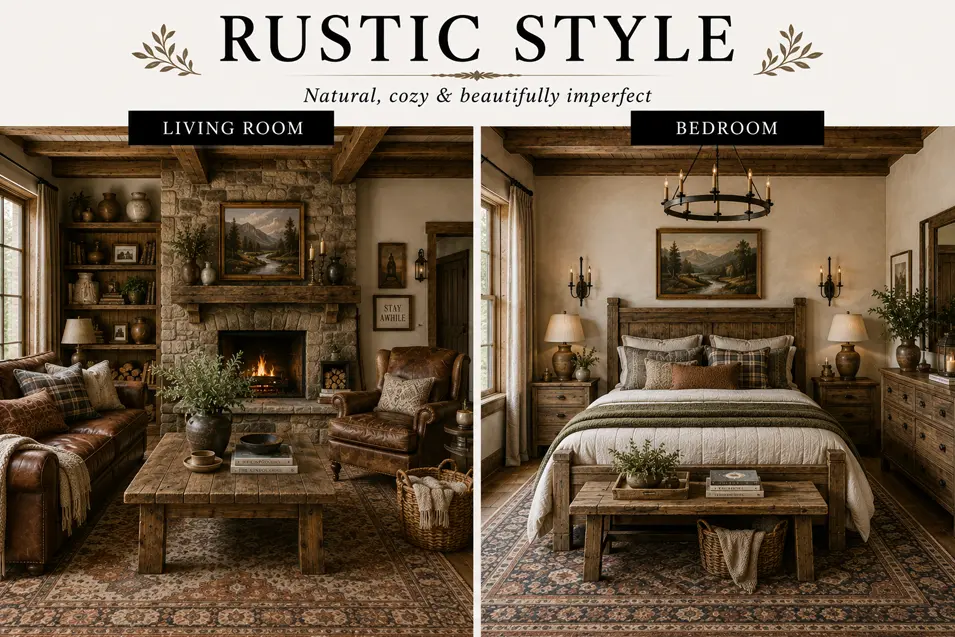
- Exposed ceiling beams
- Reclaimed wood furniture
- Hardwood floors
- Log accents
- Handmade tables and cabinetry
The wood is often left in a natural or weathered state to showcase its texture and character.
Stone and Natural Materials
Rustic interiors frequently incorporate stone fireplaces, stone walls, slate flooring, and other natural materials.
These elements reinforce the style’s connection to the outdoors while adding durability and visual interest.
Warm, Earthy Color Palettes
Color schemes are typically inspired by nature.
Popular shades include:
- Brown
- Tan
- Cream
- Charcoal
- Forest green
- Rust
- Deep red
These colors create a cozy atmosphere and complement the natural materials used throughout the home.
Handcrafted Furnishings
Rustic furniture often emphasizes craftsmanship and durability over ornamentation.
Solid wood tables, leather seating, wrought iron accents, and handmade pieces contribute to the style’s authentic appeal.
Cozy Textures
Soft textiles help balance the rugged materials found in Rustic interiors.
Wool blankets, woven rugs, leather upholstery, faux fur throws, and natural-fiber fabrics create warmth and comfort throughout the space.
Why Homeowners Love Rustic Design
One reason Rustic style remains popular is its ability to create homes that feel comfortable and authentic.
In an increasingly digital world, many homeowners appreciate interiors that emphasize natural materials and traditional craftsmanship. Rustic spaces often feel relaxing and grounded, providing a welcome escape from the fast pace of modern life.
The style also ages beautifully. Natural wood, stone, and handcrafted furnishings often become even more attractive over time as they develop additional character and patina.
How to Bring Rustic Style Into Your Home
Creating a Rustic interior begins with introducing natural materials.
Incorporate wood furniture, stone accents, and warm earth tones throughout the space. Look for pieces that showcase craftsmanship and natural textures rather than perfectly polished finishes.
Layer cozy textiles through rugs, blankets, and upholstered seating to soften the room and add comfort. Decorative accessories should feel authentic and connected to nature, such as woven baskets, pottery, landscape artwork, or vintage tools.
The goal is to create a space that feels welcoming, durable, and timeless.
Rustic vs. Farmhouse Design
Although the two styles share many similarities, Rustic design tends to be more rugged and nature-focused.
Farmhouse interiors often emphasize family living, lighter color palettes, and practical country charm. Rustic spaces lean more heavily into natural materials, rough-hewn finishes, and outdoor-inspired elements.
Think of Farmhouse as country comfort and Rustic as a mountain retreat.
Rustic vs. Alpine Chic
Both styles celebrate natural materials and cozy living, but Alpine Chic introduces a greater sense of refinement and luxury.
Rustic interiors focus on authenticity and rugged beauty, while Alpine Chic blends those elements with elegant furnishings, sophisticated finishes, and upscale mountain-lodge influences.
Rustic feels casual and organic, while Alpine Chic feels polished and elevated.
Is Rustic Style Right for You?
Rustic design is ideal for homeowners who appreciate natural beauty, handcrafted details, and interiors that feel warm and inviting. Its emphasis on authenticity, comfort, and timeless materials creates spaces that remain appealing year after year.
Whether you’re decorating a mountain cabin, a lakeside retreat, or simply introducing rustic elements into your home, the style offers a welcoming approach rooted in nature and craftsmanship.
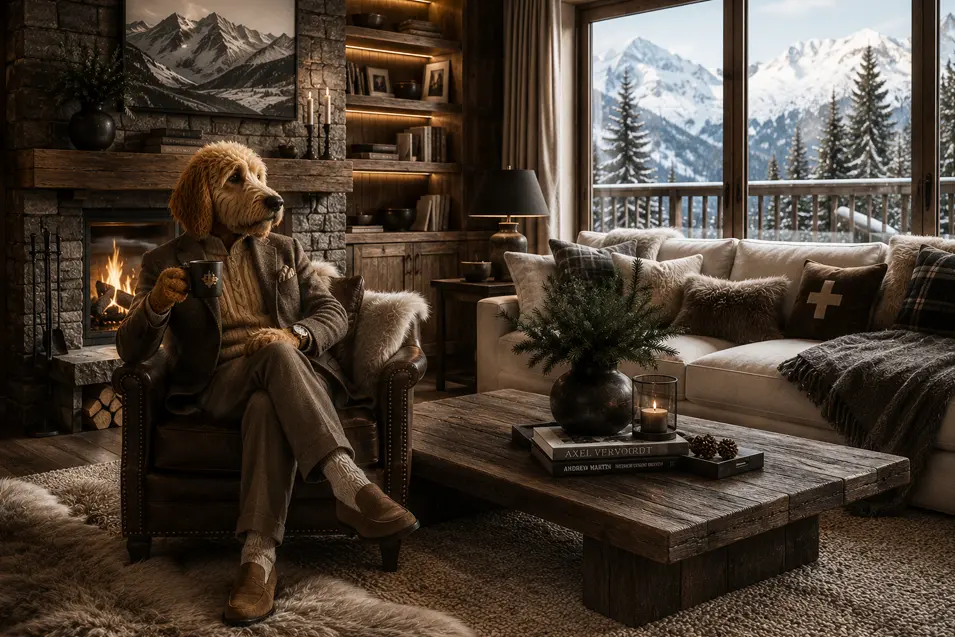
As Scout discovered while lounging beside a stone fireplace surrounded by natural wood and cozy textures, Rustic design proves that some of the most beautiful homes are the ones that embrace simplicity and the beauty of the natural world.