Regency style is synonymous with elegance, sophistication, and refined luxury. Inspired by the British Regency period of the early nineteenth century, this design style combines classical influences with bold decorative elements, creating interiors that feel both grand and inviting.
Known for its graceful proportions, rich materials, and carefully curated furnishings, Regency design celebrates beauty and craftsmanship without becoming overly ornate. The style embraces a sense of drama through luxurious fabrics, striking color palettes, and elegant architectural details while maintaining a balanced and harmonious appearance.
For homeowners who appreciate timeless sophistication and a touch of glamour, Regency style offers an enduring approach to interior design.
The Origins of Regency Design
Regency style emerged in Britain during the Regency era, which lasted from 1811 to 1820 while King George III was deemed unfit to rule and his son, the Prince Regent, governed in his place.
This period was heavily influenced by classical Greek and Roman architecture, as well as growing interest in international design and decorative arts. Wealthy homeowners sought interiors that reflected refinement, culture, and status, leading to the popularity of elegant furnishings, luxurious materials, and carefully planned spaces.
Although rooted in history, Regency design continues to influence contemporary interiors, particularly those seeking a blend of traditional elegance and modern sophistication.
Key Characteristics of Regency Style
Several defining features help distinguish Regency interiors from other traditional decorating styles.
Elegant Furnishings
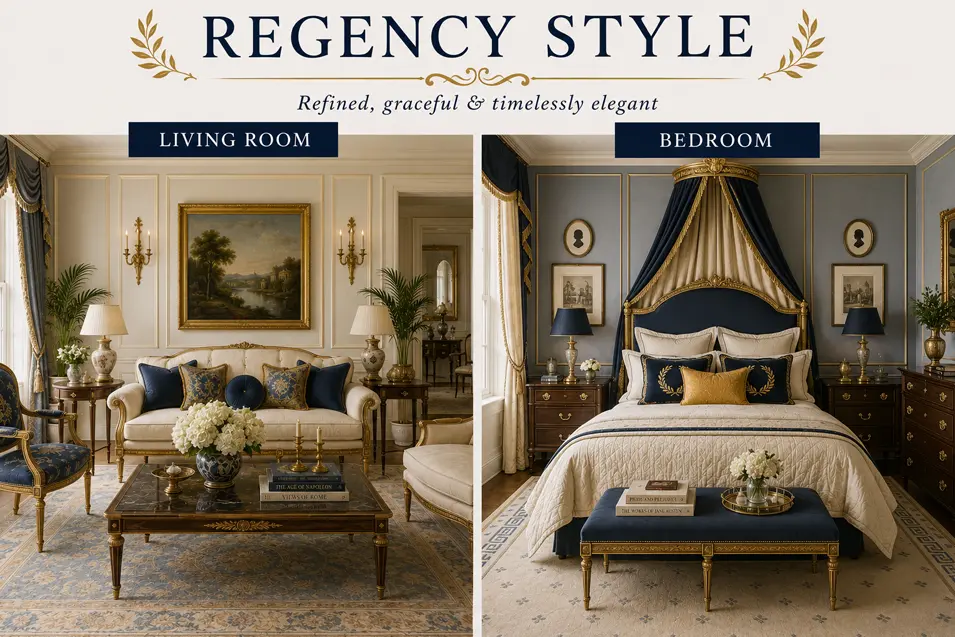
Regency furniture is characterized by graceful lines, refined proportions, and exceptional craftsmanship.
Common features include:
- Curved silhouettes
- Upholstered seating
- Decorative wood finishes
- Brass or gold accents
- Classical motifs
The emphasis is on beauty and sophistication rather than excessive ornamentation.
Rich Color Palettes
Regency interiors often incorporate bold and luxurious colors.
Popular choices include:
- Deep blue
- Emerald green
- Burgundy
- Ivory
- Black
- Gold
These colors help create visual drama while reinforcing the style’s refined character.
Luxurious Materials
Quality materials play a central role in Regency design. Velvet, silk, marble, crystal, polished wood, brass, and fine upholstery contribute to the sense of luxury that defines the style.
Every element is selected with both beauty and craftsmanship in mind.
Symmetry and Balance
Like many classical design traditions, Regency interiors emphasize symmetry and proportion.
Furniture arrangements, architectural details, and decorative elements are often carefully balanced to create a harmonious and polished appearance.
Decorative Accents
Mirrors, chandeliers, artwork, decorative moldings, and elegant accessories help add character and visual interest throughout the space.
These details enhance the room without overwhelming it.
Why Homeowners Love Regency Design
One reason Regency style remains appealing is its ability to feel luxurious without appearing overly formal.
The style creates rooms that are elegant and memorable while still supporting comfortable everyday living. Many homeowners are drawn to the sense of history and sophistication that Regency interiors provide.
Regency design also blends surprisingly well with modern elements, allowing homeowners to create spaces that feel timeless rather than dated.
How to Bring Regency Style Into Your Home
Creating a Regency-inspired interior begins with investing in quality furnishings and materials.
Choose elegant furniture with classic silhouettes and incorporate rich fabrics such as velvet, linen, or silk. Introduce metallic accents through lighting, mirrors, hardware, and decorative accessories.
Color can play an important role, whether through dramatic wall treatments, statement furniture, or carefully selected artwork.
Layering textures and maintaining balanced room arrangements will help create the refined atmosphere associated with Regency design.
Regency vs. Traditional Design
Although Regency is rooted in traditional design principles, it often feels more glamorous and dramatic than standard Traditional interiors.
Traditional design tends to emphasize comfort, warmth, and timeless familiarity. Regency introduces a greater sense of luxury through bold colors, decorative accents, and more formal elegance.
Think of Traditional as classic sophistication and Regency as classic sophistication with a touch of grandeur.
Regency vs. Art Deco
While both styles embrace elegance and luxury, they originate from very different periods.
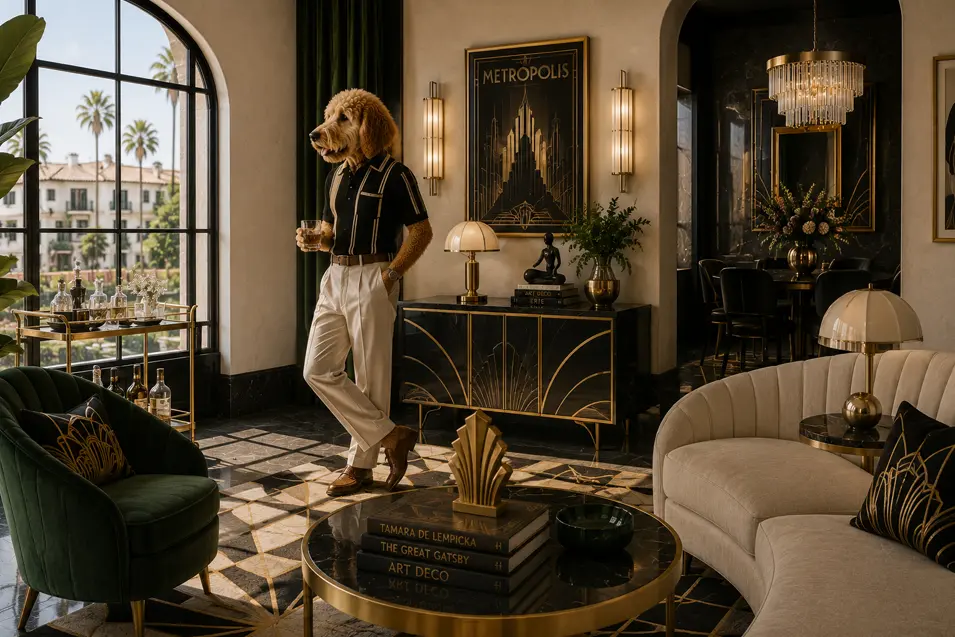
Regency draws heavily from classical influences and historical design traditions. Art Deco emerged more than a century later, emphasizing geometric patterns, modern materials, and the glamour of the Jazz Age.
Regency feels refined and aristocratic, while Art Deco feels bold and modern.
Is Regency Style Right for You?
Regency design is ideal for homeowners who appreciate timeless elegance, quality craftsmanship, and interiors that make a sophisticated statement. Its combination of luxurious materials, graceful furnishings, and balanced design creates spaces that feel both refined and welcoming.
Whether incorporated through a few elegant accents or embraced throughout an entire home, Regency style offers a timeless aesthetic that continues to inspire designers and homeowners alike.
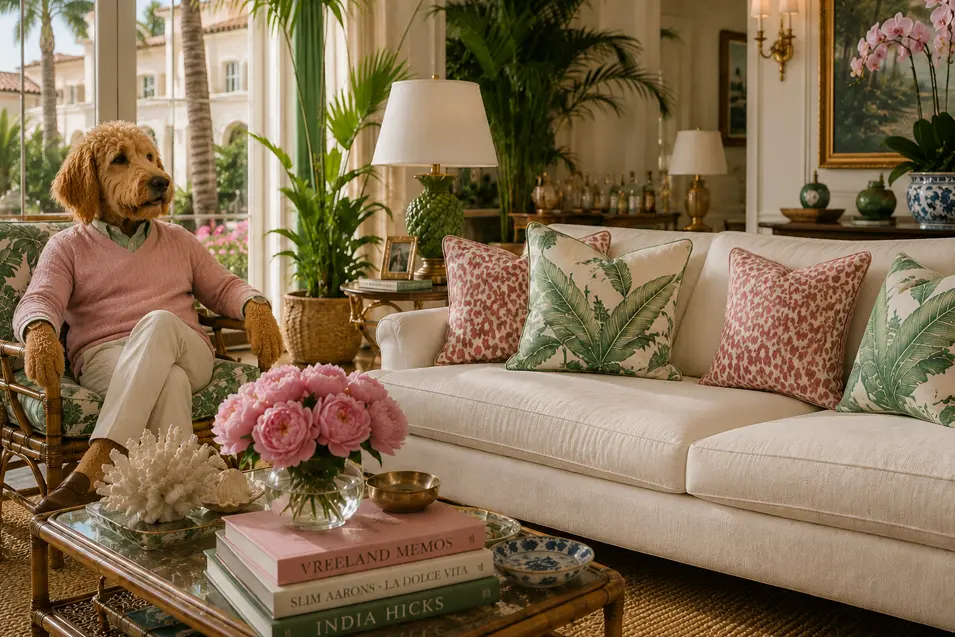
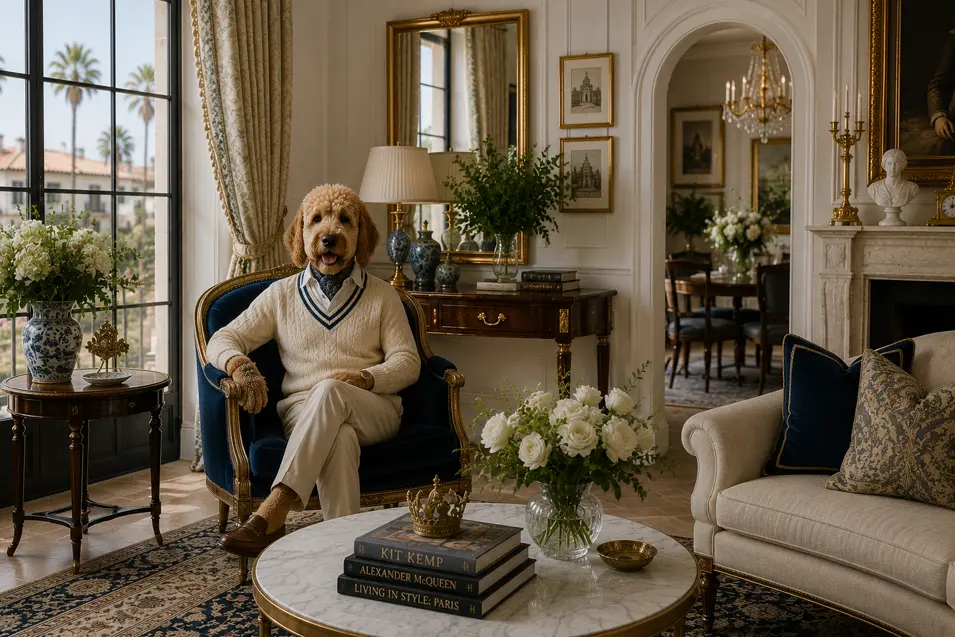
As Scout discovered while relaxing beneath sparkling chandeliers and surrounded by rich fabrics and elegant furnishings, Regency style proves that true luxury is often found in the details.