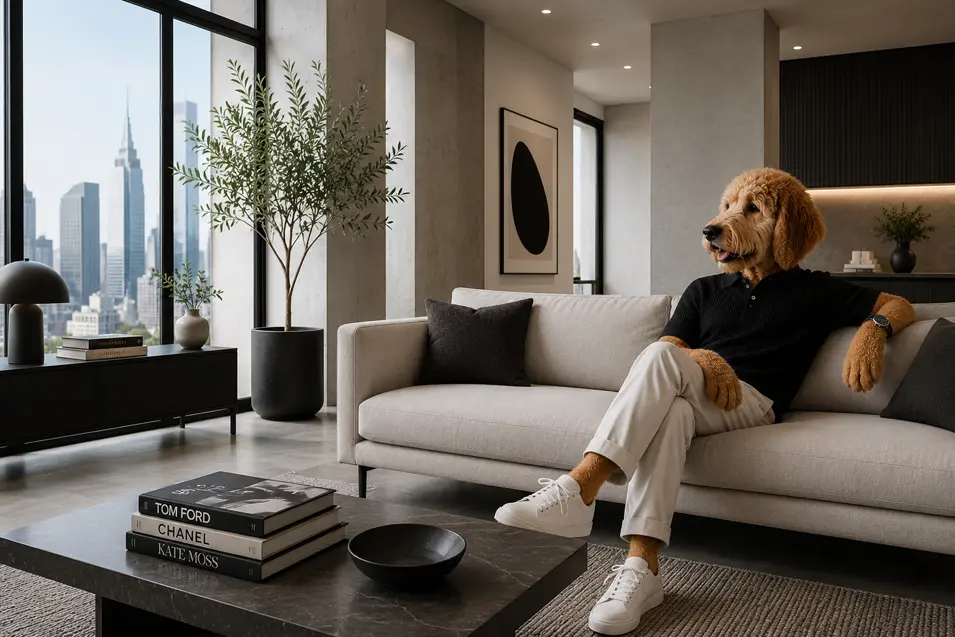
Modern interior design is one of the most influential decorating styles of the last century. Known for its clean lines, functional furniture, and uncluttered spaces, modern design focuses on creating homes that are both beautiful and practical.
While many people use the term “modern” to describe anything current or trendy, modern interior design is actually a distinct design style with specific principles and characteristics. Rooted in simplicity and functionality, it encourages homeowners to prioritize quality over quantity and purpose over excess.
If you’re drawn to open spaces, neutral colors, and thoughtful design, modern style may be the perfect fit for your home.
What Is Modern Interior Design?
Modern interior design emerged during the early to mid-20th century as designers began moving away from ornate, heavily decorated interiors.
Rather than emphasizing decoration, modern design focused on function, simplicity, and clean architectural forms. Furniture became more streamlined, rooms became less cluttered, and every element was chosen with intention.
The philosophy behind modern design is simple: every object should serve a purpose while contributing to the overall beauty of the space.
Today, modern interiors continue to appeal to homeowners who appreciate simplicity, organization, and timeless design.
Key Characteristics of Modern Style
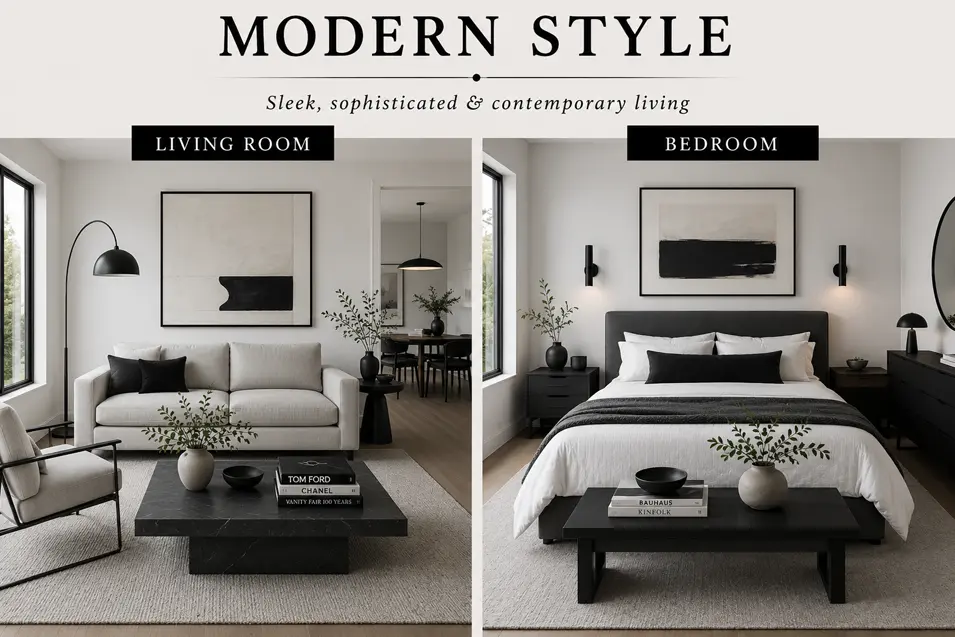
While modern interiors can vary, several defining features appear consistently throughout the style.
Clean Lines
One of the most recognizable characteristics of modern design is its emphasis on clean, straight lines.
Furniture, lighting, cabinetry, and architectural elements typically feature simple silhouettes without excessive ornamentation.
This creates a sense of order and visual calm throughout the home.
Open Spaces
Modern homes often embrace open floor plans and spacious layouts.
Rather than dividing rooms into separate formal areas, modern design encourages flow and connection between living spaces.
Open layouts also allow natural light to move freely throughout the home.
Functional Furniture
In modern design, furniture should be both attractive and useful.
Pieces are selected for their functionality, comfort, and quality rather than decorative detail.
Common examples include:
- Low-profile sofas
- Platform beds
- Streamlined dining tables
- Simple shelving systems
- Multifunctional furniture
Neutral Color Palettes
Modern interiors often rely on a restrained color palette.
Common colors include:
- White
- Beige
- Gray
- Black
- Taupe
- Natural wood tones
These neutral foundations help create a clean, uncluttered appearance while allowing architectural features and furnishings to stand out.
Natural Materials
Modern design frequently incorporates natural materials that add warmth and texture.
Popular choices include:
- Wood
- Stone
- Leather
- Glass
- Metal
- Linen
- Wool
These materials create visual interest without overwhelming the space.
Minimal Clutter
Modern interiors embrace simplicity and intentional living.
Rather than filling every surface with decorative objects, modern homes feature carefully selected pieces that serve a purpose or make a meaningful visual statement.
The result is a space that feels calm, organized, and easy to maintain.
The Philosophy Behind Modern Living
Modern style is about more than furniture and color palettes.
At its core, modern design supports intentional living.
Every item in a modern home is chosen thoughtfully. Rather than accumulating possessions, homeowners focus on keeping items that are functional, beautiful, or personally meaningful.
This approach often creates spaces that feel less stressful and more peaceful.
Modern living encourages homeowners to:
- Reduce unnecessary clutter
- Invest in quality over quantity
- Prioritize function
- Create calm environments
- Focus on simplicity
For many people, modern design reflects a lifestyle as much as a decorating preference.
Modern Style vs Contemporary Style
Modern and contemporary design are often confused, but they are not the same.
Modern Design
Modern design refers to a specific design movement and follows established principles such as:
- Clean lines
- Functional furniture
- Neutral colors
- Minimal decoration
Contemporary Design
Contemporary design refers to current design trends.
Because trends evolve over time, contemporary interiors can change significantly from one decade to the next.
Modern design remains relatively consistent, while contemporary design continually adapts.
Modern Style vs Minimalist Style
Modern and minimalist design share many similarities, but they are not identical.
Modern Design
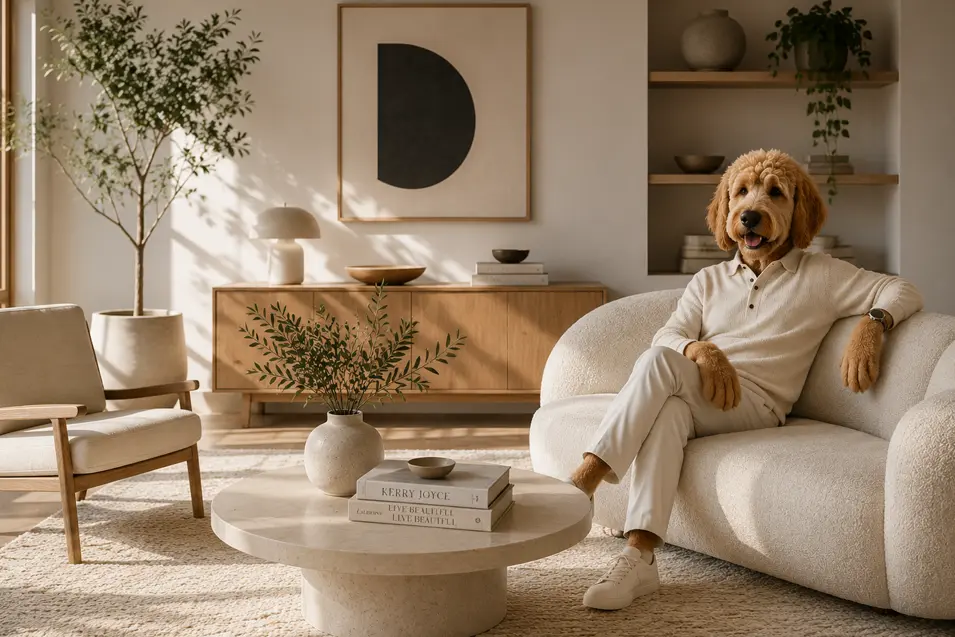
Modern interiors balance simplicity with comfort and warmth.
They often include:
- Texture
- Natural materials
- Comfortable furnishings
- Carefully chosen décor
Minimalist Design
Minimalism takes simplicity further.
Minimalist homes focus on reducing possessions and visual distractions as much as possible.
While all minimalist spaces are simple, not all modern spaces are minimalist.
Modern design generally feels warmer and more approachable than strict minimalism.
Is Modern Design Cold?
One of the most common misconceptions about modern design is that it feels cold or sterile.
In reality, modern interiors can be incredibly warm and inviting when texture and natural materials are used effectively.
Soft area rugs, wood furniture, layered lighting, comfortable seating, and natural fabrics help create warmth without sacrificing simplicity.
The best modern spaces feel comfortable, welcoming, and lived-in.
Is Modern Style Family and Pet Friendly?
Absolutely.
Modern interiors can work exceptionally well for families and pet owners because they often prioritize durability, practicality, and easy maintenance.
Pet-friendly modern design ideas include:
- Performance fabrics
- Washable rugs
- Durable flooring
- Built-in pet beds
- Hidden storage solutions
- Easy-to-clean furniture
Because modern spaces tend to contain fewer decorative accessories, there are often fewer items that can be knocked over or damaged by curious pets.
The key is choosing materials that support your lifestyle while maintaining the clean aesthetic of the style.
Who Should Choose Modern Style?
Modern design appeals to people who value:
- Simplicity
- Organization
- Functionality
- Clean aesthetics
- Open spaces
- Intentional living
You may enjoy modern style if you prefer uncluttered rooms, practical furniture, and a calm home environment.
It is especially popular among professionals, families seeking low-maintenance interiors, and homeowners who appreciate timeless design.
How to Bring Modern Style Into Your Home
You don’t need to renovate your entire house to embrace modern design.
Small changes can have a significant impact.
Consider:
- Removing unnecessary clutter
- Choosing furniture with simple lines
- Using a neutral color palette
- Adding natural materials
- Improving lighting
- Creating open, functional layouts
- Selecting quality pieces that serve multiple purposes
Even a few thoughtful updates can help create a more modern atmosphere.
Common Modern Design Mistakes
While modern interiors appear simple, achieving the right balance can be challenging.
Avoid these common mistakes:
Making the Space Too Sparse
Modern does not mean empty.
Rooms should feel intentional, not unfinished.
Ignoring Texture
Without texture, modern interiors can feel flat.
Use wood, fabric, stone, and natural materials to add warmth and depth.
Choosing Style Over Comfort
Furniture should be comfortable as well as attractive.
A beautiful room should still be enjoyable to live in.
Following Trends Too Closely
Modern design is timeless.
Avoid decorating solely based on short-lived trends that may quickly feel dated.
Final Thoughts
Modern interior design continues to be one of the most popular decorating styles because it combines beauty, function, and simplicity.
By focusing on clean lines, thoughtful furniture choices, and intentional living, modern homes create spaces that feel organized, comfortable, and timeless.
Whether you’re redesigning a single room or decorating an entire home, modern style offers a practical approach that supports both everyday living and long-term enjoyment.
At its best, modern design isn’t about having less for the sake of having less. It’s about surrounding yourself with the things that truly matter while creating a home that feels calm, purposeful, and uniquely your own.