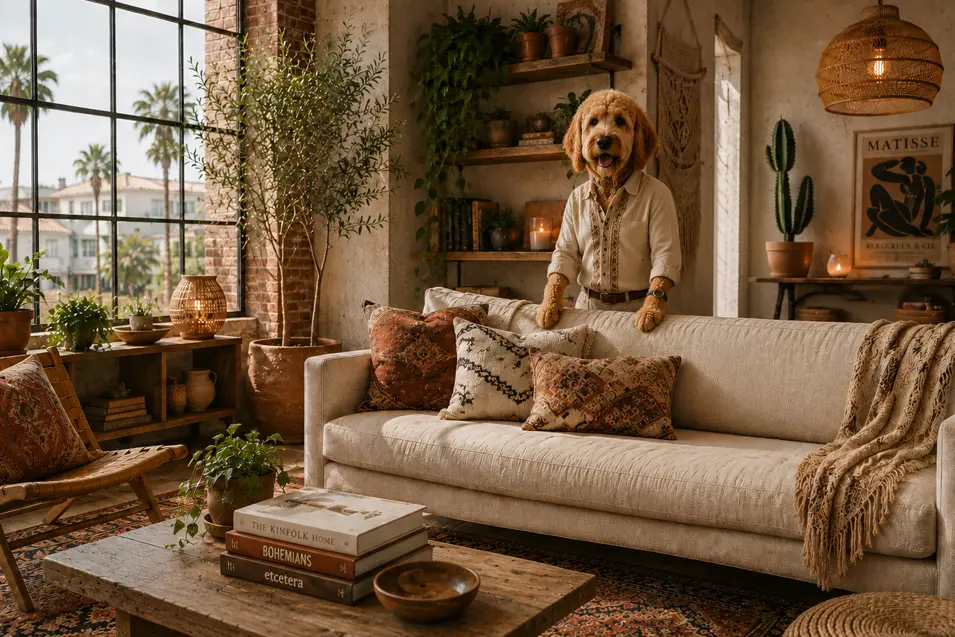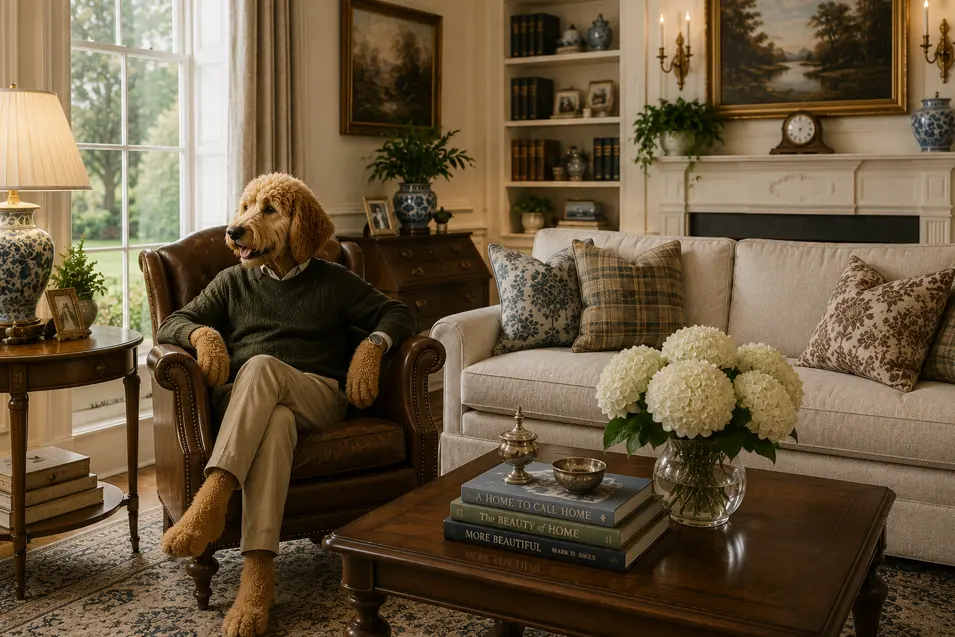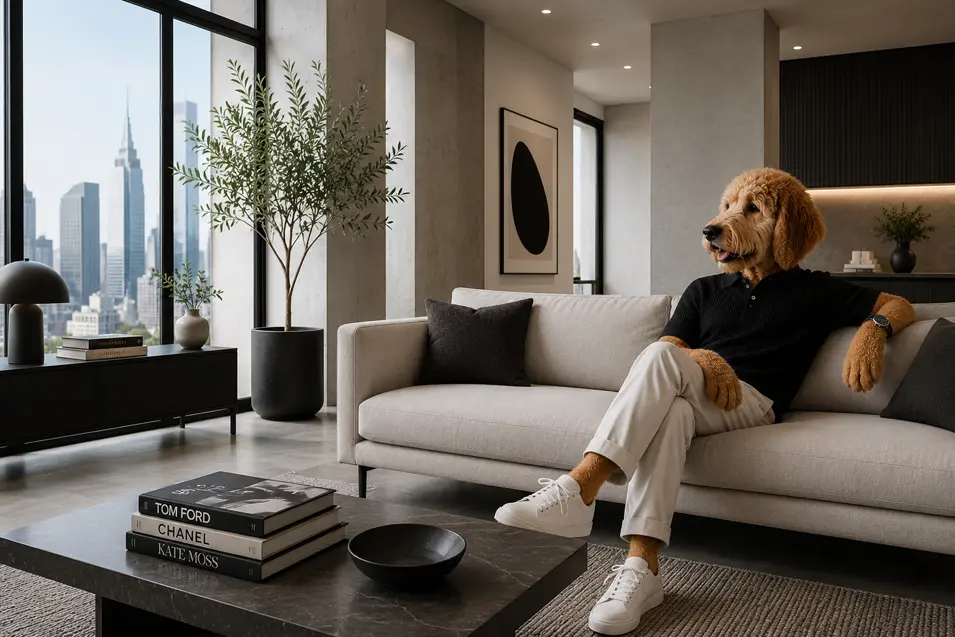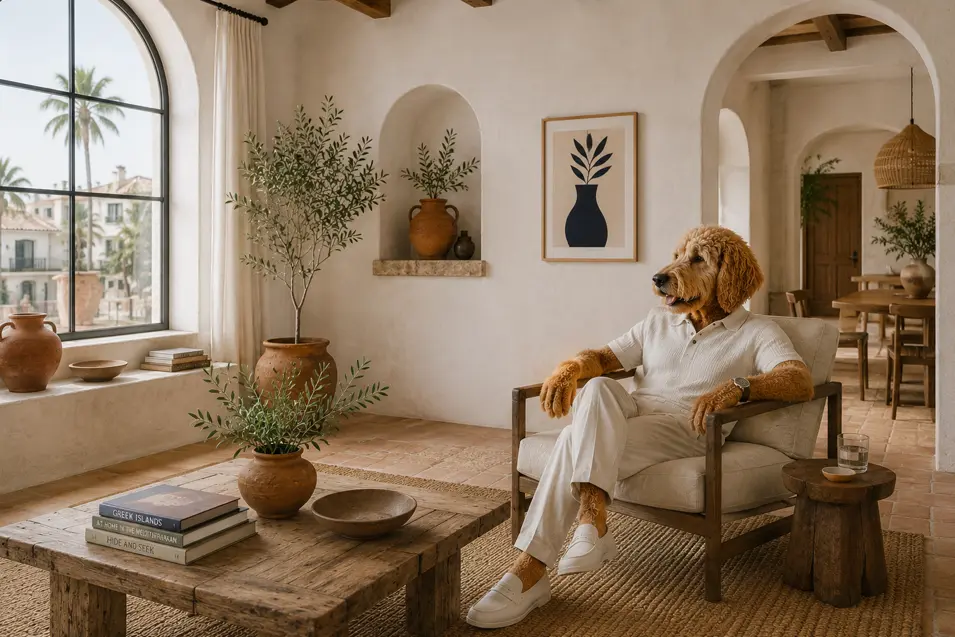
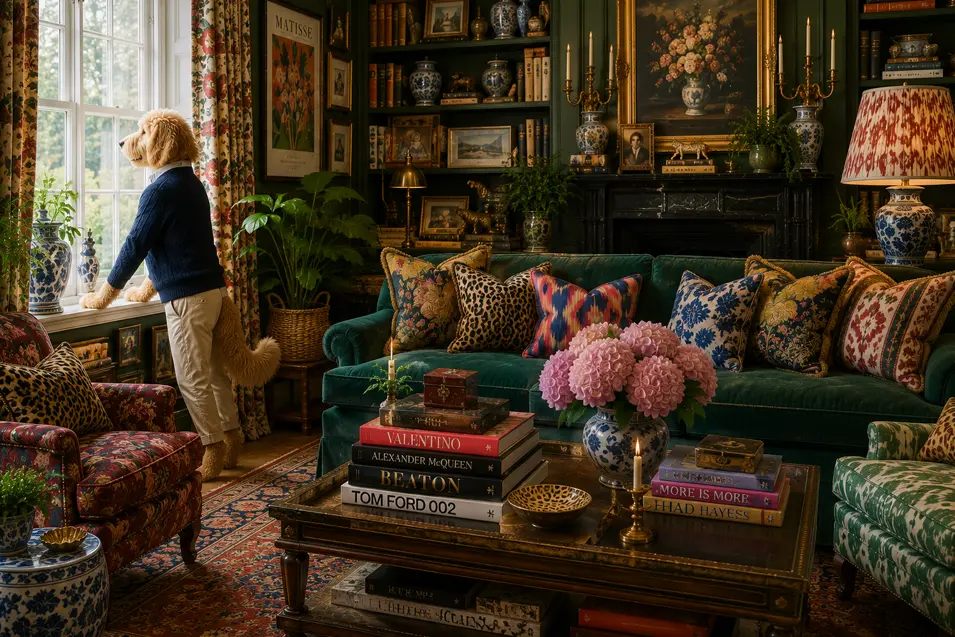
Maximalist design is a celebration of abundance, personality, and self-expression. While minimalist interiors embrace the philosophy of “less is more,” Maximalist style confidently declares that more can be more—when done thoughtfully.
Known for its rich layers of color, pattern, texture, artwork, and meaningful collections, Maximalist design creates spaces that feel vibrant, personal, and full of life. Rather than hiding individuality behind neutral palettes and pared-down décor, Maximalist interiors encourage homeowners to surround themselves with the things they love.
The result is a home that feels curated, expressive, and uniquely personal, where every room tells a story and every object has a place in the overall design narrative.
The Origins of Maximalist Design
Maximalism is not tied to a single historical period. Instead, it draws inspiration from centuries of richly decorated interiors, including Victorian homes, grand European estates, eclectic collections, and artistic movements that celebrated ornamentation and creativity.
In recent years, Maximalism has gained popularity as a response to the dominance of minimalist design. Many homeowners began seeking interiors that felt warmer, more personal, and less constrained by strict design rules.
Today, Maximalist interiors blend historical influences, contemporary design, and personal collections to create spaces that reflect individual tastes rather than current trends.
Key Characteristics of Maximalist Style
Several defining features help distinguish Maximalist interiors from other design styles.
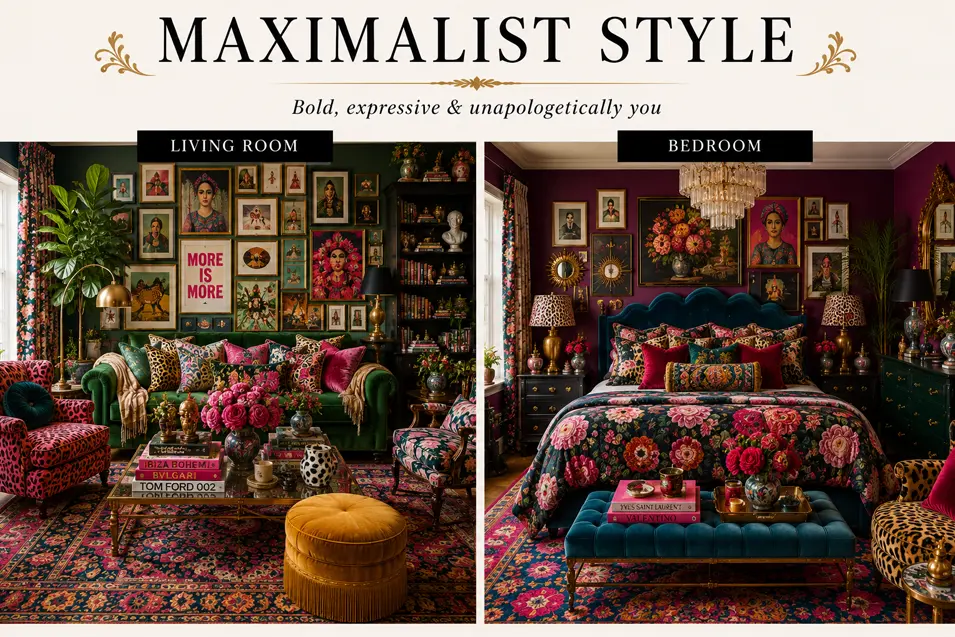
Bold Use of Color
Color is one of the most recognizable elements of Maximalist design.
Popular palettes may include:
- Emerald green
- Sapphire blue
- Deep burgundy
- Mustard yellow
- Coral
- Plum
- Gold accents
Unlike more restrained styles, Maximalism encourages homeowners to embrace color confidently and creatively.
Layered Patterns
Maximalist interiors often combine multiple patterns within a single room.
Florals, stripes, geometric prints, animal motifs, and traditional patterns can coexist when united by a thoughtful color palette or overall design vision.
The goal is visual richness rather than uniformity.
Collected and Curated Décor
Artwork, books, travel souvenirs, antiques, heirlooms, and personal collections frequently take center stage.
Maximalist homes often feel as though they have been assembled over time rather than purchased all at once.
These collections help create a deeply personal atmosphere.
Rich Textures
Texture plays a major role in creating depth and visual interest.
Velvet, linen, silk, leather, wood, metal, woven fibers, and decorative finishes are often layered throughout the space.
The combination of textures helps prevent rooms from feeling flat or overwhelming.
Statement Pieces
Maximalist interiors frequently feature eye-catching focal points.
These may include:
- Oversized artwork
- Bold wallpaper
- Dramatic lighting
- Unique furniture
- Colorful rugs
Every room typically includes elements designed to capture attention and spark conversation.
Why Homeowners Love Maximalist Design
One reason Maximalism has gained popularity is that it allows homeowners to fully express their personalities.
Unlike highly structured styles, Maximalist design encourages individuality and creativity. It embraces the idea that homes should reflect the people who live in them rather than conform to a specific formula.
Many homeowners also appreciate the warmth and character of Maximalist spaces. Collections, artwork, and meaningful objects help create interiors that feel lived-in and authentic.
How to Bring Maximalist Style Into Your Home
Creating a Maximalist interior begins with embracing what you love.
Start by displaying artwork, books, collections, and decorative pieces that have personal meaning. Introduce color through paint, textiles, or statement furniture, and don’t be afraid to mix patterns and textures.
The key is intentional layering. While Maximalism celebrates abundance, successful spaces still feel curated rather than chaotic.
Focus on creating visual connections between colors, materials, and objects to maintain a sense of harmony throughout the room.
Maximalist vs. Minimalist Design
The contrast between these two styles is often dramatic.
Minimalist interiors emphasize simplicity, restraint, and carefully edited spaces. Maximalist design embraces abundance, personal collections, and layered visual interest.
While Minimalism seeks calm through reduction, Maximalism creates excitement through richness and expression.
Neither approach is inherently better—the choice comes down to personal preference and lifestyle.
Maximalist vs. Eclectic Design
Although the two styles share similarities, they are not identical.
Eclectic design focuses on thoughtfully blending different styles while maintaining balance and cohesion. Maximalist interiors often push boundaries further, embracing bold color, layered décor, and a stronger sense of visual abundance.
Think of Eclectic as carefully mixed and Maximalist as joyfully abundant.
Is Maximalist Style Right for You?
Maximalist design is ideal for homeowners who love color, creativity, collections, and interiors filled with personality. Its emphasis on self-expression allows people to create spaces that feel unique, memorable, and deeply personal.
Whether embraced throughout an entire home or introduced through a few bold design choices, Maximalism offers a refreshing alternative to more restrained decorating styles.
As Scout discovered while exploring a room filled with vibrant colors, layered textures, and fascinating collections, Maximalist design proves that sometimes the most interesting homes are the ones that tell the biggest stories.