Some interior design trends come and go, but others resonate because they reflect the way people want to live. Japandi is one of those rare styles. Combining the simplicity of Japanese design with the warmth and functionality of Scandinavian interiors, Japandi has become one of the most sought-after decorating styles for homeowners looking to create calm, comfortable, and timeless living spaces.
At first glance, Japanese and Scandinavian design may seem worlds apart. One evolved from centuries-old traditions in Japan, while the other emerged from the practical lifestyles of Northern Europe. Yet both share a deep appreciation for craftsmanship, natural materials, and the belief that beauty should serve a purpose. Together, they create a style that feels balanced, inviting, and effortlessly sophisticated.
The Origins of Japandi
The term “Japandi” is a blend of the words Japanese and Scandinavian. While the name itself is relatively new, the design philosophies behind it have existed for generations.
Japanese interiors are rooted in simplicity, harmony, and a strong connection to nature. Traditional Japanese homes often feature clean lines, uncluttered spaces, natural wood, and an emphasis on mindfulness. The concept of wabi-sabi—finding beauty in imperfection and authenticity—plays an important role in Japanese design.
Scandinavian design, which gained popularity throughout the twentieth century, focuses on functionality, comfort, and simplicity. Light-filled spaces, practical furniture, and natural materials help create homes that feel warm and welcoming despite the long Nordic winters.
When these two approaches are combined, the result is Japandi: a style that embraces minimalism without feeling cold and comfort without feeling cluttered.
Key Characteristics of Japandi Style
While every home is unique, several defining features help distinguish Japandi interiors from other design styles.
Natural Materials
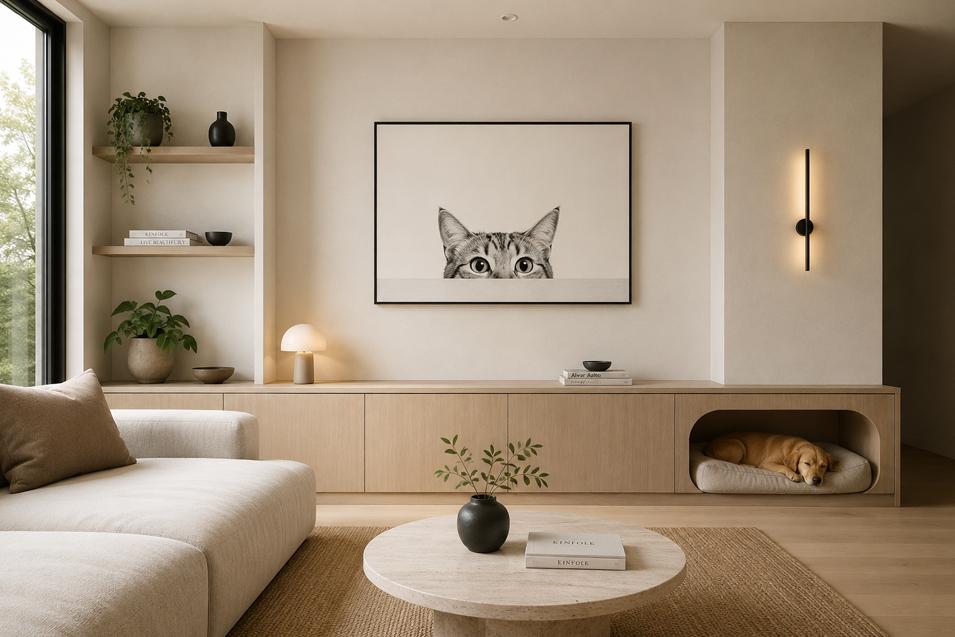
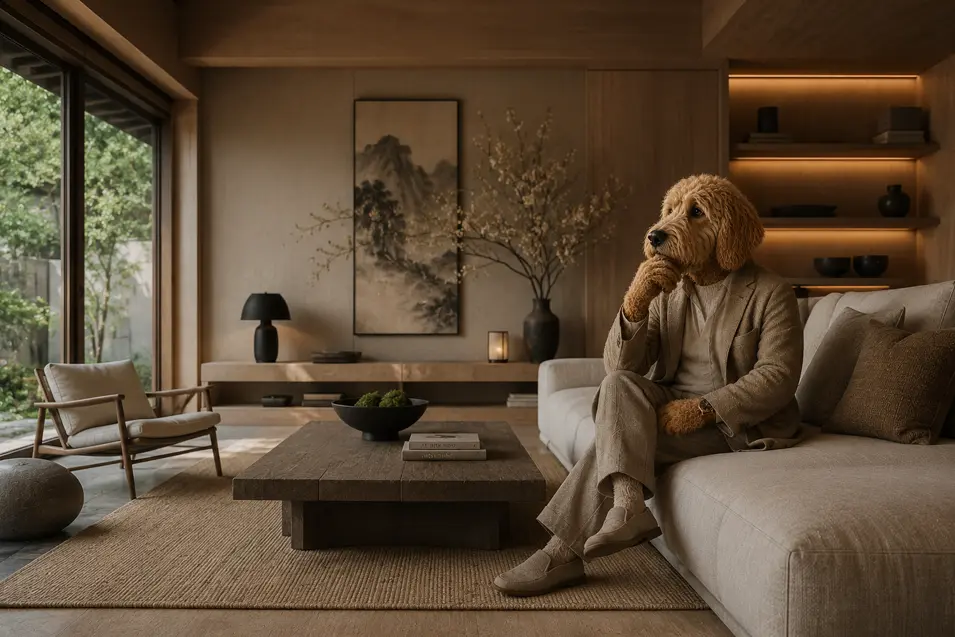
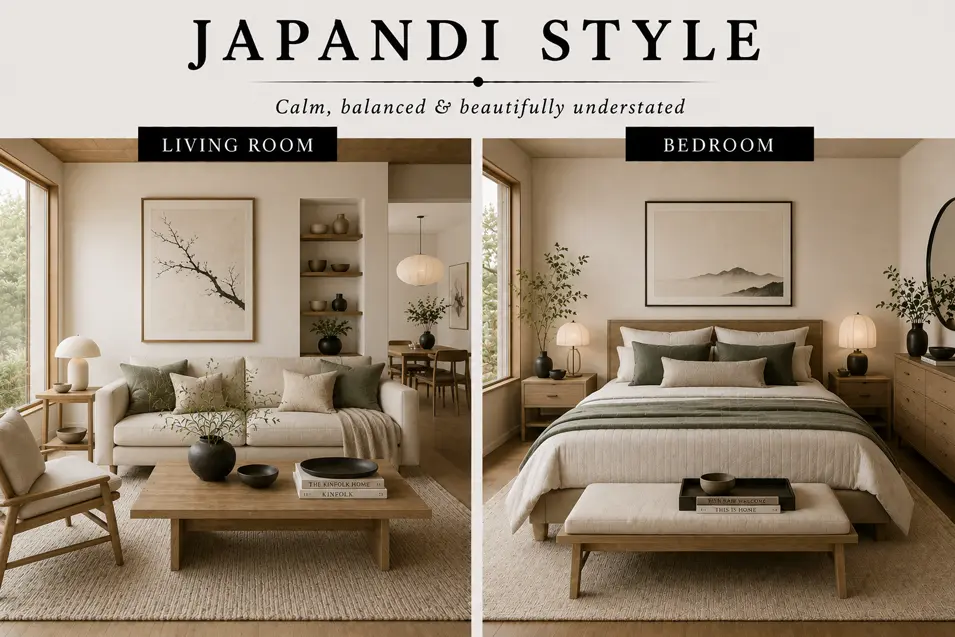
Wood is one of the most important elements of Japandi design. Oak, walnut, ash, and bamboo are commonly used throughout the home, often paired with stone, linen, cotton, and ceramic accents.
Rather than relying on synthetic materials or flashy finishes, Japandi celebrates authenticity and craftsmanship.
Neutral Color Palettes
Japandi interiors are typically built around soft, calming colors. Warm whites, beige, taupe, gray, charcoal, and muted earth tones create a peaceful atmosphere that allows natural textures and architectural details to stand out.
Dark accents are often incorporated to add contrast and visual depth.
Clean Lines
Furniture and architectural details tend to feature simple, uncluttered forms. Decorative excess is avoided in favor of pieces that are both functional and beautiful.
The goal is not to create empty spaces, but rather to eliminate distractions and allow each element to serve a purpose.
Quality Over Quantity
Japandi emphasizes intentional living. Instead of filling a room with furniture and decorative accessories, homeowners focus on a carefully curated collection of well-made pieces.
Every item should contribute to the overall aesthetic while serving a practical function.
Connection to Nature
Large windows, natural light, indoor plants, and organic textures help strengthen the relationship between indoor and outdoor environments. Japandi spaces often feel grounded and peaceful because they maintain a strong connection to the natural world.
Why Homeowners Love Japandi
One reason Japandi has become so popular is that it offers a welcome alternative to the fast-paced, clutter-filled environments many people experience every day.
Modern life can feel overwhelming. Constant notifications, busy schedules, and endless distractions make it difficult to relax and recharge. Japandi interiors are designed to do the opposite.
By simplifying the environment and focusing on quality, comfort, and natural beauty, the style creates spaces that encourage mindfulness and relaxation.
Many homeowners also appreciate that Japandi is highly versatile. It works equally well in urban apartments, suburban homes, mountain retreats, and contemporary new builds.
Decorating a Japandi Home
Creating a Japandi-inspired space does not require a complete renovation. Small changes can often make a significant difference.
Start by removing unnecessary clutter and focusing on the essentials. Choose furniture with clean lines and natural finishes. Incorporate organic materials such as wood, stone, linen, and ceramics. Select a restrained color palette built around warm neutrals and muted earth tones.
Lighting is equally important. Maximize natural light whenever possible and choose fixtures that provide soft, warm illumination.
Finally, resist the temptation to over-decorate. Japandi spaces feel successful because every item has room to breathe.
Is Japandi Right for You?
Japandi may be the perfect fit if you appreciate calm, organized environments and prefer quality over quantity. It appeals to homeowners who value craftsmanship, simplicity, and timeless design rather than constantly changing trends.
While some minimalist interiors can feel stark or impersonal, Japandi strikes a balance between simplicity and comfort. The result is a home that feels welcoming, functional, and deeply connected to everyday living.
As Scout discovered while exploring this style, Japandi proves that simplicity doesn’t have to mean sacrificing warmth. Sometimes the most beautiful rooms are the ones that give us space to slow down, relax, and appreciate the things that matter most.