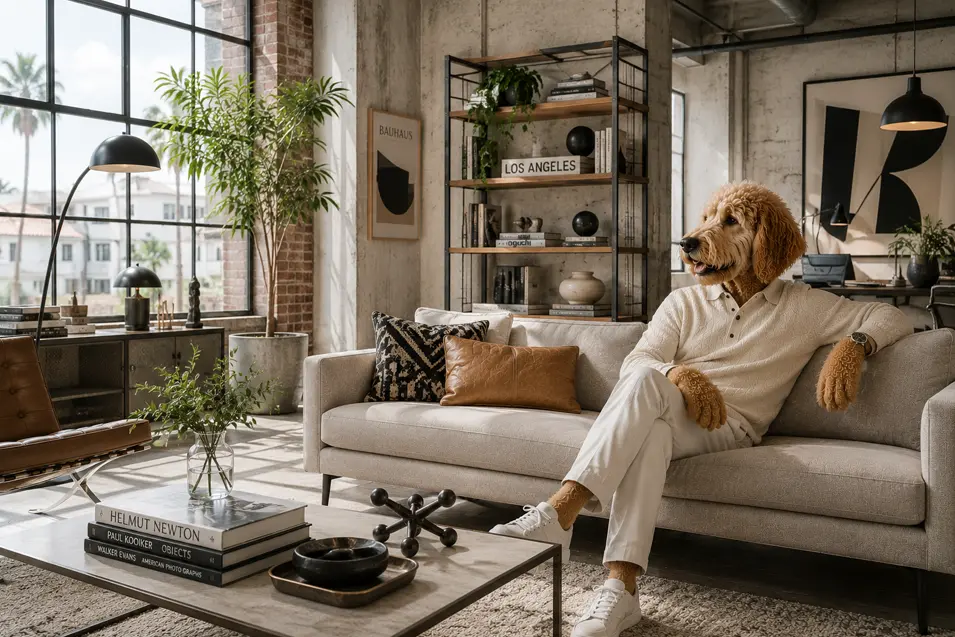
Industrial design is one of the most recognizable interior styles, known for its raw materials, open spaces, and understated urban character. Inspired by converted factories, warehouses, and industrial buildings, the style celebrates architectural elements that many other design approaches attempt to conceal. Exposed brick, steel beams, concrete surfaces, and visible ductwork become defining features rather than imperfections.
What began as a practical solution for repurposing old industrial buildings has evolved into a popular design movement embraced by homeowners around the world. Today, Industrial interiors blend rugged architectural details with modern furnishings and comfortable living spaces, creating homes that feel both stylish and authentic.
For those who appreciate simplicity, craftsmanship, and a touch of urban sophistication, Industrial design offers a timeless and highly distinctive aesthetic.
The Origins of Industrial Design
Industrial style traces its roots to the mid-20th century when abandoned factories and warehouses in major cities were transformed into residential lofts. Artists, entrepreneurs, and young professionals were drawn to these spaces because of their affordability, large open floor plans, and unique architectural features.
Rather than covering exposed brick walls, steel columns, and concrete floors, early loft owners embraced them. The result was a design style that celebrated function, utility, and the beauty of raw materials.
Over time, Industrial design evolved from a necessity into a highly sought-after aesthetic that continues to influence contemporary architecture and interior design.
Key Characteristics of Industrial Style
Several defining elements make Industrial interiors instantly recognizable.
Exposed Architectural Features
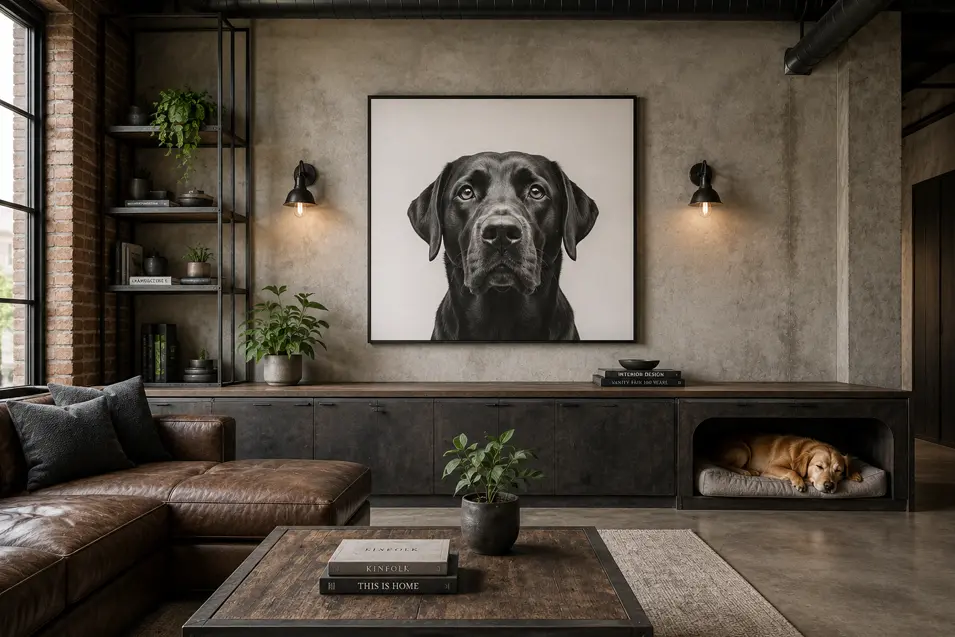
Industrial design embraces the building itself. Brick walls, steel beams, concrete surfaces, pipes, ductwork, and structural elements are often left visible to showcase the character and history of the space.
These features provide texture and authenticity while creating visual interest.
Raw and Natural Materials
Materials play a central role in Industrial interiors. Wood, steel, iron, concrete, leather, and glass are commonly used throughout the home.
The focus is on honest materials that reveal their natural beauty rather than hiding behind decorative finishes.
Open Floor Plans
Industrial spaces often feature expansive layouts with minimal visual barriers. Large rooms, high ceilings, and oversized windows help create an airy atmosphere while maximizing natural light.
This openness contributes to the style’s distinctive loft-like feel.
Neutral Color Palettes
Industrial interiors typically rely on shades of gray, black, brown, white, and other earthy tones. These colors complement the raw materials used throughout the space while maintaining a clean and cohesive appearance.
Occasional accents of deep blue, forest green, or rust can add warmth and personality.
Functional Furnishings
Furniture in Industrial spaces is generally practical and straightforward. Pieces often combine metal and wood, emphasizing durability and craftsmanship over ornamentation.
The overall aesthetic favors simplicity and purpose.
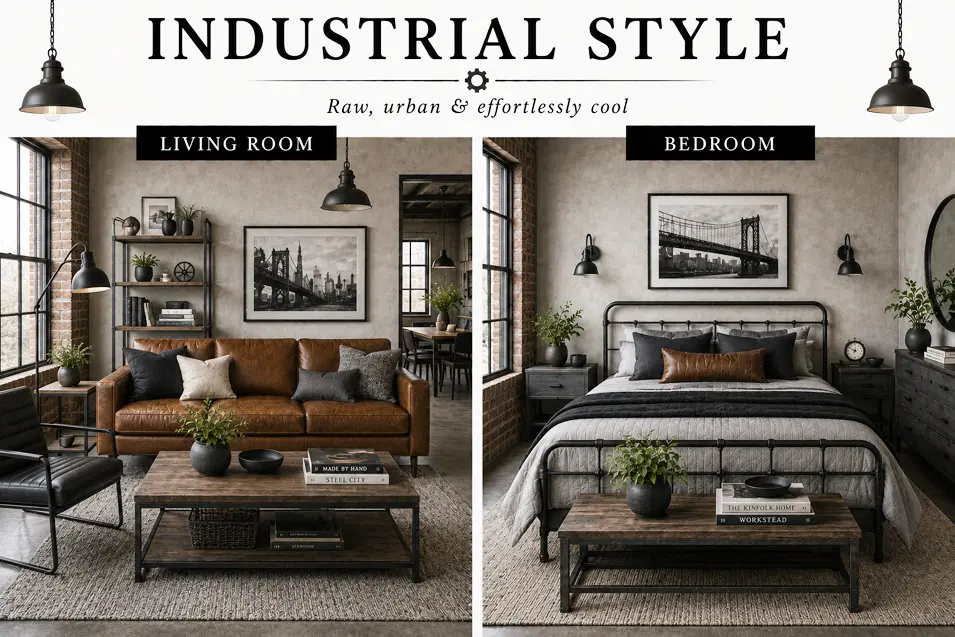
Why Homeowners Love Industrial Design
One of the biggest appeals of Industrial style is its authenticity. Rather than relying on decorative excess, the design celebrates materials, architecture, and craftsmanship.
Many homeowners are also drawn to the versatility of Industrial interiors. The style pairs well with Modern, Rustic, Contemporary, and even Mid-Century Modern influences, allowing homeowners to personalize the look while maintaining its core character.
Industrial design also ages well. Brick, steel, wood, and concrete tend to develop even more character over time, making the style feel timeless rather than trendy.
How to Bring Industrial Style Into Your Home
You don’t need a converted warehouse to incorporate Industrial design into your living space.
Start by introducing natural wood and metal furnishings. Open shelving, steel-framed furniture, reclaimed wood tables, and leather seating can instantly create an Industrial-inspired atmosphere.
Lighting is another important element. Oversized pendant lights, exposed bulbs, black metal fixtures, and vintage-inspired designs help reinforce the style’s urban roots.
Textiles should add warmth without overwhelming the space. Area rugs, woven throws, and soft cushions can help balance the harder surfaces commonly found in Industrial interiors.
Industrial vs. Neo-Industrial
While the two styles share many similarities, Neo-Industrial offers a more refined interpretation of traditional Industrial design.
Classic Industrial interiors embrace rugged materials and warehouse-inspired aesthetics. Neo-Industrial softens the look by incorporating warmer colors, more comfortable furnishings, and a greater emphasis on luxury and livability.
Think of Industrial as a converted factory loft and Neo-Industrial as a contemporary urban residence inspired by industrial architecture.
Is Industrial Style Right for You?
Industrial design is ideal for homeowners who appreciate simplicity, architectural character, and materials that tell a story. Its combination of raw beauty and practical functionality creates spaces that feel grounded, authentic, and effortlessly stylish.
Whether used throughout an entire home or introduced through carefully selected furniture and décor, Industrial design offers a timeless aesthetic that continues to resonate with modern lifestyles.
As Scout discovered while exploring exposed brick walls and steel-framed windows, Industrial style proves that sometimes the most beautiful design elements are the ones that were never meant to be hidden.