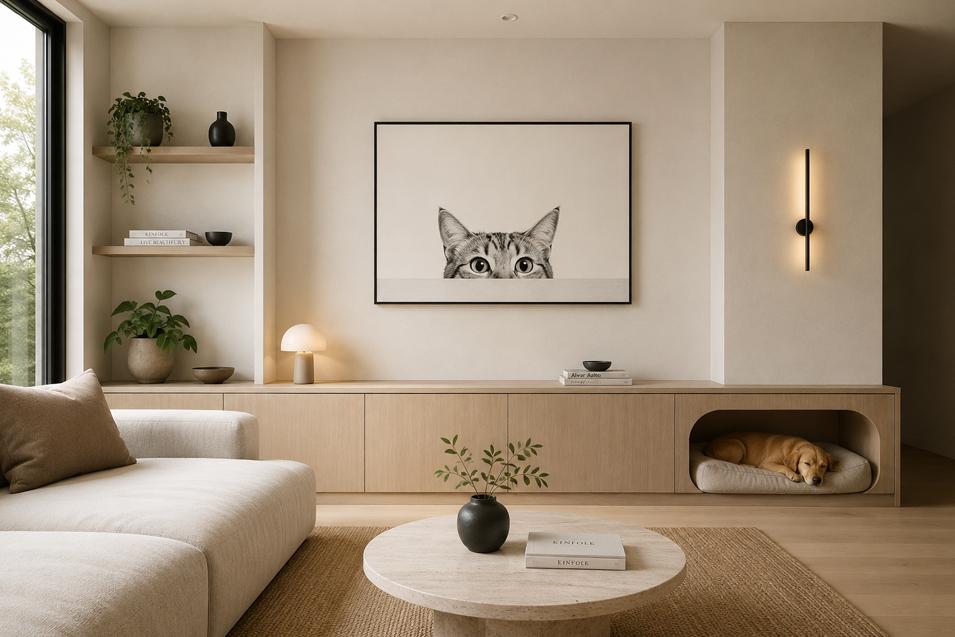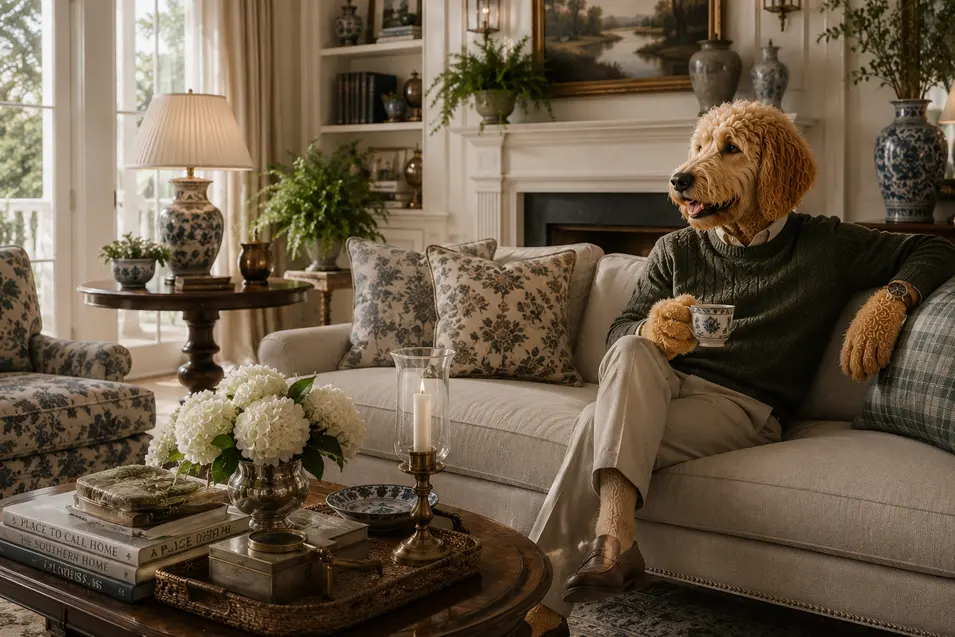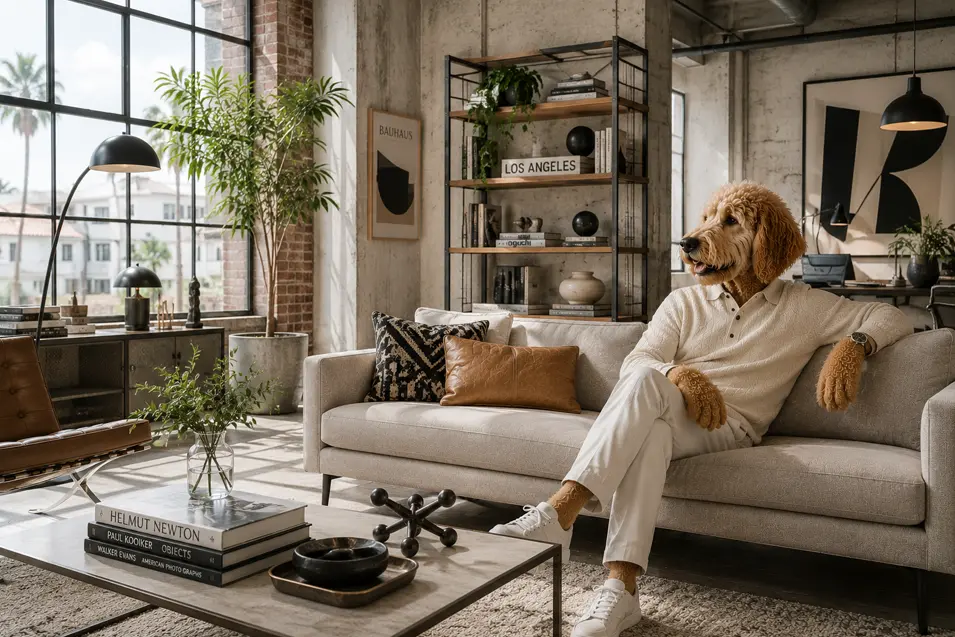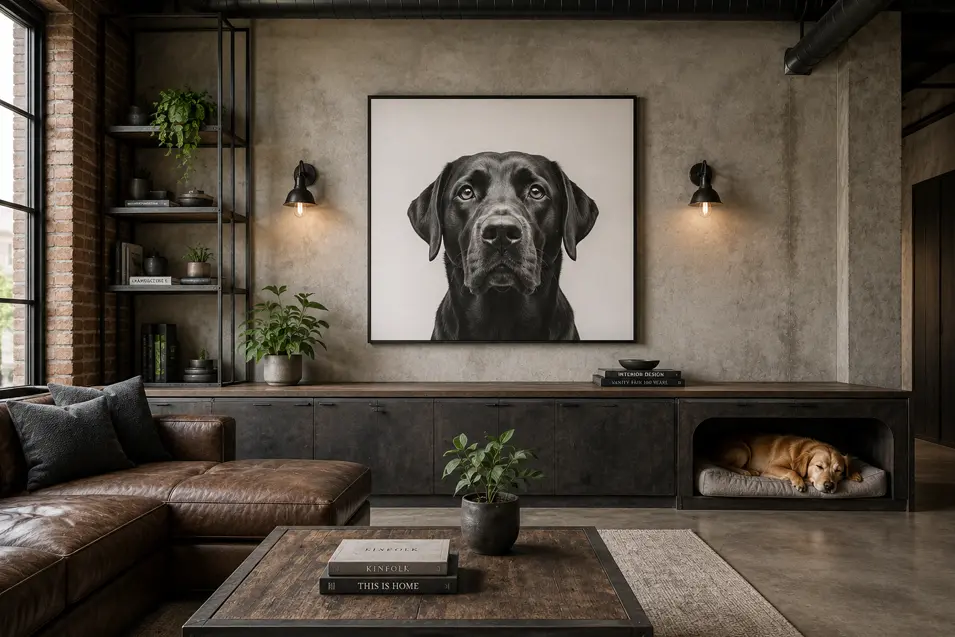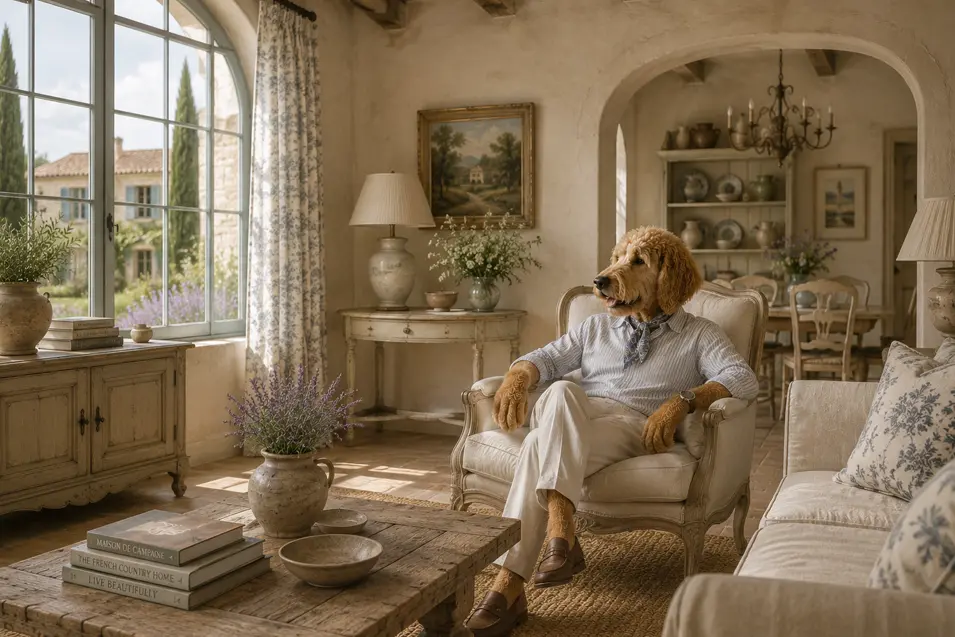
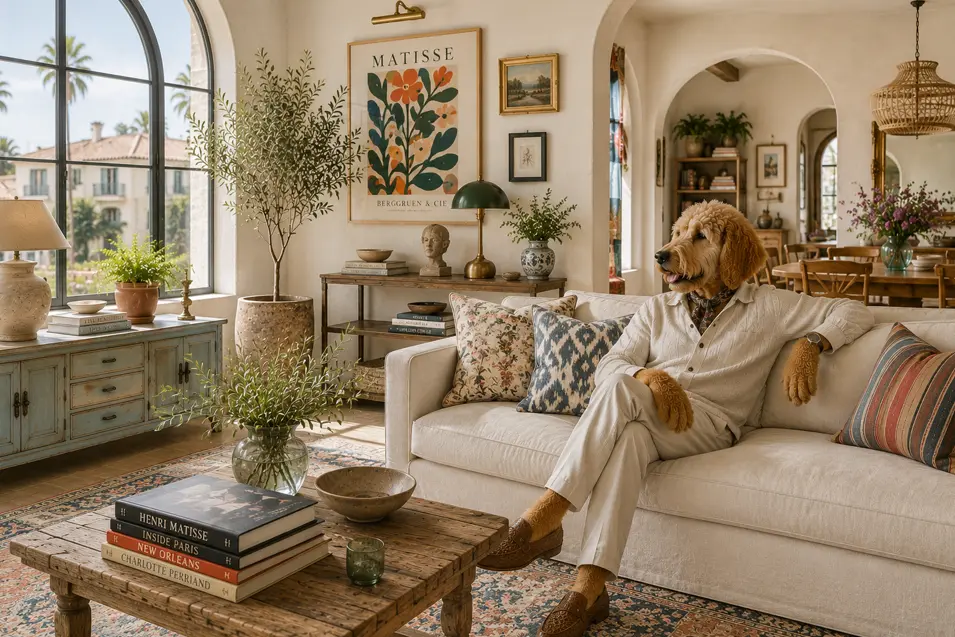
Eclectic style is all about thoughtful self-expression. Rather than following a single design philosophy, Eclectic interiors blend elements from multiple styles, time periods, and influences to create spaces that feel unique, balanced, and deeply personal.
At first glance, Eclectic design may appear effortless or even spontaneous, but successful Eclectic interiors are carefully curated. The style allows homeowners to mix vintage and modern furnishings, combine different textures and materials, and showcase meaningful collections while maintaining a cohesive overall look.
The result is a home that reflects individual personality and creativity rather than strict decorating rules.
The Origins of Eclectic Design
The term “eclectic” comes from the Greek word eklektikos, meaning “to choose the best.” In design, Eclectic style emerged as homeowners and designers began moving away from rigid decorating traditions and embraced the freedom to combine elements from various sources.
Throughout the twentieth century, global travel, cultural exchange, and increased access to diverse furnishings and décor encouraged more personalized interiors. Rather than committing to a single style, people began selecting pieces they loved and incorporating them into their homes regardless of origin or period.
Today, Eclectic design remains one of the most flexible and creative approaches to decorating.
Key Characteristics of Eclectic Style
Several defining features help distinguish Eclectic interiors from simple mismatched decorating.
A Mix of Design Styles
Eclectic spaces often combine elements from different aesthetics, such as:
- Mid-Century Modern furniture
- Traditional artwork
- Industrial lighting
- Bohemian textiles
- Contemporary accessories
The magic lies in creating harmony between contrasting elements.
Curated Collections
Artwork, books, travel souvenirs, antiques, heirlooms, and decorative objects often play a significant role in Eclectic interiors.
These collections help tell a story while adding personality and visual interest throughout the home.
Layered Textures
Texture is one of the tools that helps unify an Eclectic space.
Wood, metal, glass, leather, linen, wool, stone, and woven materials are frequently layered together to create depth and balance.
The variety keeps rooms visually engaging.
Color with Purpose
While Eclectic interiors often incorporate color, successful designs typically rely on a cohesive palette to tie different elements together.
Color acts as a unifying thread that helps prevent the room from feeling chaotic.
Balance and Contrast
One of the defining characteristics of Eclectic design is the intentional use of contrast.
Old and new, rustic and refined, bold and subtle elements often appear together, creating spaces that feel dynamic and interesting.
The goal is balance, not randomness.
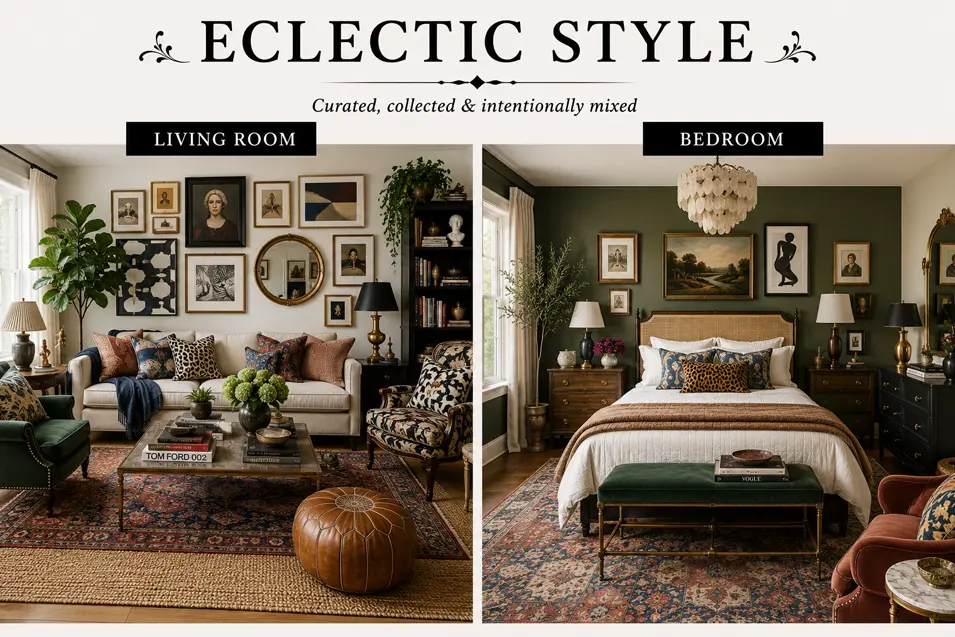
Why Homeowners Love Eclectic Design
One reason Eclectic style remains so popular is that it offers complete creative freedom.
Homeowners are not restricted to a single aesthetic or set of design rules. Instead, they can incorporate meaningful pieces, personal collections, and influences from different periods and cultures.
Many people also appreciate that Eclectic interiors evolve naturally over time. Rather than requiring a complete room makeover, new pieces can be added gradually as tastes and interests change.
The result often feels more authentic and personal than highly coordinated interiors.
How to Bring Eclectic Style Into Your Home
Creating an Eclectic interior starts with choosing pieces you genuinely love.
Mix furniture from different periods, combine a variety of textures, and display artwork or collections that reflect your personality. Look for common threads such as color, scale, or material to help unify the space.
Don’t be afraid to pair contrasting elements. A vintage cabinet may work beautifully alongside contemporary lighting, while a traditional rug can complement modern furniture.
The key is intentionality. Every piece should contribute to the overall story rather than simply filling space.
Eclectic vs. Bohemian Design
Although the two styles are often confused, they are not the same.
Bohemian design emphasizes artistic freedom, global influences, layered textiles, and a relaxed atmosphere. Eclectic design is generally more structured and curated, focusing on balancing different styles while maintaining visual cohesion.
Think of Bohemian as free-spirited and Eclectic as carefully composed.
Eclectic vs. Maximalist Design
Both styles embrace individuality, but Maximalist interiors often feature more color, pattern, and visual abundance.
Eclectic design can be bold, but it typically relies on greater restraint and organization. The emphasis is on blending styles harmoniously rather than filling every surface with visual interest.
Maximalism celebrates abundance, while Eclectic celebrates thoughtful combination.
Is Eclectic Style Right for You?
Eclectic design is ideal for homeowners who value creativity, flexibility, and personal expression. Its ability to combine diverse influences allows every home to feel unique and reflective of the people who live there.
Whether you’re mixing antiques with modern furnishings, displaying treasured collections, or blending multiple design styles, Eclectic interiors offer endless opportunities to create spaces that feel authentic and inspiring.
As Scout discovered while exploring a room filled with carefully chosen treasures, contrasting styles, and unexpected combinations, Eclectic design proves that great interiors don’t have to follow a single rulebook—they simply need to tell a compelling story.