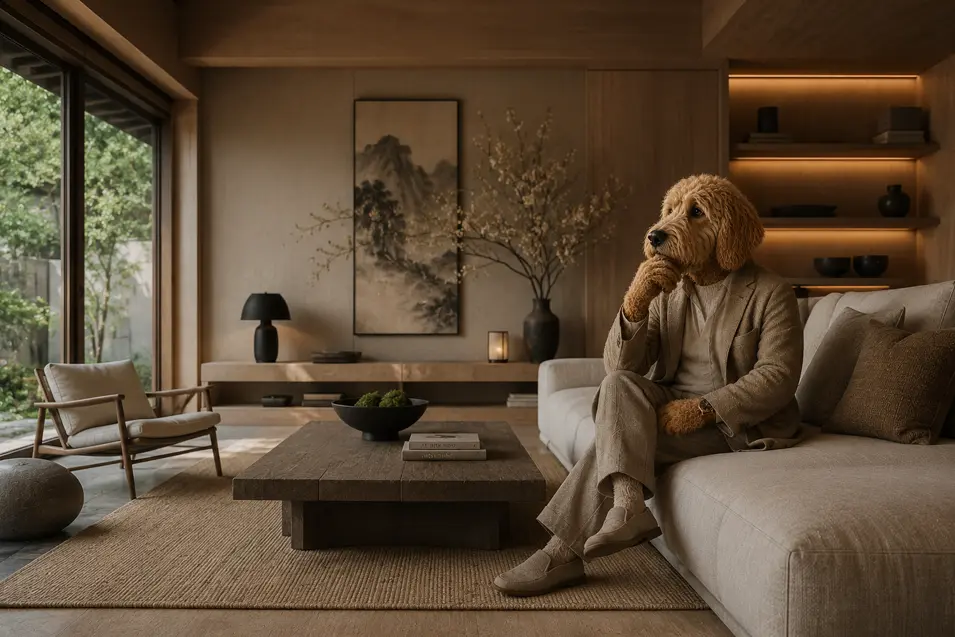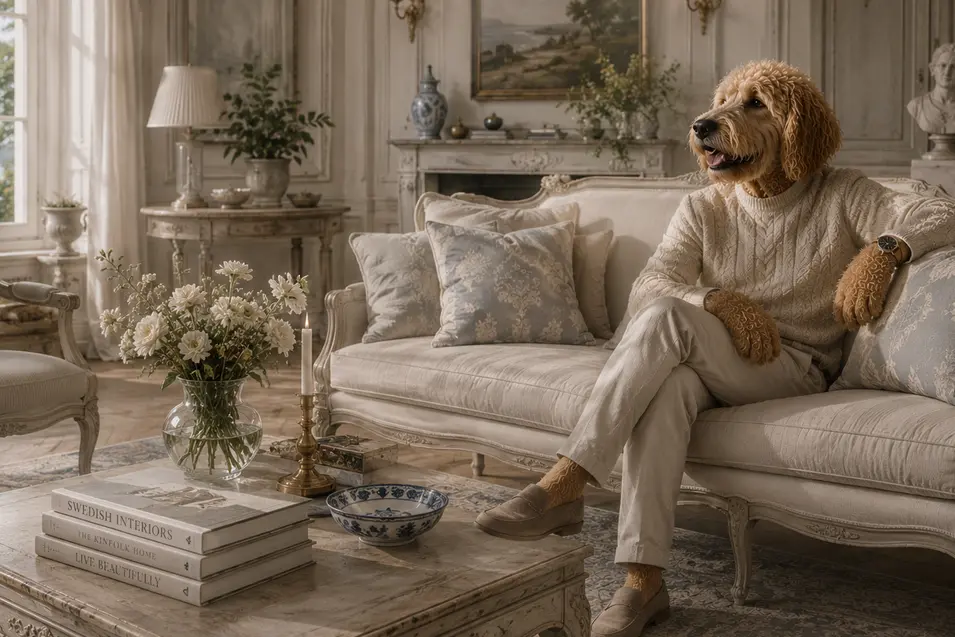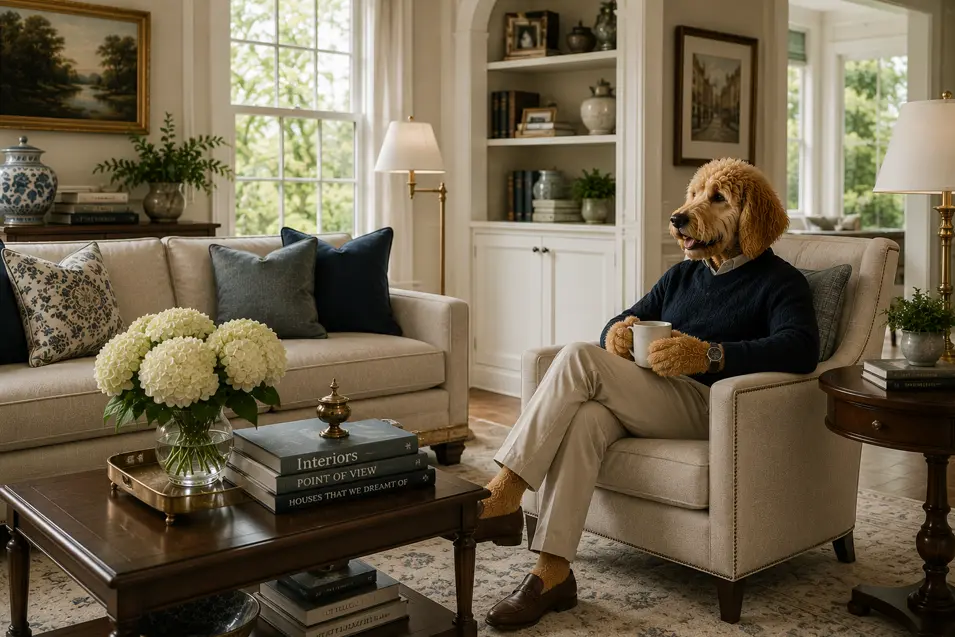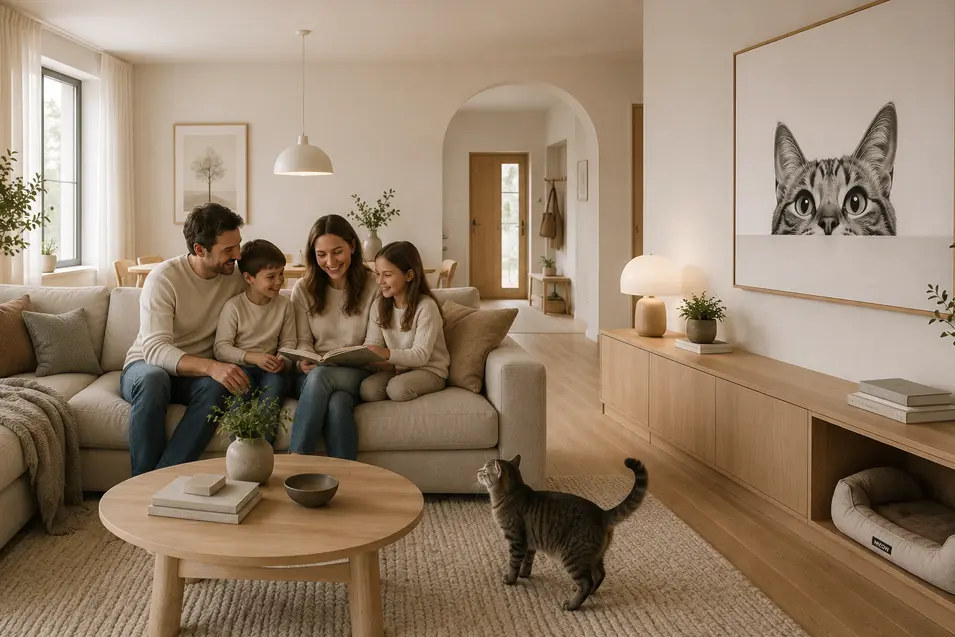
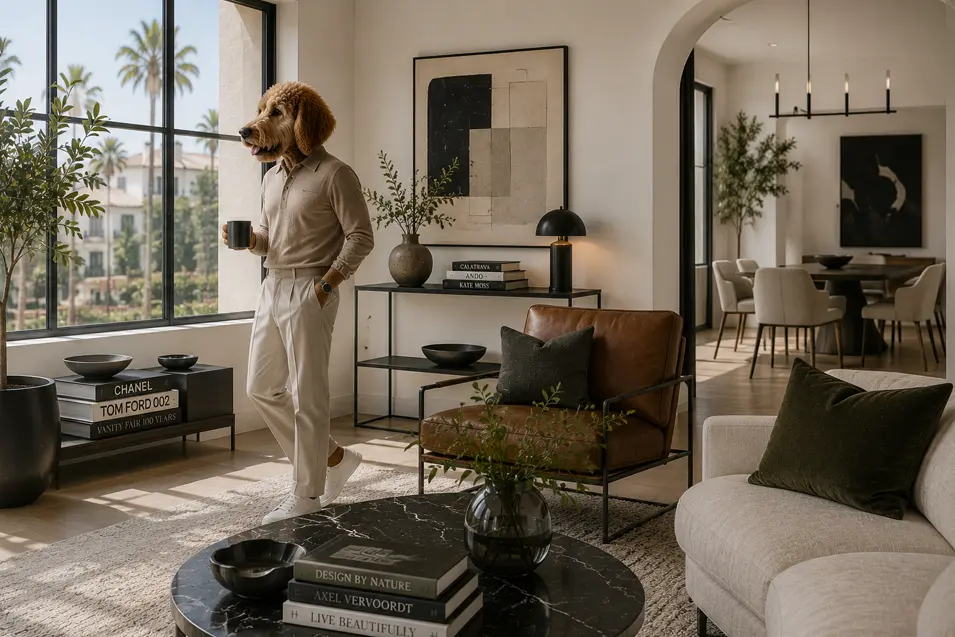
Contemporary design is one of the most popular interior styles today, yet it is also one of the most misunderstood. Many people use the terms “Contemporary” and “Modern” interchangeably, but they are not the same thing. While Modern design refers to a specific design movement that emerged in the early to mid-20th century, Contemporary design reflects the styles, influences, and innovations of the present moment.
Known for its clean lines, uncluttered spaces, and sophisticated simplicity, Contemporary design creates interiors that feel fresh, functional, and effortlessly elegant. The style embraces comfort and practicality while maintaining a polished appearance, making it an ideal choice for homeowners who appreciate both beauty and livability.
Rather than following strict design rules, Contemporary interiors evolve over time, adapting to changing lifestyles and emerging trends while maintaining a commitment to simplicity and balance.
The Origins of Contemporary Design
Unlike many historic design styles, Contemporary design is not tied to a single period or movement. Instead, it reflects the design preferences of the current era.
The style draws inspiration from several influential movements, including Modernism, Minimalism, Scandinavian design, and even Industrial architecture. As these influences evolved, designers began blending their best elements to create spaces that felt current, comfortable, and highly functional.
Because Contemporary design continues to change, what was considered contemporary twenty years ago may look very different from today’s interpretations. This flexibility is one of the reasons the style remains so popular.
Key Characteristics of Contemporary Style
While Contemporary interiors evolve over time, several defining features consistently appear throughout the style.
Clean Lines and Simple Forms
Contemporary spaces emphasize streamlined furniture, uncluttered layouts, and architectural simplicity. Decorative details are kept to a minimum, allowing shapes, textures, and materials to take center stage.
The goal is to create a sense of openness and visual calm.
Open and Airy Spaces
Contemporary homes often feature open floor plans that maximize natural light and encourage a seamless flow between living areas. Large windows, high ceilings, and spacious layouts help create an environment that feels bright and welcoming.
This openness contributes to the relaxed sophistication associated with the style.
Neutral Color Palettes
Many Contemporary interiors rely on neutral foundations such as white, beige, gray, taupe, and black. These colors create a clean backdrop while allowing furniture, artwork, and architectural features to stand out.
Accent colors may be introduced through artwork, textiles, or statement pieces, but they are typically used with restraint.
Natural Light and Texture
Contemporary design prioritizes natural light whenever possible. Large windows, glass doors, and open layouts help brighten interiors and create a connection to the outdoors.
Texture also plays an important role. Wood, stone, metal, linen, and other natural materials add warmth and depth without overwhelming the space.
Thoughtful Simplicity
Contemporary interiors avoid unnecessary clutter. Furnishings and décor are carefully selected, ensuring that every piece serves a purpose while contributing to the overall design.
The result feels intentional rather than sparse.
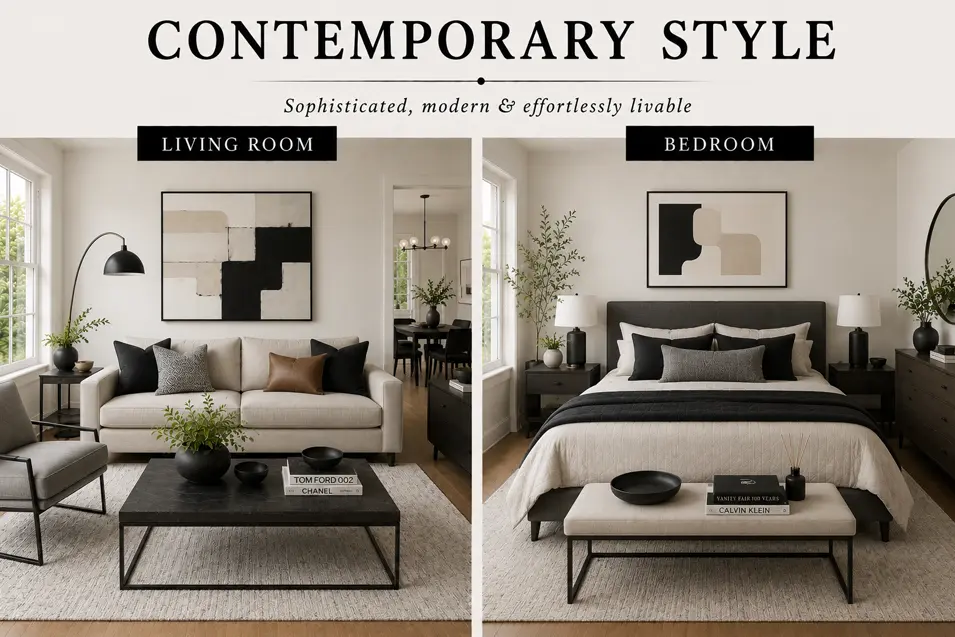
Contemporary vs. Modern Design
One of the most common misconceptions in interior design is confusing Contemporary and Modern styles.
Modern design refers to a specific design movement that emerged during the early and mid-20th century. It is characterized by clean lines, functional forms, and iconic furniture associated with the Modernist era.
Contemporary design, on the other hand, reflects current design preferences. It evolves over time and often incorporates influences from multiple styles, including Modern, Scandinavian, Minimalist, and Industrial design.
In simple terms, Modern design belongs to a specific historical period, while Contemporary design is always changing to reflect the present.
Why Homeowners Love Contemporary Style
Contemporary design appeals to homeowners because it offers flexibility without sacrificing sophistication.
The style feels polished yet comfortable, making it suitable for a wide range of homes and lifestyles. Its emphasis on natural light, open spaces, and functional furnishings creates interiors that support modern living while remaining visually appealing.
Many homeowners also appreciate that Contemporary design serves as a neutral foundation that can be easily updated over time through accessories, artwork, and decorative accents.
How to Bring Contemporary Style Into Your Home
Creating a Contemporary interior begins with simplifying the space.
Choose furniture with clean lines and avoid excessive ornamentation. Focus on quality materials and a neutral color palette that promotes a sense of calm and balance.
Maximize natural light whenever possible and incorporate a variety of textures to prevent the space from feeling flat or sterile. Wood, stone, glass, metal, and textiles can all work together to create visual interest.
Decor should be intentional and carefully curated. Rather than filling shelves and surfaces with accessories, select a few meaningful pieces that complement the overall design.
Is Contemporary Style Right for You?
Contemporary design is ideal for homeowners who appreciate simplicity, flexibility, and modern comfort. It offers a clean and sophisticated aesthetic without feeling cold or overly minimalist.
Its adaptability makes it suitable for everything from city apartments and suburban homes to luxury residences and modern new builds. Whether used throughout an entire home or incorporated through individual rooms, Contemporary design provides a timeless framework that evolves with changing tastes and lifestyles.
As Scout discovered while exploring bright, open living spaces and thoughtfully curated interiors, Contemporary design proves that simplicity and comfort can coexist beautifully when every element has a purpose.