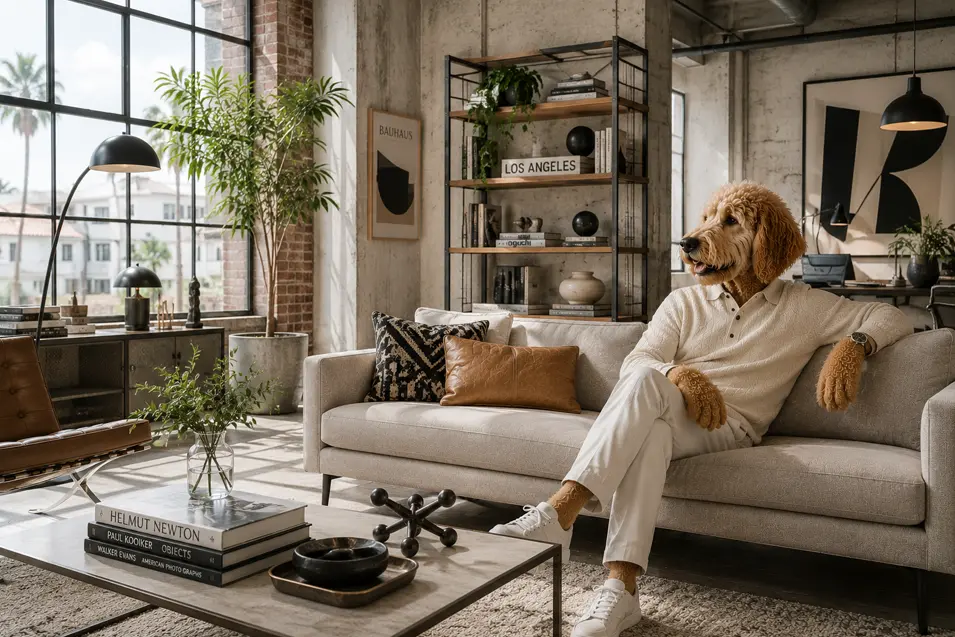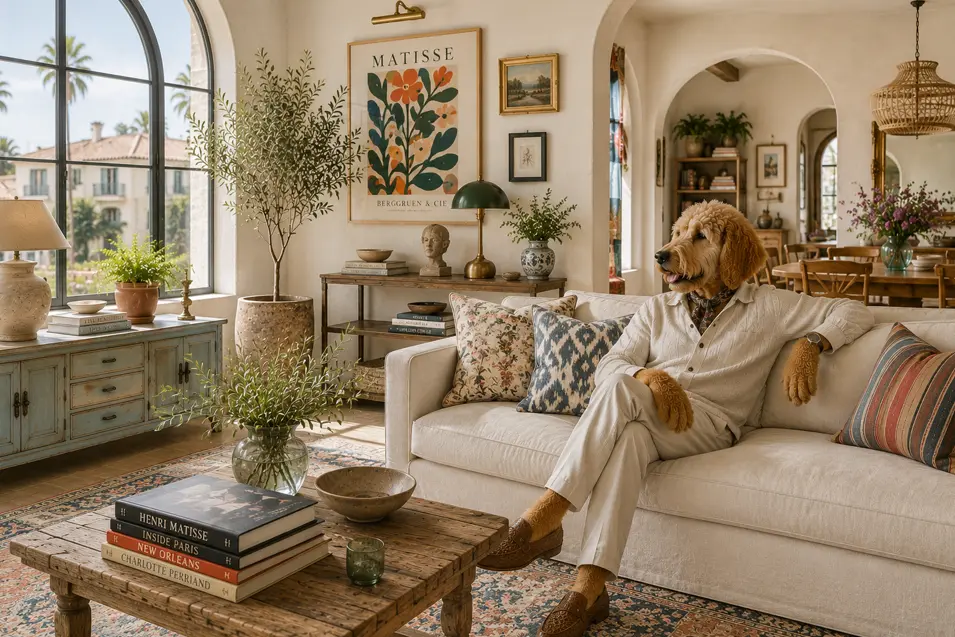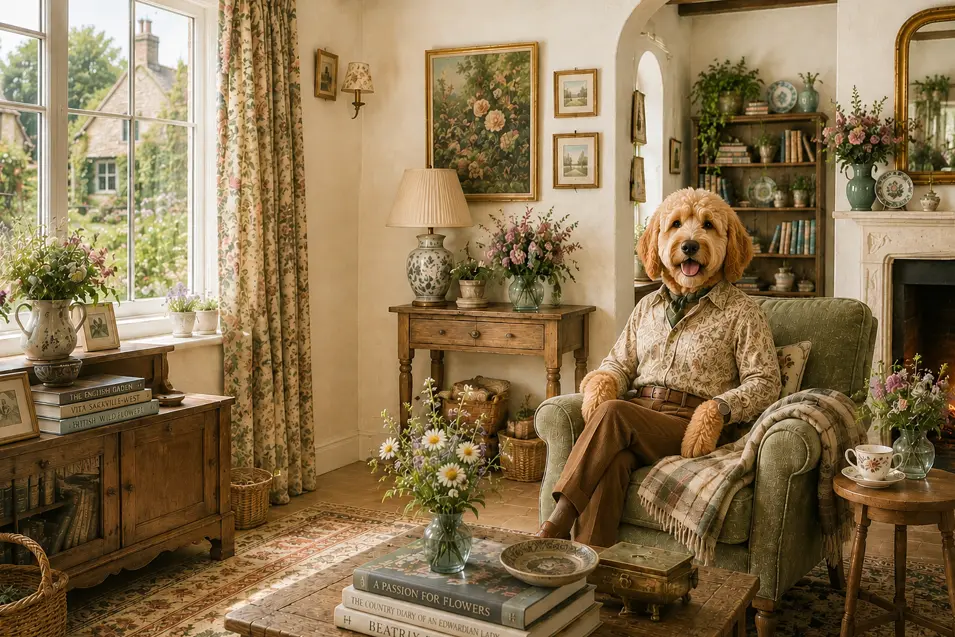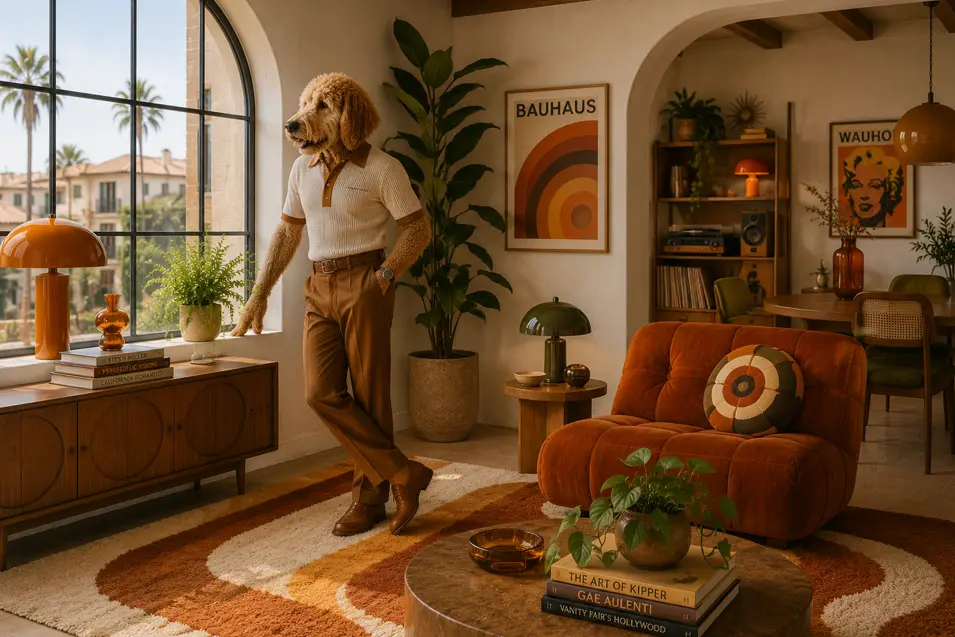
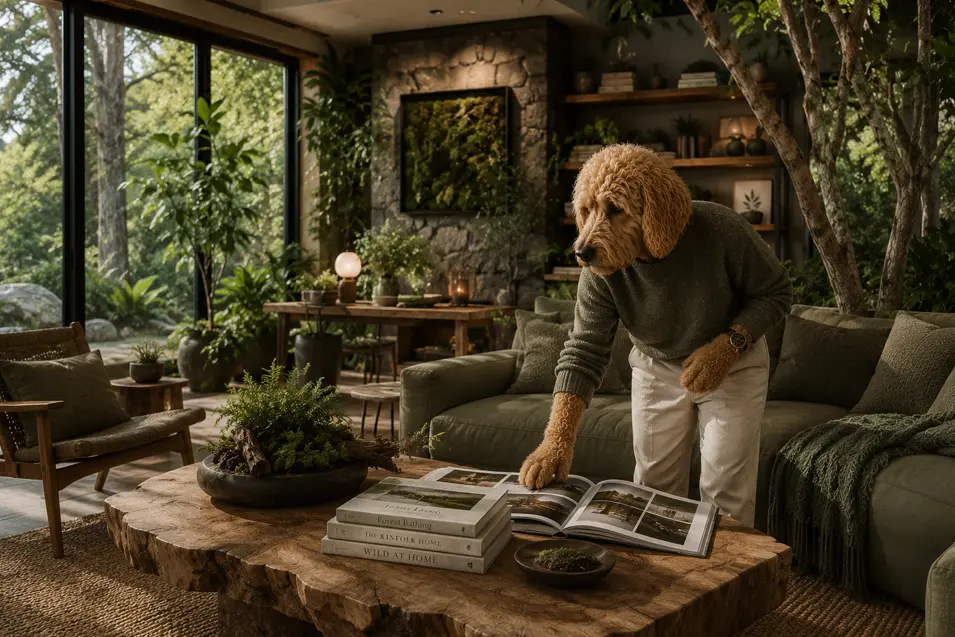
Biophilic design is more than an interior decorating trend—it’s a design philosophy rooted in the idea that humans have an innate connection to nature. By incorporating natural materials, abundant greenery, sunlight, organic textures, and outdoor views, Biophilic design seeks to create healthier, more restorative living environments.
As modern life becomes increasingly digital and urbanized, many homeowners are looking for ways to reconnect with the natural world. Biophilic design answers that need by bringingelements of nature indoors and creating spaces that promote relaxation, well-being, and balance.
The result is an environment that not only looks beautiful but also helps people feel calmer, healthier, and more connected to their surroundings.
The Origins of Biophilic Design
The concept of biophilia was popularized by biologist Edward O. Wilson, who proposed that humans possess a natural affinity for nature and living systems. Researchers have since explored how natural environments influence mental health, stress levels, creativity, and overall well-being.
Architects and interior designers began applying these principles to the built environment, leading to the development of Biophilic design. Rather than treating nature as decoration, the approach integrates it into the design itself.
Today, Biophilic principles are used in homes, offices, healthcare facilities, hotels, and public spaces around the world.
Key Characteristics of Biophilic Design
Several defining features help distinguish Biophilic interiors from other design styles.
Abundant Natural Light
Sunlight is one of the most important elements of Biophilic design. Large windows, skylights, glass doors, and open layouts help maximize natural light throughout the home.
This creates brighter spaces while strengthening the connection between indoor and outdoor environments.
Indoor Plants and Living Greenery
Plants are perhaps the most recognizable feature of Biophilic interiors. Houseplants, living walls, indoor gardens, and potted trees introduce life, color, and texture into the space.
Beyond aesthetics, plants can contribute to improved air quality and a greater sense of well-being.
Natural Materials
Wood, stone, clay, cork, bamboo, linen, wool, and other natural materials are commonly used throughout Biophilic interiors.
These materials provide visual warmth while reinforcing the home’s connection to the natural world.
Organic Shapes and Forms
Biophilic design often incorporates curved lines, flowing shapes, and forms inspired by nature. Furniture, artwork, and architectural details may mimic patterns found in plants, water, landscapes, or natural growth.
This helps create spaces that feel softer and more harmonious.
Connection to Outdoor Spaces
Whenever possible, Biophilic homes blur the line between indoors and outdoors. Patios, gardens, courtyards, balconies, and large windows help maintain visual access to nature.
Views of trees, water, landscapes, and natural surroundings are considered valuable design features.
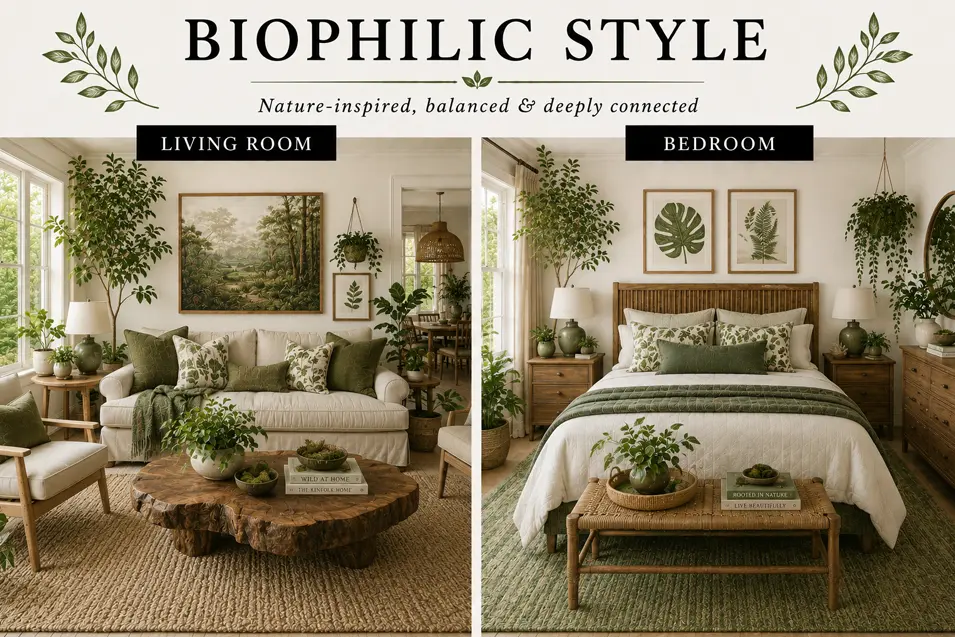
Why Homeowners Love Biophilic Design
One reason Biophilic design has become so popular is its emphasis on wellness.
Studies have shown that exposure to nature can help reduce stress, improve mood, increase productivity, and support overall health. Biophilic interiors seek to bring many of those benefits into everyday living environments.
The style also creates spaces that feel peaceful and welcoming. In a world filled with screens and constant stimulation, natural elements provide a sense of balance and calm.
Many homeowners appreciate that Biophilic design can be incorporated into almost any architectural style, from modern apartments to traditional homes.
How to Bring Biophilic Design Into Your Home
Creating a Biophilic space often begins with increasing your home’s connection to nature.
Start by introducing houseplants throughout the home. Select a variety of sizes and textures to create visual interest and depth. Maximize natural light whenever possible and arrange furniture to take advantage of outdoor views.
Choose natural materials over synthetic alternatives when selecting furniture, flooring, and décor. Wood, stone, natural fibers, and handcrafted elements can all contribute to a more organic atmosphere.
Even small changes, such as adding plants, opening window treatments, or incorporating nature-inspired artwork, can help strengthen the connection to the outdoors.
Biophilic Design vs. Organic Modern
Although they share similarities, the two styles have different goals.
Organic Modern focuses on aesthetics, blending contemporary design with natural materials and textures. Biophilic design goes further by emphasizing the relationship between people and nature, often incorporating living elements, natural light, and environmental wellness principles.
In many homes, the two approaches work beautifully together.
Is Biophilic Design Right for You?
Biophilic design is ideal for homeowners who want their living spaces to feel healthier, calmer, and more connected to the natural world. Its emphasis on light, greenery, natural materials, and wellness creates interiors that support both physical and emotional well-being.
Whether you live in a city apartment, a suburban home, or a rural retreat, Biophilic design offers practical ways to bring the restorative power of nature into everyday life.
As Scout discovered while surrounded by lush greenery, natural light, and organic textures, Biophilic design reminds us that some of the most beautiful spaces are the ones that help us feel connected to the world outside our walls.