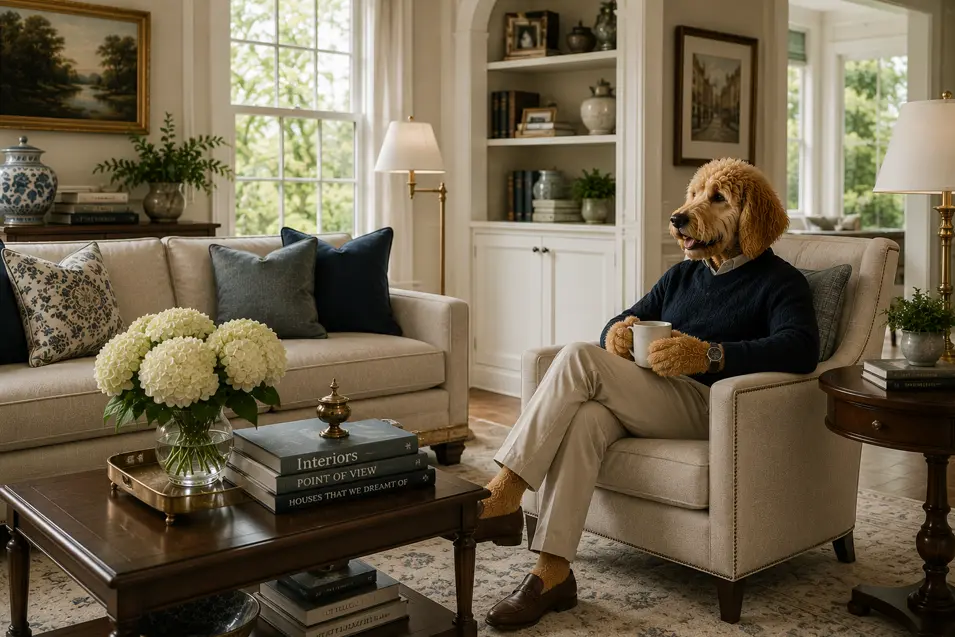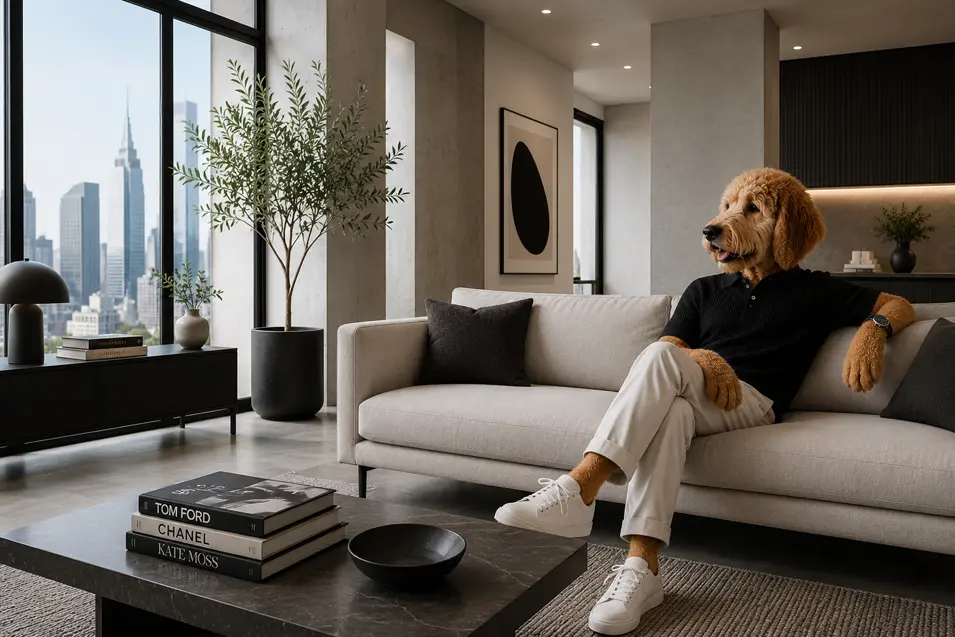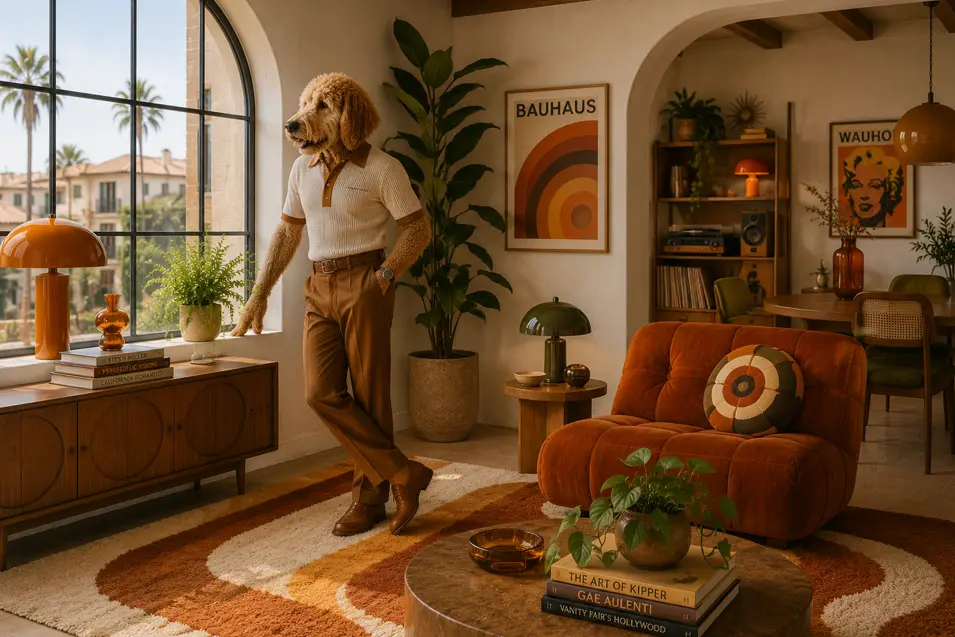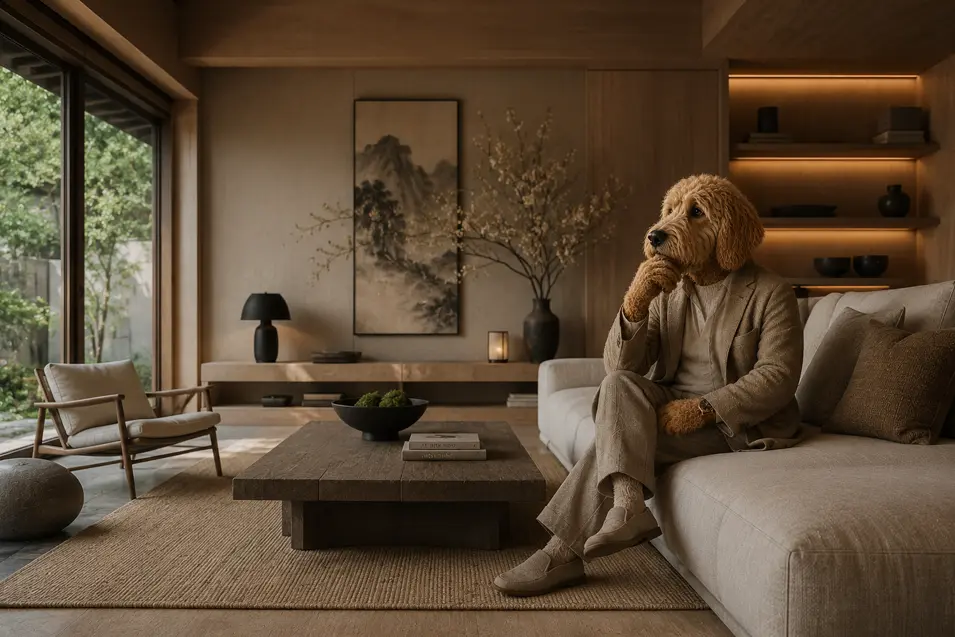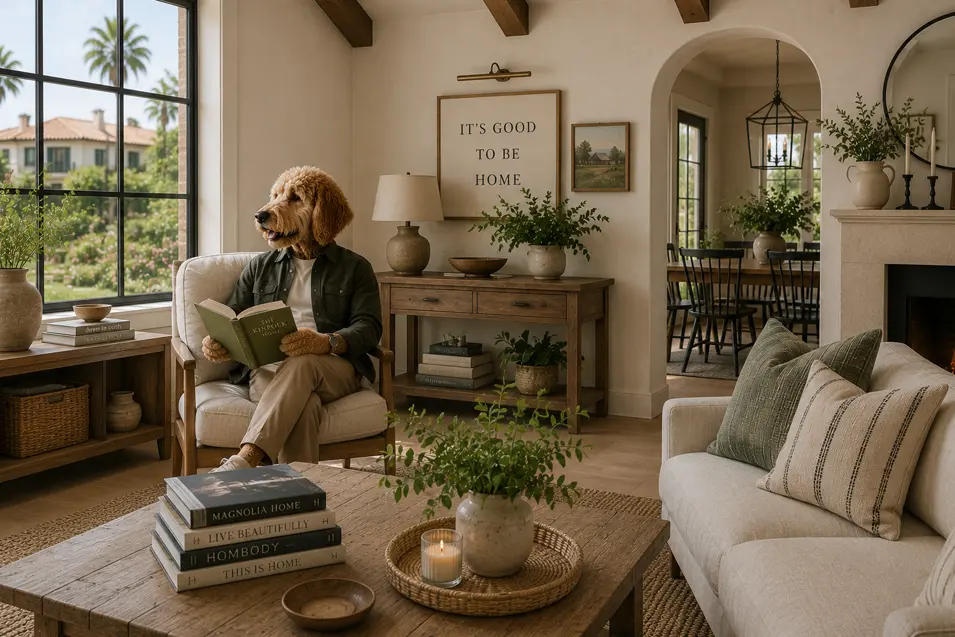
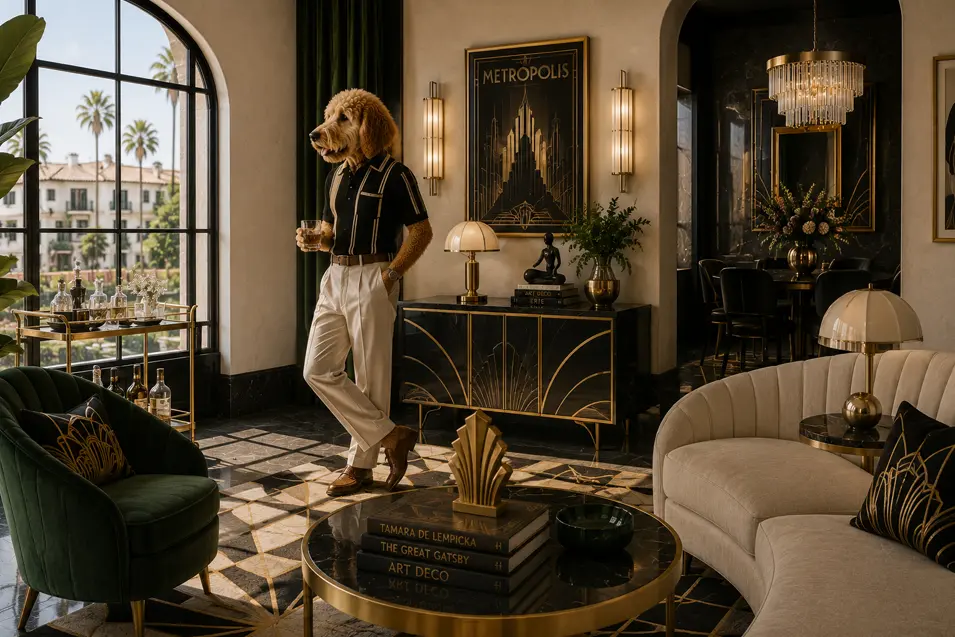
Few interior design styles are as instantly recognizable as Art Deco. With its bold geometric patterns, luxurious materials, metallic accents, and unmistakable sense of glamour, Art Deco continues to captivate homeowners and designers nearly a century after its rise to prominence.
Originating during the 1920s and 1930s, Art Deco emerged as a celebration of progress, innovation, and modern luxury. The style reflected the optimism of the Jazz Age, embracing new technologies, sophisticated craftsmanship, and a belief that everyday objects could be both functional and beautiful. Today, Art Deco remains a favorite among those who appreciate dramatic interiors, timeless elegance, and carefully crafted details.
The Origins of Art Deco
Art Deco takes its name from the 1925 International Exhibition of Modern Decorative and Industrial Arts held in Paris. The movement quickly spread throughout Europe and North America, influencing architecture, furniture, fashion, transportation, and interior design.
The style emerged during a period of tremendous cultural and technological change. Skyscrapers transformed city skylines, luxury ocean liners represented the height of modern travel, and advances in manufacturing introduced new materials and design possibilities.
Rather than looking to the past, Art Deco embraced the future. Designers combined influences from ancient Egypt, classical architecture, modern industry, and global cultures to create something entirely new.
The result was a style that felt sophisticated, confident, and undeniably modern.
Key Characteristics of Art Deco Design
Art Deco interiors are known for their distinctive visual language. While interpretations vary, several elements define the style.
Bold Geometric Patterns
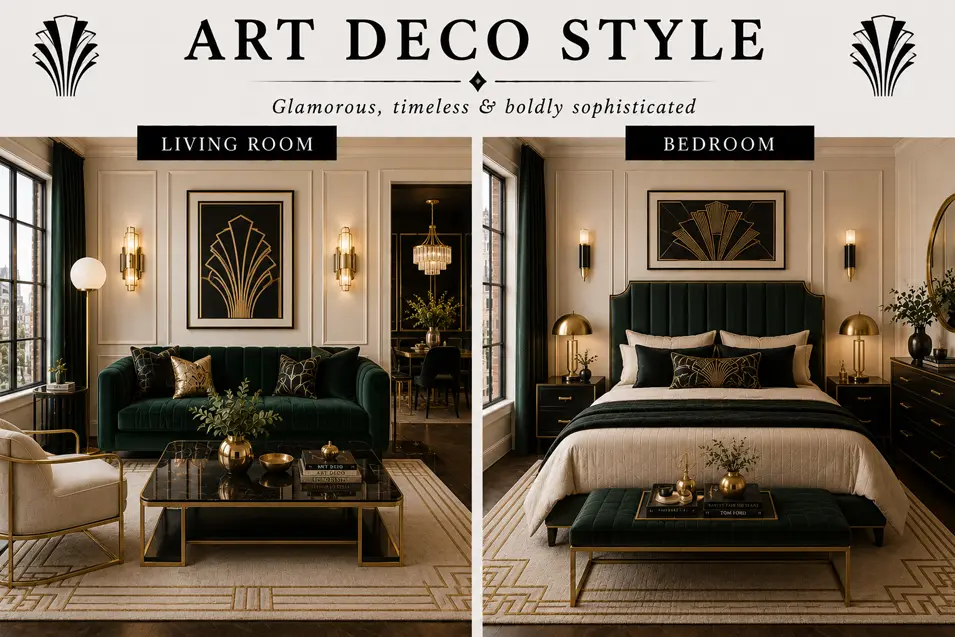
Geometry is at the heart of Art Deco design. Zigzags, sunbursts, chevrons, stepped forms, and symmetrical patterns appear throughout furniture, textiles, flooring, and decorative details.
These strong shapes help create the sense of structure and drama that Art Deco is famous for.
Luxurious Materials
Art Deco celebrates quality and craftsmanship. Rich woods, marble, brass, chrome, velvet, lacquer, glass, and polished stone are commonly used to create a sense of refinement and luxury.
Every surface is intended to make a statement.
Dramatic Lighting
Lighting plays a central role in Art Deco interiors. Chandeliers, sculptural lamps, wall sconces, and decorative fixtures often serve as focal points while adding warmth and visual interest.
Many designs feature geometric shapes and metallic finishes that reinforce the style’s architectural character.
Rich Color Palettes
While neutral Art Deco spaces exist, the style often embraces deeper, more dramatic colors. Emerald green, sapphire blue, burgundy, black, gold, silver, and ivory are frequently used to create contrast and sophistication.
These colors help establish the glamorous atmosphere associated with the era.
Symmetry and Balance
Unlike some more casual design styles, Art Deco values order and symmetry. Furniture arrangements, architectural details, and decorative elements are often carefully balanced to create a polished and harmonious appearance.
Why Art Deco Remains Popular
Despite originating nearly one hundred years ago, Art Deco continues to inspire designers and homeowners around the world.
Part of its appeal lies in its ability to feel luxurious without becoming overly traditional. Art Deco offers the elegance and craftsmanship associated with classic design while maintaining a distinctly modern edge.
The style also photographs exceptionally well. Its bold shapes, dramatic lighting, and rich materials create memorable spaces that stand out from more understated interiors.
For homeowners seeking a look that feels sophisticated, artistic, and timeless, Art Deco remains one of the most compelling options available.
How to Incorporate Art Deco Into Your Home
You don’t need to transform your entire home into a 1930s penthouse to enjoy Art Deco design.
Start with a few signature elements:
- Introduce geometric patterns through rugs, wallpaper, or textiles.
- Add metallic accents such as brass, gold, or chrome.
- Incorporate velvet upholstery or luxurious fabrics.
- Choose statement lighting with sculptural forms.
- Use mirrors and reflective surfaces to enhance light and visual depth.
Even a few carefully selected pieces can capture the essence of Art Deco while blending seamlessly with contemporary interiors.
Is Art Deco Right for You?
Art Deco appeals to those who appreciate bold design, elegant materials, and a touch of glamour. It offers an alternative to minimalism by embracing ornamentation and visual impact without feeling cluttered or excessive.
Whether incorporated through dramatic architectural details or subtle decorative accents, Art Deco brings personality and sophistication to any space.
As Scout discovered while exploring this iconic style, Art Deco proves that luxury never truly goes out of fashion. With its timeless combination of artistry, craftsmanship, and confidence, it remains one of the most enduring and influential design movements in history.