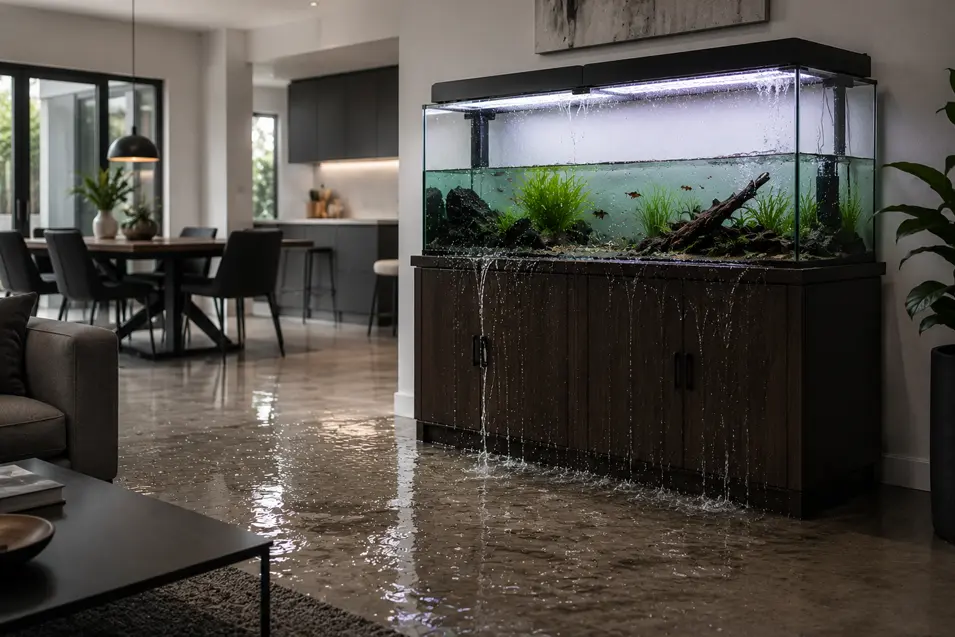
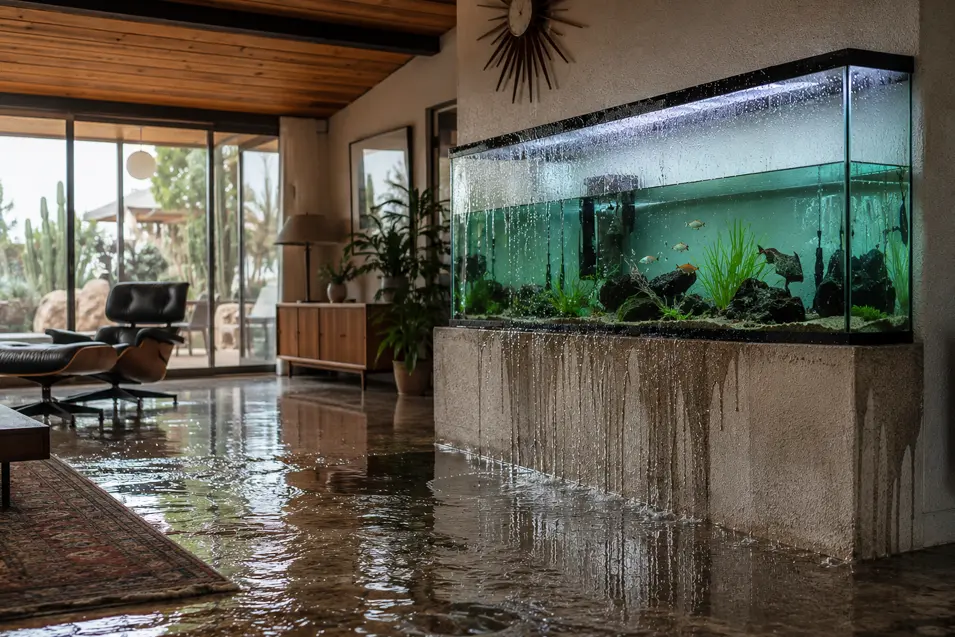
For most aquarium owners, the thought of a fish tank suddenly leaking or breaking is a nightmare scenario. Aquariums hold anywhere from a few gallons of water to hundreds of gallons, and the idea of that water ending up on the floor can be unsettling.
Fortunately, catastrophic aquarium failures are relatively rare when tanks are properly maintained and installed. Modern aquariums are designed to safely hold significant weight and pressure for many years. However, like any piece of equipment in the home, aquariums are not immune to accidents, aging, manufacturing defects, or human error.
Understanding the risks, recognizing early warning signs, and preparing for emergencies can help minimize damage and protect both your fish and your home.
How Often Do Aquariums Actually Break?
The good news is that complete aquarium failures are uncommon.
Most quality aquariums remain structurally sound for many years when:
- Properly supported
- Maintained regularly
- Protected from impacts
- Installed on level surfaces
In many cases, aquarium owners experience small leaks or equipment-related water spills long before they encounter a major tank failure.
That said, even a small leak can quickly become a significant problem if ignored.
Common Types of Aquarium Emergencies
Not every aquarium emergency involves shattered glass.
In fact, many of the most common problems develop gradually.
Slow Leaks
A slow leak often begins at a silicone seam or around plumbing connections.
Signs may include:
- Damp flooring
- Water stains
- Salt creep (in saltwater aquariums)
- Moisture around the stand
- Unexplained water loss
Slow leaks provide an opportunity to take corrective action before a larger problem develops.
Cracked Glass or Acrylic
Cracks can occur due to:
- Physical impacts
- Improper support
- Manufacturing defects
- Structural stress
- Age-related wear
Even small cracks should be treated seriously because they can expand unexpectedly under water pressure.
Seal Failure
Aquarium silicone is extremely durable, but it does not last forever.
Over time, seals may weaken due to:
- Age
- UV exposure
- Poor manufacturing
- Improper repairs
Failing seals often present as small leaks before larger problems develop.
Plumbing Failures
Many aquarium floods originate from equipment rather than the tank itself.
Potential causes include:
- Loose hoses
- Failed fittings
- Overflow malfunctions
- Sump issues
- Clogged drains
These problems can sometimes release significant amounts of water even when the aquarium itself remains intact.
What Causes Aquariums to Break?
Several factors increase the risk of aquarium failure.
Improper Support
Aquariums must sit on level, structurally sound surfaces.
When part of the tank lacks adequate support, stress can develop across the glass.
Over time, this uneven pressure may contribute to cracks or seam failure.
Physical Impact
Glass aquariums are surprisingly strong, but they are not indestructible.
Potential hazards include:
- Moving furniture
- Children’s toys
- Heavy objects
- Accidental collisions
Even minor impacts can create weak points that worsen over time.
Aging Equipment
Older aquariums may eventually show signs of wear.
Although many tanks last decades, aging seals and structural components deserve periodic inspection.
DIY Modifications
Drilling, modifying, or improperly repairing aquariums can compromise structural integrity if not performed correctly.
Warning Signs That Should Never Be Ignored
Many aquarium failures provide warning signs before becoming emergencies.
Watch for:
Moisture Around the Tank
Unexplained dampness should always be investigated.
Even a few drops of water may indicate a developing leak.
Bulging Seams
Visible separation or distortion in silicone seams requires immediate attention.
Cracks or Chips
Any crack, regardless of size, should be treated as a potential structural issue.
Sudden Water Loss
If water levels are dropping faster than normal evaporation would explain, investigate immediately.
Leaning or Uneven Stands
An unstable stand can create dangerous stress on the aquarium.
Address support issues before they worsen.
What to Do If an Aquarium Starts Leaking
If you discover a leak, staying calm is important.
Step 1: Determine the Source
Not all water around an aquarium comes from the tank itself.
Check:
- Filters
- Hoses
- Plumbing connections
- Condensation
- Overflows
The problem may be easier to fix than expected.
Step 2: Reduce Water Levels
If the leak originates from the aquarium, lowering the water level reduces pressure on the damaged area.
This may slow or stop the leak temporarily.
Step 3: Protect Nearby Areas
Use:
- Towels
- Buckets
- Plastic sheeting
- Wet vacuums
to contain water and minimize damage.
Step 4: Prepare Temporary Housing
If repairs or replacement become necessary, fish may need temporary accommodations.
Emergency options include:
- Spare aquariums
- Food-grade containers
- Large storage tubs
- Quarantine tanks
Having a backup plan can save valuable time during an emergency.
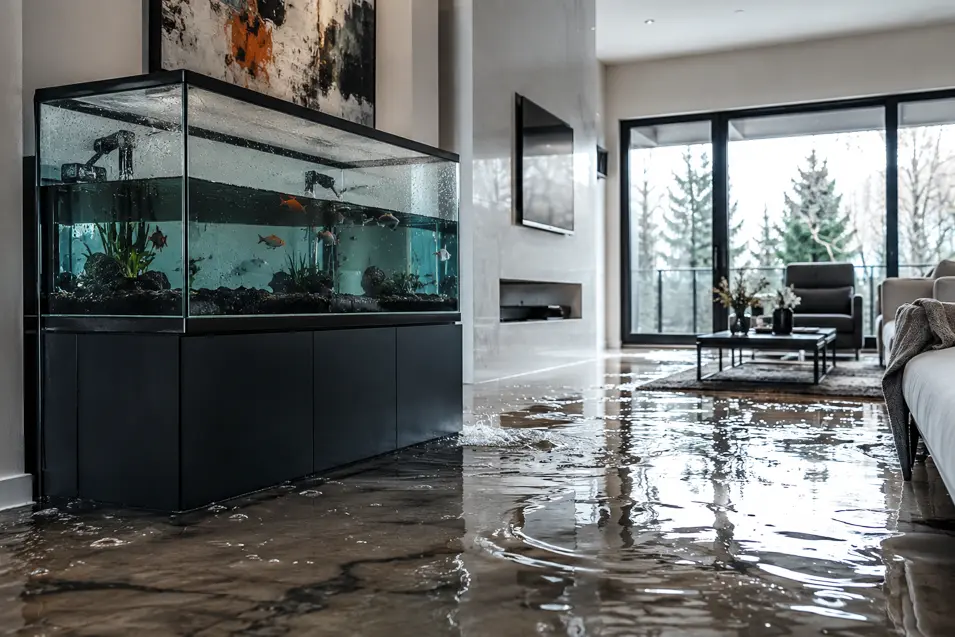
What to Do If an Aquarium Completely Fails
Although rare, complete failures require immediate action.
Prioritize Safety
If large amounts of water are released:
- Turn off electrical equipment if safe to do so
- Avoid standing water near power sources
- Keep children and pets away
Electrical safety should always come first.
Save the Fish
Fish can survive temporarily in containers filled with aquarium water.
Focus on:
- Maintaining oxygen levels
- Preserving water temperature
- Minimizing stress
Portable air pumps can be extremely valuable during emergencies.
Remove Water Quickly
The faster water is removed, the less damage it can cause.
Prompt cleanup may help prevent:
- Flooring damage
- Mold growth
- Cabinet deterioration
- Structural issues
Building an Aquarium Emergency Kit
Preparation can dramatically reduce stress during an unexpected situation.
Consider keeping:
- Towels
- Buckets
- Battery-powered air pumps
- Extension cords
- Water conditioner
- Spare heaters
- Storage containers
- Flashlights
in a designated aquarium emergency kit.
Most items are inexpensive but can prove invaluable when needed.
Preventing Aquarium Disasters
The best emergency plan is prevention.
Use Quality Equipment
Purchase aquariums, stands, and plumbing components from reputable manufacturers.
Inspect Regularly
Look for:
- Moisture
- Cracks
- Seal deterioration
- Equipment wear
during routine maintenance.
Avoid Overloading Furniture
Ensure stands and flooring can safely support the aquarium’s full weight.
Replace Aging Components
Hoses, pumps, fittings, and other equipment should be replaced when signs of wear appear.
Plan for Power Outages
Backup power systems can help maintain filtration and oxygen levels during emergencies.
Can Homeowners Insurance Cover Aquarium Damage?
Many homeowners are surprised to learn that coverage varies.
Some insurance policies may cover certain types of water damage caused by sudden accidental events, while others may have exclusions or limitations.
Coverage often depends on:
- Cause of the failure
- Policy details
- Extent of damage
Homeowners with large aquariums should review their policies and consult their insurance provider to understand what protection is available.
Why Preparedness Matters
Most aquarium owners never experience a major failure.
However, aquariums contain large volumes of water, and even small leaks can escalate quickly.
A simple plan can make a significant difference when every minute counts.
Preparation helps:
- Protect fish
- Minimize property damage
- Reduce stress
- Speed recovery
- Improve safety
The goal isn’t to worry about disasters—it’s to be ready if one occurs.
Conclusion
Aquarium leaks, cracks, and failures are uncommon, but they can happen. Fortunately, most problems provide warning signs long before they become emergencies. Regular inspections, proper installation, routine maintenance, and a basic emergency plan greatly reduce the risk of serious damage.
By understanding what causes aquarium failures and knowing how to respond, homeowners can protect their fish, their property, and their peace of mind. Like smoke detectors or emergency kits, aquarium preparedness is something you hope you’ll never need—but you’ll be glad you have it if the unexpected occurs.
Frequently Asked Questions
How common are aquarium leaks?
Small leaks and equipment-related water spills are more common than catastrophic tank failures. Most quality aquariums remain reliable for many years when properly maintained.
Can a cracked aquarium be repaired?
It depends on the location and severity of the crack. In many cases, replacing the aquarium is the safest option.
What should I do first if my aquarium leaks?
Identify the source, reduce water pressure if necessary, protect surrounding areas, and prepare temporary housing for fish if the situation worsens.
How can I prevent an aquarium from breaking?
Use a proper stand, keep the tank level, inspect seals regularly, avoid impacts, and replace aging equipment when needed.
Should I have a backup tank?
Yes. Even a simple quarantine tank or large food-safe container can be invaluable during emergencies.
Related Reading
- Aquariums in the Home: Design, Placement, Planning, and Practical Living
- How Much Does an Aquarium Weigh? Floor, Furniture, and Structural Considerations
- Aquarium Electrical Planning: Managing Cords, Heaters, Pumps, and Lighting Safely
- Aquarium Water Access: Planning for Filling, Water Changes, and Maintenance
- Aquarium Insurance and Home Protection: What Homeowners Should Know
- Energy Costs of Owning an Aquarium: What to Expect