
Traditional and Transitional design are often confused because they share many of the same foundations. Both styles value comfort, timeless furnishings, quality craftsmanship, and interiors designed to stand the test of time. Neither relies heavily on fleeting trends, and both create homes that feel welcoming and refined.
Yet despite these similarities, the two styles create noticeably different atmospheres.
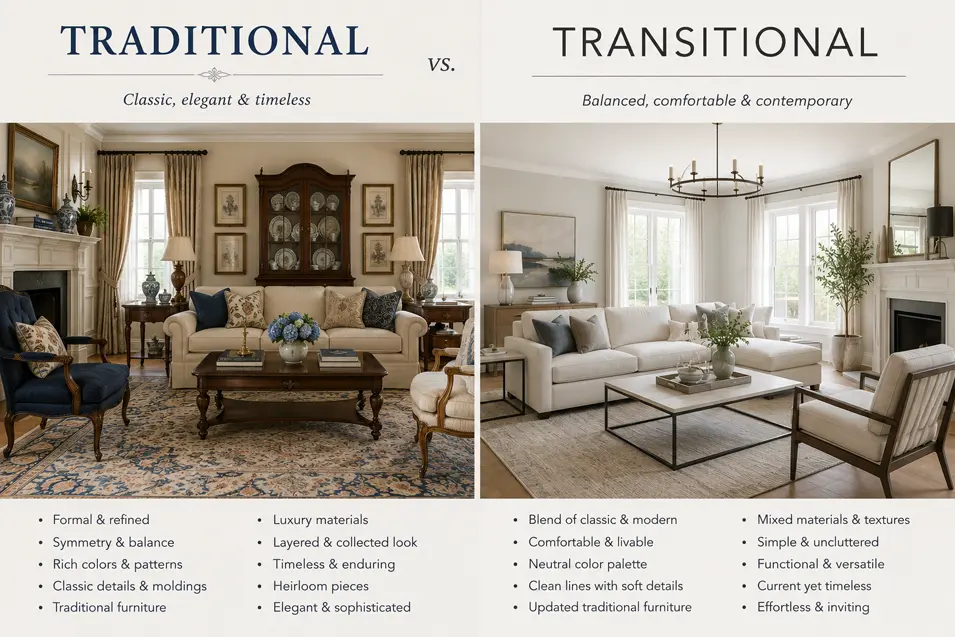
Traditional design embraces classic elegance, rich details, and historical influences. Transitional design takes many of those same elements and updates them with cleaner lines, lighter palettes, and a more contemporary sensibility.
For homeowners deciding between the two, understanding the differences can help create a home that feels both beautiful and authentic.
What Is Traditional Design?
Traditional design draws inspiration from centuries of European decorating styles, particularly those found in England and France. The style emphasizes symmetry, classic furnishings, rich materials, and elegant architectural details.
Common characteristics include:
- Classic furniture silhouettes
- Rich wood finishes
- Decorative moldings
- Symmetrical room layouts
- Traditional artwork
- Layered textiles
Traditional homes often feel established, comfortable, and timeless.
The style focuses on preserving classic design principles that have remained popular for generations.
What Is Transitional Design?
Transitional design emerged as homeowners sought a balance between traditional elegance and contemporary simplicity.
Rather than abandoning classic furnishings entirely, Transitional interiors simplify and modernize them. Decorative details are reduced, color palettes become lighter, and rooms feel more open and relaxed.
Common characteristics include:
- Neutral color schemes
- Streamlined furniture
- Clean lines
- Layered textures
- Minimal ornamentation
- Comfortable layouts
The result is a style that feels timeless while still appearing current.
Similarities Between Traditional and Transitional Design
The reason these styles are frequently confused is because they share many core principles.
Both styles emphasize:
- Quality craftsmanship
- Comfortable furnishings
- Timeless appeal
- Balanced room layouts
- Functional living spaces
- Sophisticated design
Neither style embraces extreme minimalism or highly experimental design trends.
Both aim to create homes that feel inviting and livable.
Key Differences Between Traditional and Transitional Design
While the foundations are similar, the details make a significant difference.
Color Palettes
Traditional interiors often feature richer and warmer colors.
Common choices include:
- Cream
- Beige
- Deep blue
- Sage green
- Burgundy
- Warm wood tones
Transitional design generally relies on lighter, more neutral palettes.
Popular colors include:
- Soft white
- Warm gray
- Taupe
- Ivory
- Greige
- Light beige
Transitional spaces typically feel brighter and more open.
Furniture Styles
Traditional furniture often includes:
- Rolled arms
- Carved details
- Ornate woodwork
- Decorative legs
- Formal silhouettes
Transitional furniture simplifies many of these features.
You’ll often find:
- Cleaner lines
- Minimal detailing
- Softer profiles
- Streamlined upholstery
- Contemporary influences
Both styles value comfort, but Transitional furniture tends to look less formal.
Decorative Elements
Traditional interiors embrace decorative details such as:
- Crown molding
- Framed artwork
- Decorative lamps
- Patterned fabrics
- Antique accessories
Transitional spaces use fewer decorative elements.
Accessories are often carefully selected and edited to avoid visual clutter.
The emphasis shifts from decoration to balance and simplicity.
Overall Mood
Traditional interiors often feel:
- Classic
- Elegant
- Formal
- Established
Transitional interiors tend to feel:
- Relaxed
- Sophisticated
- Fresh
- Versatile
Both are welcoming, but Transitional design usually feels lighter and less formal.
Traditional vs. Transitional Furniture
Furniture is often the easiest way to distinguish between these styles.
A Traditional living room may include:
- Wingback chairs
- Ornate coffee tables
- Rich wood finishes
- Decorative upholstery
A Transitional living room is more likely to feature:
- Neutral fabrics
- Simplified furniture shapes
- Contemporary lighting
- Clean-lined accent pieces
The Transitional approach often feels more adaptable to modern lifestyles.
Which Style Is Better for Pet Owners?
Both styles can work beautifully in pet-friendly homes.
Traditional interiors often feature durable wood furniture and classic layouts that accommodate family living. However, some decorative fabrics and antique furnishings may require extra care around pets.
Transitional design often offers greater flexibility. Neutral performance fabrics, streamlined furniture, and less ornate finishes can make everyday maintenance easier while preserving a sophisticated appearance.
For many pet owners, Transitional design strikes an ideal balance between style and practicality.
How to Choose Between Traditional and Transitional Design
If you love classic furnishings, rich wood tones, historical influences, and timeless elegance, Traditional design may be the right choice.
If you appreciate classic design but prefer cleaner lines, lighter colors, and a more contemporary look, Transitional design may feel more natural.
Many homeowners find themselves somewhere between the two, incorporating traditional furniture with transitional finishes or vice versa.
The styles complement each other exceptionally well.
Final Thoughts
Traditional and Transitional design share a common foundation rooted in comfort, craftsmanship, and timeless beauty. The difference lies in their execution. Traditional interiors celebrate classic elegance and decorative detail, while Transitional spaces simplify those elements to create a lighter, more contemporary atmosphere.
Neither style is inherently better. The right choice depends on your personal preferences, lifestyle, and how you want your home to feel.
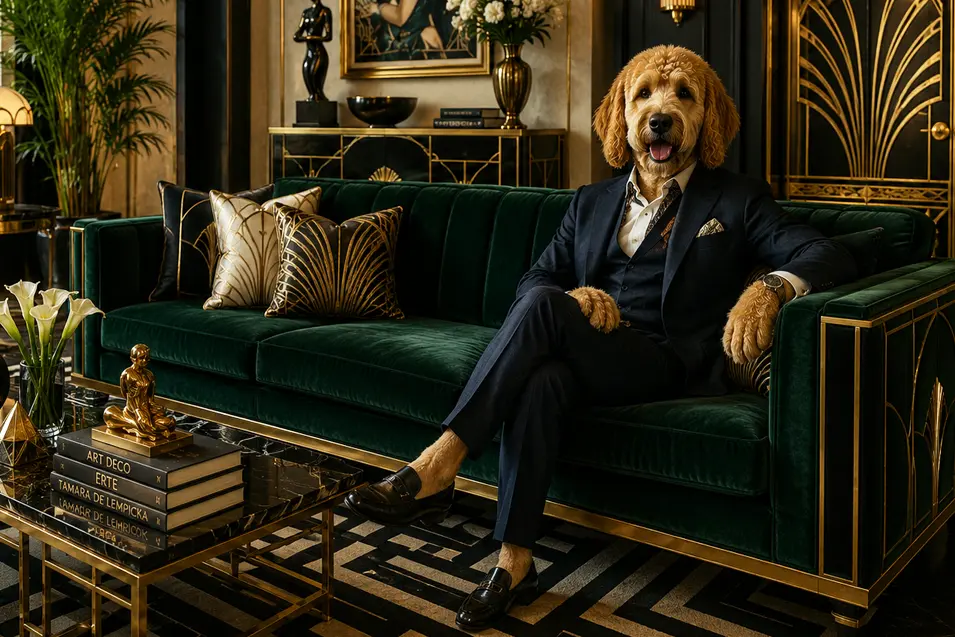
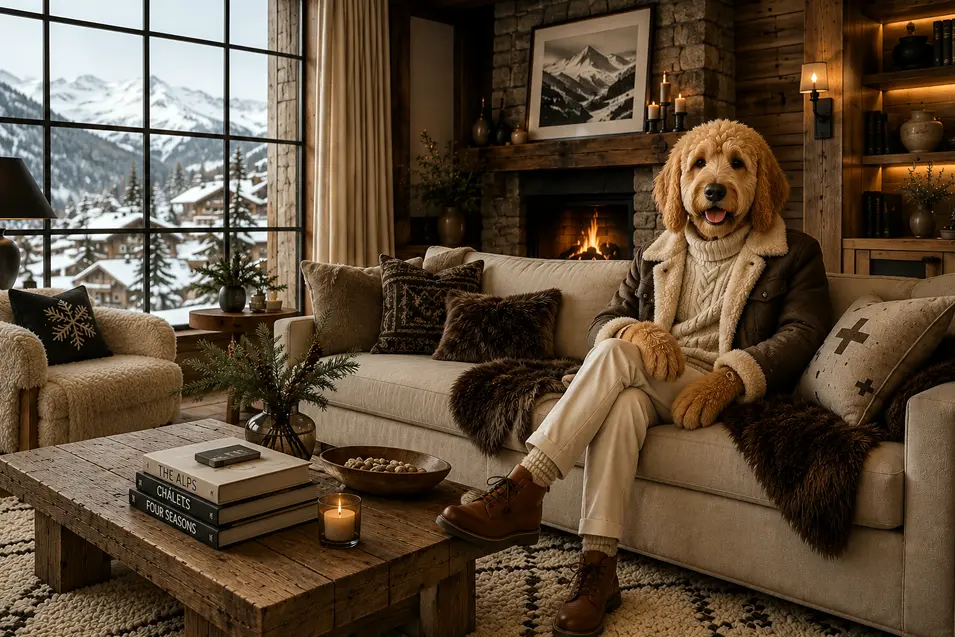
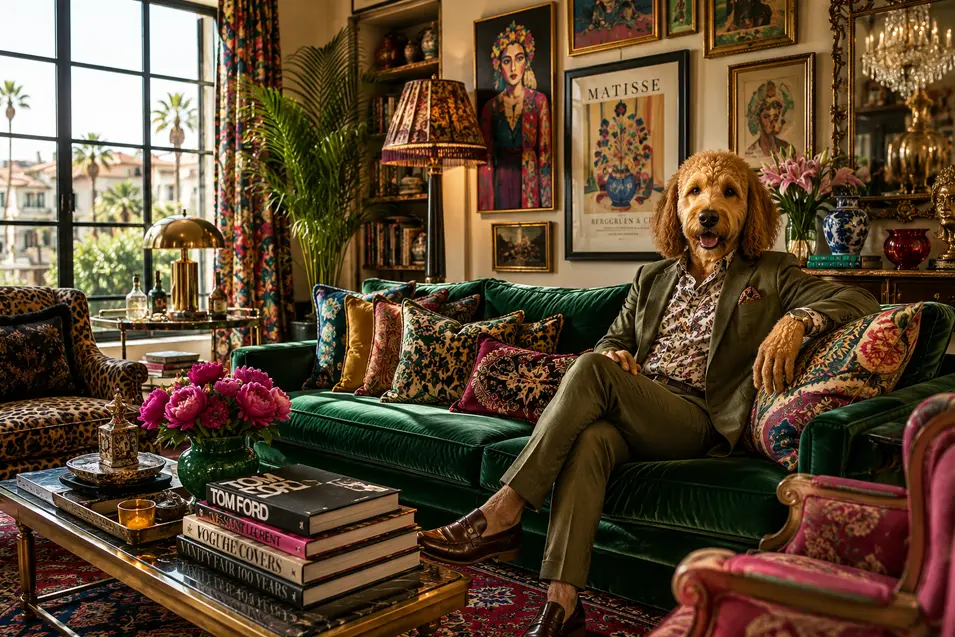
As Scout discovered while comparing richly detailed traditional rooms with streamlined transitional spaces, both styles prove that timeless design never goes out of fashion—it simply evolves to meet changing tastes and lifestyles.
Still deciding? Compare the key elements of Traditional vs. Transitional design, then visit our detailed Traditional Style Guide and Transitional Style Guide for room-by-room inspiration.