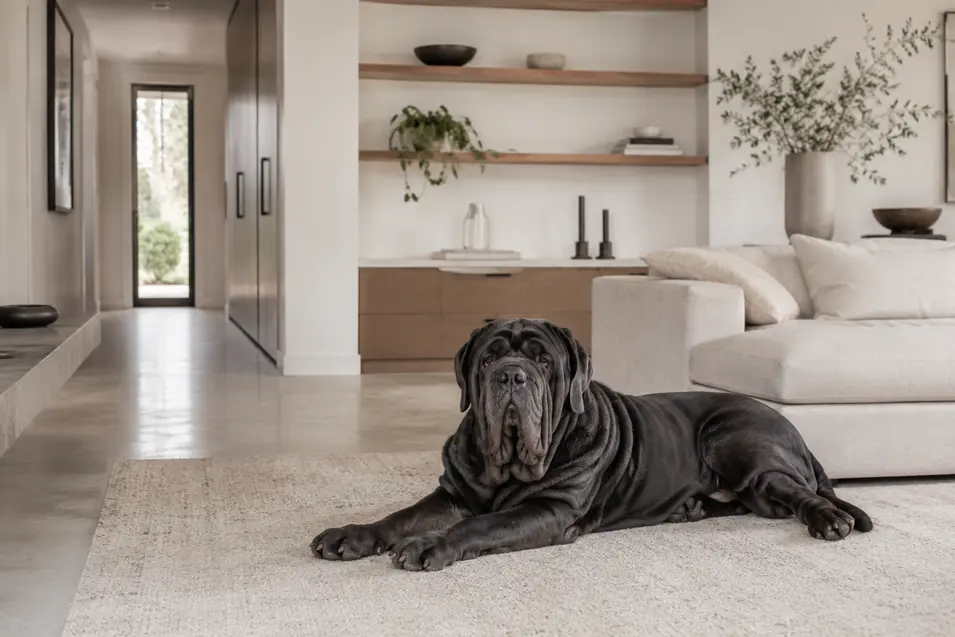

For many homeowners, pets are family members. They share our homes, routines, and favorite spaces. Yet creating a home that works for both people and pets can sometimes feel like a balancing act.
Many pet owners worry that accommodating animals means sacrificing good design. Bulky pet furniture, scratched floors, chewed décor, and scattered toys can quickly make even the most beautiful space feel cluttered and chaotic.
Fortunately, modern interior design has evolved. Today, it is entirely possible to create a home that is both pet-friendly and stylish.
The secret is designing with your pets in mind from the beginning rather than treating their needs as an afterthought.
Whether you share your home with cats, dogs, or both, this guide will help you create a space that looks beautiful, functions well, and supports the comfort and well-being of every member of the household.
Why Pet-Friendly Design Matters
A truly successful home supports the lifestyle of the people who live there—including the four-legged ones.
When pet needs are ignored, problems often develop:
- Scratched furniture
- Damaged flooring
- Cluttered living spaces
- Stressful cleaning routines
- Behavioral issues
- Safety concerns
Pet-friendly design addresses these challenges proactively while maintaining a cohesive and attractive appearance.
The result is a home that feels more organized, comfortable, and enjoyable for everyone.
Start With Durable Flooring
Flooring is one of the most important decisions in a pet-friendly home.
Pets spend most of their time on the floor, making durability a major consideration.
Great Flooring Options
Luxury Vinyl Plank
Luxury vinyl has become one of the most popular choices for pet owners because it offers:
- Scratch resistance
- Water resistance
- Easy cleaning
- Realistic wood appearance
Tile Flooring
Tile performs exceptionally well in homes with pets.
Benefits include:
- Durability
- Moisture resistance
- Easy maintenance
- Long lifespan
Engineered Hardwood
For homeowners who prefer wood, engineered hardwood often performs better than traditional hardwood in active households.
Flooring to Approach Carefully
- Soft pine flooring
- High-gloss hardwood
- Delicate natural stone
- Wall-to-wall carpeting
These materials can show wear more quickly in homes with pets.
Choose Pet-Friendly Furniture Fabrics
Furniture often receives the most abuse in pet households.
The right fabric can dramatically improve durability and ease of maintenance.
Recommended Materials
Microfiber
- Durable
- Easy to clean
- Resists pet hair
Performance Fabrics
Many modern furniture manufacturers now offer stain-resistant fabrics specifically designed for active households.
Leather
Quality leather can be surprisingly pet-friendly.
While scratches may occur, many homeowners appreciate the character that develops over time.
Fabrics to Avoid
- Silk
- Velvet
- Loose weaves
- Delicate linen blends
These materials may show wear more quickly when pets are involved.
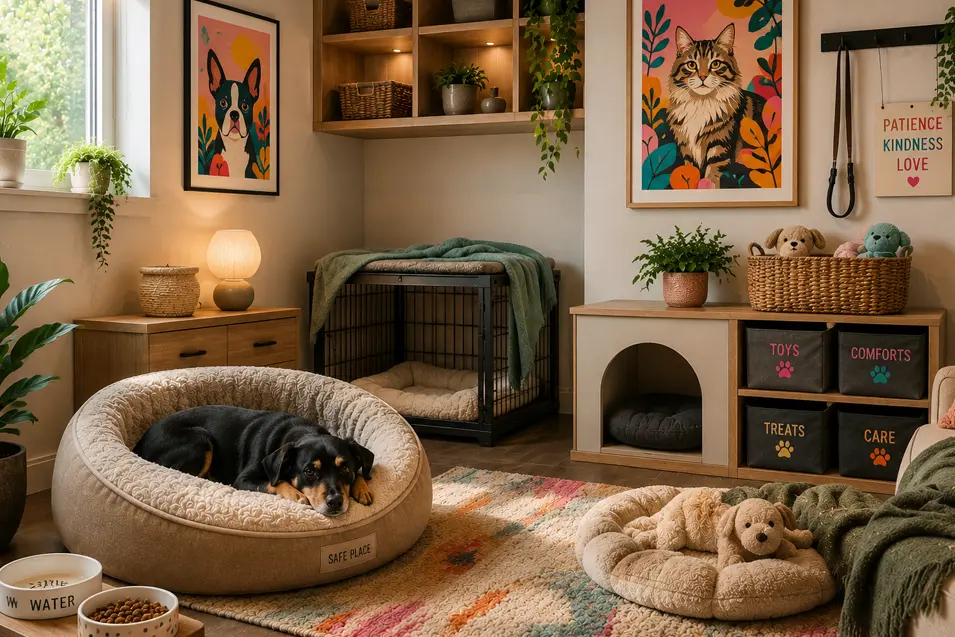
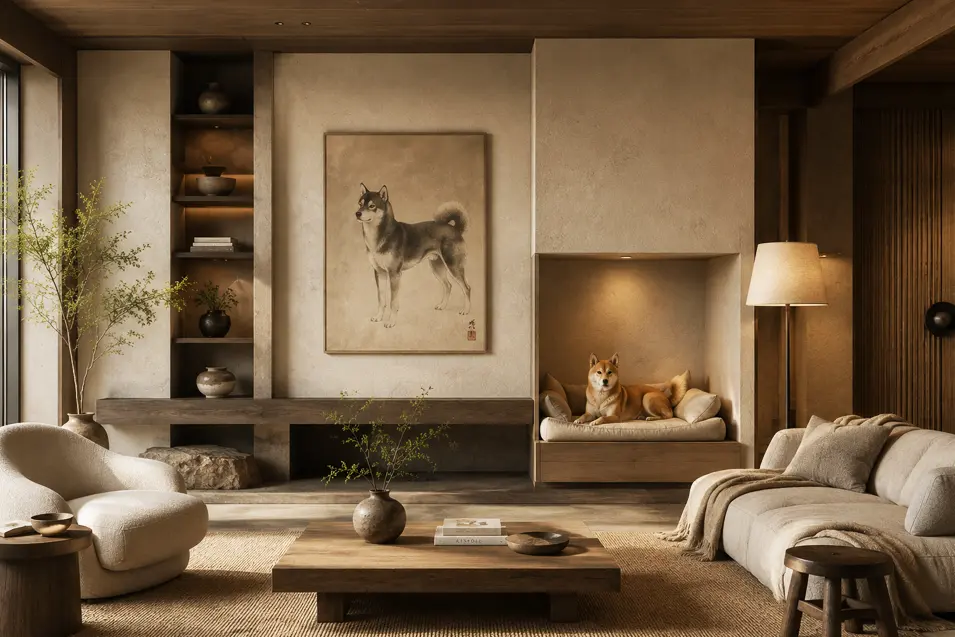
Design Dedicated Pet Spaces
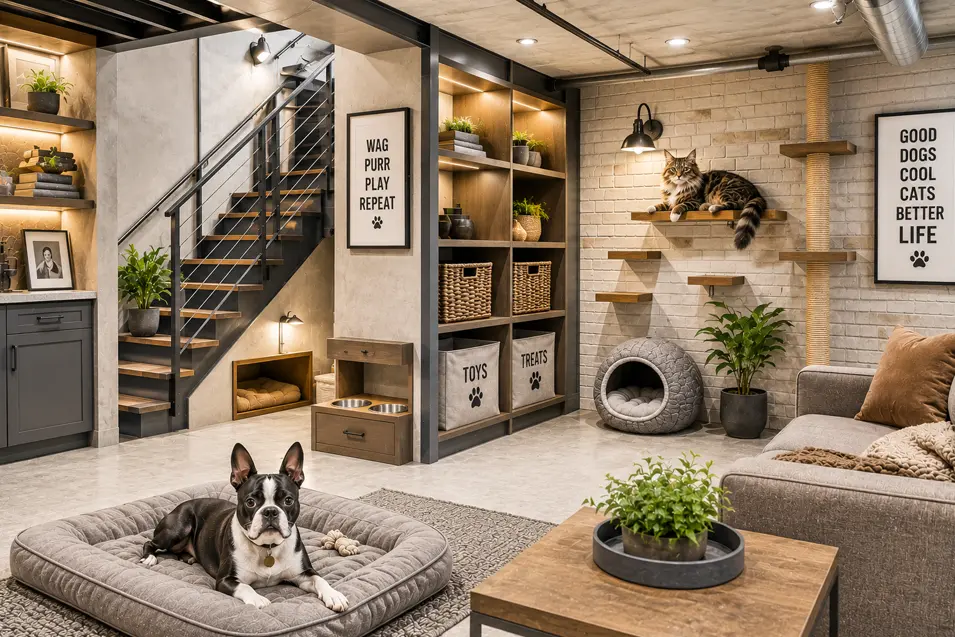
One of the best ways to maintain a stylish home is to provide designated areas for your pets.
Rather than allowing toys, beds, and accessories to spread throughout the house, create intentional pet zones.
Examples include:
- Built-in feeding stations
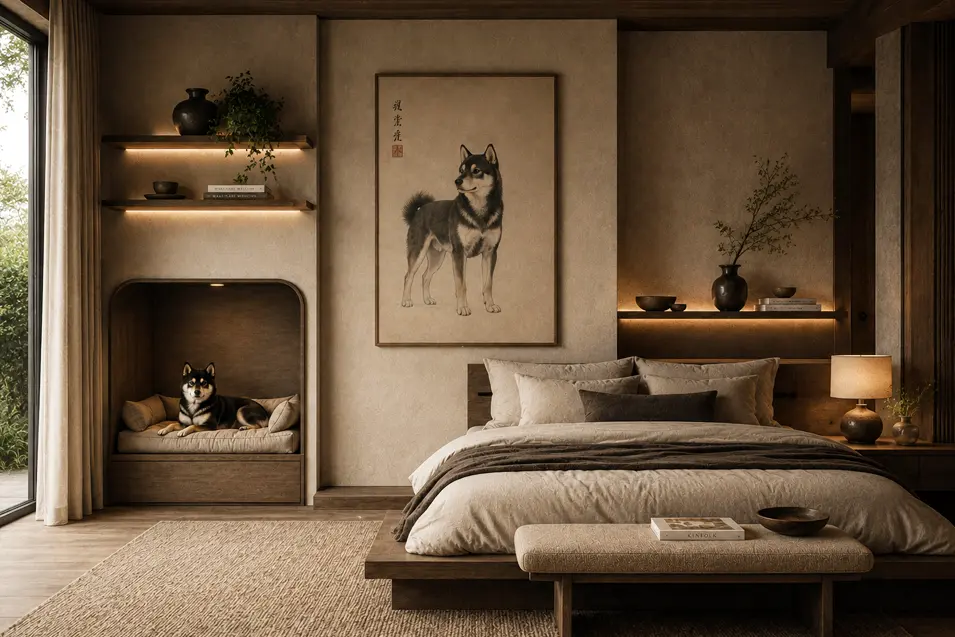
- Pet sleeping areas
- Window lounges
- Reading nook companions
- Mudroom pet stations
Dedicated spaces help reduce clutter while creating a more organized environment.
Stylish Solutions for Cat Owners
Modern cat furniture has come a long way.
Today’s products can complement your décor rather than compete with it.
Cat Wall Furniture
Wall-mounted cat shelves and climbing systems provide:
- Exercise
- Vertical territory
- Mental stimulation
- Space-saving solutions
Many contemporary systems use natural wood finishes and minimalist designs that blend beautifully into modern homes.
Designer Cat Trees
Modern cat trees are available in styles that complement:
- Scandinavian interiors
- Contemporary homes
- Modern farmhouses
- Industrial lofts
- Minimalist spaces
The key is choosing pieces that coordinate with your existing furnishings.
Window Perches
Cats naturally enjoy observing outdoor activity.
A well-placed window perch can become a favorite resting area while minimizing competition for furniture.
Stylish Solutions for Dog Owners
Dogs have different needs than cats, but thoughtful design can accommodate them just as effectively.
Elevated Feeding Stations
Built-in feeding areas create a cleaner, more organized appearance.
Attractive Dog Beds
Modern pet beds are available in designs that resemble high-end furniture and coordinate with home décor.
Entryway Organization
Create dedicated storage for:
- Leashes
- Harnesses
- Waste bags
- Towels
- Outdoor gear
An organized entryway simplifies daily routines while reducing clutter.
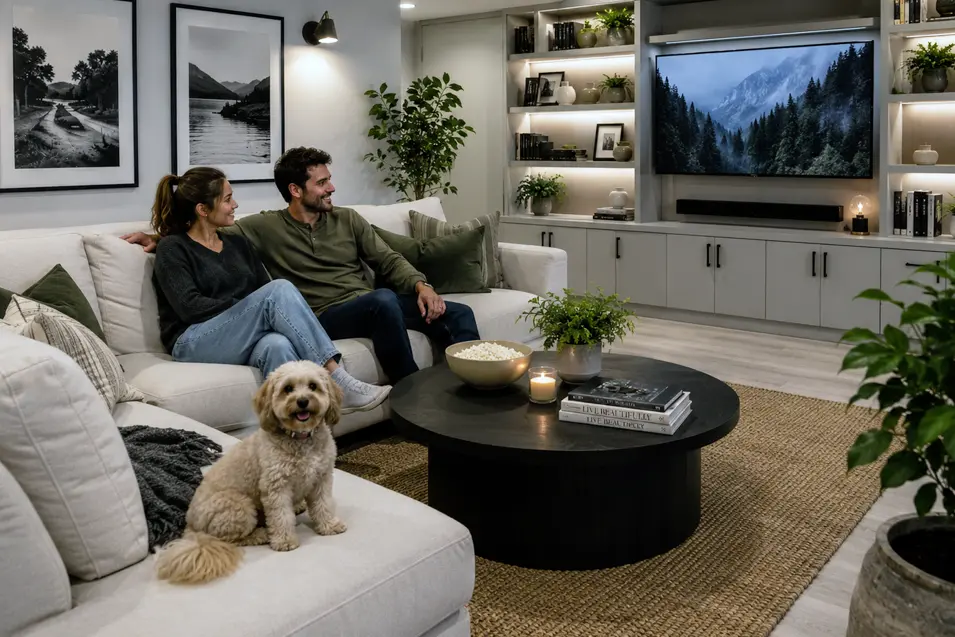
Create Pet-Friendly Living Rooms
The living room often serves as the primary gathering space for both humans and pets.
Design Priorities
- Durable upholstery
- Washable textiles
- Easy-to-clean surfaces
- Comfortable pet zones
- Protected electronics and cords
Consider where your pets naturally spend time and arrange furniture accordingly.
The goal is inclusion rather than constant restriction.
Design a Home Office Pets Will Love
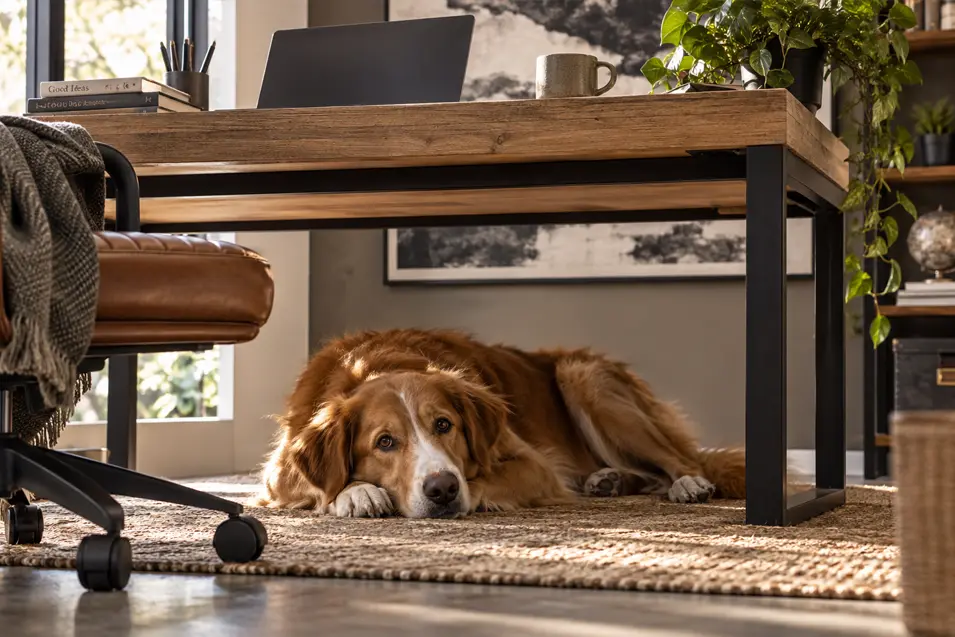
With remote work becoming more common, pets often spend much of the day in home offices.
A pet-friendly office may include:
- Cat shelves
- Window perches
- Comfortable pet beds
- Aquarium features
- Durable rugs
Creating dedicated pet spaces can help reduce interruptions while making the room more enjoyable for everyone.
Don’t Forget Indoor Enrichment
Enrichment is critical for pet health and happiness.
Without appropriate stimulation, pets may create their own entertainment—often at the expense of your furniture or belongings.
For Cats
- Cat trees
- Wall furniture
- Window perches
- Puzzle feeders
- Interactive toys
For Dogs
- Puzzle toys
- Training stations
- Rotating toy collections
- Outdoor access
- Snuffle mats
Enrichment often reduces boredom-related behaviors and improves overall well-being.
Incorporate Pet-Safe Plants
Plants contribute beauty and support biophilic design, but safety matters.
Some popular houseplants can be toxic to pets.
Pet-Friendly Options
- Spider plants
- Areca palms
- Boston ferns
- Calathea
- Parlor palms
Always verify plant safety before introducing new greenery into your home.
Consider Aquariums as Living Décor
Aquariums offer a unique opportunity to combine pet ownership and interior design.
A thoughtfully placed aquarium can serve as:
- A living room focal point
- A home office feature
- A calming wellness element
- A conversation piece
Aquariums also align beautifully with biophilic design principles by introducing water, movement, and living elements into the home.
Keep Storage Organized
Pet ownership often comes with accessories.
Without organization, clutter can quickly take over.
Store items such as:
- Food
- Treats
- Toys
- Grooming supplies
- Medications
- Cleaning products
Use attractive baskets, cabinetry, and built-in storage whenever possible.
Manage Pet Hair More Effectively
No design strategy eliminates pet hair entirely, but certain choices can help.
Helpful Strategies
- Washable slipcovers
- Leather furniture
- Robot vacuums
- Hardwood or vinyl flooring
- Regular grooming
Choosing surfaces that are easy to clean makes maintenance far more manageable.
Protect High-Traffic Areas
Certain parts of the home experience more wear than others.
Examples include:
- Entryways
- Hallways
- Feeding areas
- Favorite lounging spots
Protect these areas with:
- Washable rugs
- Durable flooring
- Protective mats
- Easily cleaned surfaces
Think About Safety
Beautiful homes should also be safe for pets.
Watch for:
- Toxic plants
- Unsecured furniture
- Exposed electrical cords
- Open balconies
- Accessible chemicals
- Small decorative items
A few preventative measures can significantly reduce risks.
Pet-Friendly Design Trends
Many current design trends work exceptionally well for pet owners.
Popular examples include:
Biophilic Design
Natural materials, plants, aquariums, and sunlight benefit both humans and pets.
Minimalism
Fewer decorative objects often means fewer hazards and easier cleaning.
Multifunctional Spaces
Integrated pet zones create cleaner, more organized rooms.
Natural Materials
Wood, stone, linen, and woven textures add warmth while complementing pet-friendly design.
Creating a Home That Works for Everyone
The best pet-friendly homes don’t feel like pet-centric homes.
Instead, they feel thoughtfully designed.
Every element serves a purpose while contributing to the overall style of the space.
By selecting durable materials, incorporating attractive pet furniture, and planning around your pets’ natural behaviors, you can create a home that remains beautiful without sacrificing comfort or functionality.
Final Thoughts
Creating a pet-friendly home doesn’t require compromising your personal style.
In fact, many modern design trends naturally support pet ownership through durable materials, functional layouts, and thoughtful organization.
Whether you’re adding stylish cat wall furniture, selecting a designer cat tree, incorporating an aquarium, or creating dedicated pet zones, the goal remains the same: a home that supports both people and pets.
With careful planning, your home can be elegant, organized, comfortable, and welcoming to every member of the family—fur included.
Frequently Asked Questions
Can a home be both stylish and pet-friendly?
Absolutely. Modern pet furniture, durable materials, and thoughtful design strategies make it easier than ever to create beautiful homes that accommodate pets.
What flooring is best for homes with pets?
Luxury vinyl plank, tile, and engineered hardwood are among the most popular choices due to their durability and ease of maintenance.
Are cat wall shelves worth it?
Many cat owners find that wall-mounted furniture provides enrichment, saves floor space, and blends more effectively with home décor than traditional pet furniture.
How can I hide pet supplies?
Built-in cabinetry, decorative baskets, storage benches, and mudroom organization systems can help keep pet items out of sight.
What plants are safe for pets?
Spider plants, Boston ferns, Areca palms, Calathea, and Parlor palms are generally considered safer options for pet-friendly homes.
How do I make my home office pet-friendly?
Include comfortable pet spaces, enrichment features, durable materials, and designated areas that allow pets to stay nearby without disrupting productivity.