
Basements can be fascinating places for cats. Filled with quiet corners, hidden spaces, unusual smells, and endless opportunities for exploration, they often attract curious felines looking for adventure. While many pet owners focus on making their main living areas cat-friendly, basements are frequently overlooked when it comes to pet safety.
Unfortunately, basements can contain a variety of hazards that pose serious risks to cats. Some dangers are obvious, such as exposed chemicals or sharp tools, but many others remain hidden in plain sight. Because cats are natural climbers, hunters, and explorers, they often encounter risks that dogs may ignore.
Understanding these overlooked basement hazards can help you create a safer environment and prevent accidents before they occur.
Why Cats Are Drawn to Basements
Cats are naturally curious animals that enjoy investigating unfamiliar spaces.
Basements often appeal to cats because they provide:
- Quiet hiding spots
- Elevated climbing opportunities
- New scents and sounds
- Cooler temperatures
- Access to insects and rodents
While these features can make basements interesting, they can also expose cats to hidden dangers that aren’t commonly found in other areas of the home.
Regular inspections and thoughtful pet-proofing can significantly improve safety.
Exposed Insulation
Many unfinished basements contain exposed insulation along walls, ceilings, or utility areas.
Cats may:
- Climb on insulation
- Scratch it
- Chew it
- Pull pieces loose during play
Insulation materials can cause irritation to the skin, eyes, and respiratory system. Ingested fibers may also create digestive problems.
Safety tips:
- Cover exposed insulation whenever possible.
- Restrict access to unfinished areas.
- Regularly inspect damaged insulation.
Protecting these materials benefits both your cat and your home’s energy efficiency.
Open Ceiling Joists and Rafters
Cats love climbing and seeking elevated viewpoints.
In unfinished basements, exposed ceiling beams and rafters can seem like the perfect feline playground.
Potential risks include:
- Falls
- Entrapment
- Access to dangerous utility areas
- Difficulty retrieving frightened cats
While cats are excellent climbers, they are not immune to accidents.
Discouraging access to exposed structural areas can reduce injury risks.
Utility Rooms and Mechanical Equipment
Basements often house essential home systems such as:
- Furnaces
- Water heaters
- Electrical panels
- Sump pumps
- HVAC equipment
These areas may contain:
- Hot surfaces
- Sharp edges
- Moving parts
- Electrical hazards
Cats can squeeze into surprisingly small spaces and may seek warmth near mechanical equipment.
Whenever possible, keep utility areas separated from pet-accessible spaces.
Stored Chemicals and Cleaning Products
Many homeowners store household chemicals in basement storage areas.
Common examples include:
- Paints
- Solvents
- Antifreeze
- Cleaning products
- Pest control products
Cats can be particularly vulnerable because they often groom themselves after walking through spills or contaminated areas.
Store chemicals:
- In sealed containers
- Inside locked cabinets
- Away from pet-accessible shelves
Even small exposures can sometimes cause serious health problems.
Rodent Control Products
Basements are common locations for rodent traps and bait stations.
Unfortunately, these products can create risks for cats.
Potential dangers include:
- Poison ingestion
- Trap injuries
- Secondary poisoning from rodents
Many cat owners assume their pets will avoid bait products, but curiosity can lead to unexpected exposure.
Choose pet-safe pest control methods whenever possible.
Hidden Crawl Spaces
Basements frequently contain crawl spaces, storage cavities, or unfinished sections that may be accessible through small openings.
Cats often view these areas as ideal hiding spots.
Risks include:
- Entrapment
- Exposure to pests
- Difficulty locating the cat
- Contact with hazardous materials
Inspect the basement regularly for openings and secure access points that could lead to unsafe areas.
Exposed Electrical Wiring
Cats may not chew cords as frequently as some dogs, but they are still vulnerable to electrical hazards.
Potential dangers include:
- Exposed wiring
- Damaged extension cords
- Loose electrical connections
- Unprotected outlets
Improve safety by:
- Covering exposed wiring
- Securing cords
- Repairing damaged cables
- Restricting access to electrical panels
Basement environments often contain more visible wiring than finished living spaces.
Stacked Storage and Climbing Hazards
Cats naturally seek elevated locations.
Unfortunately, basement storage areas often contain unstable climbing opportunities.
Examples include:
- Stacked boxes
- Shelving units
- Storage bins
- Seasonal decorations
Risks include:
- Falling objects
- Tip-over accidents
- Entrapment behind storage items
Anchor shelving units securely and avoid creating unstable stacks that may collapse if climbed.
Mold and Moisture Problems
Basements are often prone to dampness and humidity.
Excess moisture can contribute to:
- Mold growth
- Poor air quality
- Respiratory irritation
Cats with allergies, asthma, or other respiratory conditions may be particularly sensitive.
Reduce moisture by:
- Repairing leaks
- Using dehumidifiers
- Improving ventilation
- Monitoring humidity levels
Maintaining a dry basement benefits both pets and homeowners.
Small Gaps Around Utilities
Cats are experts at finding openings that humans barely notice.
Common problem areas include:
- Pipe openings
- Utility penetrations
- Wall gaps
- Access panels
These openings can lead to:
- Hidden wall spaces
- Utility chases
- Difficult-to-reach areas
Sealing unnecessary gaps can prevent cats from becoming trapped or lost within the structure of the home.
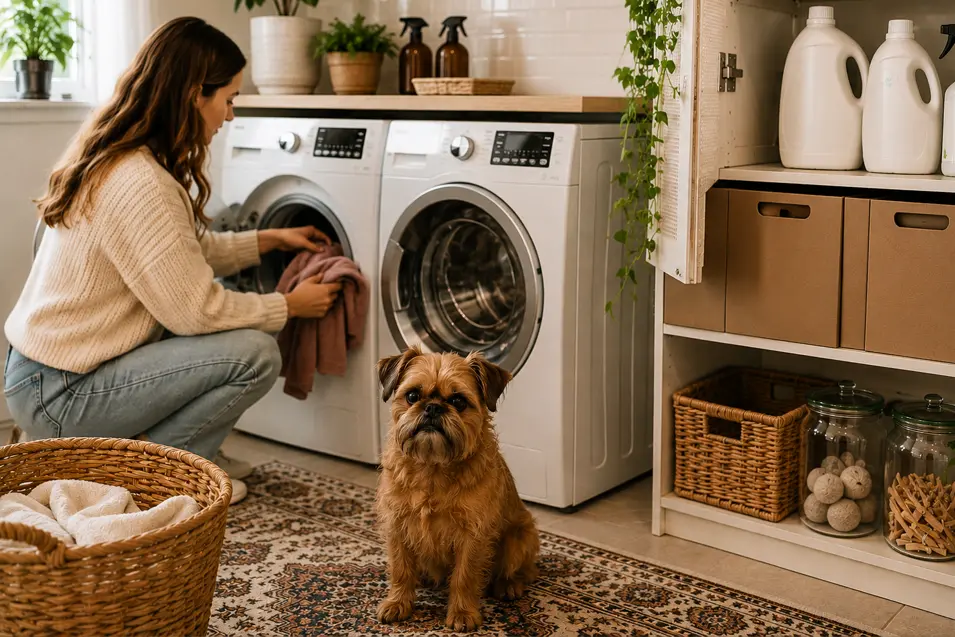
Laundry Room Dangers
Many basement laundry rooms contain products that are hazardous to cats.
Examples include:
- Detergent pods
- Bleach
- Fabric softeners
- Stain removers
Cats may walk across spilled products or investigate open containers.
Keep laundry products:
- In closed cabinets
- On secure shelves
- Properly sealed after use
Preventing exposure is far easier than treating poisoning or chemical burns.
Open Windows and Window Wells
Basement windows often create unique safety concerns.
Potential risks include:
- Escaping outdoors
- Damaged screens
- Falls into window wells
- Difficulty re-entering the home
Inspect screens regularly and ensure window wells are protected if cats have access to the area.
A determined cat may exploit even a small opening.
Forgotten Sharp Objects
Basements frequently become storage locations for tools, hardware, and renovation materials.
Hidden hazards may include:
- Nails
- Screws
- Utility blades
- Broken glass
- Metal scraps
Cats exploring dark corners can easily encounter these items.
Routine cleaning and organization can greatly reduce injury risks.
Creating a Cat-Safe Basement
A cat-friendly basement begins with understanding how cats interact with their environment.
Important safety measures include:
- Securing chemicals
- Covering insulation
- Anchoring shelves
- Managing moisture
- Restricting access to utility areas
- Eliminating climbing hazards
- Protecting electrical systems
Regular inspections can help identify risks before they become serious problems.
Protecting Curious Cats from Hidden Risks
Cats are naturally adventurous, and basements offer endless opportunities for exploration. Unfortunately, many of the dangers found in these spaces are easy to overlook because they aren’t part of everyday living areas. From exposed insulation and utility equipment to hidden crawl spaces and unstable storage systems, basement hazards can pose significant risks to curious felines.
By taking a proactive approach to basement safety, you can create a more secure environment that still allows your cat to satisfy their natural curiosity. A few thoughtful adjustments today can help prevent injuries, reduce stress, and ensure your basement remains a safe part of your pet-friendly home.