The way we think about our homes is changing. For decades, interior design focused almost exclusively on human needs—comfort, functionality, aesthetics, and lifestyle preferences. Pets, while often beloved members of the family, were generally accommodated through accessories and adaptations added after a home was designed.
Today, that mindset is rapidly evolving.
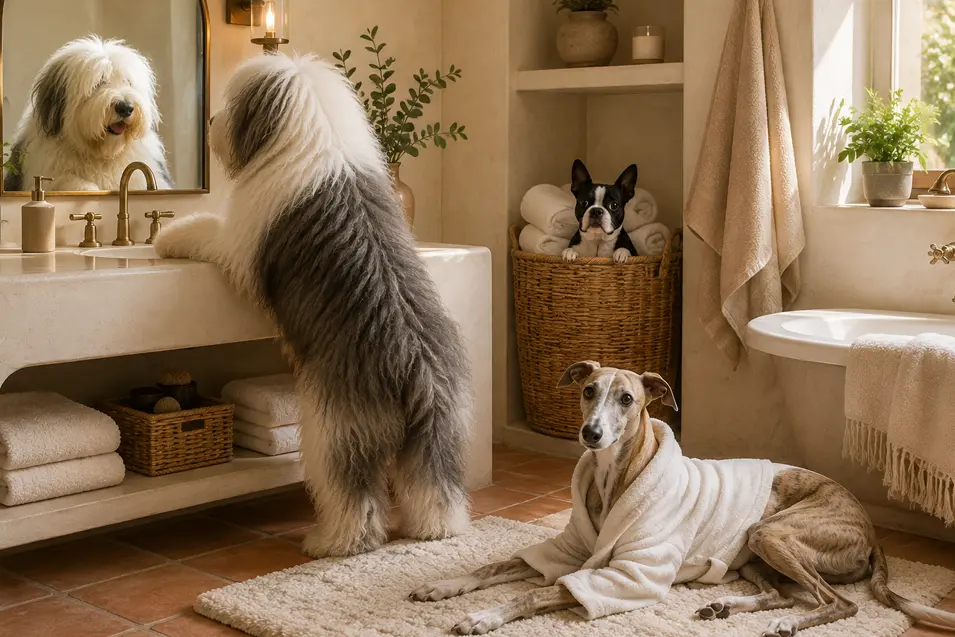
As pets become increasingly integrated into family life, homeowners, architects, and interior designers are reimagining living spaces that support the needs of both people and animals from the very beginning. The future of pet-friendly interior design is no longer about hiding a dog bed in the corner or finding a place for a litter box. Instead, it is about creating harmonious environments where every member of the household can thrive.
From built-in pet amenities and durable materials to wellness-focused spaces and smart technology, the next generation of homes is being shaped by a deeper understanding of how pets influence our daily lives.
Pets Have Become Family
One of the biggest forces driving change in interior design is the evolving role of pets within modern households.
For many people, pets are no longer viewed simply as companions. They are family members whose well-being, comfort, and happiness are deeply valued. This shift has influenced everything from travel habits and spending priorities to housing choices and home renovations.
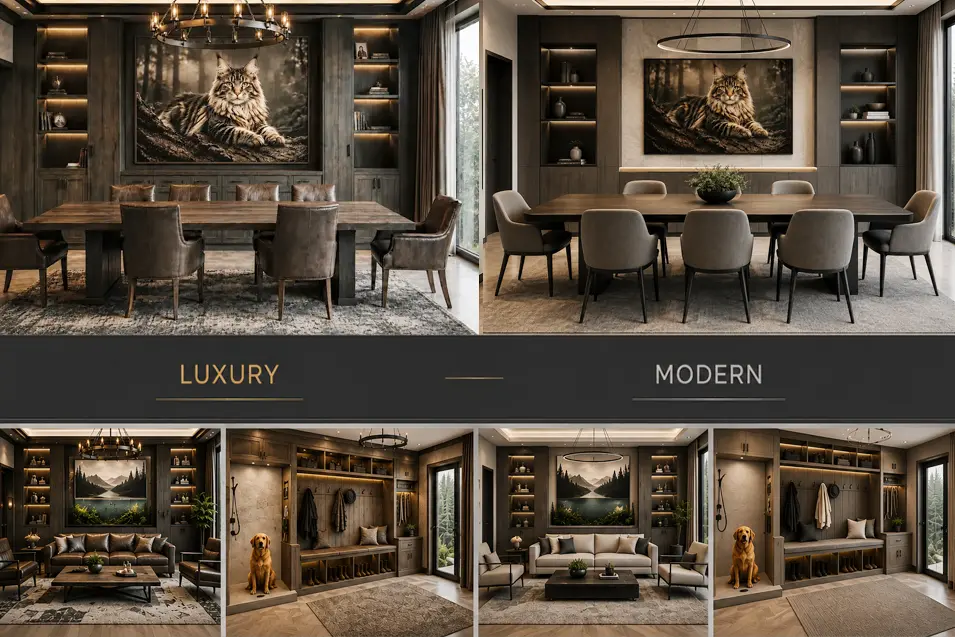
As a result, homeowners increasingly seek spaces that accommodate pets without sacrificing style or functionality. Designers are responding by integrating pet-friendly features directly into floor plans and interior concepts rather than treating them as afterthoughts.
The future home is one that acknowledges the important role pets play in family life.
Built-In Pet Features Will Become Standard
Many features that were once considered luxury additions are becoming mainstream design elements.
Future homes are likely to include:
- Built-in feeding stations
- Hidden food storage compartments
- Integrated pet beds
- Dedicated grooming areas
- Mudroom dog wash stations
- Concealed litter box enclosures
- Custom pet storage solutions
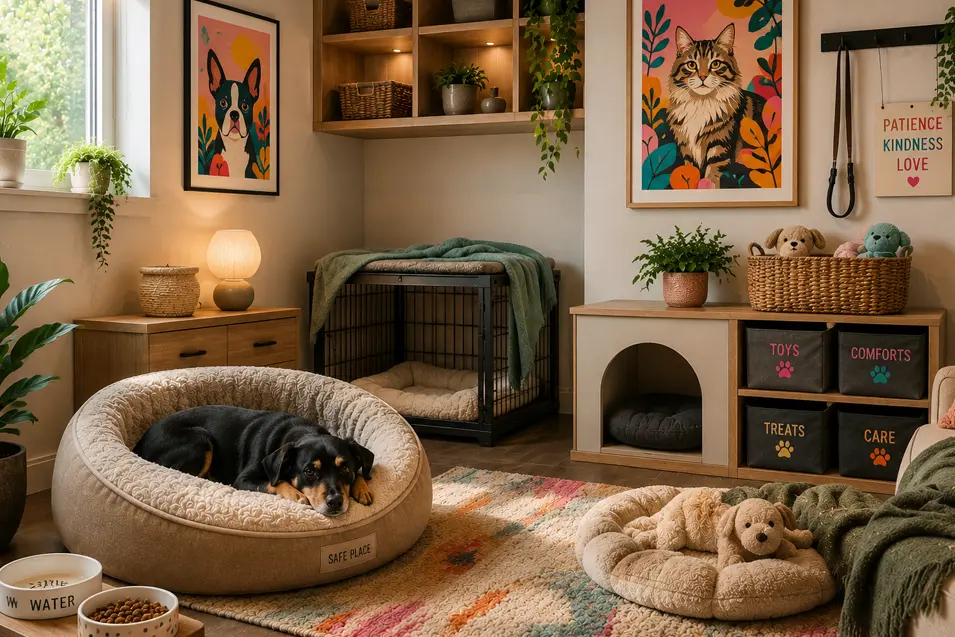
By incorporating these features directly into cabinetry, millwork, and architectural elements, designers can create cleaner, more organized spaces that seamlessly support pet ownership.
The goal is to reduce clutter while improving convenience for both pets and their owners.
Designing for Animal Wellness
As awareness of animal behavior and well-being continues to grow, pet-friendly design is becoming increasingly focused on enrichment and quality of life.
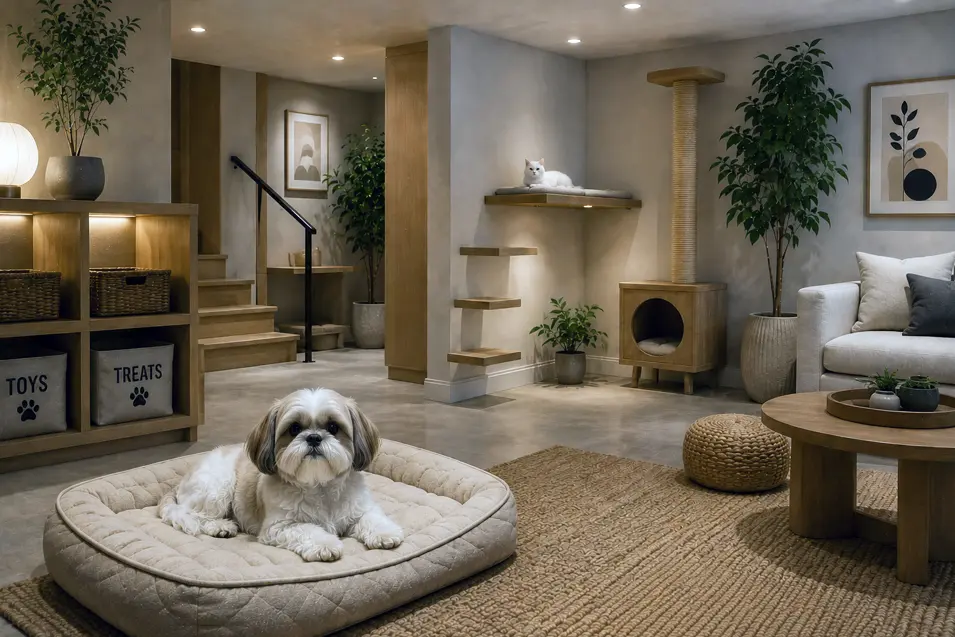
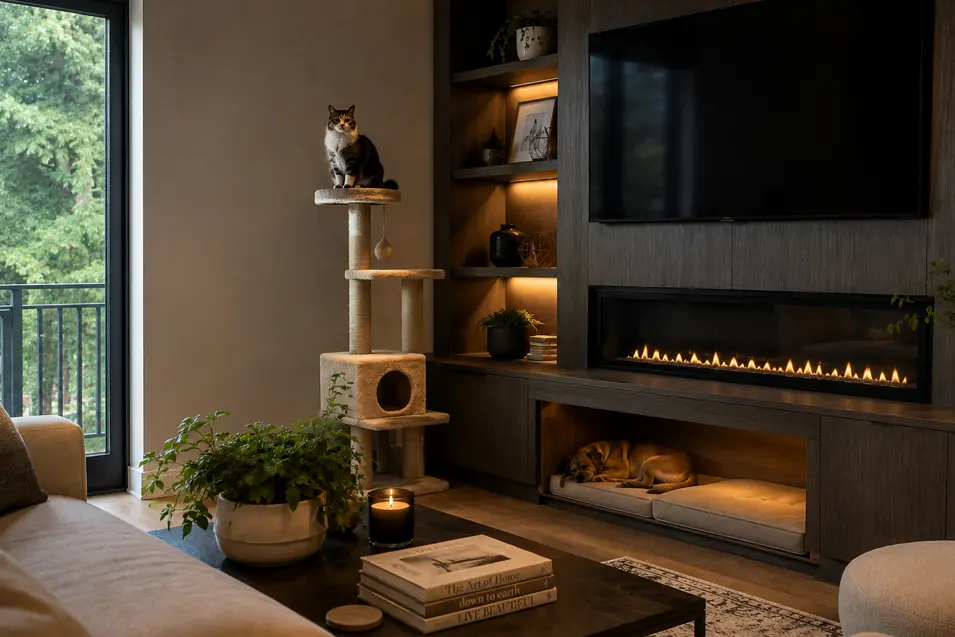
Future homes may include spaces specifically designed to support a pet’s physical and emotional health. For dogs, this might mean access to secure outdoor exercise areas and interactive environments. For cats, it could involve elevated pathways, climbing structures, and observation points that satisfy natural instincts.
Designers are beginning to recognize that environmental enrichment plays an important role in reducing stress, preventing boredom, and encouraging healthy behaviors.
This wellness-focused approach benefits pets while creating a more harmonious living environment overall.
Smarter Homes for Smarter Pet Care
Technology is expected to play a significant role in the future of pet-friendly interiors.
Smart home systems already allow homeowners to monitor temperature, security, and lighting remotely. Future innovations may further enhance pet care through:
- Automated feeding systems
- Smart water stations
- Pet activity monitoring
- Climate-controlled pet spaces
- AI-powered cameras and interaction tools
- Automated pet doors with security controls
These technologies can help owners stay connected to their pets while providing greater convenience and peace of mind.
As smart home technology continues to evolve, pet-focused features will likely become more integrated and accessible.
Durable Materials Without Sacrificing Style
One of the biggest challenges for pet owners has always been balancing durability with aesthetics.
Future interior design trends are likely to place greater emphasis on materials that can withstand scratches, accidents, shedding, and daily wear while maintaining a sophisticated appearance.
Innovations in flooring, upholstery, and surface finishes are already making this easier. Designers increasingly recommend materials such as:
- Luxury vinyl flooring
- Scratch-resistant surfaces
- Performance fabrics
- Washable textiles
- Durable engineered materials
These products allow homeowners to create beautiful spaces that remain practical for active households with pets.
Multi-Functional Living Spaces
Changing lifestyles are also influencing how homes are organized.
Remote work, flexible schedules, and increased time spent at home have highlighted the importance of adaptable living spaces. Pet-friendly interiors are following this trend by incorporating multi-functional areas that serve both human and animal needs.
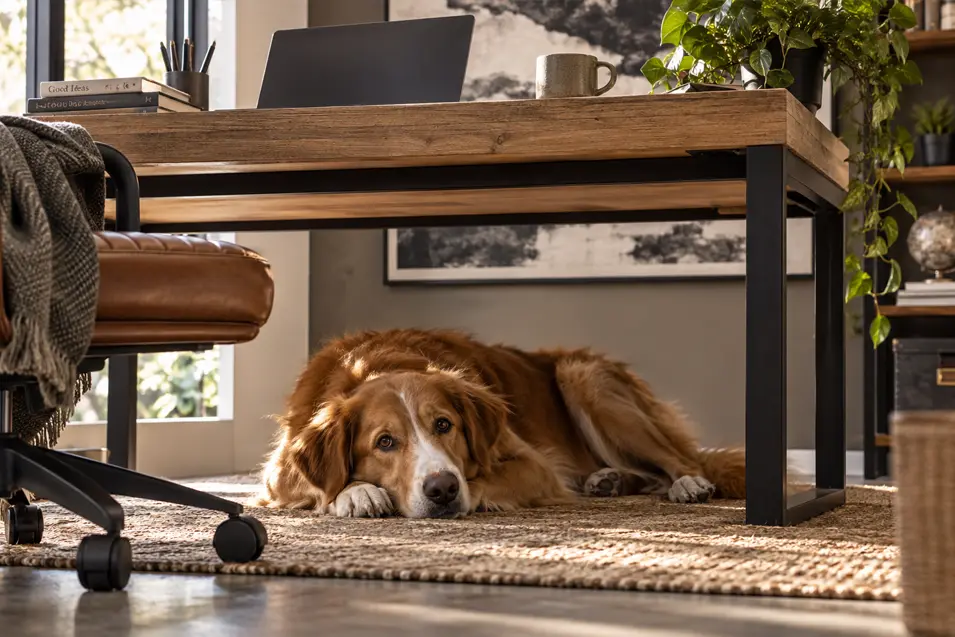
A window seat might double as a cat perch. A built-in bench may provide hidden storage for pet supplies. A home office could include a comfortable resting area for a dog to remain nearby throughout the workday.
The future of design is increasingly centered on maximizing functionality without increasing clutter.
Outdoor Spaces Will Become Extensions of the Home
As homeowners place greater value on outdoor living, pet-friendly landscaping and exterior design will continue to grow in popularity.
Future homes may feature:
- Secure pet-friendly yards
- Integrated agility features
- Shaded relaxation areas
- Pet-safe gardens
- Outdoor washing stations
- Enclosed cat patios (catios)
Rather than treating the backyard as a separate space, designers are creating seamless transitions between indoor and outdoor environments that benefit both people and pets.
These areas encourage exercise, exploration, and social interaction while improving overall quality of life.
Sustainability and Pet-Friendly Design
Sustainability is another trend shaping the future of interior design.
Homeowners are increasingly seeking environmentally responsible materials and products, and this extends to pet-related design choices as well. Eco-friendly flooring, non-toxic finishes, sustainable textiles, and responsibly sourced materials are becoming more common.
Many of these products benefit both pets and people by reducing exposure to harmful chemicals and improving indoor air quality.
As sustainable design practices continue to evolve, pet-friendly interiors will likely incorporate these principles even more extensively.
Creating Homes That Work for Everyone
Perhaps the most important shift occurring in interior design is the recognition that successful homes must support all occupants, not just the human ones.
The future of pet-friendly design is not about adding decorative pet accessories or creating isolated animal spaces. It is about thoughtfully integrating pets into the overall design process from the beginning.
Architects and designers increasingly understand that homes function best when they reflect the lifestyles of the people—and animals—who live there.
As pets continue to play a central role in modern households, homes will become more adaptable, intelligent, and inclusive. The result will be spaces that are not only more practical but also more comfortable, enriching, and enjoyable for every member of the family.
In the years ahead, pet-friendly design is likely to become less of a specialized trend and more of a standard approach to creating homes that truly support modern living.