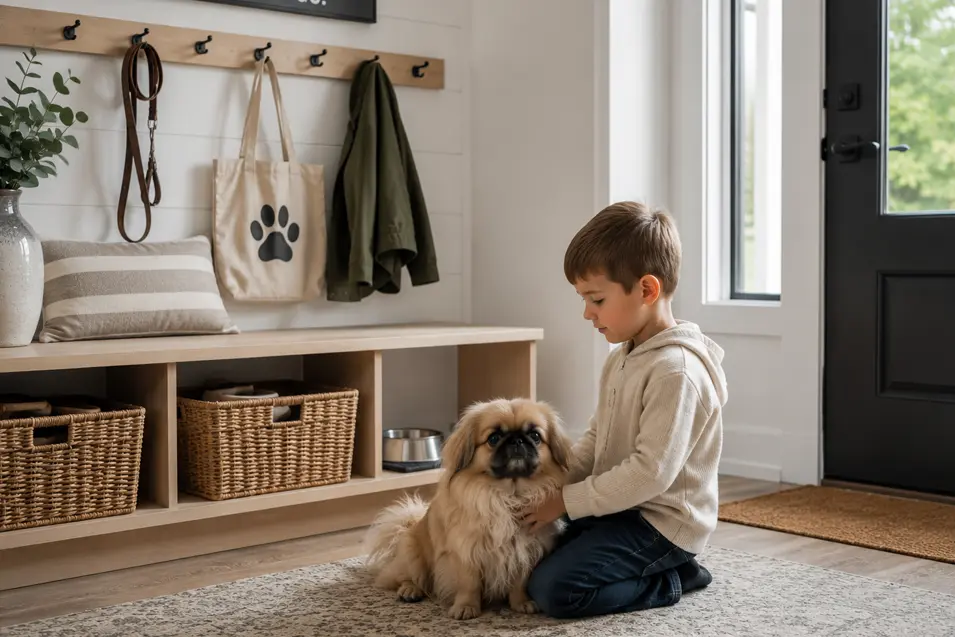
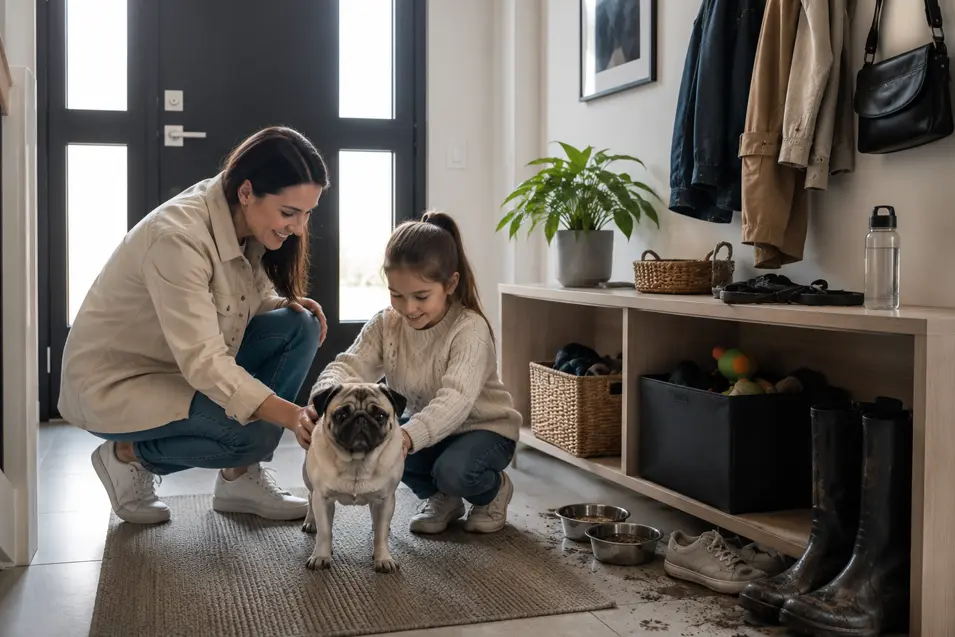
The entryway is one of the busiest areas in any home, especially for pet owners. Every walk, trip to the backyard, visitor arrival, and outdoor adventure begins and ends at the front door. Because of this constant activity, the entryway often becomes a magnet for dirt, clutter, pet gear, and daily chaos.
Unfortunately, many homeowners unintentionally design or use their entryways in ways that make life with pets more difficult. Small mistakes can lead to muddy floors, misplaced leashes, damaged flooring, cluttered spaces, and even safety concerns for dogs and cats.
The good news is that most of these problems are easy to fix once you recognize them. By avoiding a few common mistakes, you can create an entryway that is cleaner, safer, and more functional for both people and pets.
Mistake #1: Choosing the Wrong Flooring
One of the biggest mistakes pet owners make is selecting flooring based solely on appearance.
While hardwood floors, plush carpets, and delicate materials may look beautiful, they often struggle to withstand the realities of life with pets.
Entryway flooring must handle:
- Muddy paws
- Wet shoes
- Dirt and debris
- Pet hair
- Scratches from nails
- Frequent cleaning
Durable options such as luxury vinyl plank, porcelain tile, ceramic tile, and sealed concrete typically perform much better in high-traffic pet areas.
Choosing the wrong flooring often leads to premature wear, costly repairs, and constant frustration.
Mistake #2: Not Having a Place for Leashes and Gear
How many times have you searched for a leash while an excited dog waited impatiently by the door?
Without dedicated storage, pet gear quickly becomes scattered throughout the house.
Common items that need a home include:
- Leashes
- Harnesses
- Collars
- Waste bags
- Training tools
- Portable water bottles
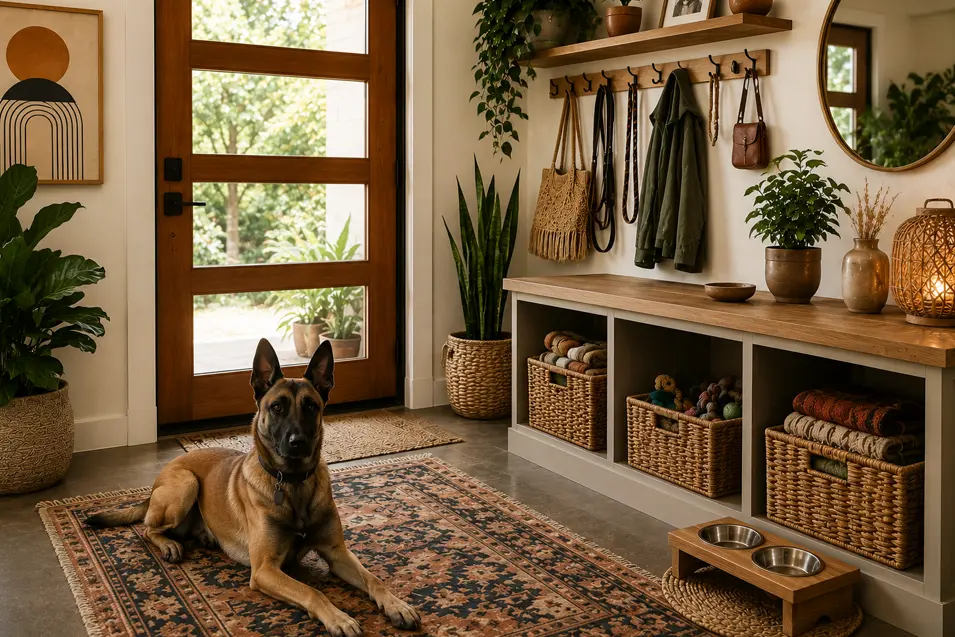
Installing hooks, cubbies, baskets, or a small storage cabinet near the entrance can eliminate much of this daily stress.
Mistake #3: Ignoring Mud and Dirt Control
Many pet owners underestimate how much dirt enters the home through the front door.
Dogs can track in:
- Mud
- Grass clippings
- Sand
- Snow
- Salt
- Dust
Without proper containment, these materials quickly spread throughout the house.
Simple solutions include:
- Outdoor scraper mats
- Indoor absorbent mats
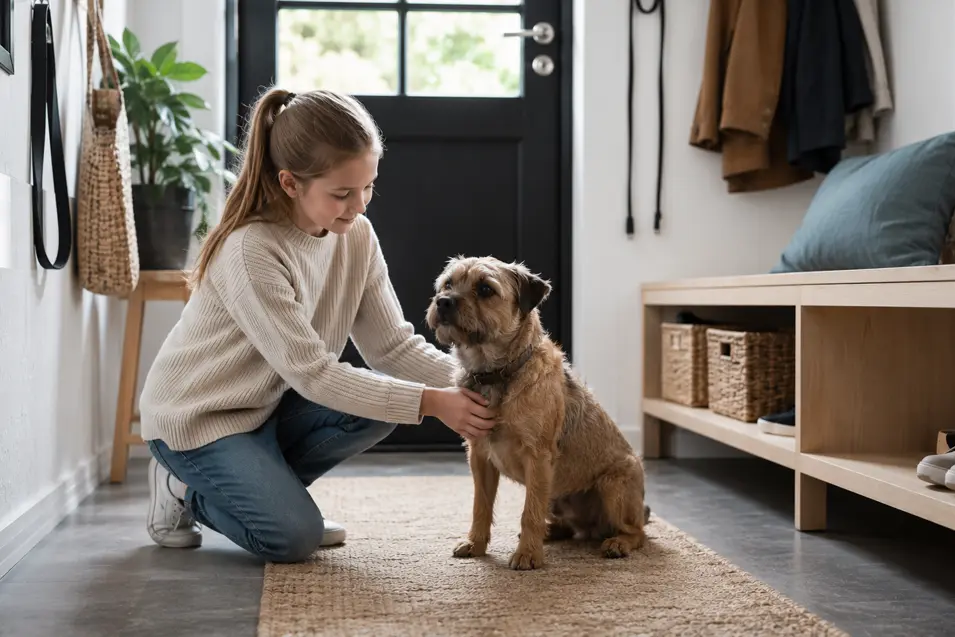
- Paw-cleaning stations
- Towel storage
The goal is to stop dirt at the entryway before it reaches other rooms.
Mistake #4: Failing to Create a Cleanup Zone
Many homeowners don’t establish a dedicated area for handling muddy paws and wet fur.
As a result, they end up chasing pets through the house with towels.
A pet-friendly cleanup zone may include:
- Towels
- Pet-safe wipes
- Paw-cleaning cups
- Waterproof mats
- Storage for cleaning supplies
Having everything within reach makes cleanup faster and more effective.
Mistake #5: Using Insufficient Storage
Pets often come with more accessories than people expect.
Toys, jackets, grooming supplies, treats, travel gear, and seasonal equipment all require storage space.
When storage is limited, clutter begins to accumulate.
Common signs of insufficient storage include:
- Overflowing baskets
- Piles of pet supplies
- Crowded floors
- Constant searching for items
Built-in cabinets, benches, shelving, and storage cubbies can help keep supplies organized.
Mistake #6: Overlooking Slip Hazards
Wet entryways can become dangerous for both pets and people.
Smooth flooring surfaces may become slippery when exposed to rain, snow, or water from cleaning routines.
Senior dogs, large breeds, and pets with joint issues are especially vulnerable.
To improve safety:
- Choose slip-resistant flooring.
- Use absorbent mats.
- Clean up moisture quickly.
- Add traction where necessary.
Preventing falls is an important part of creating a pet-friendly environment.
Mistake #7: Leaving Pet Supplies Out in the Open
Open storage can look attractive in design magazines, but it isn’t always practical for pet owners.
Dogs may chew on leashes, investigate treats, or pull items from baskets. Cats may knock objects from shelves or climb storage units.
Whenever possible, store supplies in:
- Closed cabinets
- Drawers
- Covered bins
- Storage benches
Concealed storage helps maintain both organization and safety.
Mistake #8: Forgetting About Seasonal Needs
Many entryways are designed for year-round use without considering seasonal changes.
Pet owners often need different supplies throughout the year, including:
Winter
- Towels
- Paw balms
- Boots
- Reflective gear
Spring
- Mud-cleaning supplies
- Rain jackets
- Extra mats
Summer
- Cooling gear
- Travel water bottles
- Outdoor toys
Fall
- Hiking equipment
- Training supplies
- Weatherproof accessories
Planning for seasonal storage keeps the space functional year-round.
Mistake #9: Creating an Overcrowded Entryway
In an effort to maximize storage, some homeowners overcrowd their entryways with furniture, baskets, and accessories.
While organization is important, too much furniture can create problems.
An overcrowded entryway may:
- Restrict movement
- Create tripping hazards
- Increase clutter
- Make cleaning more difficult
The best entryways balance storage with open space.
Mistake #10: Ignoring Pet Behavior
Many entryway designs focus entirely on human convenience.
However, understanding how pets actually use the space can lead to better results.
Consider:
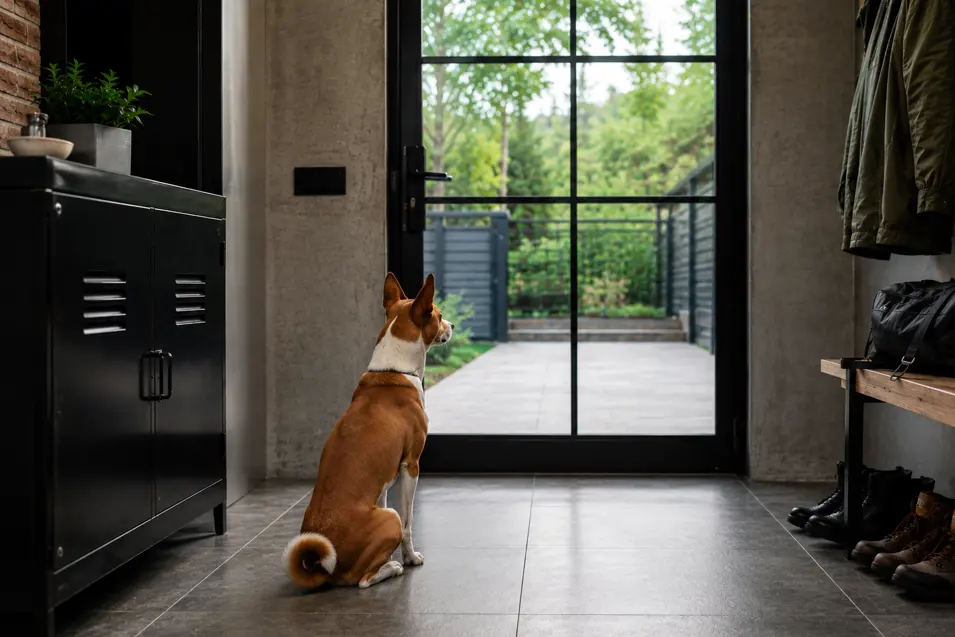
- Where your dog waits for walks
- How your cat moves through the area
- Where pets tend to track dirt
- Which supplies are used most often
Designing around real habits often produces a more practical and enjoyable space.
Mistake #11: Not Providing a Place for Pets to Wait
Many dogs become excited near the door and can create congestion during busy moments.
Providing a designated waiting area can help.
Options include:
- Washable mats
- Pet beds
- Built-in resting spaces
- Corner seating areas
A comfortable waiting spot encourages calm behavior while reducing crowding near the entrance.
Mistake #12: Neglecting Easy Maintenance
Some entryway designs look beautiful but require constant upkeep.
For pet owners, low-maintenance materials are usually the better choice.
Look for:
- Washable surfaces
- Durable finishes
- Easy-clean flooring
- Stain-resistant materials
A practical entryway should simplify life rather than create additional work.
The Benefits of Getting It Right
A well-designed entryway can:
- Reduce dirt throughout the home
- Improve organization
- Save time during daily routines
- Protect flooring
- Improve pet safety
- Make walks and outdoor activities more convenient
Small improvements often produce noticeable results.
The Bottom Line
The entryway is one of the hardest-working spaces in a pet-friendly home, yet it is often overlooked during design and organization efforts. Mistakes such as choosing the wrong flooring, lacking storage, ignoring cleanup needs, and failing to plan for pet behavior can create daily frustrations that affect the entire household.
Fortunately, most of these problems have simple solutions. By focusing on durability, organization, safety, and convenience, pet owners can create an entryway that supports both their lifestyle and the needs of their pets. The result is a cleaner, more functional home and a smoother transition between indoor comfort and outdoor adventures.