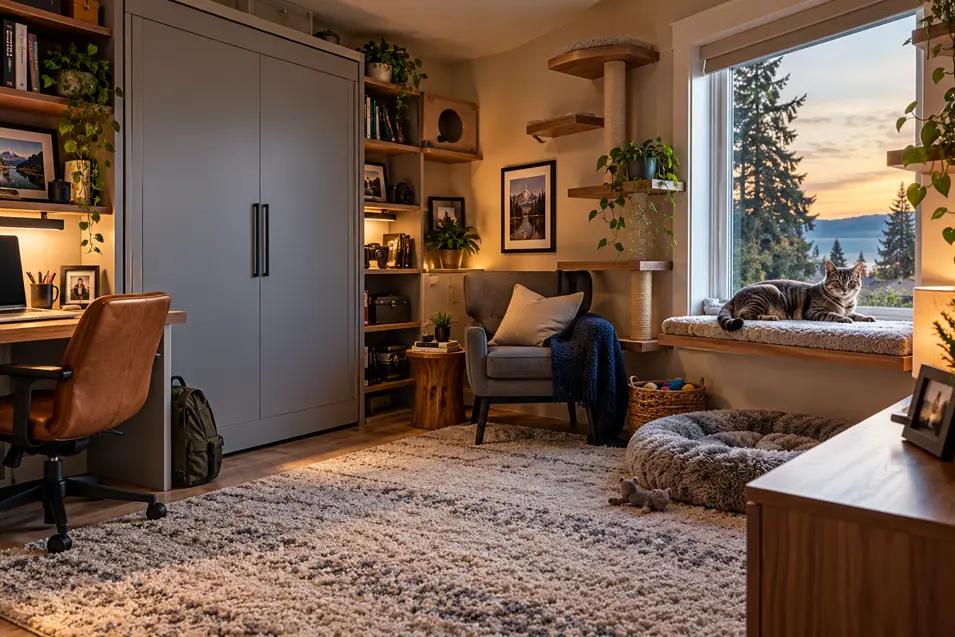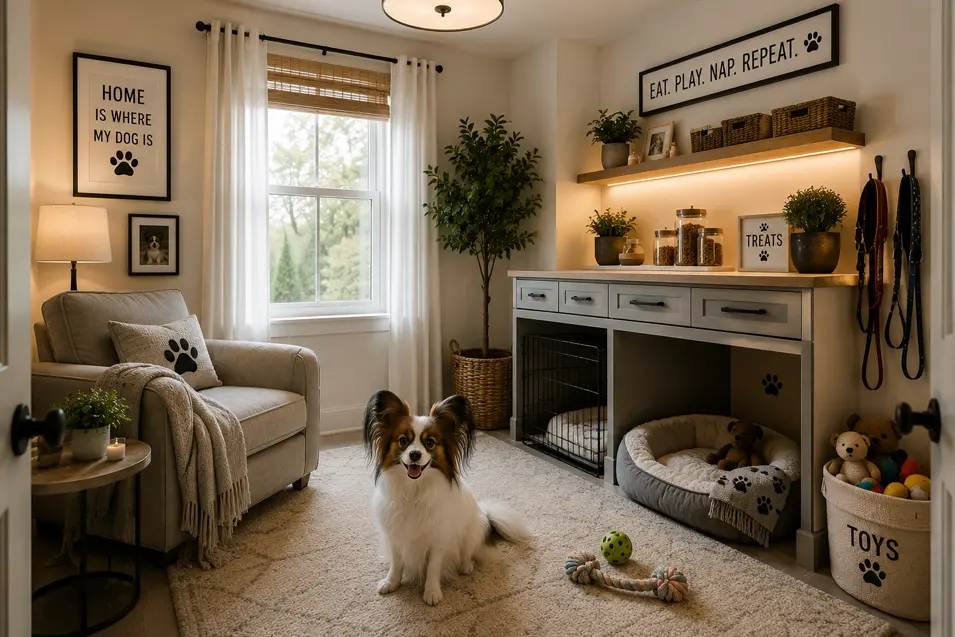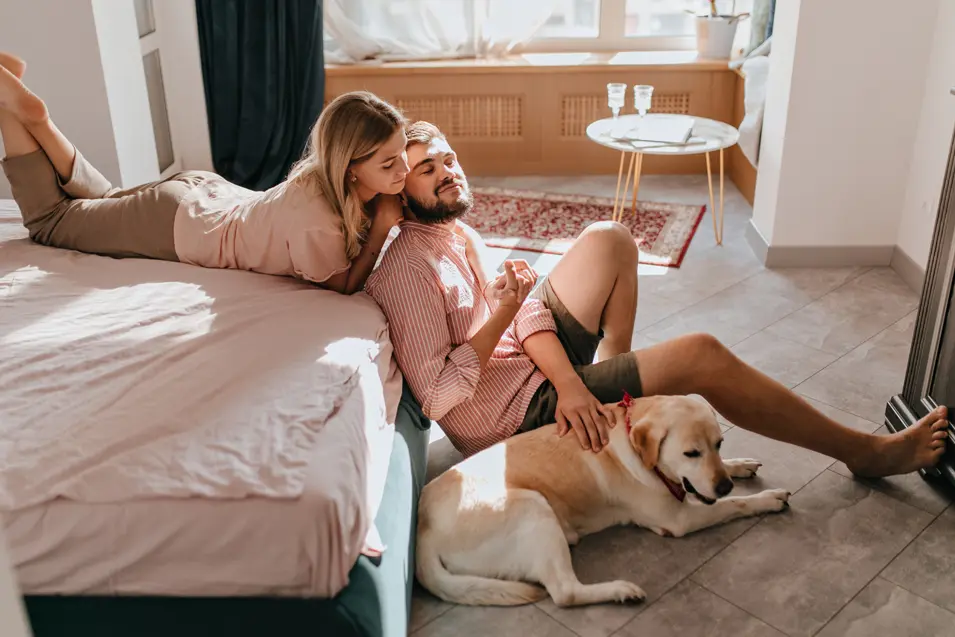

For many dog owners, the bedroom is a shared space where both humans and pets find comfort and security. While some dogs sleep on the bed, many pet owners prefer providing a dedicated dog bed within the room. The challenge is determining the ideal location for that bed.
The right placement can help your dog feel safe, improve sleep quality, reduce nighttime disruptions, and create a more organized bedroom environment. Every dog has unique preferences, but there are several proven locationsthat work well for most breeds and personalities.
Understanding your dog’s habits and needs can help you select the perfect spot for their bed while maintaining a comfortable and functional bedroom for everyone.
Why Dog Bed Placement Matters
Many pet owners focus on purchasing the right dog bed but overlook the importance of where it is placed. Location can significantly affect how often your dog uses the bed and how well they sleep.
Proper placement can provide:
- A sense of security
- Better temperature regulation
- Reduced exposure to household noise
- Easier nighttime supervision
- Improved sleep quality for both pet and owner
Dogs are naturally social animals that often prefer resting near their human family members. A thoughtfully placed bed allows your pet to feel included while still maintaining their own sleeping space.
Beside Your Bed
One of the most popular and effective locations for a dog bed is directly beside the owner’s bed.
This placement allows your dog to remain close to you throughout the night without occupying your mattress. Many dogs find comfort in being able to see, hear, and smell their owners while sleeping.
Benefits of bedside placement:
- Provides reassurance and security
- Makes it easier to monitor senior dogs or puppies
- Reduces nighttime anxiety
- Allows quick access for comforting nervous pets
This location works especially well for dogs that experience separation anxiety or those transitioning from sleeping on the owner’s bed to their own space.
If possible, choose the side of the bed that receives the least foot traffic to minimize disturbances.
At the Foot of the Bed
The foot of the bed is another excellent option for dog bed placement.
This location keeps your dog close while providing a defined personal space. Many dogs naturally gravitate toward this area because it allows them to remain near their owners while maintaining a clear view of the room.
Advantages include:
- Easy access for the dog
- Good visibility of the room
- Minimal interference with nighttime movement
- A balanced use of bedroom space
For larger breeds, placing the bed at the foot of the bed often provides more room than positioning it alongside a nightstand.
In a Quiet Corner
Some dogs prefer a more secluded sleeping environment.
A quiet corner of the bedroom can offer privacy and security, particularly for older dogs, shy pets, or dogs that become overstimulated easily.
Look for a corner that is:
- Away from doorways
- Free from direct foot traffic
- Protected from drafts
- Relatively quiet throughout the night
Creating a cozy retreat can encourage deeper, more restful sleep for dogs that prefer a sense of enclosure.
Adding a blanket, bolster bed, or partially covered bed may further enhance the feeling of security.
Near a Window
Many dogs enjoy observing the outdoors and may appreciate having their bed near a bedroom window.
This arrangement can provide:
- Natural sunlight during the day
- Entertainment through outdoor viewing
- A comfortable observation point
- Seasonal warmth from sunlight
However, there are some considerations.
Avoid placing the bed in a location that receives excessive direct sunlight during hot weather. Similarly, windows that become drafty during winter months may create uncomfortable sleeping conditions.
Monitor your dog’s behavior and adjust placement if the area becomes too warm or cold.
Away from Drafts and Air Vents
Temperature plays a major role in your dog’s comfort.
One of the most common mistakes pet owners make is placing dog beds directly beneath heating or cooling vents. While this may seem comfortable initially, constant airflow can create temperature fluctuations that disturb sleep.
Avoid placing beds:
- Directly under air conditioning vents
- Beside frequently opened windows
- Near drafty exterior walls
- Next to portable heaters
Instead, choose a location with consistent temperatures throughout the night.
This is especially important for senior dogs, puppies, and breeds with short coats.
Near the Bedroom Door
Some dogs naturally assume a protective role and enjoy sleeping near entry points.
Positioning a bed near the bedroom door may satisfy this instinct while still keeping your dog comfortable.
This location often appeals to:
- Guardian breeds
- Highly alert dogs
- Dogs that like monitoring household activity
- Pets that prefer clear sightlines
While many dogs enjoy this position, ensure the bed does not block pathways or create a tripping hazard during nighttime movement.
Under a Window Seat or Bedroom Nook
If your bedroom includes built-in seating, alcoves, or unused nooks, these spaces can make ideal dog sleeping areas.
These semi-enclosed locations often appeal to dogs because they provide:
- A den-like atmosphere
- Reduced distractions
- Enhanced security
- Efficient use of room space
Many dogs naturally seek sheltered areas when resting, making nooks particularly attractive.
Adding soft bedding and familiar blankets can help transform these spaces into favorite sleeping spots.
Locations to Avoid
While many areas of the bedroom can work well, certain locations are generally less suitable for dog beds.
Avoid placing beds:
- In direct pathways
- Behind frequently opened doors
- Next to loud electronics
- In front of closets
- Directly beside radiators or heaters
- In areas exposed to constant sunlight
These locations can lead to interrupted sleep, discomfort, or safety concerns.
A dog that consistently avoids their bed may simply dislike its location rather than the bed itself.
Consider Your Dog’s Age and Health
The best bedroom location often depends on your dog’s specific needs.
Puppies
Young dogs may benefit from sleeping closer to the owner’s bed for reassurance and easier nighttime monitoring.
Senior Dogs
Older dogs often appreciate locations with easy access and minimal obstacles. Beds should be placed where dogs can enter and exit comfortably without climbing or navigating tight spaces.
Dogs with Anxiety
Anxious pets typically prefer locations near their owners where they can feel secure and connected.
Large Breeds
Larger dogs require more floor space and should be positioned where they can stretch out fully without blocking movement.
Signs You’ve Found the Right Spot
Your dog’s behavior will often reveal whether you’ve selected a good location.
Positive signs include:
- Consistently choosing the bed
- Settling quickly at bedtime
- Sleeping through the night
- Returning to the bed voluntarily during the day
- Appearing relaxed and comfortable
If your dog repeatedly relocates to another area of the bedroom, it may be worth reconsidering the placement.
Sometimes a simple adjustment of a few feet can dramatically improve your dog’s comfort.
Creating a Bedroom Everyone Can Enjoy
The ideal dog bed location balances your pet’s comfort with the functionality of your bedroom. Whether your dog prefers sleeping beside your bed, tucked into a quiet corner, or near a favorite window, thoughtful placement can improve sleep quality and strengthen the sense of security that dogs naturally seek.
By paying attention to your dog’s preferences, age, health, and personality, you can create a dedicated sleeping space that supports restful nights for both you and your furry companion. A well-placed dog bed not only enhances your pet’s comfort but also contributes to a more organized, harmonious bedroom environment for the entire household.