Pet photography is often seen as a simple exercise in capturing cute moments, but those who practice it know there is much more involved. Behind every striking portrait is a blend of technical skill, creativity, patience, and a genuine understanding of animals. The best pet photographs do more than showcase a pet’s appearance—they tell a story, reveal personality, and preserve a unique bond between animals and the people who love them.
As pets have become increasingly recognized as cherished family members, pet photography has evolved into a respected art form. Today, professional pet portraits are displayed as fine art, treasured family keepsakes, and lasting reminders of the companions who enrich our lives.
More Than a Photograph
A great pet portrait captures something deeper than physical features. It reveals character.
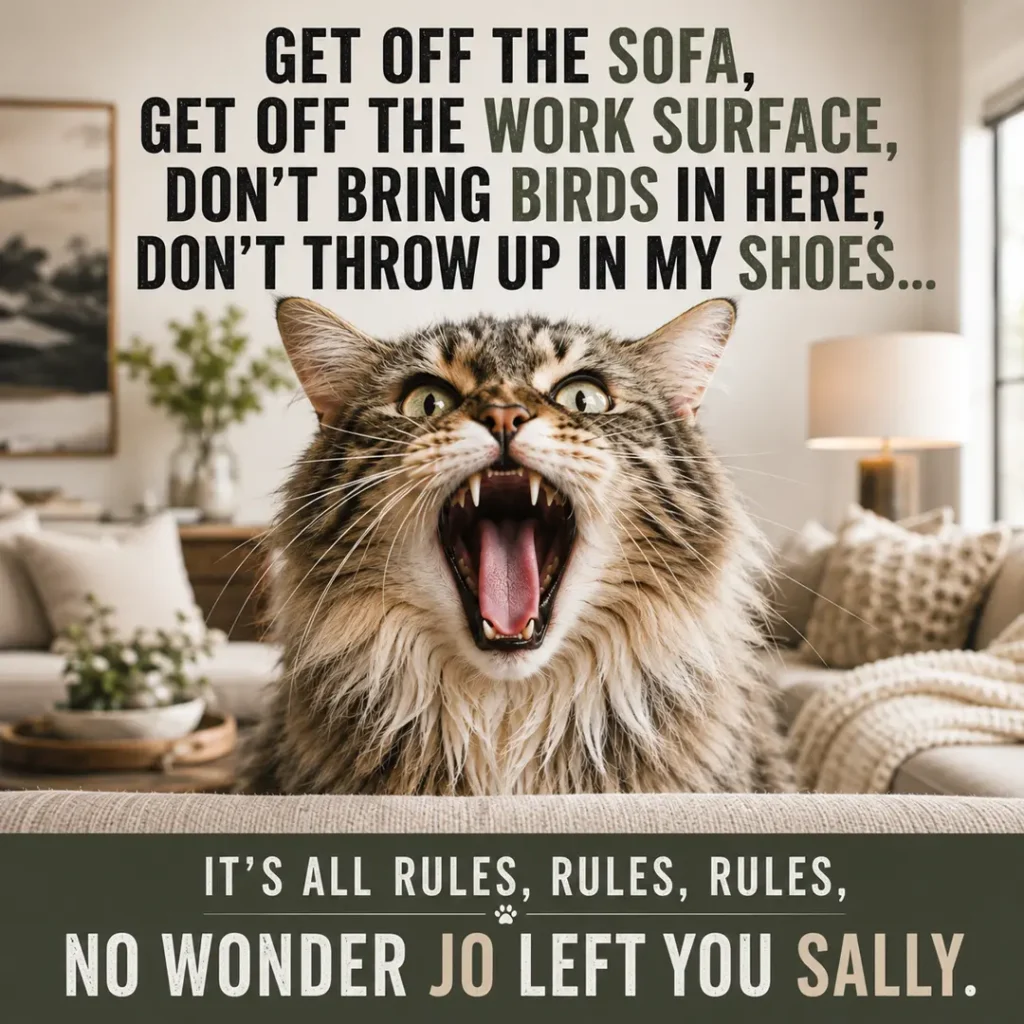
A playful dog racing across an open field communicates joy and energy. A senior cat resting quietly by a window may convey wisdom and calm. Even a simple headshot can reveal curiosity, confidence, affection, or mischief through a pet’s expression and body language.
The goal of artistic pet photography is not simply to document what a pet looks like, but to capture who they are.
This focus on personality is what transforms an ordinary image into meaningful artwork.
Understanding the Subject
Unlike human subjects, pets cannot be directed through complex poses or instructed to hold a specific expression. Successful pet photographers learn to work with an animal’s natural behavior rather than against it.
Patience is one of the most important tools behind the camera. Photographers spend time allowing pets to become comfortable with their surroundings and building trust before expecting memorable images.
Observing behavior is equally important. Some pets are energetic and adventurous, while others are calm and reserved. Understanding these differences helps photographers anticipate moments and create portraits that feel authentic.
The best images often emerge when animals are simply being themselves.
The Role of Light
Light is one of the most powerful elements in photography, and it plays a critical role in creating beautiful pet portraits.
Soft natural light can produce gentle, flattering images that emphasize texture and expression. Golden-hour lighting adds warmth and atmosphere, creating dreamy outdoor portraits. Studio lighting allows photographers to sculpt shadows and highlights for dramatic, high-impact images.
The way light interacts with fur, eyes, and facial features can dramatically influence the mood of a photograph. Skilled photographers use lighting not only to illuminate a subject but also to evoke emotion.
In many ways, light becomes another storytelling tool.
Composition and Creativity
Composition is what guides the viewer’s eye through an image. In pet photography, thoughtful composition can transform a simple portrait into a compelling work of art.
Close-up images often emphasize expression and emotional connection. Wider compositions can place pets within meaningful environments, showing how they interact with the world around them.
Creative perspectives also play an important role. Photographing at eye level helps viewers connect with the animal as an equal, while unique angles can create drama, energy, or a sense of wonder.
Background selection, framing, and depth of field all contribute to the final artistic vision.
Capturing Genuine Moments
Some of the most memorable pet photographs happen when animals are not posing at all.
A spontaneous leap, an excited tail wag, a curious glance, or a quiet moment of rest can create images filled with authenticity and emotion. These candid moments often reveal aspects of a pet’s personality that staged photographs cannot replicate.
Many photographers blend portraiture with storytelling, capturing both carefully composed images and natural interactions during a session. The result is a collection of photographs that feels genuine and complete.
These are often the images families treasure most.
The Emotional Connection
Pet photography is unique because it often carries a profound emotional significance. Pets occupy a special place in our lives, offering companionship, comfort, and unconditional love.
Photographs help preserve those relationships. They allow families to revisit meaningful memories and celebrate the animals who have shaped their lives.
For senior pets or animals facing health challenges, photography can become especially important. A portrait session offers an opportunity to document a beloved companion’s spirit and create lasting keepsakes for the future.
In these moments, photography becomes more than art—it becomes a way of preserving love.
Fine Art for Modern Homes
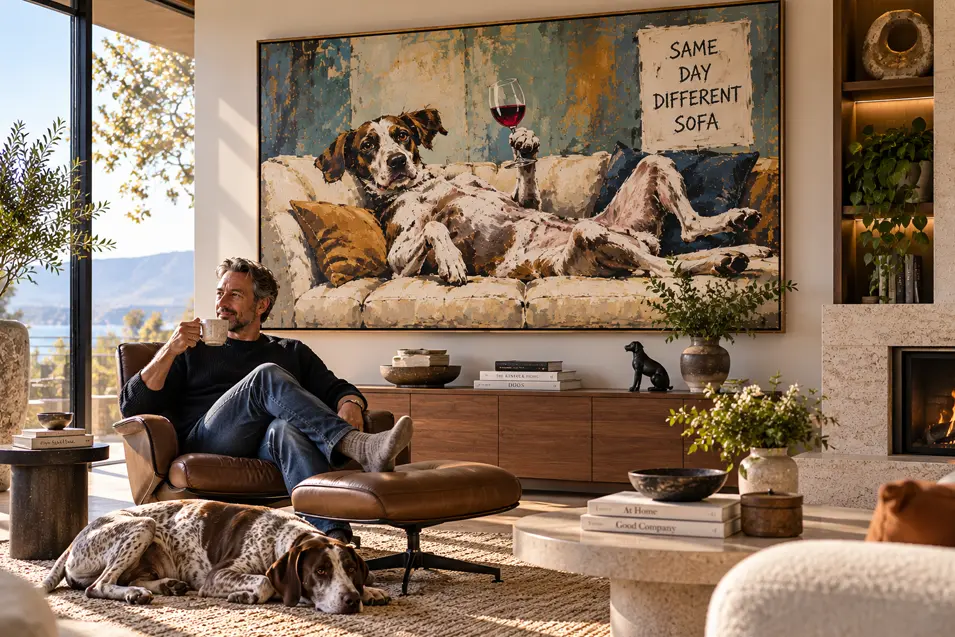
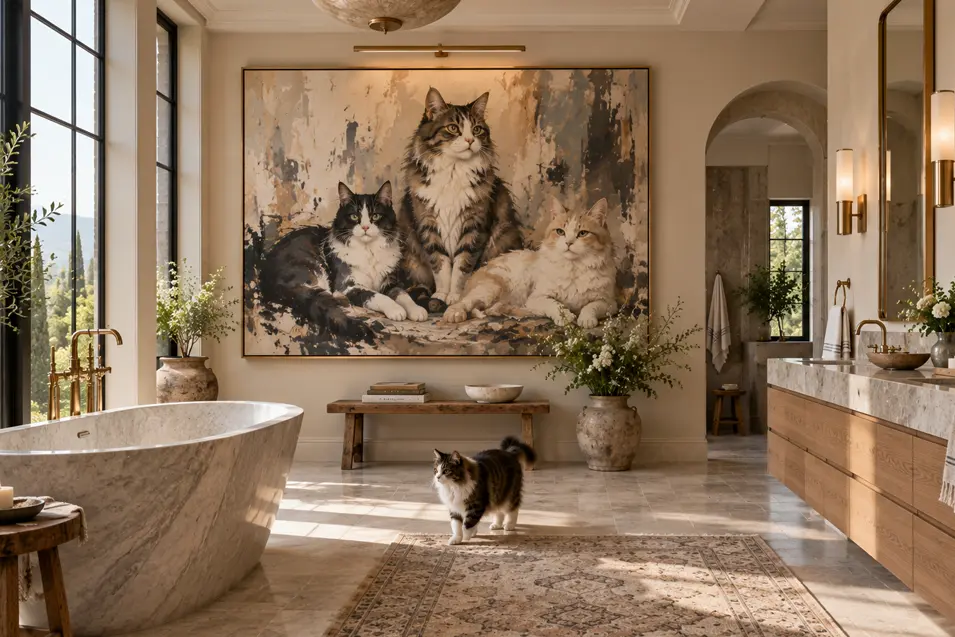
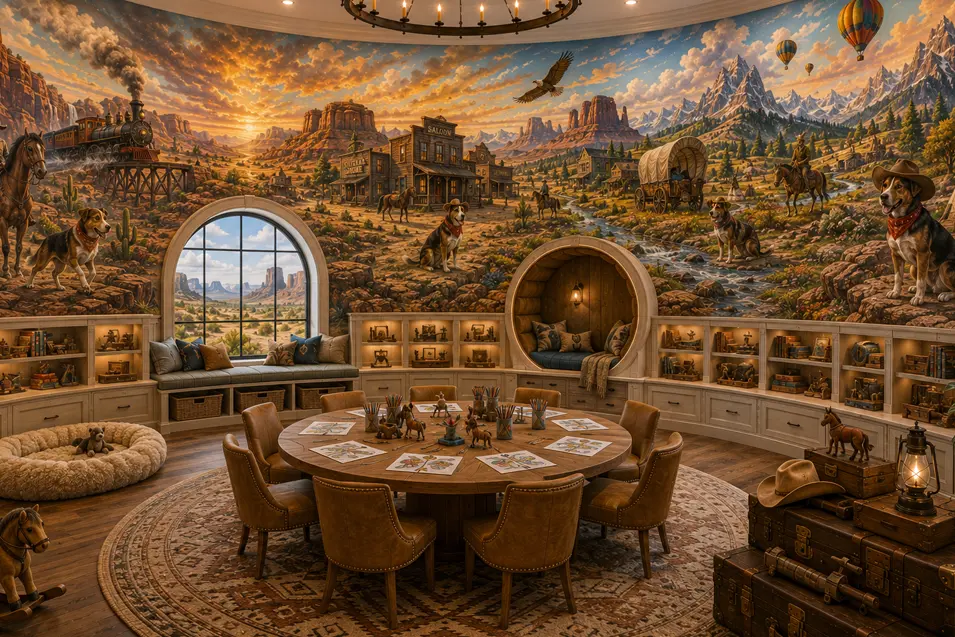
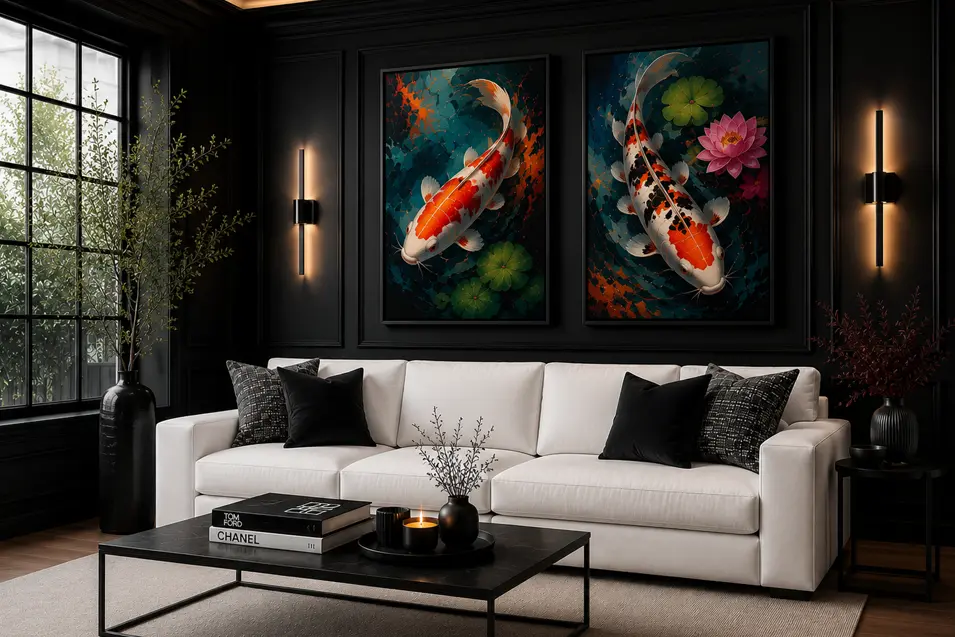
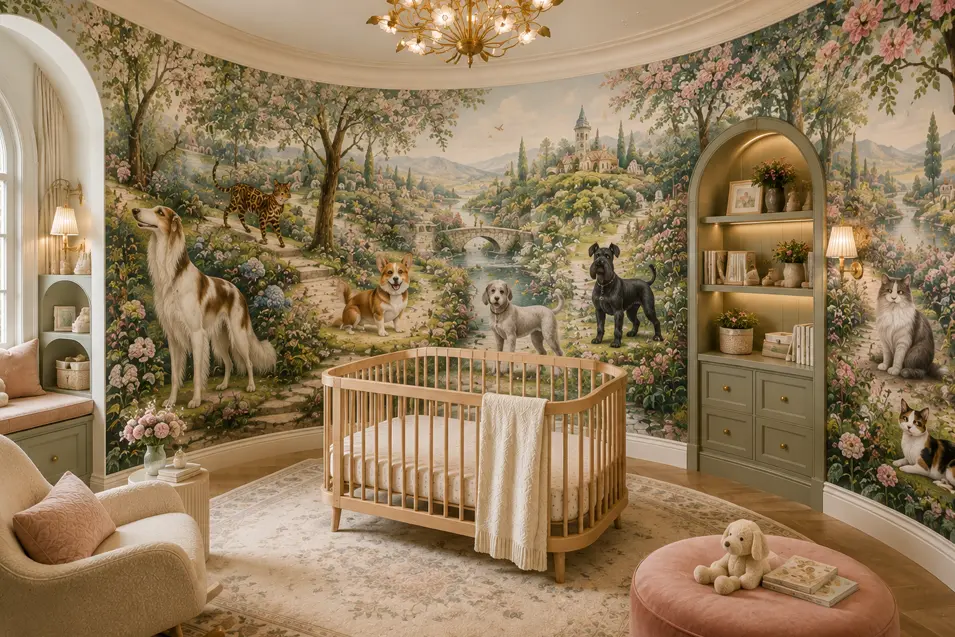
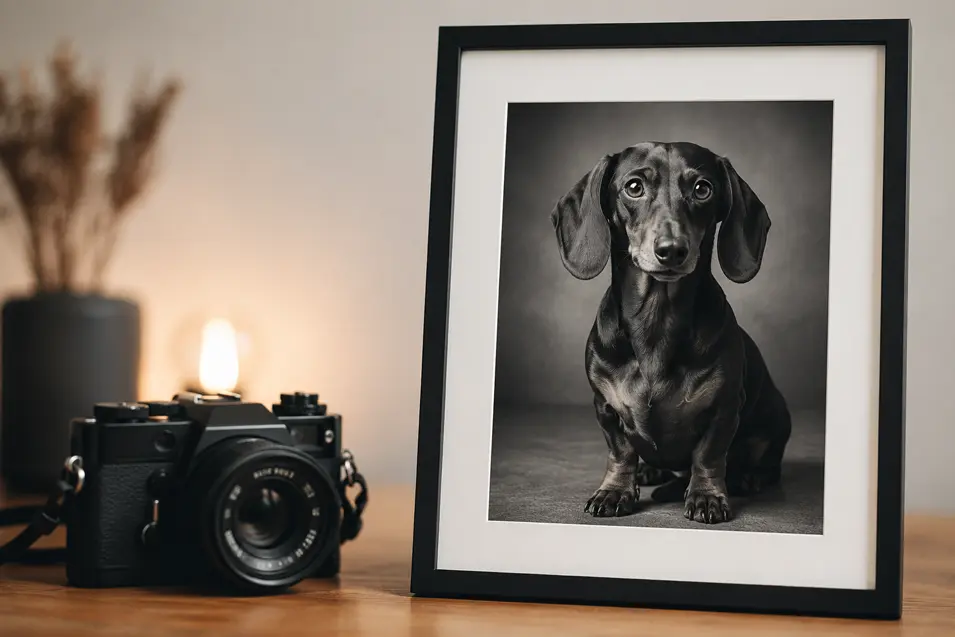
As the quality and creativity of pet photography have grown, so has its role in home décor. Large-scale prints, gallery walls, canvas artwork, and framed portraits have become popular ways to display beloved pets as part of a home’s design.
Unlike generic artwork, custom pet portraits carry personal meaning. They reflect family stories, cherished memories, and the unique personalities of the animals who share our homes.
These pieces often become focal points that combine beauty with emotional value.
A Celebration of Life and Personality
At its heart, the art of pet photography is about connection. It celebrates the individuality of animals and the relationships they share with their families.
Every pet has a story worth telling. Through thoughtful composition, creative vision, and a deep appreciation for animal behavior, photographers can transform everyday moments into timeless works of art.
Long after the session ends, these images continue to tell that story—preserving the joy, loyalty, companionship, and love that make our pets unforgettable.