
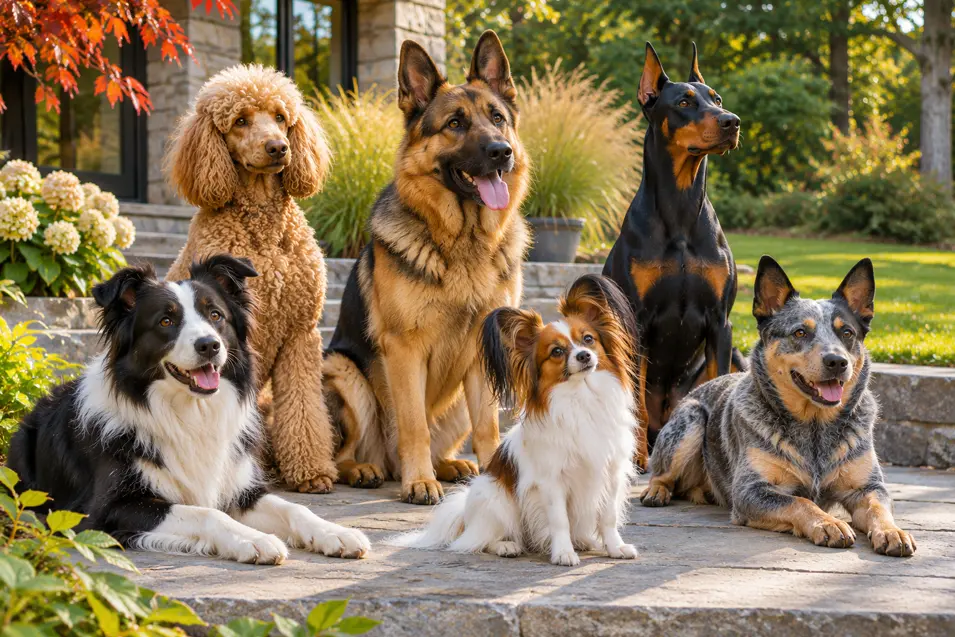
Ask a dog owner whether their pet is intelligent, and you’ll probably get an enthusiastic yes. After all, their dog knows exactly when dinner is due, recognizes the sound of the treat cupboard opening, and somehow understands the difference between an ordinary walk and a trip to the veterinarian.
But what actually makes a dog smart?
Is it the ability to learn commands quickly? Solve problems independently? Understand human emotions? Or figure out how to open a cupboard that was supposed to be dog-proof?
The answer is more complicated than you might think.
Some dogs are brilliant students, eager to learn everything their owners teach them. Others are independent thinkers who would rather find their own solutions. And some are exceptionally skilled at the jobs humans originally bred them to perform.
Using the American Kennel Club’s published ranking of 20 intelligent dog breeds, based on the work of canine intelligence researcher Dr. Stanley Coren, we’re exploring what makes each breed remarkable.
But we’re going further than simply listing the smartest dogs. We’ll look at their personalities, the challenges of living with them, and one surprising piece of trivia about each breed.
Because owning a brilliant dog can be wonderful. It can also mean living with an animal that’s clever enough to outsmart you.
How Is Dog Intelligence Measured?
Dr. Stanley Coren, a psychology professor emeritus at the University of British Columbia and author of The Intelligence of Dogs, describes three important types of canine intelligence.
Instinctive intelligence refers to the abilities dogs were bred to possess. A Border Collie naturally wants to herd, a retriever wants to retrieve, and a scent hound is remarkably skilled at following smells.
Adaptive intelligence is a dog’s ability to solve problems independently. This might involve figuring out how to reach a hidden treat, navigating an obstacle, or learning from previous experiences.
Working and obedience intelligence measures how effectively dogs learn from people and respond to training.
The ranking below primarily reflects working and obedience intelligence. It doesn’t mean that a breed appearing lower on the list is incapable of sophisticated thinking.
In fact, some exceptionally independent dogs are difficult to train precisely because they prefer making their own decisions.
The 20 Smartest Dog Breeds
1. Border Collie
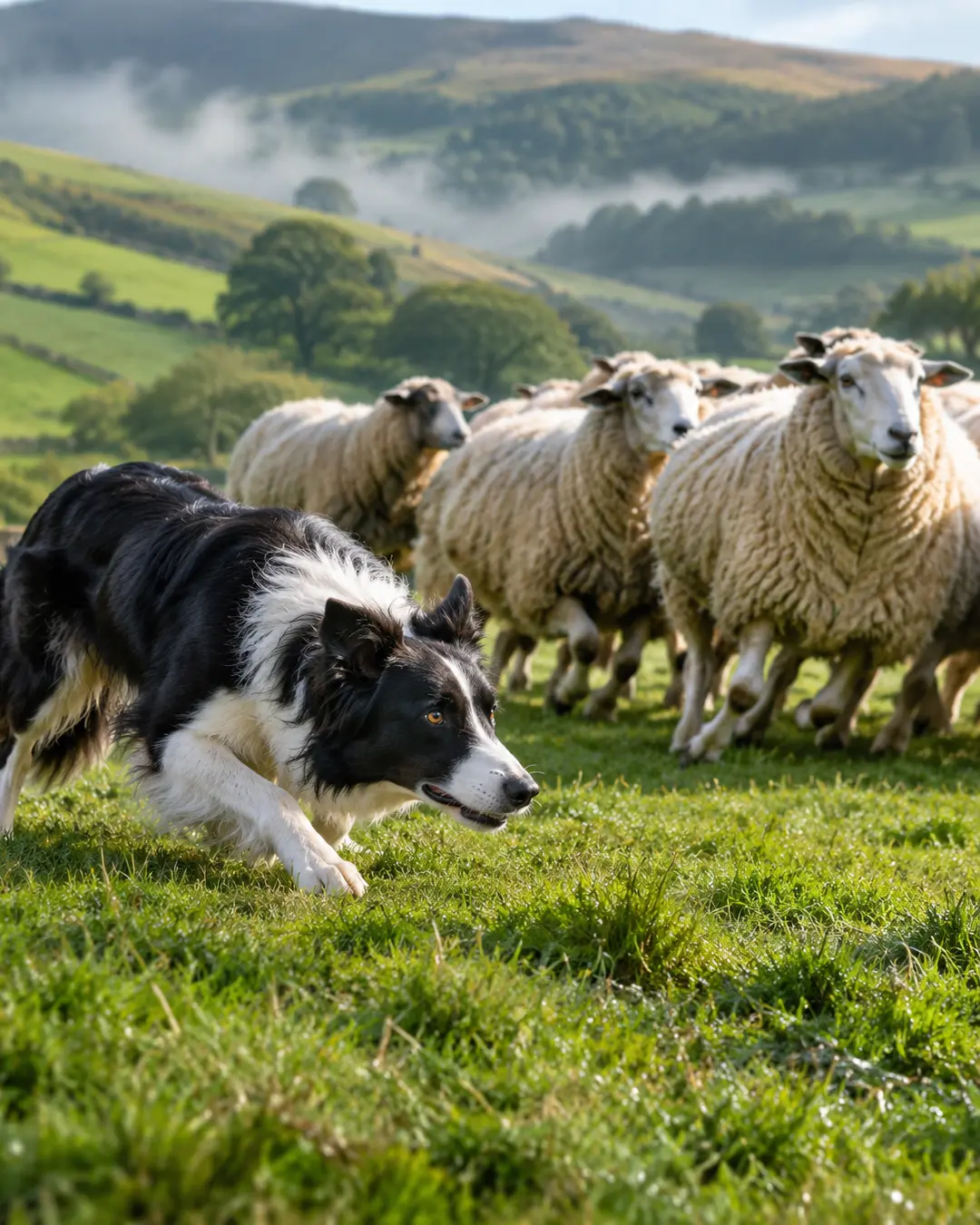
If canine intelligence were measured by academic achievement, the Border Collie would probably graduate at the top of its class.
Originally developed to herd sheep along the border between Scotland and England, Border Collies are celebrated for their concentration, responsiveness, and ability to learn complex commands.
They seem happiest when they have something meaningful to accomplish. Herding, agility, advanced obedience, and challenging games provide the mental stimulation these dogs crave.
But their intelligence comes with responsibility. A bored Border Collie may invent its own entertainment, which could include chasing moving objects, obsessively watching shadows, or attempting to herd children.
What makes them smart: Exceptional responsiveness, concentration, and the ability to learn complex sequences of tasks.
Best suited for: Active, experienced owners who enjoy training and providing daily mental and physical challenges.
Did You Know? A Border Collie named Chaser became famous for learning the names of more than 1,000 objects. She could distinguish individual toys by name, demonstrating remarkable word-learning abilities.
2. Poodle
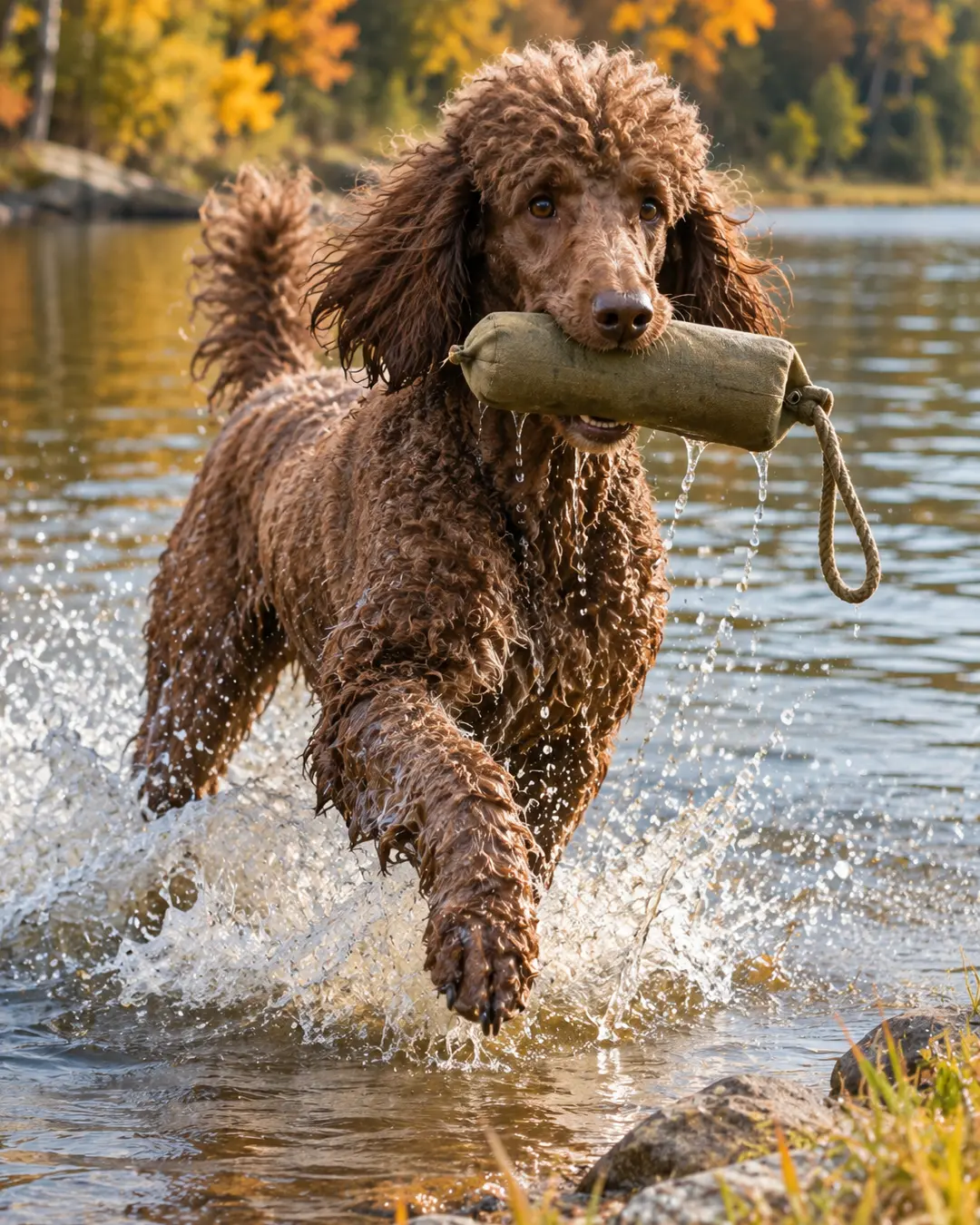
The Poodle’s elaborate haircut sometimes overshadows its extraordinary intelligence.
Available in Standard, Miniature, and Toy varieties, Poodles are enthusiastic learners who often excel at obedience, agility, and complicated tricks.
They’re particularly good at recognizing patterns and responding to consistent training. Their combination of athleticism, curiosity, and willingness to cooperate makes them wonderfully versatile companions.
Poodles also need plenty of interaction. Without mental stimulation, their creativity may find less desirable outlets.
What makes them smart: Fast learning, adaptability, and excellent problem-solving abilities.
Best suited for: Families and individuals willing to provide regular training, exercise, companionship, and coat care.
Did You Know? The Poodle’s famous haircut wasn’t originally just a fashion statement. Traditional clips helped protect important areas of the body while allowing these water-retrieving dogs to swim more efficiently.
3. German Shepherd Dog
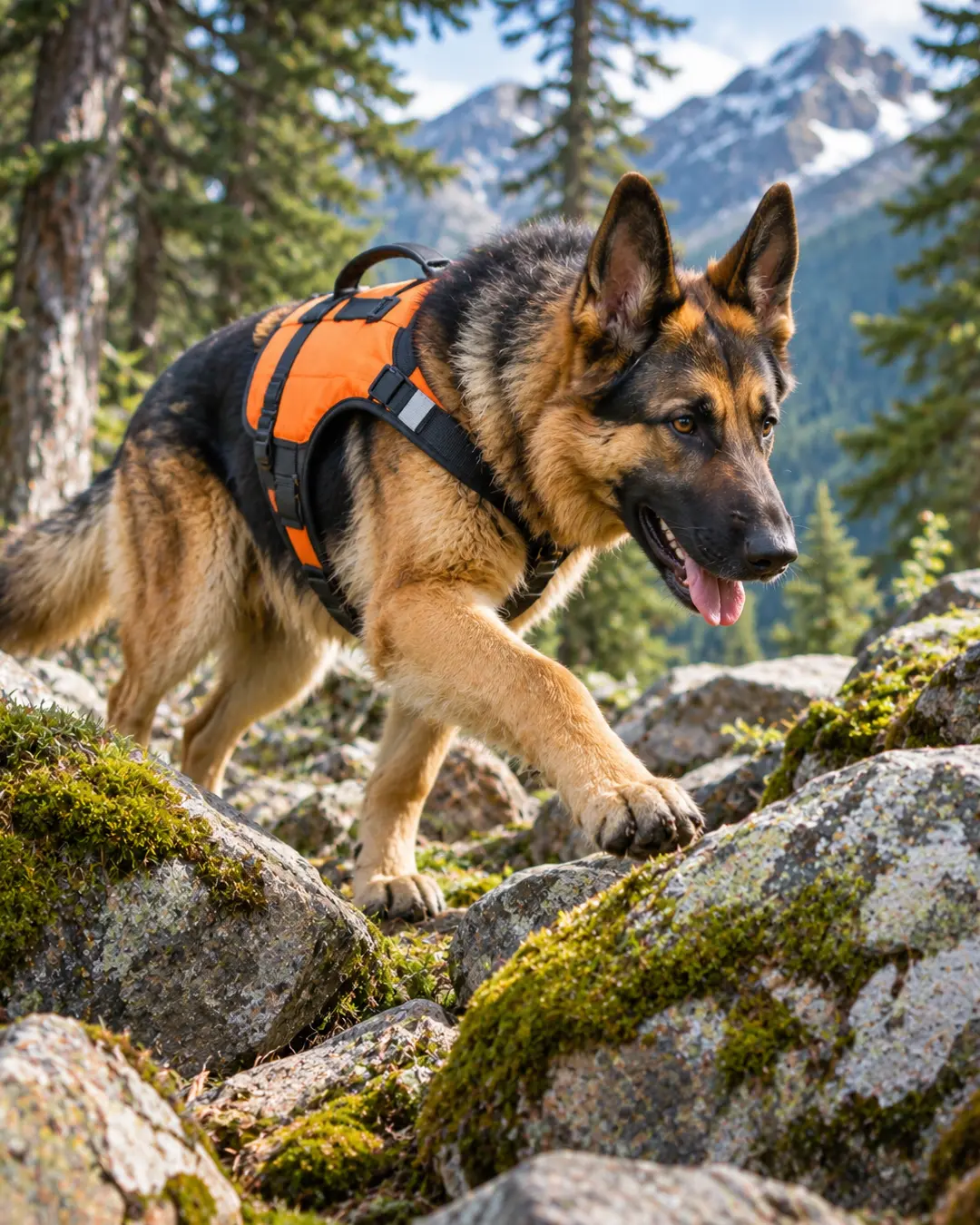
Few breeds demonstrate the practical applications of canine intelligence as clearly as the German Shepherd.
Originally developed for herding, German Shepherds became renowned for their work in police services, search and rescue, assistance roles, and detection.
Their ability to concentrate, interpret commands, and work closely with human handlers makes them exceptionally capable working dogs.
However, these abilities also mean German Shepherds require thoughtful socialization, consistent training, and regular opportunities to use their minds.
What makes them smart: Versatility, trainability, confidence, and the ability to perform demanding tasks.
Best suited for: Committed owners who can provide structure, exercise, socialization, and ongoing training.
Did You Know? Strongheart and Rin Tin Tin, two early canine movie stars, helped establish the German Shepherd’s international reputation. Rin Tin Tin became one of Hollywood’s most recognizable animal performers during the silent-film era.
4. Golden Retriever

Golden Retrievers combine intelligence with an unusually cooperative personality.
Their enthusiasm for working with people makes them excellent candidates for obedience training, retrieving, assistance work, and many family activities.
Unlike some highly independent breeds, Golden Retrievers are generally eager to participate in whatever their owners are doing.
Their friendly temperament and trainability have also helped make them popular service and therapy dogs.
But don’t mistake their agreeable personalities for a lack of energy. Young Golden Retrievers can be exuberant and require substantial exercise, supervision, and training.
What makes them smart: Strong trainability, responsiveness, retrieving instincts, and willingness to cooperate.
Best suited for: Active families and owners seeking an affectionate, trainable companion.
Did You Know? Golden Retrievers were developed in Scotland during the nineteenth century. Their history is closely associated with Lord Tweedmouth, who sought a capable retriever suited to the challenging terrain and conditions of the Scottish Highlands.
5. Doberman Pinscher
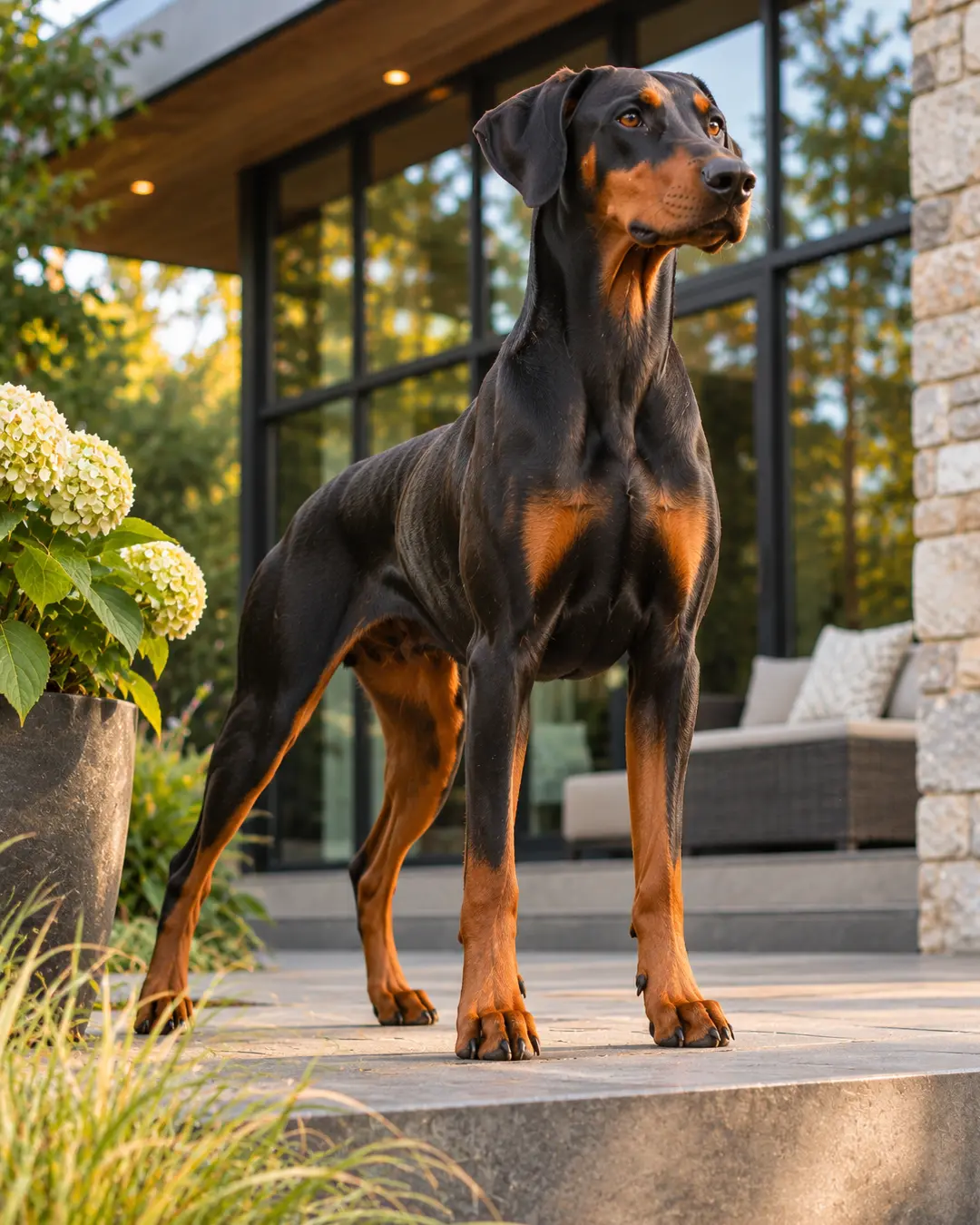
The Doberman is an impressive combination of intelligence, athleticism, and attentiveness.
Developed in Germany as a protective working dog, the breed is known for learning quickly and responding closely to its handler.
Dobermans often excel in obedience, tracking, and demanding physical activities. They tend to be observant dogs that notice changes in their surroundings.
Their intelligence also makes consistent socialization and training essential. A Doberman needs guidance, companionship, and opportunities to exercise both mind and body.
What makes them smart: Quick learning, attentiveness, working ability, and responsiveness to training.
Best suited for: Experienced, active owners who appreciate structured training and close companionship.
Did You Know? The breed takes its name from Karl Friedrich Louis Dobermann, a German tax collector who wanted a dependable dog to accompany him during his work.
6. Shetland Sheepdog
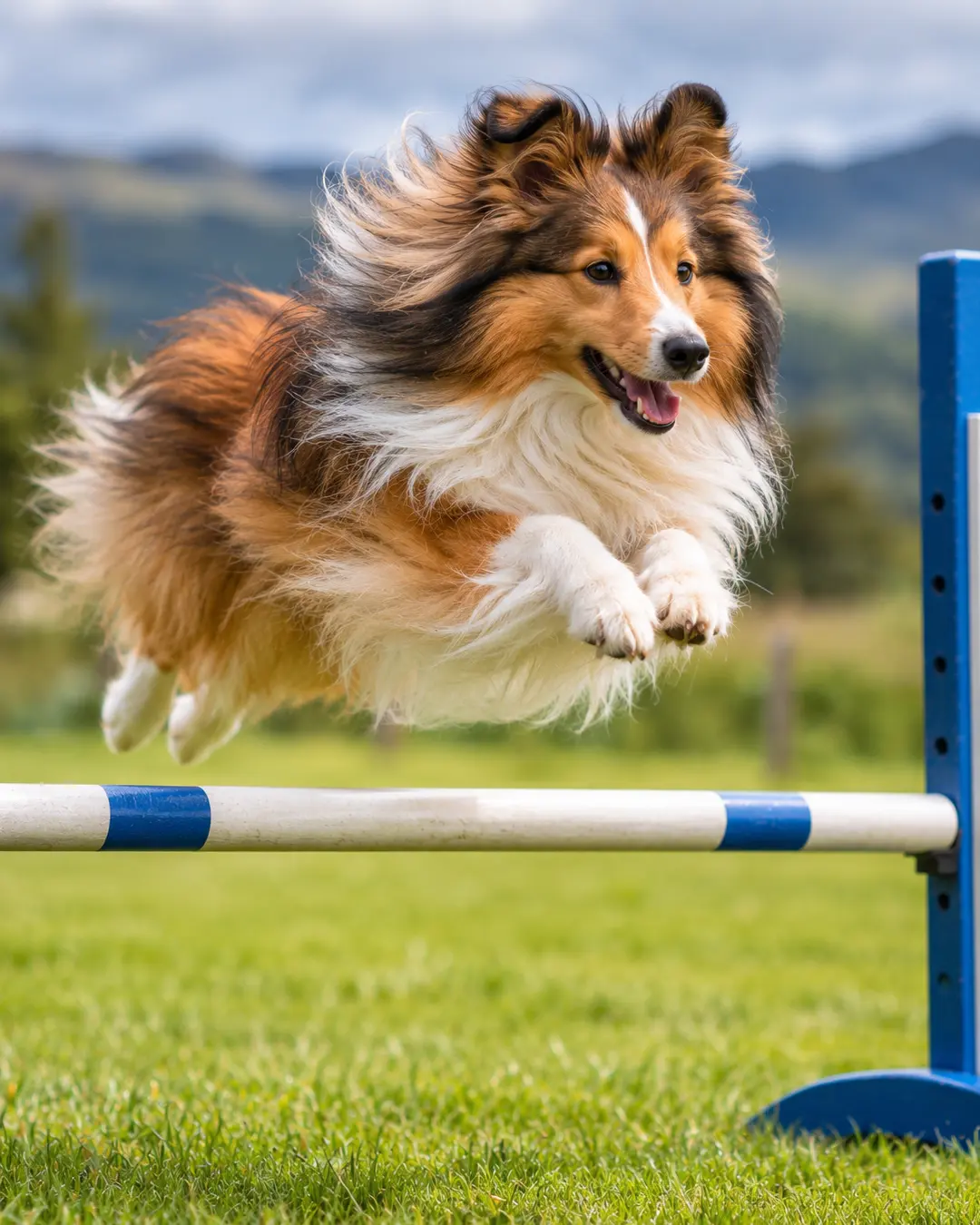
The Shetland Sheepdog, affectionately known as the Sheltie, might be small, but its intelligence is enormous.
Originally developed as a herding dog in Scotland’s Shetland Islands, the Sheltie combines agility, alertness, and an impressive ability to learn.
These dogs frequently excel in obedience and agility competitions, where their quick reactions and close attention to their handlers are major advantages.
Shelties are often sensitive to their surroundings, so positive, encouraging training is especially valuable.
What makes them smart: Rapid learning, agility, responsiveness, and strong herding instincts.
Best suited for: Owners who enjoy interactive training and can provide exercise, companionship, and mental stimulation.
Did You Know? Despite resembling a miniature Rough Collie, the Shetland Sheepdog is a distinct breed developed for the challenging conditions of the Shetland Islands.
7. Labrador Retriever

Labrador Retrievers have earned their reputation as versatile, dependable working companions.
Their intelligence, enthusiasm, and willingness to cooperate make them outstanding candidates for retrieving, detection, assistance work, and obedience training.
Labs tend to be highly motivated by food, toys, and praise, which can make training particularly rewarding.
However, that enthusiasm sometimes comes with an impressive appetite and an equally impressive ability to find trouble.
A Labrador that isn’t given enough exercise or stimulation may decide that chewing furniture is a perfectly reasonable hobby.
What makes them smart: Trainability, retrieving ability, adaptability, and strong motivation to work with people.
Best suited for: Active families and individuals who enjoy outdoor activities and regular training.
Did You Know? Despite their name, Labrador Retrievers trace their early development to Newfoundland, Canada. Their ancestors worked alongside fishermen, retrieving objects and assisting around boats.
8. Papillon
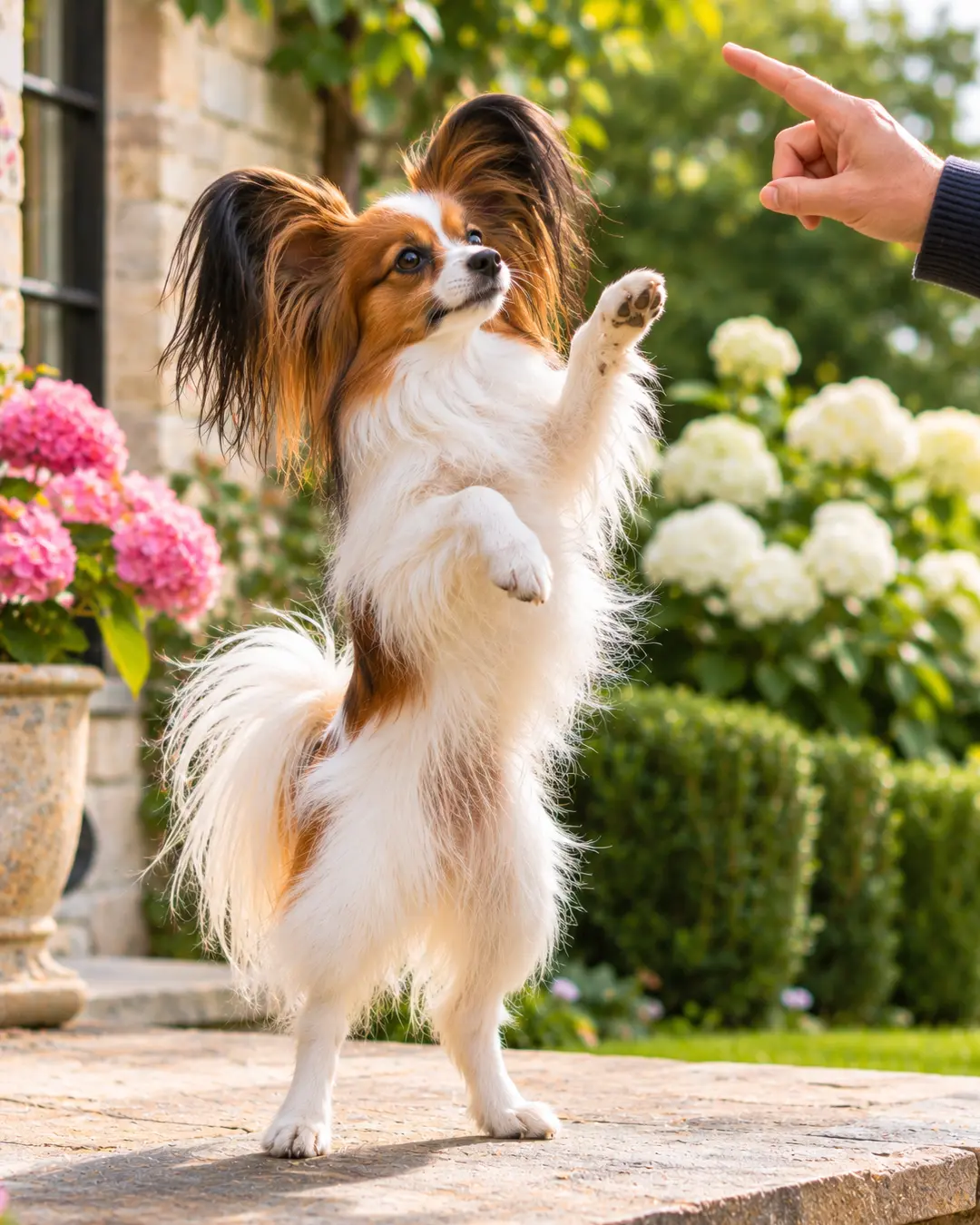
Never underestimate a dog because of its size.
The Papillon is one of the smallest breeds on this list, yet its intelligence rivals that of much larger working dogs.
Energetic, curious, and remarkably agile, Papillons frequently excel in obedience and dog sports.
They learn quickly and enjoy activities that challenge their minds, making them excellent companions for people who appreciate an interactive little dog.
What makes them smart: Fast learning, agility, attentiveness, and enthusiasm for training.
Best suited for: Owners seeking a small, lively companion who enjoys games and learning new skills.
Did You Know? Papillon means butterfly in French, referring to the breed’s distinctive upright ears. The drop-eared variety is known as the Phalène, meaning moth.
9. Rottweiler
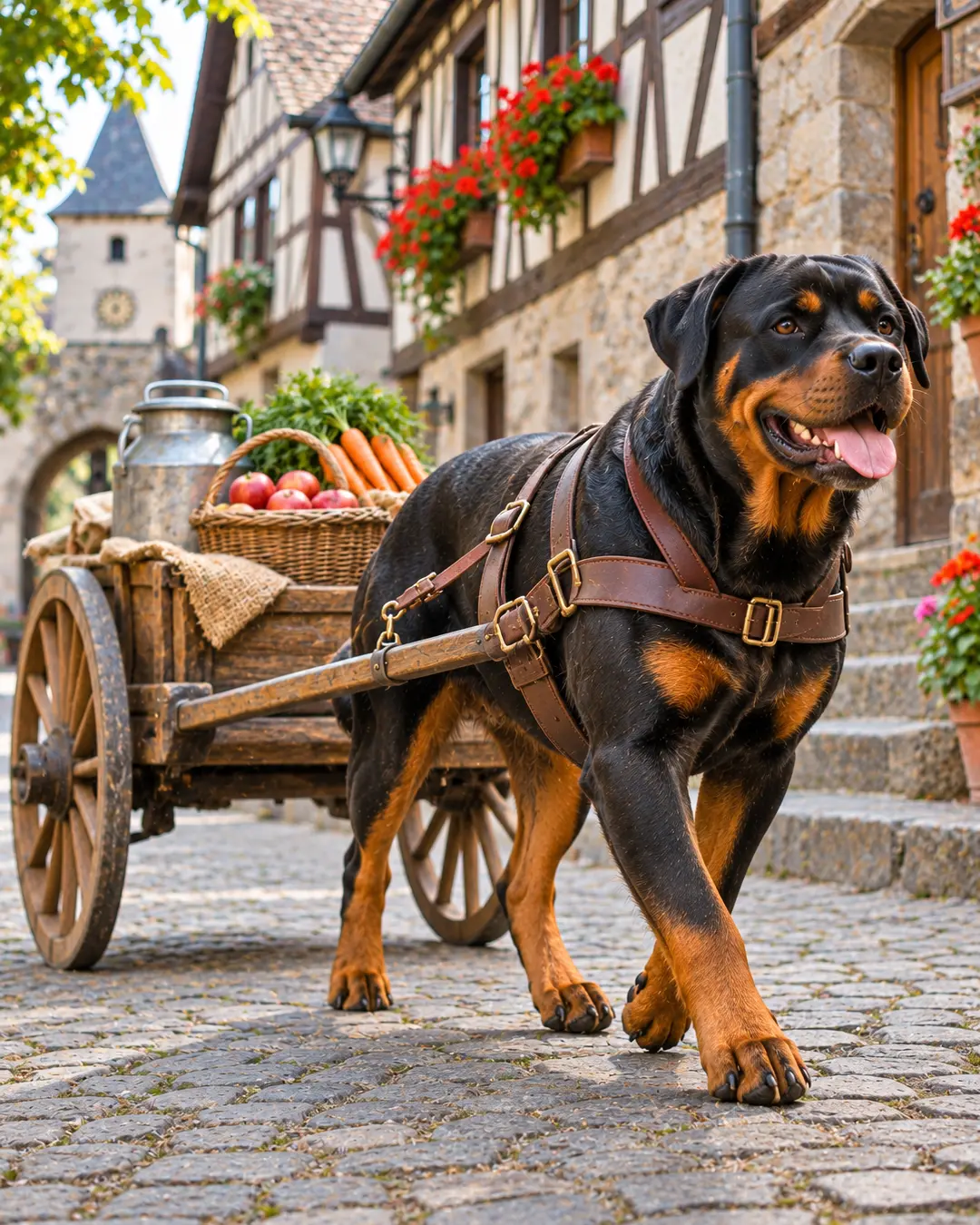
Behind the Rottweiler’s powerful appearance is a highly capable working dog with considerable intelligence.
Historically used for herding livestock and pulling carts, Rottweilers developed the confidence and physical strength needed for demanding tasks.
They often respond well to structured, reward-based training and benefit from having clear expectations.
Their intelligence and strength make responsible ownership particularly important, including early socialization, consistent training, and appropriate exercise.
What makes them smart: Working ability, confidence, problem-solving, and responsiveness to consistent training.
Best suited for: Experienced owners prepared to invest in socialization, training, and daily activity.
Did You Know? Rottweilers were once associated with German cattle merchants who reportedly carried money in pouches attached to their dogs’ collars while travelling to and from markets.
10. Australian Cattle Dog
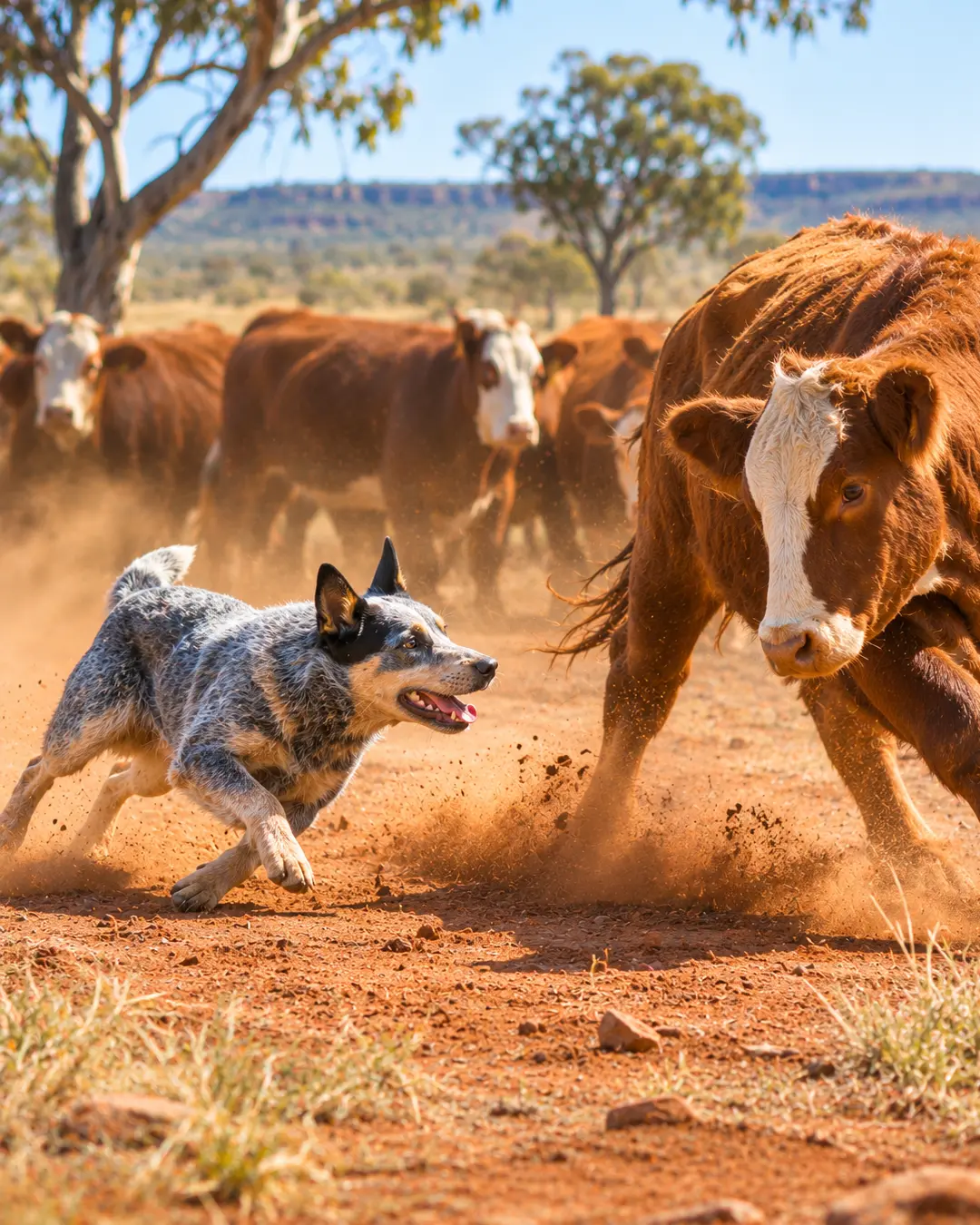
The Australian Cattle Dog was developed to move livestock across enormous distances in demanding Australian conditions.
Also called the Blue Heeler or Red Heeler, this breed is exceptionally tough, energetic, and resourceful.
Australian Cattle Dogs are independent problem-solvers that can make decisions while working livestock, often without constant human direction.
That intelligence can be challenging in a typical household. These dogs need meaningful exercise, training, and activities that keep their minds occupied.
What makes them smart: Independent thinking, stamina, herding instincts, and problem-solving.
Best suited for: Very active owners who can provide substantial exercise and mental challenges.
Did You Know? An Australian Cattle Dog named Bluey was long celebrated for reportedly living to 29 years and five months, making him one of the most famous examples of canine longevity.
11. Pembroke Welsh Corgi
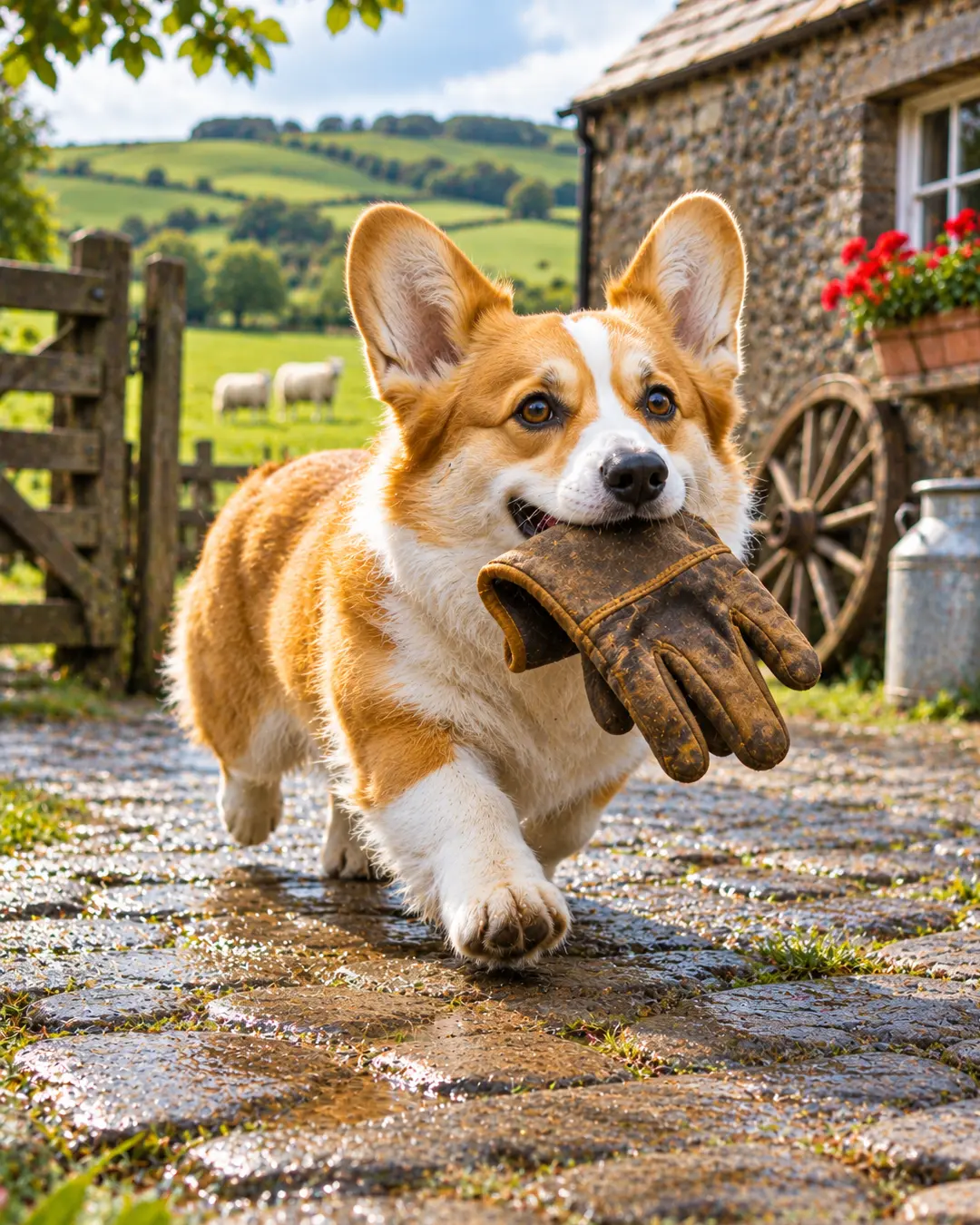
Those short legs and cheerful expressions can be misleading. Pembroke Welsh Corgis are serious little herding dogs.
Originally developed to move cattle, they possess surprising agility, determination, and intelligence.
Their low stature helped them work close to livestock, while their quick reactions allowed them to avoid hooves.
Corgis often enjoy learning tricks and participating in training, although their independent streak can occasionally emerge.
What makes them smart: Herding instincts, alertness, adaptability, and quick learning.
Best suited for: Owners who appreciate an energetic, confident small dog and can provide training and exercise.
Did You Know? Pembroke Welsh Corgis became internationally famous through Queen Elizabeth II, who owned numerous Corgis and Corgi crosses throughout her life.
12. Miniature Schnauzer
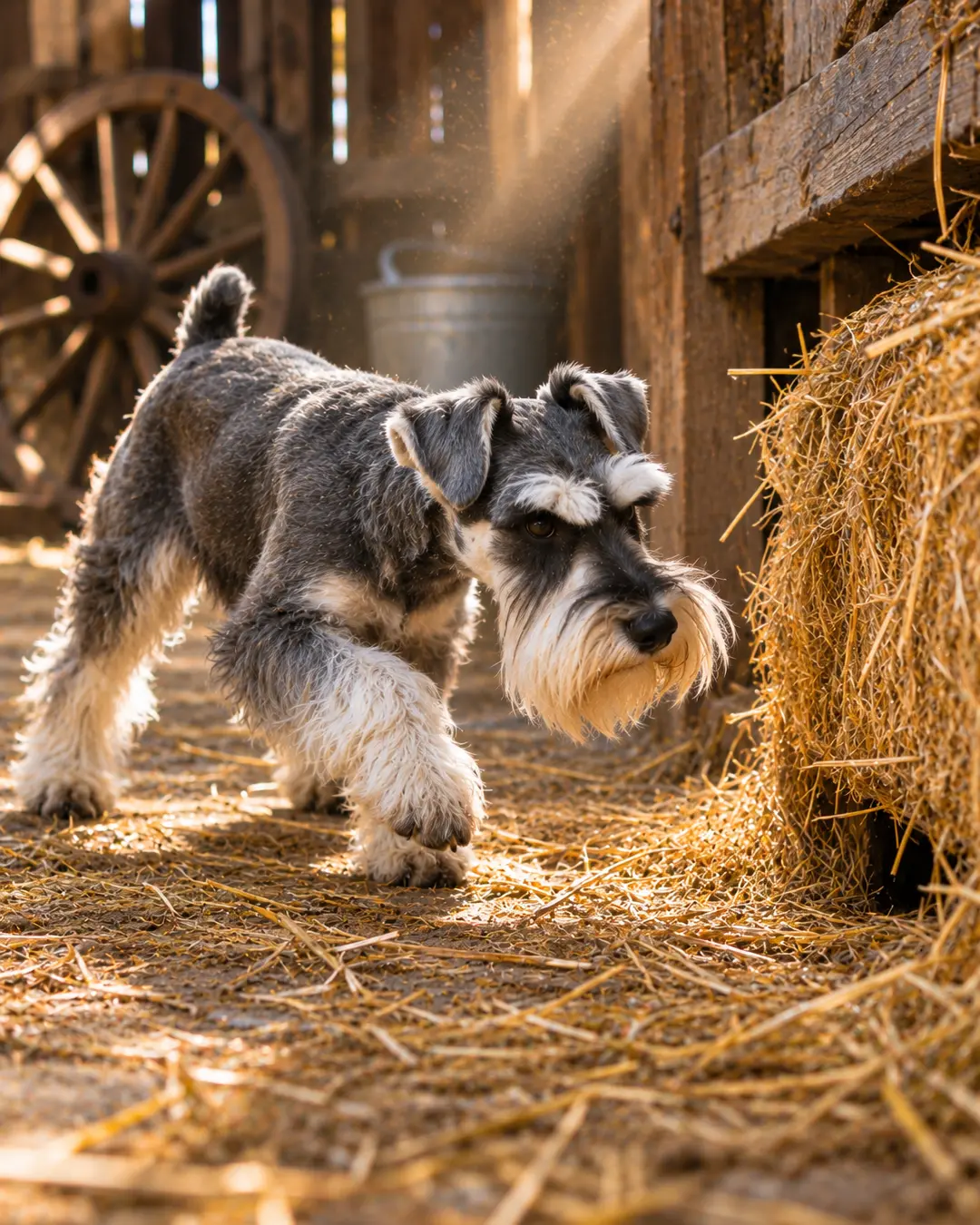
The Miniature Schnauzer may have a distinguished beard and eyebrows, but underneath that sophisticated appearance is an energetic little problem-solver.
Originally developed as a farm dog and rat catcher in Germany, the breed is alert, curious, and highly trainable.
Miniature Schnauzers often enjoy obedience, tricks, scent games, and interactive play.
Their watchdog instincts can also make them vocal, so teaching appropriate responses to visitors and unfamiliar sounds is important.
What makes them smart: Alertness, adaptability, quick learning, and strong working instincts.
Best suited for: Families and individuals looking for a lively small companion who enjoys training.
Did You Know? Unlike the Standard and Giant Schnauzers, which belong to the AKC Working Group, the Miniature Schnauzer is classified in the Terrier Group.
13. English Springer Spaniel
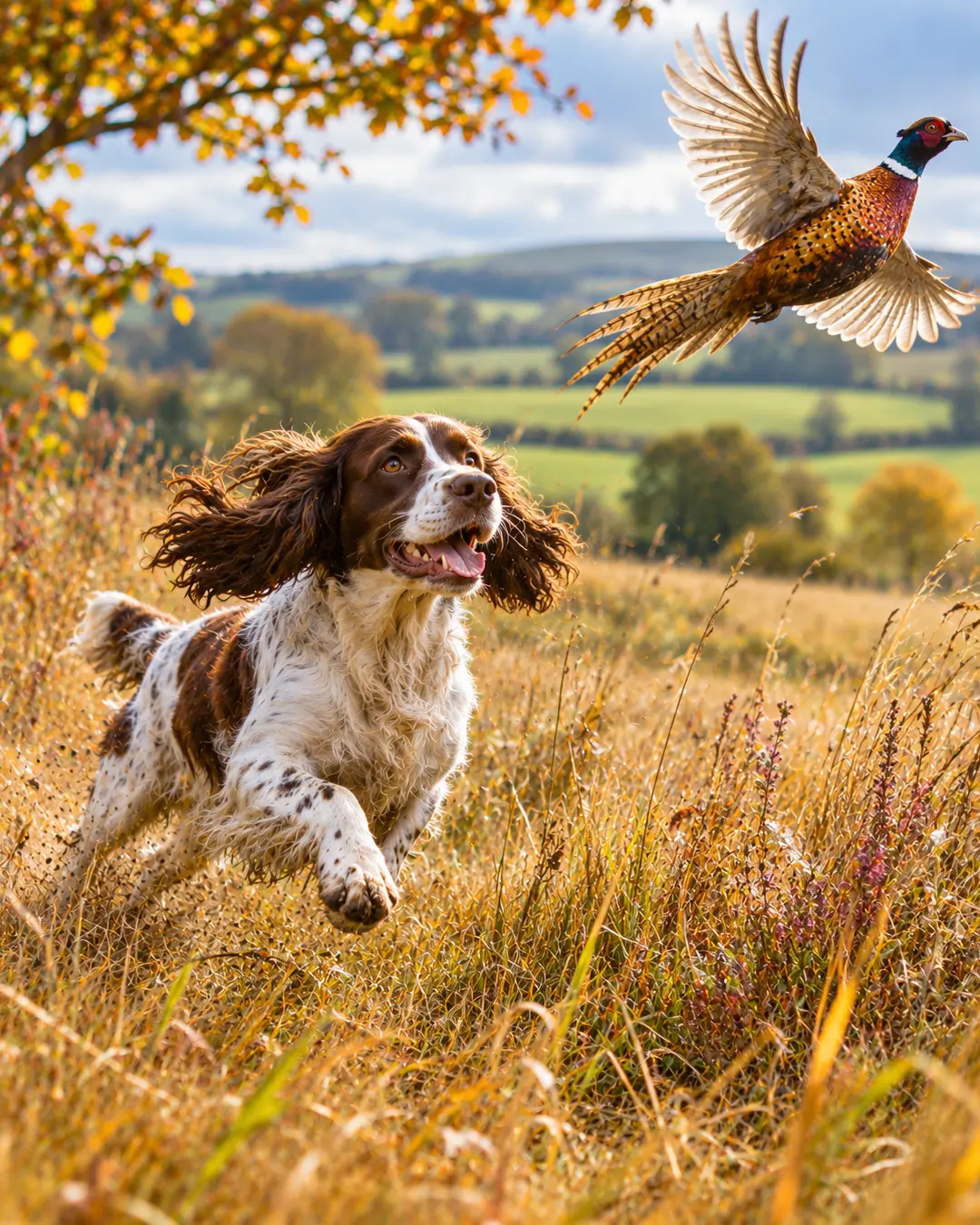
The English Springer Spaniel is an enthusiastic working dog with a remarkable nose and a strong desire to cooperate.
Originally developed to locate and flush game birds, Springers are energetic, affectionate, and highly responsive to training.
Their combination of scenting ability, stamina, and trainability also makes them useful in detection work.
These dogs are happiest when they’re included in activities rather than left alone without stimulation.
What makes them smart: Scenting ability, trainability, concentration, and cooperative working instincts.
Best suited for: Active households that enjoy outdoor adventures, training, and interactive games.
Did You Know? English Springer Spaniels and English Cocker Spaniels share a closely connected history. In earlier breeding traditions, dogs from the same litters could be classified according to size and hunting function.
14. Belgian Tervuren
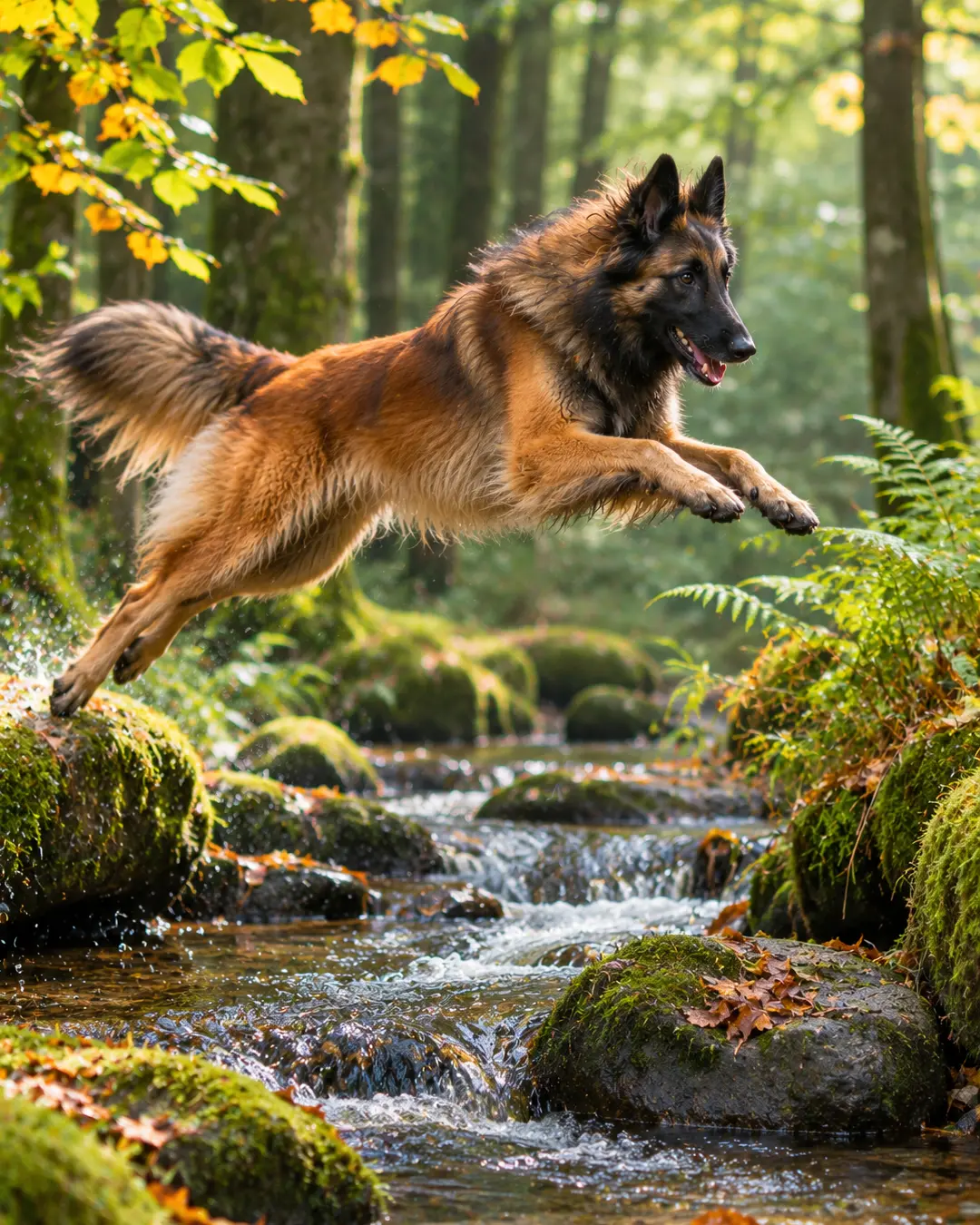
The Belgian Tervuren is an elegant, highly intelligent herding dog that thrives on challenging work.
Known for its beautiful coat and alert expression, the breed combines athleticism, sensitivity, and a strong desire to remain engaged with its handler.
Tervurens can excel in obedience, herding, agility, and other demanding activities.
Their energy and intelligence mean they’re generally better suited to experienced owners who enjoy active involvement with their dogs.
What makes them smart: Advanced trainability, sensitivity to handlers, athleticism, and working versatility.
Best suited for: Experienced, active owners who can provide regular training and challenging activities.
Did You Know? The Belgian Tervuren is one of four closely related Belgian Shepherd varieties, alongside the Malinois, Laekenois, and Groenendael. Breed recognition and classification differ between kennel organizations.
15. Schipperke
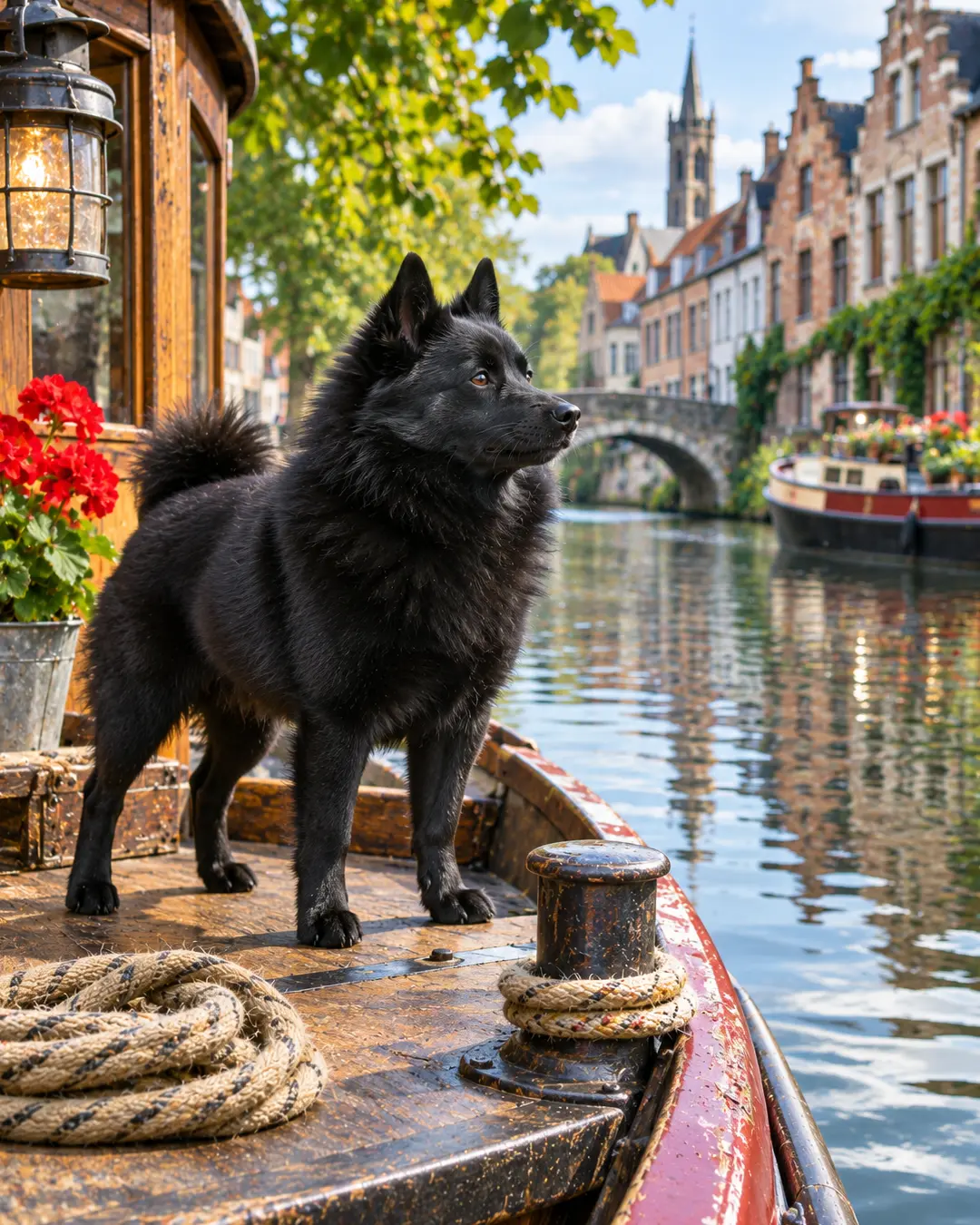
The Schipperke is a small dog with an enormous personality.
Originally associated with Belgian waterways and working environments, these alert little dogs developed a reputation as capable watchdogs and vermin hunters.
Schipperkes are intelligent, curious, and independent. They enjoy learning, but they also have strong opinions about how things should be done.
A secure environment, consistent training, and engaging activities are important for keeping them occupied.
What makes them smart: Curiosity, alertness, independence, and problem-solving.
Best suited for: Owners who appreciate a spirited, inquisitive companion and can provide consistent training.
Did You Know? The Schipperke has long been associated with Belgian canal boats and is sometimes nicknamed the little captain. Its compact size made it well suited to life in confined working spaces.
16. Belgian Sheepdog
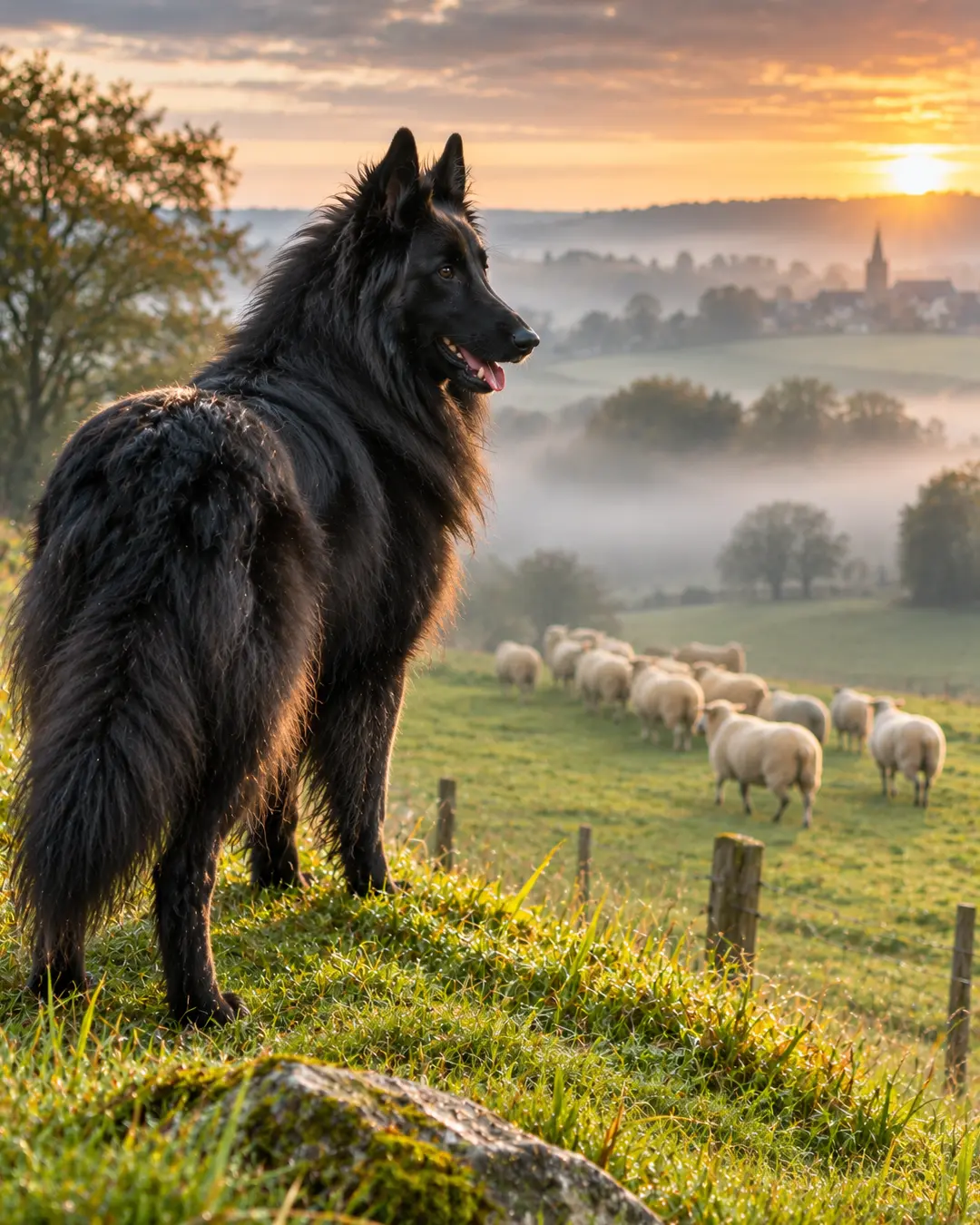
The Belgian Sheepdog, recognized by its striking black coat, is another exceptionally intelligent member of the herding family.
These dogs are energetic, observant, and deeply engaged with their surroundings.
They often excel at obedience, herding, agility, and challenging work that requires concentration.
Because they are sensitive and highly active, Belgian Sheepdogs benefit from patient training, socialization, and a household prepared to meet their considerable exercise needs.
What makes them smart: Concentration, responsiveness, herding instincts, and versatility.
Best suited for: Active, experienced owners who enjoy working closely with their dogs.
Did You Know? In the United States, the AKC recognizes the Belgian Sheepdog separately from the Belgian Tervuren and Belgian Malinois. In some other kennel systems, these dogs are classified as varieties of the Belgian Shepherd.
17. Collie

The Collie has long been associated with intelligence, loyalty, and devotion to family.
Available in Rough and Smooth coat varieties, Collies were developed as herding dogs and retain a strong capacity for learning and cooperation.
They often respond particularly well to patient, positive training and enjoy activities that allow them to work closely with their owners.
Their sensitivity and affectionate nature can make them excellent companions in suitable households.
What makes them smart: Trainability, responsiveness, herding ability, and attentiveness to people.
Best suited for: Families seeking an affectionate, intelligent companion with regular opportunities for activity.
Did You Know? Lassie, one of the world’s most famous fictional dogs, was portrayed in the original 1943 film Lassie Come Home by a male Rough Collie named Pal.
18. Keeshond
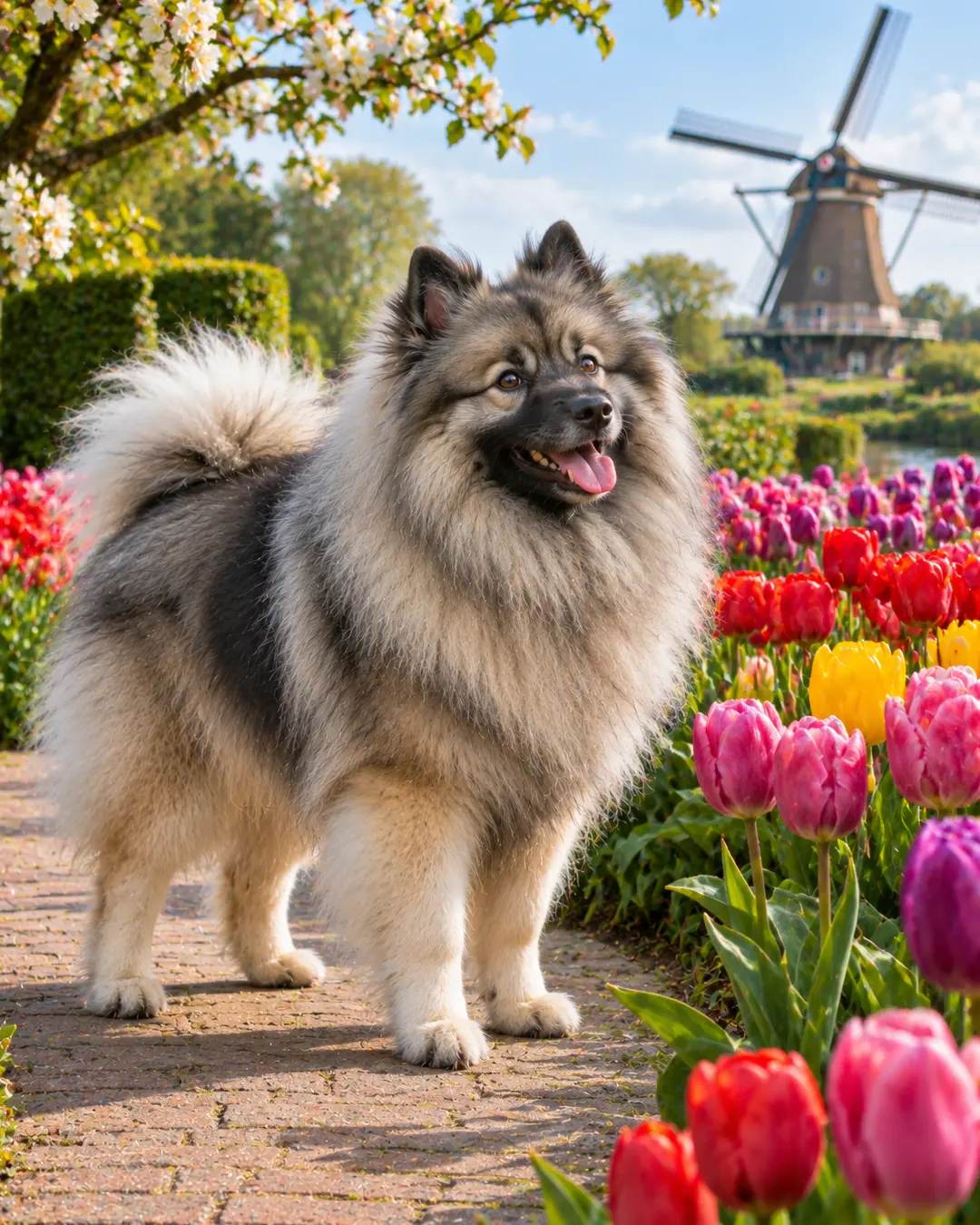
The Keeshond is an affectionate, intelligent companion with a history closely connected to Dutch canal boats.
Known for its thick coat, expressive face, and distinctive markings around the eyes, the Keeshond is alert and responsive.
These dogs generally enjoy learning tricks, participating in training, and spending time with their families.
Their strong attachment to people means they often prefer being included in everyday household activities.
What makes them smart: Attentiveness, trainability, social awareness, and quick learning.
Best suited for: Owners seeking a friendly, interactive companion who enjoys family life and mental stimulation.
Did You Know? The Keeshond became associated with Dutch political history during the eighteenth century, when the breed was linked to the Patriot movement and its prominent figure Cornelis de Gyselaer, known as Kees.
19. German Shorthaired Pointer
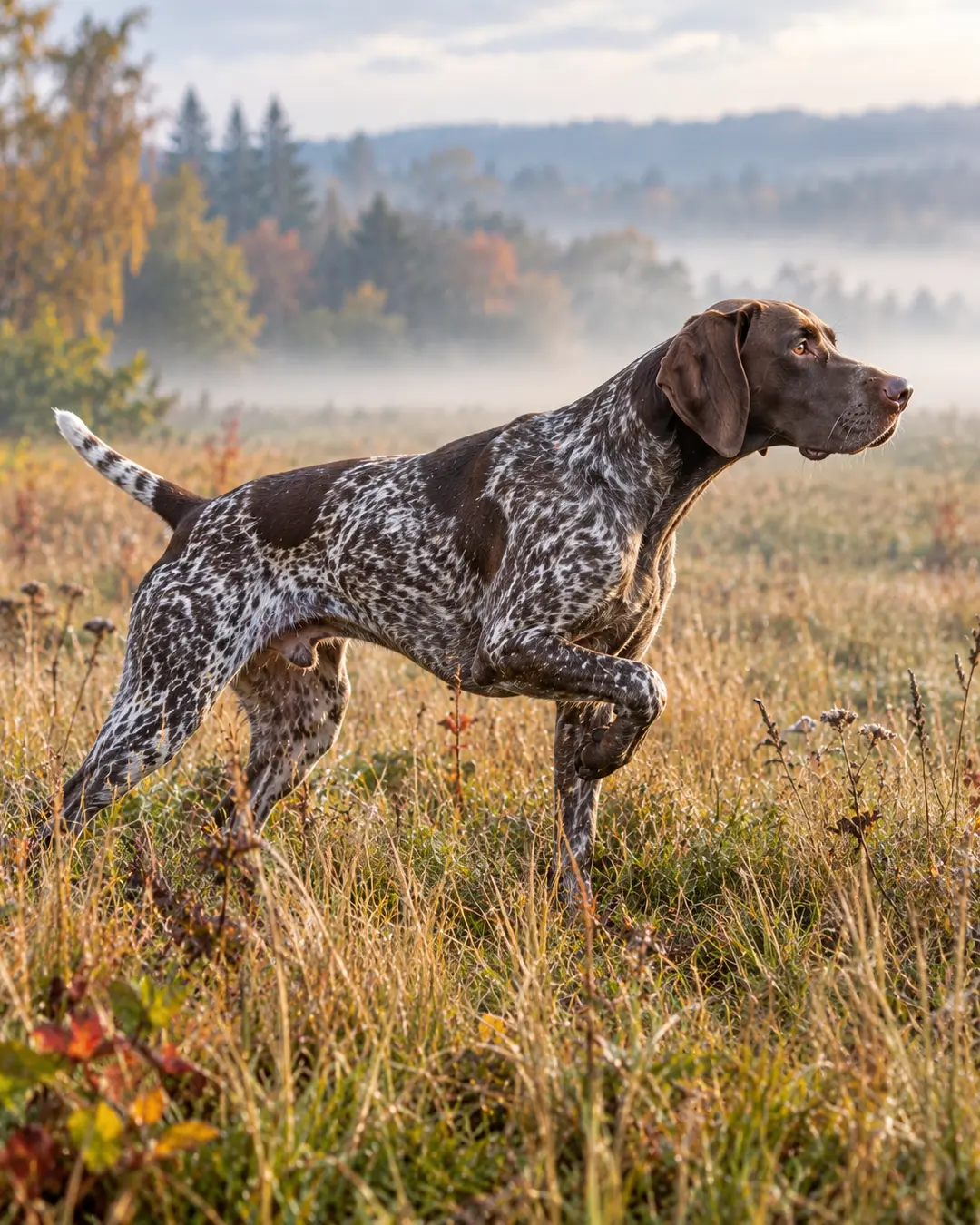
The German Shorthaired Pointer is an energetic, versatile hunting dog capable of performing numerous tasks in the field.
Its intelligence is closely connected to its ability to locate game, point, retrieve, and work across different terrain.
These dogs are athletic, curious, and enthusiastic learners, particularly when training involves movement and purposeful activity.
However, their energy levels can be overwhelming for households that cannot provide sufficient exercise and stimulation.
What makes them smart: Versatile hunting instincts, trainability, scenting ability, and adaptability.
Best suited for: Very active owners who enjoy running, hiking, training, and outdoor activities.
Did You Know? The German Shorthaired Pointer was developed as an all-purpose hunting companion rather than a specialist in only one task. Its traditional abilities include pointing, tracking, and retrieving on land and in water.
20. Flat-Coated Retriever
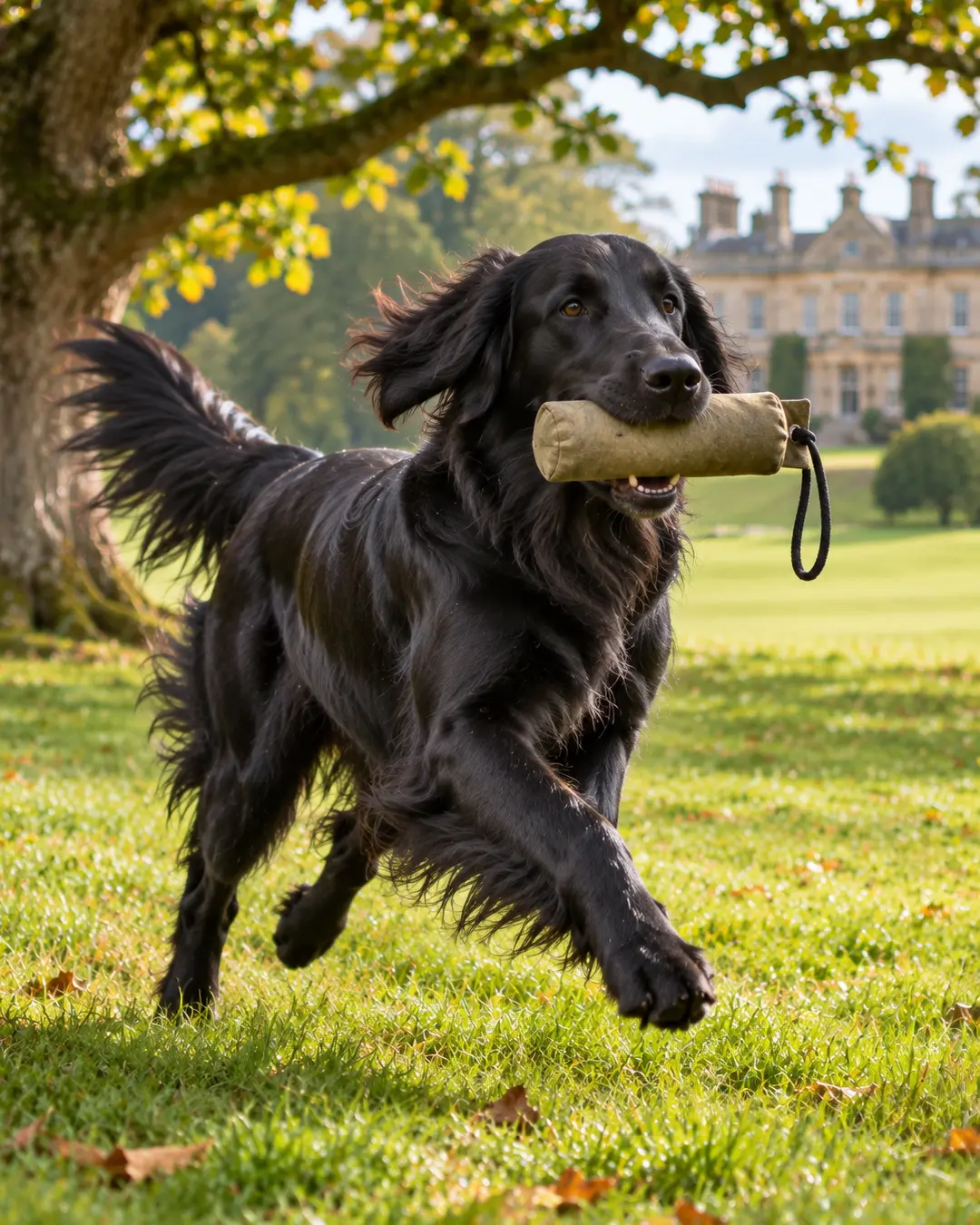
The Flat-Coated Retriever combines intelligence with an enthusiastic, playful personality.
Developed as a retrieving dog, the breed is known for its energy, friendliness, and willingness to work with people.
Flat-Coated Retrievers often enjoy obedience, retrieving games, and outdoor adventures.
Their exuberance can persist well into adulthood, making them entertaining companions for owners who appreciate an active, playful dog.
What makes them smart: Retrieving instincts, trainability, adaptability, and enthusiasm for cooperative activities.
Best suited for: Active families and individuals who enjoy exercise, outdoor activities, and interactive training.
Did You Know? Flat-Coated Retrievers are sometimes nicknamed the Peter Pan of retrievers because of their famously youthful, playful personalities, which can continue long after puppyhood.
Does a Smarter Dog Make a Better Pet?
Not necessarily.
One of the biggest misconceptions about canine intelligence is that the smartest breeds must also be the easiest to own.
In reality, highly intelligent dogs can be demanding companions.
A Border Collie may need challenging daily activities to remain content. An Australian Cattle Dog may become frustrated without meaningful exercise and mental stimulation. A German Shepherd requires careful training and socialization to develop into a well-adjusted companion.
Meanwhile, a dog that ranks lower in working and obedience intelligence may be a wonderful match for someone seeking a relaxed household companion.
The best dog isn’t necessarily the one that learns commands fastest.
It’s the dog whose temperament, activity level, grooming requirements, and social needs fit your lifestyle.
Can Dogs Be Intelligent Without Being Obedient?
Absolutely.
Some breeds were developed to work closely with people and respond rapidly to instructions. Others were bred to make independent decisions.
A livestock guardian dog, for example, may need to assess a situation and respond without waiting for a human command.
Similarly, scent hounds can become intensely focused on following a trail, sometimes appearing to ignore their owners.
That doesn’t necessarily mean they’re unintelligent. Their attention is simply directed toward something their instincts consider more important.
It’s one reason dog intelligence rankings should be interpreted with care.
How Can You Help Your Dog Become a Better Problem-Solver?
Regardless of breed, dogs benefit from opportunities to learn and explore.
Practice short, positive training sessions. Teaching new cues and reinforcing familiar ones encourages communication and mental engagement.
Introduce puzzle toys and food games. These activities give dogs opportunities to work through problems and discover solutions.
Try scent games. Hiding treats or toys encourages dogs to use their remarkable sense of smell.
Explore new environments. Different walking routes and safe, enriching experiences provide valuable sensory stimulation.
Teach new tricks. Even simple activities such as retrieving named toys, targeting an object, or learning a sequence of behaviours can be rewarding.
Match activities to your dog. An energetic herding breed may enjoy agility, while a scent-driven dog might prefer tracking games.
Mental enrichment isn’t about forcing every dog to become an obedience champion. It’s about giving each dog opportunities to use its natural abilities.
Frequently Asked Questions About Smart Dog Breeds
What is considered the smartest dog breed?
The Border Collie holds the top position in Stanley Coren’s widely cited working and obedience intelligence ranking. However, intelligence includes several abilities that aren’t fully captured by a single list.
Are Poodles really the second-smartest dog breed?
Poodles rank second in the list used here. Their strong trainability, adaptability, and ability to learn complicated tasks help explain their reputation for intelligence.
Are small dogs as intelligent as large dogs?
Yes. Intelligence isn’t determined simply by size. The Papillon, Miniature Schnauzer, and Schipperke demonstrate that small dogs can be exceptionally capable learners.
Are mixed-breed dogs intelligent?
Absolutely. Mixed-breed dogs can be excellent problem-solvers, highly trainable companions, and skilled learners. Breed rankings don’t predict the intelligence of every individual dog.
Does intelligence make dogs easier to train?
Not always. A dog may understand a command but lack the motivation to follow it. Training success depends on factors including temperament, motivation, environment, consistency, and the methods used.
Can older dogs learn new tricks?
Yes. Dogs can continue learning throughout their lives. Training may need to accommodate age-related changes in mobility, hearing, vision, or attention, but older dogs can still benefit from appropriate mental enrichment.
Final Thoughts: Every Dog Has Its Own Kind of Intelligence
It’s fascinating to compare the world’s smartest dog breeds, but a ranking tells only part of the story.
The Border Collie may be a brilliant student. The Poodle may excel at problem-solving. The Labrador may enthusiastically cooperate with almost any task.
Yet another dog might demonstrate remarkable intelligence by following a difficult scent trail, navigating an unfamiliar environment, or discovering exactly how to persuade its owner to hand over an extra treat.
Ultimately, the most rewarding part of living with a dog isn’t discovering where it ranks on an intelligence chart.
It’s learning what makes that individual dog special.
And sometimes, the smartest dog in the room is the one that has convinced everyone else to do the work.
Ranking reference: American Kennel Club, “Study Measuring Canine Intelligence Ranks Breeds as the Smartest,” drawing on the work of Dr. Stanley Coren. The ranking emphasizes working and obedience intelligence and should not be interpreted as a complete measure of every breed’s cognitive abilities.