Cats may spend much of their day sleeping, but that doesn’t mean they are content with a dull environment. Like people, cats need mental stimulation, physical activity, and opportunities to engage in natural behaviors. When those needs aren’t met, boredom can develop.
Boredom in cats isn’t just a minor inconvenience. Over time, it can contribute to behavioral problems, stress, weight gain, and a reduced quality of life.
Fortunately, recognizing the signs of boredom is the first step toward creating a more enriching environment for your feline companion.
Why Indoor Cats Become Bored
Indoor cats are safer than outdoor cats in many ways, but they also face unique challenges.
Unlike their outdoor counterparts, indoor cats have limited opportunities to:
- Hunt
- Explore new environments
- Climb trees
- Observe wildlife
- Encounter new scents and experiences
Without adequate enrichment, daily life can become repetitive.
Sign #1: Excessive Sleeping
Cats naturally sleep a lot, often between 12 and 16 hours per day.
However, a bored cat may sleep significantly more simply because there is little else to do.
If your cat seems uninterested in play, exploration, or interaction, boredom could be contributing to the behavior.
Sign #2: Destructive Scratching
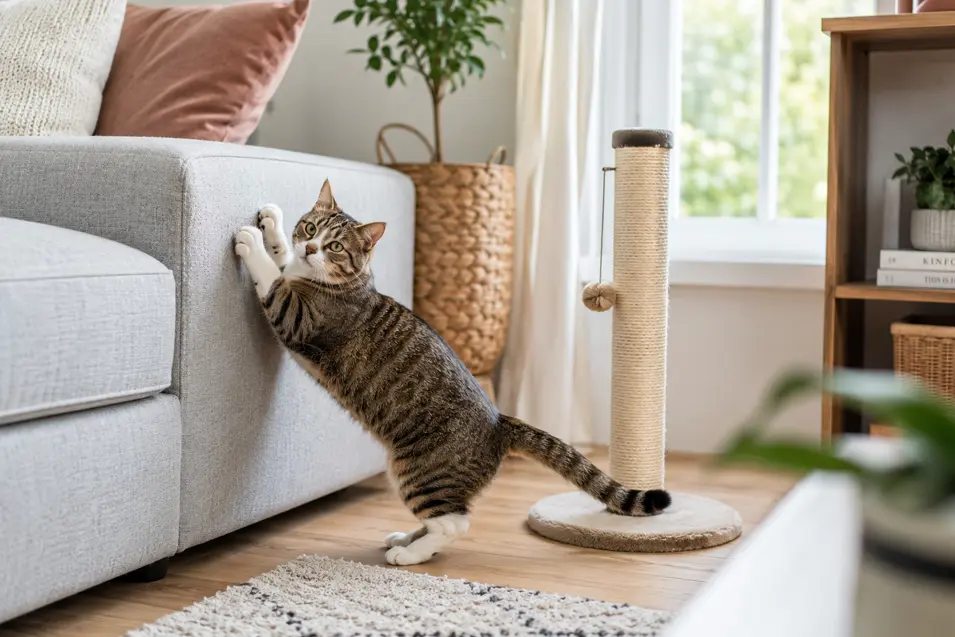
Scratching is normal, but excessive or destructive scratching may indicate a lack of stimulation.
Cats scratch to:
- Stretch muscles
- Mark territory
- Relieve stress
- Maintain claw health
When boredom sets in, furniture and carpets often become targets.
Sign #3: Increased Vocalization
Some bored cats become unusually vocal.
You may notice:
- Excessive meowing
- Yowling
- Attention-seeking noises
In many cases, the cat is simply looking for stimulation or interaction.
Sign #4: Overgrooming
Cats are naturally clean animals, but excessive grooming can sometimes be linked to stress, anxiety, or boredom.
Watch for:
- Bald patches
- Excessive licking
- Skin irritation
If overgrooming becomes severe, consult your veterinarian to rule out medical causes.
Sign #5: Weight Gain
A lack of physical activity often contributes to weight gain.
Indoor cats that spend most of their time resting may burn fewer calories than they consume.
Providing opportunities for exercise and play can help maintain a healthy weight.
Sign #6: Attention-Seeking Behavior
Some bored cats constantly seek attention from their owners.
Examples include:
- Following you around the house
- Interrupting work or activities
- Demanding play at inconvenient times
- Repeatedly jumping onto furniture or counters
While affection is wonderful, excessive attention-seeking can signal unmet enrichment needs.
Sign #7: Aggression or Irritability
Frustration caused by boredom can sometimes appear as:
- Swatting
- Biting
- Aggressive play
- Tension with other pets
Providing more outlets for physical and mental stimulation may help reduce these behaviors.
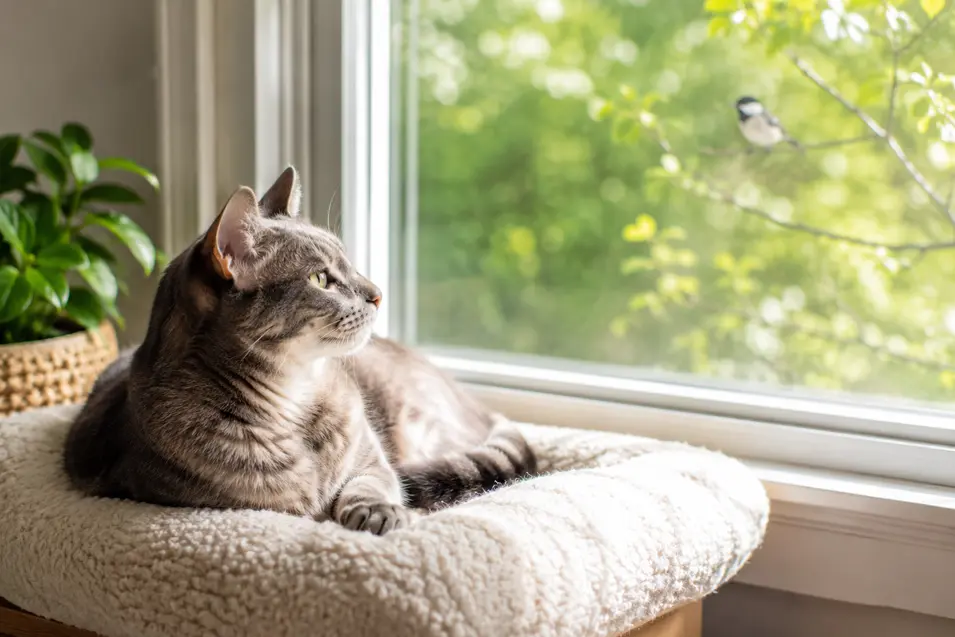
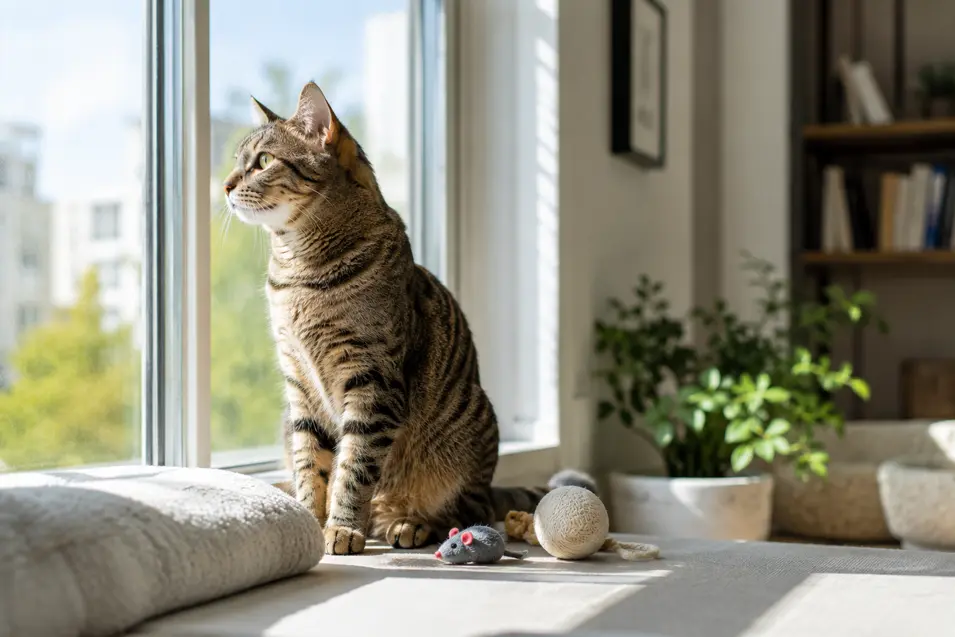
Sign #8: Obsessive Window Watching
Watching birds and outdoor activity is excellent enrichment, but if a cat spends nearly all day staring out a window with little else to do, it may indicate a need for additional stimulation.
Window perches can be valuable, but they work best when combined with other enrichment opportunities.
How to Help a Bored Cat
The good news is that boredom is often highly manageable.
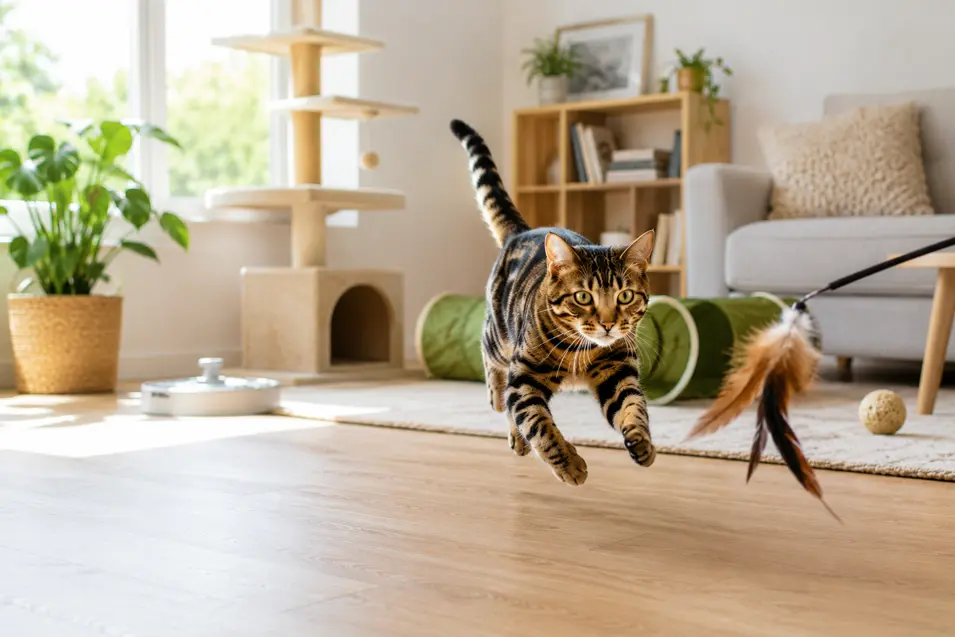
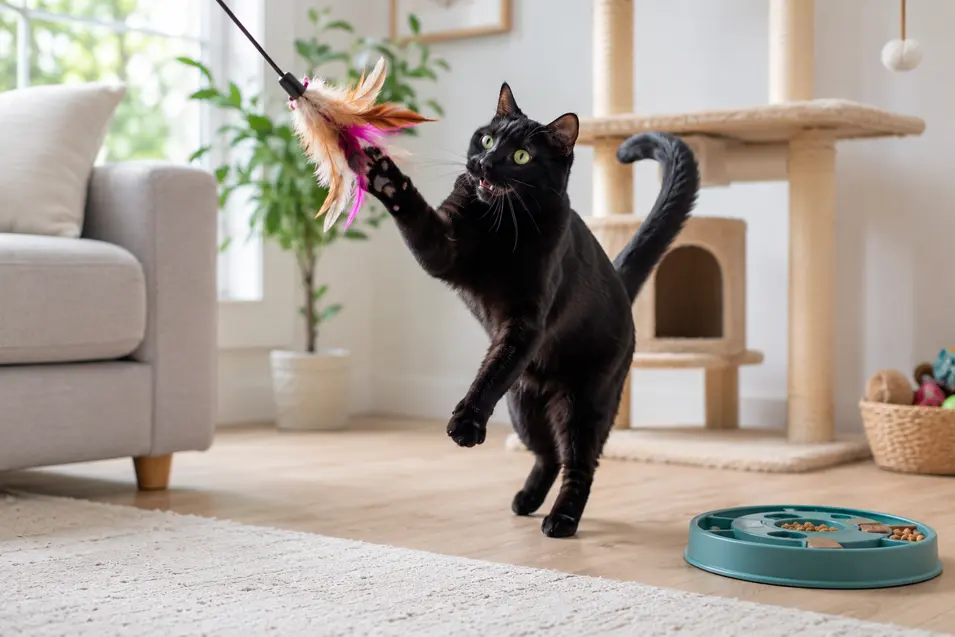
Increase Interactive Play
Daily play sessions encourage exercise and help satisfy hunting instincts.
Try:
- Wand toys
- Feather toys
- Chase games
- Interactive electronic toys
Even 10 to 15 minutes of play can make a significant difference.
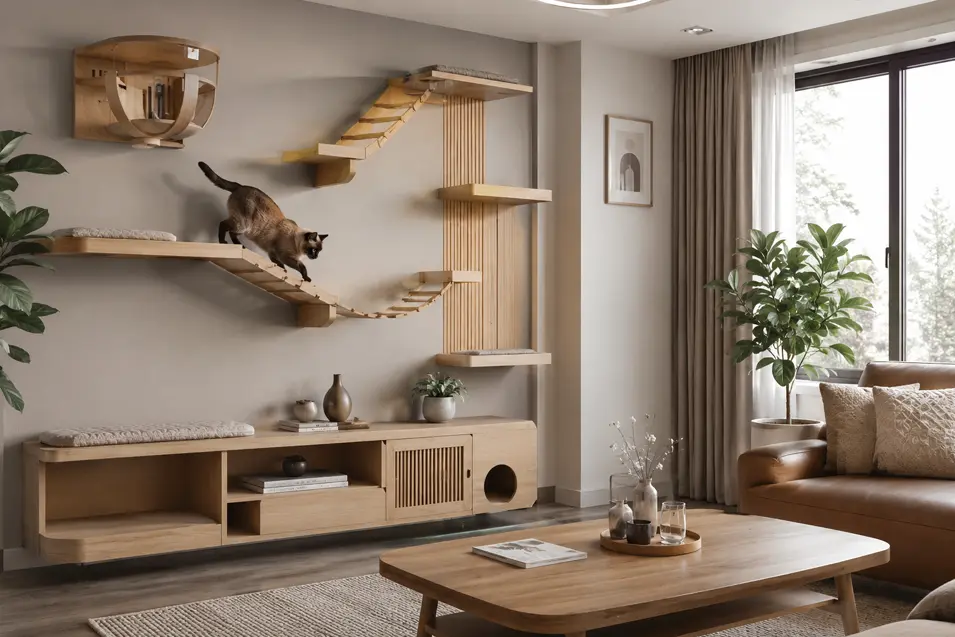
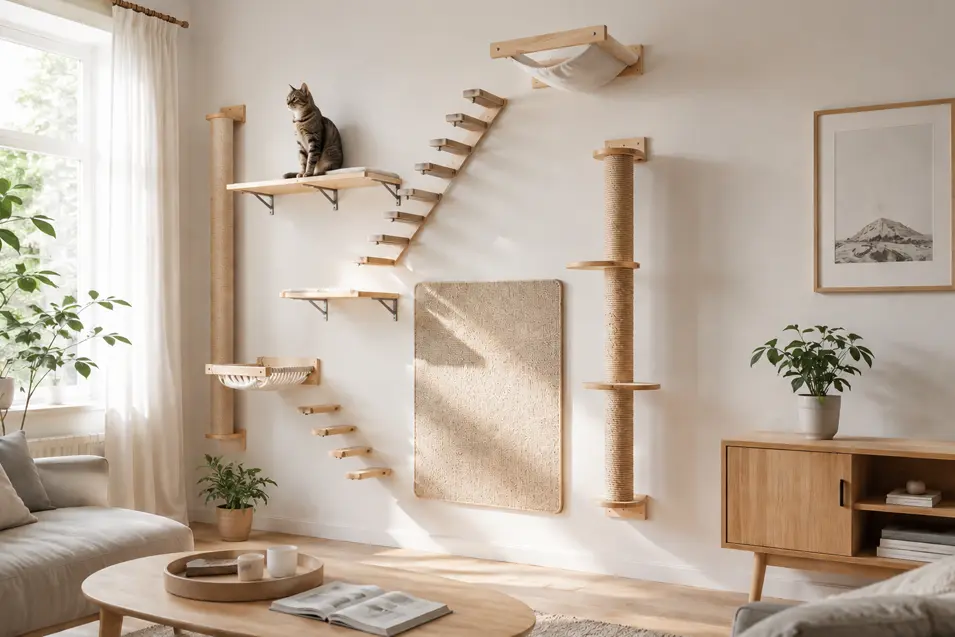
Add Vertical Space
Cats love elevated areas.
Consider:
- Cat trees
- Wall shelves
- Climbing systems
- Window perches
Vertical enrichment expands your cat’s usable territory.
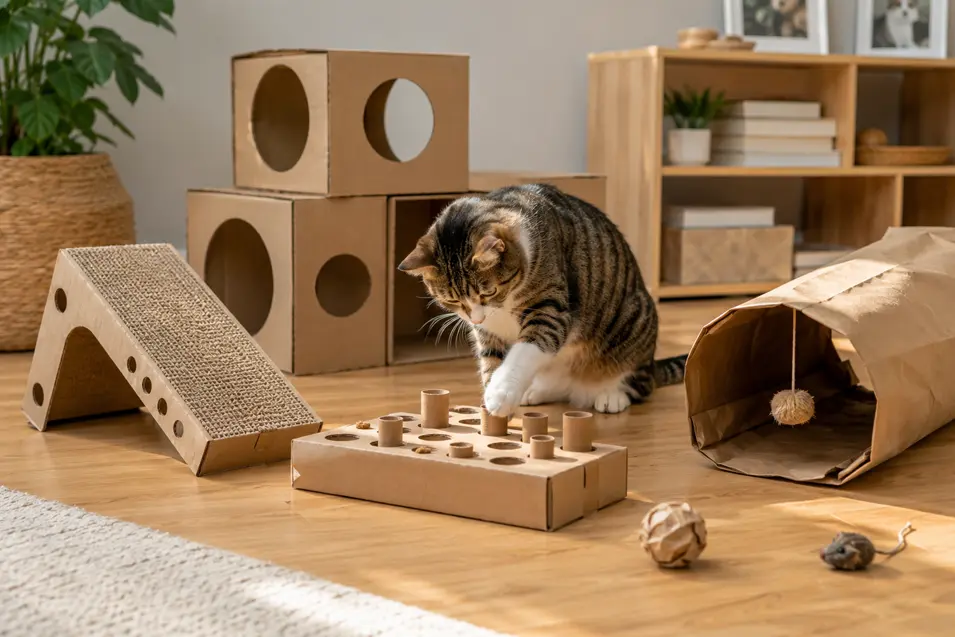
Introduce Puzzle Feeders
Puzzle feeders encourage cats to work for food and engage their problem-solving abilities.
This provides both mental stimulation and physical activity.
Rotate Toys
Many cats lose interest when toys remain available all the time.
Rotating toys every week or two helps keep them exciting and novel.
Consider a Catio
A catio provides one of the richest forms of enrichment available.
Cats can safely enjoy:
- Fresh air
- Sunshine
- Wildlife observation
- New scents
- Additional exercise opportunities
Even small catios can dramatically increase environmental stimulation.
Add Cat-Safe Plants
Catnip, cat grass, and other cat-friendly plants introduce new scents, textures, and experiences.
These natural elements can enrich a cat’s indoor environment.
Preventing Boredom Before It Starts
The best approach is creating an environment that regularly encourages exploration, play, and curiosity.
A balanced enrichment plan should include:
- Physical activity
- Mental challenges
- Sensory stimulation
- Human interaction
- Opportunities to climb and observe
By meeting these needs, owners can help indoor cats live happier, healthier, and more fulfilling lives.
A More Engaged, Happier Cat
Boredom is a common but often overlooked issue for indoor cats. Fortunately, it is also one of the easiest problems to address. Through interactive play, climbing opportunities, puzzle feeders, window perches, and safe outdoor experiences, cat owners can create environments that keep their feline companions mentally stimulated and physically active.
A little enrichment can go a long way toward improving your cat’s overall well-being and quality of life.
Related Reading
Looking for more ways to enrich your cat’s environment?
Explore these helpful guides:
- Indoor Cat Enrichment: Keeping Indoor Cats Happy, Healthy, and Active
- Catio Ideas: Creating a Safe Outdoor Space for Indoor Cats
- Catio Benefits: Why Indoor Cats Need Safe Outdoor Enrichment
- Small Catio Ideas for Apartments, Patios, and Balconies
These resources can help you create a more stimulating and rewarding environment for your indoor cat.