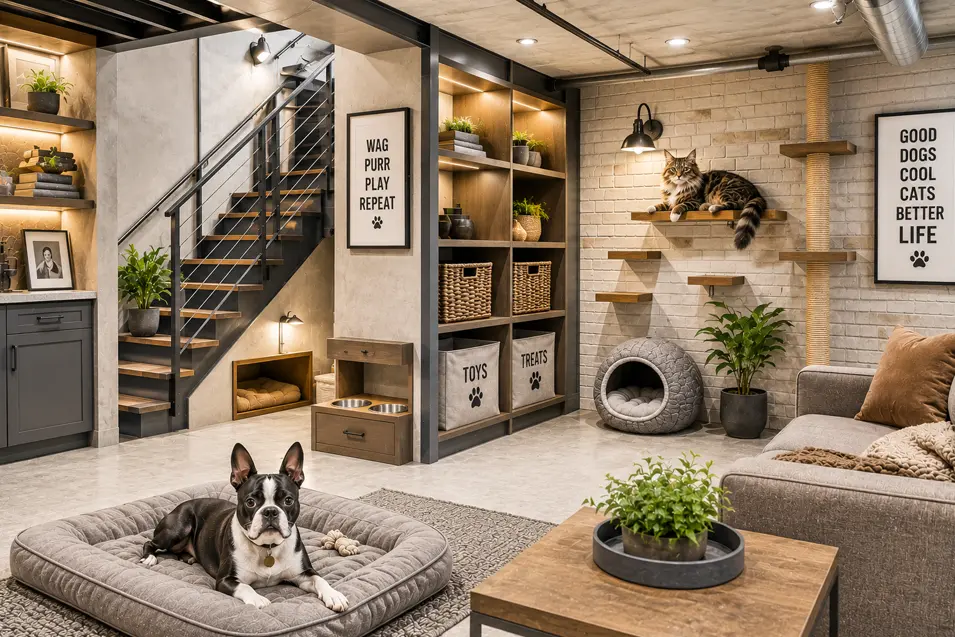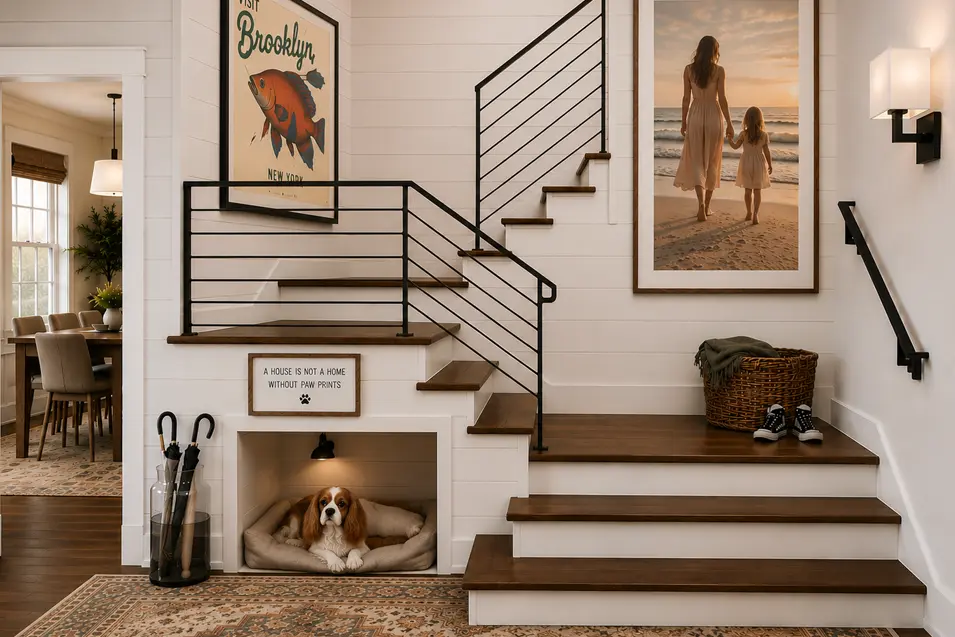
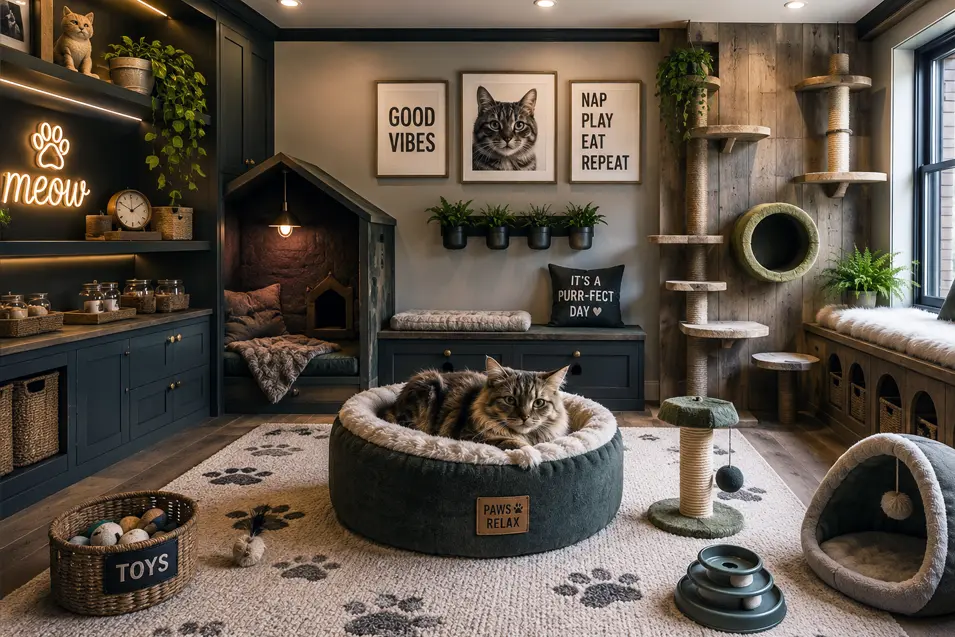
Cats are known for their independence, but they also value comfort, security, and having a space they can call their own. As pet owners increasingly design their homes with their animals in mind, many cat lovers wonder whether their feline companions would benefit from having a dedicated room.
While not every home has the space for an entire cat room, providing a designated area for your cat can offer numerous benefits. From reducing stress to encouraging healthy behaviors, a dedicated feline space can improve your cat’s quality of life while making your home more harmonious.
Why Cats Value Personal Space
Unlike many dogs, cats often seek out quiet areas where they can observe their surroundings, rest undisturbed, and retreat when they feel overwhelmed.
In the wild, cats naturally establish territories that provide:
- Safety
- Resting areas
- Hunting opportunities
- Elevated viewpoints
- Private hiding spots
Domestic cats retain many of these instincts, which is why creating a dedicated space can be so beneficial.
The Benefits of a Dedicated Cat Room
While an entire room isn’t necessary for every cat, having a designated feline zone can provide several advantages.
Reduced Stress
Cats thrive in predictable environments.
A dedicated room can offer:
- Consistent routines
- Fewer disturbances
- Protection from loud noises
- A safe retreat during stressful situations
This can be particularly helpful during holidays, parties, home renovations, or when guests visit.
Better Multi-Pet Harmony
In homes with multiple pets, cats often appreciate having an area where they can escape from dogs or other animals.
A dedicated space can help:
- Reduce conflicts
- Minimize territorial disputes
- Prevent resource guarding
- Give timid cats a place to relax
This is especially valuable for older or more reserved cats.
Easier Introduction of New Pets
When introducing a new cat or dog, a separate room can serve as a safe adjustment area.
Benefits include:
- Controlled introductions
- Reduced anxiety
- Gradual scent exchange
- Better monitoring of behavior
Many veterinarians and behaviorists recommend using a separate room during introductions.
Essential Features of a Cat Room
If you decide to create a dedicated cat space, certain features can help make it both functional and enriching.
Comfortable Sleeping Areas
Cats spend much of their day sleeping.
Provide options such as:
- Plush cat beds
- Window perches
- Soft blankets
- Elevated resting shelves
Many cats enjoy having multiple places to nap throughout the day.
Vertical Space
Cats naturally enjoy climbing and observing from above.
Consider adding:
- Cat trees
- Wall shelves
- Window hammocks
- Climbing structures
Vertical territory can make even a small room feel much larger from a cat’s perspective.
Scratching Opportunities
Scratching is a normal and healthy feline behavior.
Include:
- Vertical scratching posts
- Horizontal scratchers
- Cardboard scratch pads
- Sisal-covered climbing structures
Providing appropriate scratching surfaces helps protect furniture elsewhere in the home.
Hiding Spots
Cats often seek enclosed spaces when they feel stressed or tired.
Popular options include:
- Cat caves
- Covered beds
- Furniture with hidden compartments
- Decorative tunnels
These areas help cats feel secure and in control of their environment.
Interactive Enrichment
Mental stimulation is essential for feline well-being.
Helpful additions include:
- Puzzle feeders
- Interactive toys
- Bird-watching stations
- Rotating toy collections
- Treat-dispensing games
Enrichment can reduce boredom and encourage healthy activity.
Don’t Forget the Litter Box
Many owners choose to place a litter box in a cat room.
For best results:
- Keep it away from food and water
- Clean it daily
- Provide adequate ventilation
- Ensure easy access
Cats generally prefer quiet, private locations for their litter boxes.
Window Views Matter
If possible, select a room with a window.
Cats often enjoy observing:
- Birds
- Squirrels
- Weather changes
- Outdoor activity
A comfortable perch near a window can provide hours of entertainment.
When a Whole Room Isn’t Possible
Not every home can dedicate an entire room to a cat, and that’s perfectly fine.
You can still create a feline-friendly zone by using:
- A quiet corner of a bedroom
- A section of a home office
- An unused nook
- A spare closet conversion
- Wall-mounted cat furniture
The goal is to provide a space where your cat feels comfortable and secure.
Signs Your Cat May Benefit from a Dedicated Space
Your cat may appreciate a designated area if they:
- Hide frequently
- Seem stressed by household activity
- Live with dogs or other cats
- Need recovery after illness or surgery
- Are adjusting to a new home
- Display territorial behaviors
A private retreat can help reduce anxiety and improve overall well-being.
Balancing Independence and Family Time
While cats appreciate personal space, they still benefit from interaction and companionship.
A cat room should not be viewed as a place to isolate your pet. Instead, it should serve as a comfortable retreat that complements the time they spend with family members throughout the home.
The best cat-friendly homes allow felines to choose when they want privacy and when they want social interaction.
Final Thoughts
So, should cats have their own room? While it’s not a necessity, many cats can benefit from having a dedicated space that offers comfort, security, enrichment, and privacy. Whether it’s an entire room or simply a thoughtfully designed corner, providing a feline-friendly retreat can help reduce stress, encourage natural behaviors, and contribute to a happier, healthier life for your cat.