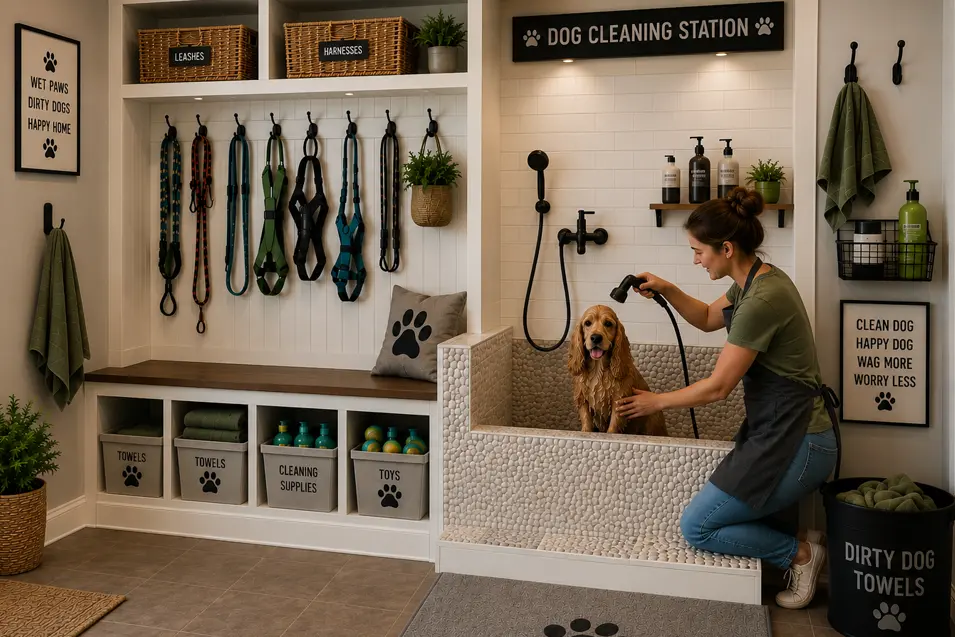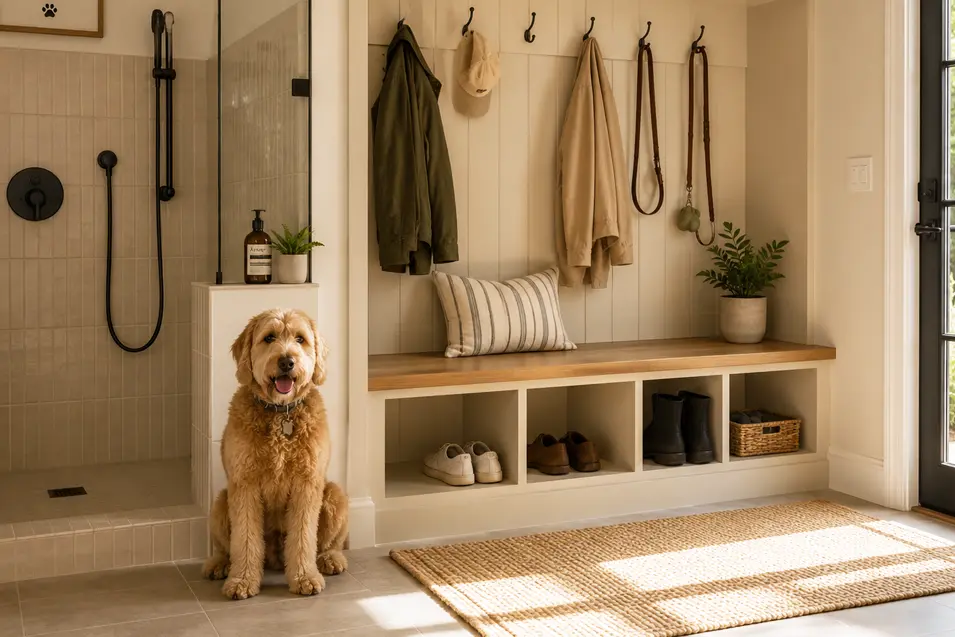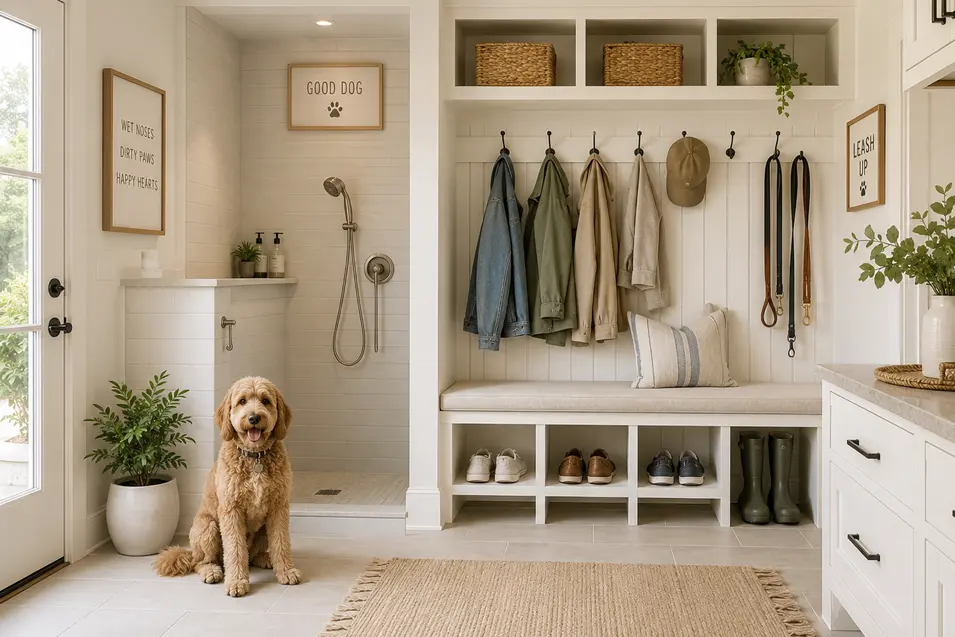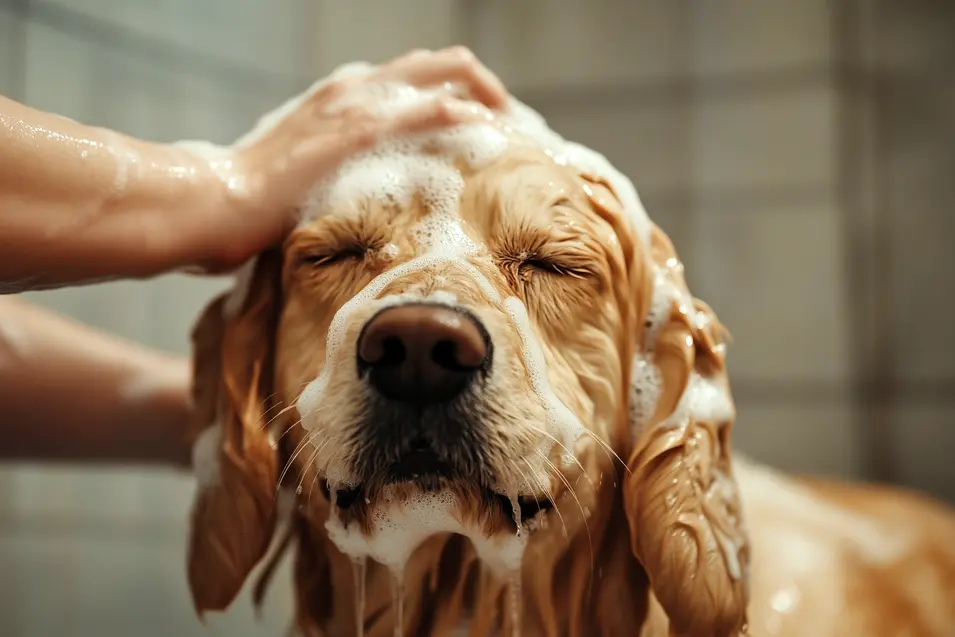
For pet owners, outdoor adventures often require more than simply grabbing a leash and heading out the door. Dogs and cats that enjoy outdoor activities may have an assortment of gear that includes harnesses, collars, coats, waste bags, training tools, portable water bottles, travel accessories, and seasonal equipment.
Without an organized storage system, these items can quickly become scattered throughout the home. Leashes end up tangled, outdoor toys disappear, and important gear becomes difficult to find when it’s needed most. Beyond the inconvenience, improper storage can shorten the lifespan of equipment and create safety concerns for both pets and people.
Creating a safe storage system for leashes and outdoor gear helps keep supplies organized, accessible, and in good condition while reducing household clutter. Whether you have a spacious mudroom, a dedicated pet station, or a small entryway, a few simple strategies can make a significant difference.
Why Proper Storage Matters
Pet gear experiences a lot of wear and tear.
Many items are regularly exposed to:
- Dirt
- Mud
- Rain
- Snow
- Sunlight
- Pet hair
- Moisture
Without proper storage, gear can become damaged, develop odors, or wear out prematurely.
Good storage also helps:
- Extend equipment lifespan
- Reduce clutter
- Improve safety
- Simplify daily routines
- Make outdoor activities more enjoyable
When everything has a designated place, preparing for walks and adventures becomes much easier.
Start by Sorting Your Gear
Before creating a storage system, take inventory of what you currently own.
Common outdoor pet gear includes:
- Leashes
- Harnesses
- Collars
- Long training leads
- Waste bag dispensers
- Dog coats
- Reflective gear
- Portable water bottles
- Travel bowls
- Outdoor toys
- Hiking accessories
Sorting items into categories makes it easier to determine the type of storage you’ll need.
Many pet owners discover duplicate items, damaged equipment, or supplies that are no longer used.
Keep Frequently Used Items Accessible
Items used daily should be easy to reach.
For most pet owners, this includes:
- Leashes
- Harnesses
- Waste bags
- Treat pouches
- Walking accessories
Keeping these essentials near the front door, mudroom, or garage entrance helps streamline daily routines.
Convenient access reduces the likelihood of misplaced gear and makes it easier to maintain organization.
Install Hooks for Leashes and Harnesses
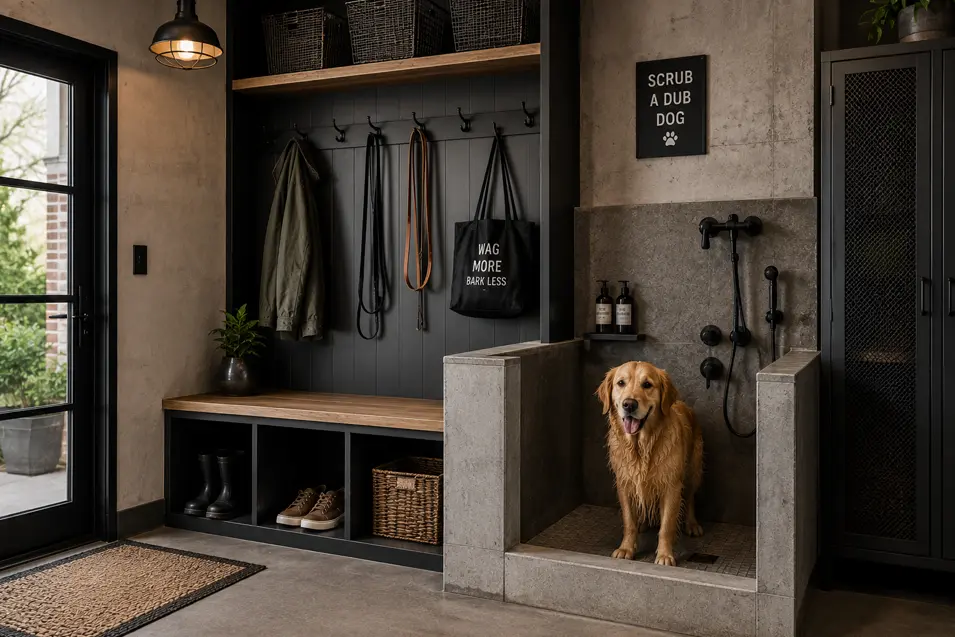
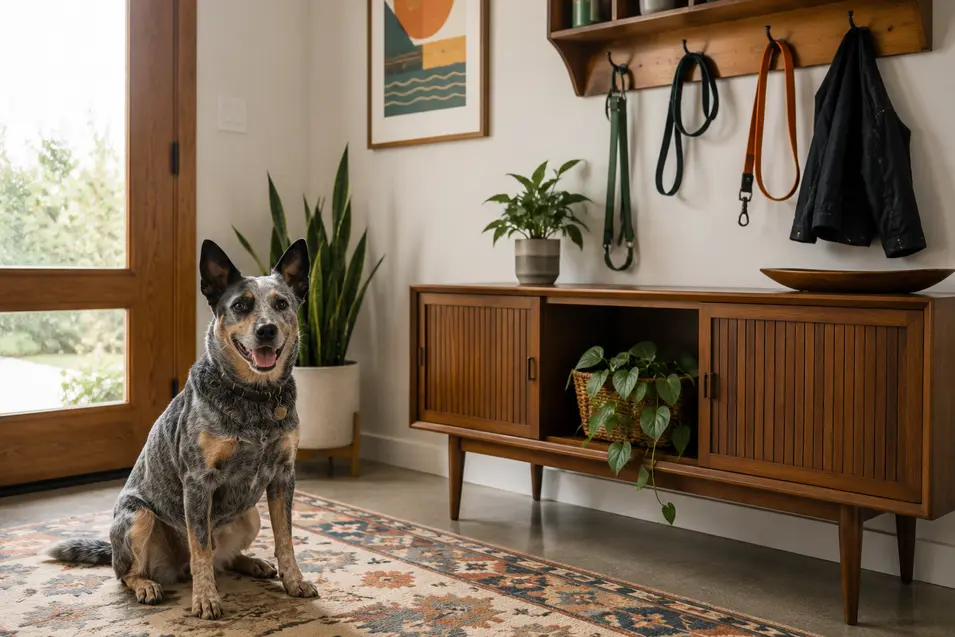
Wall hooks are one of the simplest and most effective storage solutions.
They provide a dedicated place for:
- Leashes
- Harnesses
- Reflective vests
- Dog jackets
- Travel accessories
Hanging gear allows it to dry properly after walks and helps prevent tangles.
For multi-pet households, assigning individual hooks to each pet can further improve organization.
Use Closed Storage for Smaller Items
Small accessories often create the most clutter.
Consider using drawers, cabinets, or storage bins for:
- Waste bag refills
- Treats
- Training clickers
- Flashlights
- Spare tags
- Travel supplies
Closed storage keeps these items protected from dust while creating a cleaner appearance.
It also prevents curious pets from accessing items they shouldn’t have.
Store Wet Gear Properly
One of the most common mistakes pet owners make is storing wet gear immediately after use.
Leashes, harnesses, and jackets that remain damp can develop:
- Odors
- Mold
- Mildew
- Premature wear
After rainy walks or snowy outings, allow equipment to dry completely before placing it in long-term storage.
A drying rack, wall hooks, or ventilated storage area can help prevent moisture-related problems.
Create a Seasonal Storage System
Many pet accessories are only used during specific times of the year.
Examples include:
Winter Gear
- Boots
- Insulated coats
- Reflective clothing
- Paw protection products
Summer Gear
- Cooling vests
- Travel water systems
- Life jackets
- Outdoor activity equipment
Hiking and Travel Equipment
- Backpacks
- Portable bowls
- Trail gear
- Vehicle restraints
Store seasonal items in labeled bins when not in use to free up space for everyday essentials.
Organize Outdoor Toys
Outdoor toys can quickly become a source of clutter.
Popular storage options include:
- Baskets
- Storage bins
- Rolling containers
- Deck boxes
- Wall-mounted racks
Separating outdoor toys from indoor toys helps maintain organization and makes it easier to clean muddy or dirty items.
Rotating toys periodically can also help keep pets engaged and interested.
Consider a Grab-and-Go Station
A grab-and-go station can be one of the most practical additions to a pet-friendly home.
This dedicated area may contain:
- Leashes
- Harnesses
- Waste bags
- Treats
- Portable water bottles
- Towels
Having everything in one location makes walks and outings more efficient.
For busy households, this simple setup can save time every day.
Keep Safety in Mind
Storage isn’t just about convenience.
Improperly stored gear can create hazards.
Avoid:
- Leaving leashes on the floor
- Storing gear near chemicals
- Hanging items where pets may become entangled
- Allowing damaged equipment to remain in use
Inspect gear regularly for signs of wear such as:
- Frayed straps
- Broken clips
- Damaged buckles
- Loose stitching
Replacing worn equipment helps protect your pet during outdoor activities.
Use Garage and Mudroom Space Wisely
Garages and mudrooms are ideal locations for larger pet gear collections.
These spaces can accommodate:
- Storage cabinets
- Shelving systems
- Hooks
- Gear lockers
- Outdoor equipment storage
When possible, create a dedicated pet section to keep supplies separate from household tools and chemicals.
This improves both organization and safety.
Label Storage Areas
Labels may seem unnecessary, but they can make a significant difference over time.
Clear labels help family members:
- Locate supplies quickly
- Return items to the proper location
- Maintain organization
- Identify items that need replacement
Labeling is particularly useful in homes with multiple pets or extensive outdoor gear collections.
Review and Declutter Regularly
Pet gear tends to accumulate over the years.
Every few months, take time to:
- Remove damaged equipment
- Donate unused items
- Replace worn gear
- Reorganize storage areas
Regular maintenance helps keep the system efficient and prevents clutter from returning.
The Bottom Line
Safe storage for leashes and outdoor gear is about more than simply reducing clutter. A well-organized system protects equipment, simplifies daily routines, improves safety, and makes outdoor activities more enjoyable for both pets and owners.
By creating designated storage areas, using hooks and cabinets, allowing wet gear to dry properly, and organizing supplies based on how often they are used, homeowners can create a practical storage solution that supports an active pet-friendly lifestyle. With a little planning, every walk, hike, and outdoor adventure can begin with everything exactly where it should be.