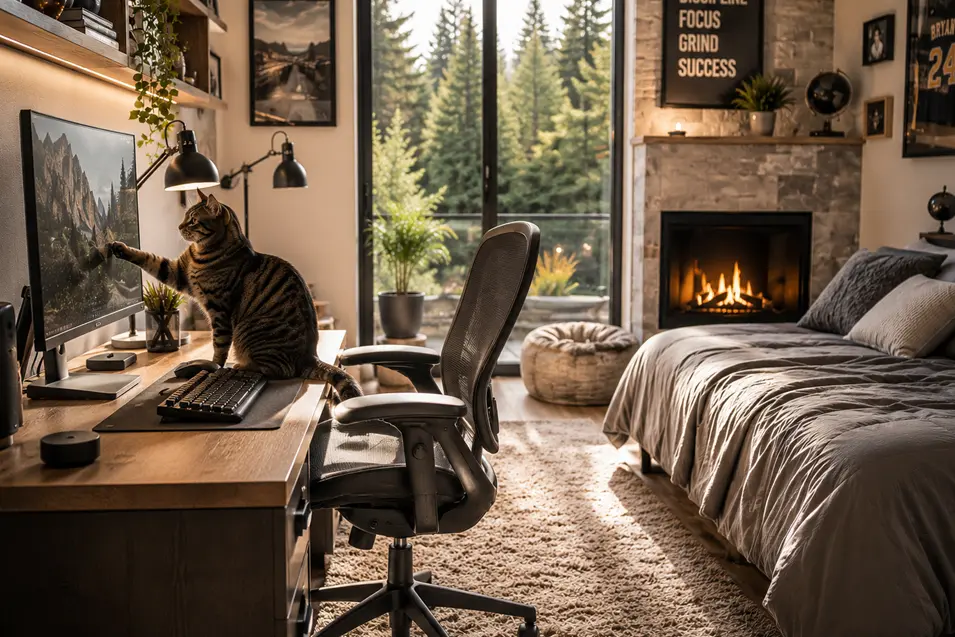
Pets have a remarkable ability to find trouble where humans least expect it.
A dog may decide a charging cable looks like the perfect chew toy. A cat may leap onto a desk and send expensive equipment crashing to the floor. Even the most well-behaved pets can accidentally damage electronics simply by doing what comes naturally—exploring their environment.
As homes become increasingly filled with computers, gaming systems, monitors, tablets, smart devices, and home office equipment, protecting electronics from curious pets has become an important consideration for many families.
The good news is that most accidents can be prevented with a little planning and a few practical precautions.
Why Electronics Attract Pets
From a pet’s perspective, electronics can be surprisingly interesting.
Many devices offer:
- Warm surfaces
- Hanging cables
- Flashing lights
- Unusual sounds
- Elevated resting spots
Cats are especially attracted to elevated locations near their owners, while dogs often investigate cords, accessories, and anything that smells different.
Understanding why pets are drawn to electronics is the first step toward preventing accidents.
The Real Cost of Pet-Related Damage
Most pet owners have a story about something valuable that was accidentally damaged.
For some families, it’s a chewed laptop charger. For others, it’s a television knocked off a stand or a gaming headset that mysteriously disappeared.
One common scenario involves monitors. Cats frequently jump onto desks, shelves, and entertainment centers without realizing how unstable certain items may be.
In one household, a curious cat named Simba managed to knock over not one but two curved computer monitors, each costing hundreds of dollars. After replacing the equipment, the solution was simple: securely fasten the monitors to the desk. Since then, Simba has been free to explore without creating another expensive repair bill.
The lesson is simple—it’s often easier to secure electronics than it is to change pet behavior.
Secure Monitors and Screens
Monitors are among the most vulnerable electronic devices in pet-friendly homes.
Cats may:
- Jump onto desks
- Walk behind screens
- Climb furniture
- Brush against monitor stands
Even a small amount of force can send a screen tumbling.
Consider:
- Monitor arms
- Wall mounts
- Stability brackets
- Anti-tip straps
- Secure desk placement
A properly secured monitor is far less likely to become a victim of an unexpected feline adventure.
Hide and Protect Cables
Exposed cords are one of the most common pet-related hazards.
Young pets, particularly puppies and kittens, may chew cables out of curiosity.
This can result in:
- Equipment damage
- Electrical shock
- Burns
- Fire hazards
Cable management solutions such as cord covers, cable sleeves, and under-desk organizers help reduce both safety risks and visual clutter.
The fewer accessible cords, the safer the environment becomes.
Create Stable Work and Gaming Areas
Many desks and entertainment centers are designed with appearance in mind rather than stability.
Pets can unintentionally expose weak points in furniture design.
When setting up electronics, ensure that:
- Desks are sturdy
- Shelving is secure
- Equipment is balanced properly
- Heavy items are anchored when necessary
A stable setup protects both electronics and the pets exploring nearby.
Keep Small Accessories Out of Reach
Electronics often come with small components that can become dangerous if swallowed.
Examples include:
- USB drives
- Memory cards
- Earbuds
- Batteries
- Adapters
- Styluses
Pets may treat these items as toys, creating potential choking hazards.
Storage drawers, organizers, and containers can help keep accessories secure when not in use.
Watch Out for Warm Electronics
Cats, in particular, love warm places.
Laptops, gaming consoles, routers, and desktop computers often generate heat that attracts curious pets.
Allowing pets to block ventilation areas can lead to:
- Overheating
- Reduced performance
- Equipment failure
Keeping airflow pathways clear benefits both the electronics and the animals using the space.
Design a Better Alternative
One of the easiest ways to reduce unwanted interactions with electronics is to give pets a more appealing place to spend their time.
Consider providing:
- Comfortable pet beds
- Window perches
- Cat trees
- Soft blankets
- Resting areas near family members
Many pets simply want to be close to the people they love. When they have a comfortable alternative, they’re less likely to climb on equipment.
Protect Home Offices and Study Areas
As remote work and online learning become more common, home offices and study spaces increasingly share territory with pets.
Protective measures may include:
- Closed storage cabinets
- Cable management systems
- Stable furniture
- Pet-friendly room layouts
Designing these spaces with pets in mind often prevents costly accidents while creating a more enjoyable work environment.
Prevention Is Cheaper Than Replacement
Many pet-related electronics accidents are completely preventable.
A few inexpensive solutions such as monitor mounts, cable organizers, furniture anchors, and protective covers can save hundreds—or even thousands—of dollars in replacement costs.
Rather than viewing pets as the problem, successful homeowners focus on creating environments that work safely for everyone.
A Safer Space for Pets and Technology
Pets and technology can coexist successfully under the same roof. The key is recognizing potential hazards before accidents occur.
By securing monitors, managing cables, protecting accessories, and creating pet-friendly alternatives, homeowners can reduce risks while maintaining functional workspaces, gaming rooms, and entertainment areas.
After all, curiosity is part of what makes pets lovable. It’s our job to ensure that curiosity doesn’t end with a shattered monitor, a damaged computer, or an unexpected trip to the veterinarian.