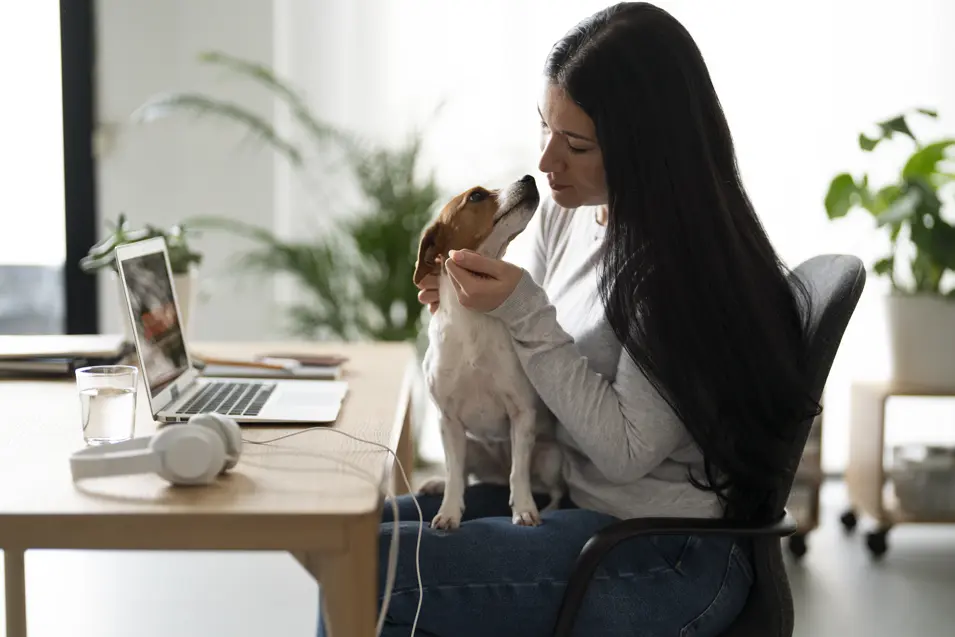
The rise of remote work has transformed spare bedrooms, dining rooms, and basement corners into productive home offices. While working from home offers convenience and flexibility, it also creates new challenges for pet owners. Dogs, cats, birds, and other pets often spend more time around their owners during the workday, increasing their exposure to office equipment, cords, supplies, and potential hazards.
Many people assume their home is already safe for their pets, but a workspace can contain numerous risks that may not exist elsewhere in the house. Electrical cords, office chairs, printers, cleaning products, and small office supplies can all pose dangers to curious animals. Creating a pet-safe home office is essential for protecting your furry companions while maintaining a productive and distraction-free work environment.
By understanding common hazards and taking proactive steps to address them, pet owners can create a workspace that supports both professional success and pet well-being.
Identifying and Eliminating Common Home Office Hazards
One of the biggest risks in any home office is the presence of electrical cords and cables. Computers, monitors, printers, routers, and charging stations often create a maze of wires that can attract curious pets. Puppies and kittens, in particular, may chew on cords while exploring their surroundings. Not only can this damage expensive equipment, but it can also result in severe burns, electric shock, or even fatal injuries.
Cable management solutions such as cord covers, cable sleeves, and under-desk organizers can help keep wires out of reach. Securing cables against walls or furniture can also reduce the temptation for pets to investigate them.
Small office supplies present another potential hazard. Items such as paper clips, push pins, rubber bands, staples, batteries, and USB drives may seem harmless, but they can become dangerous if swallowed. Ingestion can lead to choking, intestinal blockages, or internal injuries that require emergency veterinary care.
Keeping supplies stored in drawers, cabinets, or sealed containers can significantly reduce the risk. Pet owners should also develop a habit of checking the floor regularly for dropped items that may go unnoticed during a busy workday.
Office chairs can pose unexpected dangers as well. Rolling chairs may accidentally injure a pet resting underneath a desk or behind a chair. Cats and small dogs often seek out cozy spots near their owners, making them vulnerable to accidental bumps and wheel-related injuries.
Before moving a chair, it’s a good idea to look around and ensure a pet isn’t resting nearby. Providing a designated pet bed or resting area can also encourage pets to stay in a safe location while their owners work.
Many home offices contain cleaning products, printer supplies, and other chemicals that should be kept away from pets. Ink cartridges, toners, disinfecting wipes, and cleaning sprays may contain ingredients that can cause irritation or poisoning if ingested or contacted directly.
Store all chemicals in secure cabinets and avoid leaving products unattended on desks or floors. When cleaning your workspace, allow surfaces to dry completely before allowing pets back into the area.
Houseplants are another often-overlooked concern. While plants can enhance a workspace’s appearance and improve air quality, some common varieties are toxic to pets. Certain lilies, pothos, philodendrons, and other decorative plants can cause serious health issues if chewed or consumed.
Before bringing plants into your office, verify that they are safe for the types of pets in your household. When in doubt, choose pet-friendly alternatives or place plants well out of reach.
Creating a Comfortable and Secure Workspace for Pets
Safety isn’t just about eliminating hazards. It’s also about creating an environment where pets can comfortably coexist with their owners during the workday.
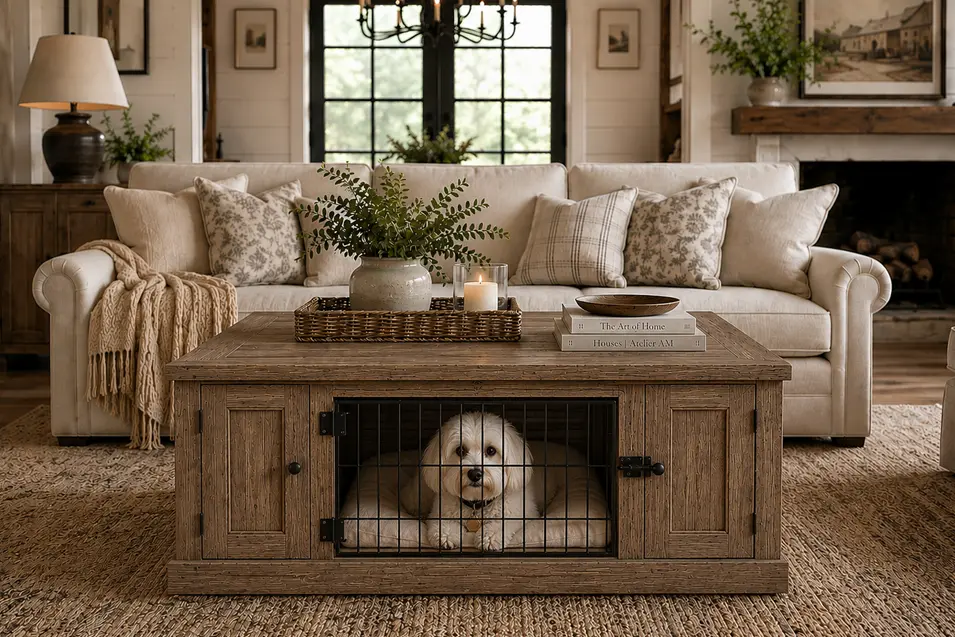
Many pets enjoy being near their owners and may become anxious if excluded from the workspace. Providing a dedicated area for them can help satisfy this need while maintaining clear boundaries. A comfortable pet bed, blanket, or crate positioned near the desk gives pets a safe place to relax without interfering with work activities.
Mental stimulation is equally important. Bored pets are more likely to seek entertainment by chewing cords, knocking items off desks, or demanding attention during meetings. Providing safe toys, puzzle feeders, or chew items can help keep pets occupied throughout the day.
Establishing a routine can also improve behavior. Regular walks, play sessions, feeding schedules, and bathroom breaks help reduce restlessness and excess energy. Pets that receive adequate exercise and enrichment are often more content to relax while their owners work.
Noise levels should also be considered. Home offices often include speakers, conference calls, video meetings, and office equipment that may create unfamiliar sounds. Some pets become stressed by frequent noises or voices coming from computers and phones.
Creating a quiet retreat where pets can escape if they feel overwhelmed can help reduce anxiety. This is particularly important for sensitive animals that may become nervous during busy workdays.
Temperature and ventilation are other factors that contribute to pet safety and comfort. Home offices can become warm due to computers, monitors, and other electronic equipment. Ensure pets always have access to fresh water and a comfortable environment, especially during warmer months.
For pet owners who frequently participate in video meetings, setting boundaries can be beneficial. While occasional pet appearances may be charming, constant interruptions can affect productivity. Training pets to remain in their designated area during meetings can create a smoother work experience for everyone involved.
The home office should be a place where both people and pets can thrive. By taking simple precautions, pet owners can minimize risks while creating a workspace that supports safety, comfort, and productivity.
Working from home offers valuable opportunities to spend more time with beloved pets, but it also comes with responsibilities. From securing electrical cords and storing supplies safely to creating dedicated pet spaces and maintaining routines, small changes can make a significant difference. With thoughtful planning and attention to potential hazards, pet owners can enjoy the best of both worlds—a productive work environment and a safe, happy companion by their side throughout the workday.