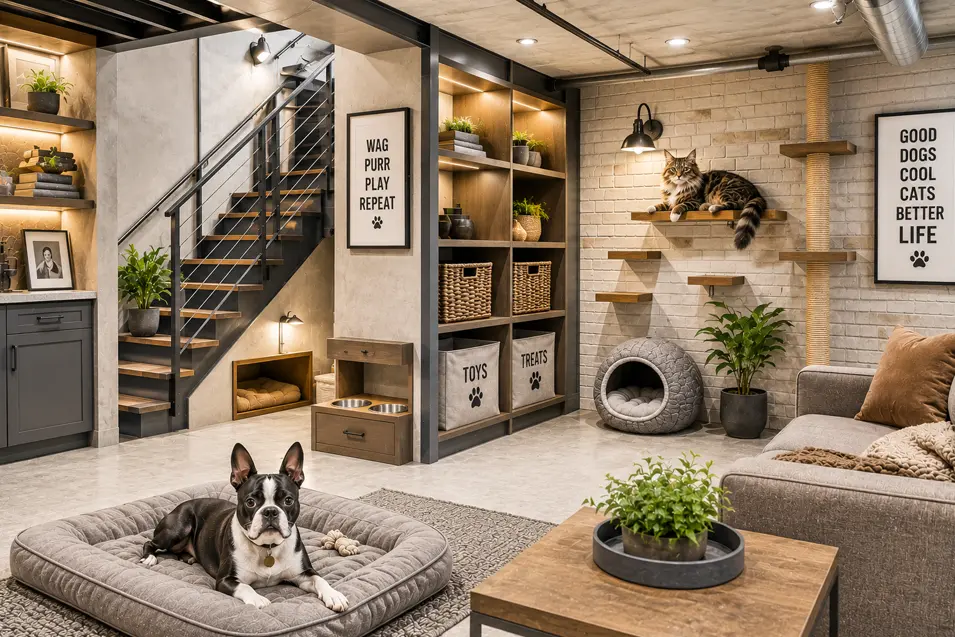

Basements often serve as valuable multipurpose spaces in a home. They may function as storage areas, recreation rooms, home offices, workshops, laundry rooms, or even pet play areas. However, while many homeowners focus on pet-proofing kitchens and living rooms, basements frequently contain hidden dangers that can pose serious risks to cats and dogs.
From exposed wiring and cleaning products to sharp tools and moisture issues, basements can present unique safety challenges for curious pets. Fortunately, with proper planning and a few preventative measures, you can transform your basement into a safe and pet-friendly part of your home.
Whether your pets spend a few hours downstairs each day or have regular access to the basement, understanding potential hazards is the first step toward creating a secure environment.
Why Basements Require Special Attention
Unlike other areas of the home, basements often contain items and systems that are not commonly found elsewhere.
These may include:
- Water heaters
- Furnaces
- Electrical panels
- Storage shelves
- Workshop equipment
- Cleaning supplies
- Laundry appliances
Many of these items can become safety hazards if pets are allowed unrestricted access.
In addition, basements may receive less daily supervision than other rooms, making prevention especially important.
Secure Hazardous Chemicals
One of the biggest basement dangers for pets is the presence of chemicals.
Many homeowners store products downstairs that can be highly toxic if ingested, inhaled, or spilled onto fur and skin.
Common hazardous products include:
- Paints and stains
- Antifreeze
- Pesticides
- Fertilizers
- Cleaning solutions
- Pool chemicals
- Solvents and thinners
Safety tips:
- Store all chemicals in locked cabinets.
- Keep products in their original containers.
- Clean spills immediately.
- Never leave open containers unattended.
Even products that seem harmless can cause serious health issues if pets gain access to them.
Protect Electrical Cords and Wiring
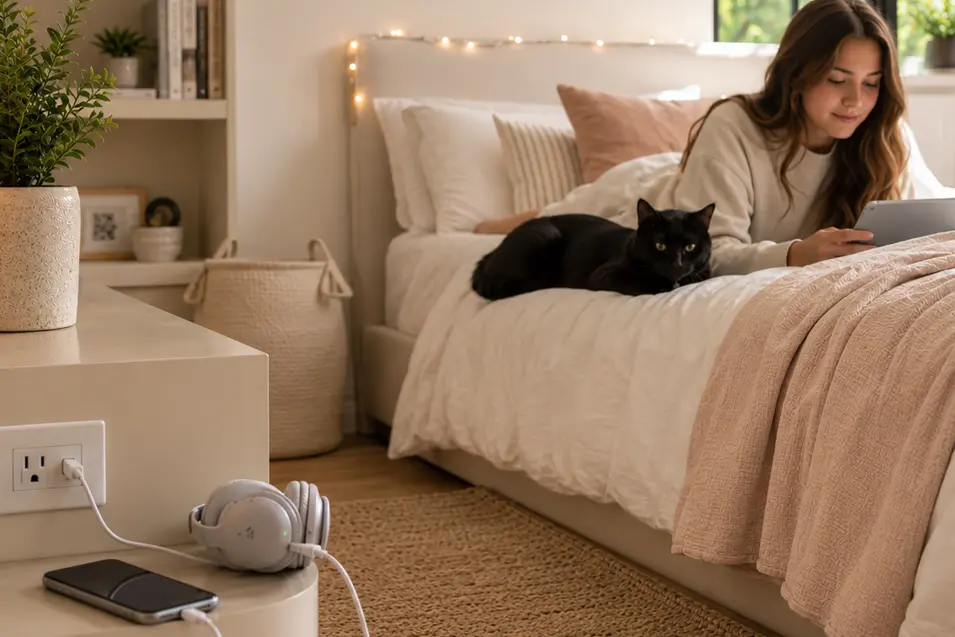
Basements often contain exposed wiring, extension cords, and power tools that may attract curious pets.
Puppies and kittens are particularly prone to chewing electrical cords.
Potential risks include:
- Electric shock
- Burns
- Choking hazards
- Fire hazards
Protect wiring by:
- Using cord covers
- Securing loose cables
- Unplugging unused equipment
- Restricting access to utility areas
Regular inspections can help identify damaged cords before they become dangerous.
Secure Utility Areas
Furnaces, water heaters, electrical panels, and sump pumps are often located in basements.
While these systems are essential to the home, they can pose risks to pets.
Utility areas may contain:
- Hot surfaces
- Sharp metal edges
- Exposed pipes
- Electrical components
Whenever possible, create barriers around utility equipment using gates, partitions, or enclosed utility rooms.
This prevents accidental injuries while still allowing access for maintenance.
Store Tools Safely
Many basements double as workshops or storage areas for tools.
Items such as:
- Hammers
- Nails
- Saws
- Screws
- Drill bits
- Utility knives
can cause serious injuries if left within reach.
Best practices include:
- Store tools in locked toolboxes.
- Keep small hardware in sealed containers.
- Sweep workshop floors regularly.
- Return tools to storage immediately after use.
Cats may climb onto workbenches, while dogs may investigate objects left on the floor.
Address Moisture and Mold Problems
Basements are naturally prone to dampness and humidity.
Excess moisture can contribute to mold growth, which may negatively affect both pets and humans.
Potential issues include:
- Respiratory irritation
- Allergic reactions
- Unpleasant odors
- Damage to bedding and furniture
To reduce moisture:
- Use a dehumidifier.
- Repair leaks promptly.
- Improve ventilation.
- Monitor humidity levels regularly.
Keeping the basement dry benefits both pet health and overall home maintenance.
Keep Laundry Products Out of Reach
Laundry rooms are commonly located in basements and often contain products that are dangerous for pets.
Examples include:
- Detergent pods
- Fabric softeners
- Bleach
- Stain removers
Laundry pods are particularly hazardous because their concentrated contents can cause severe illness if punctured or swallowed.
Store all laundry supplies in secure cabinets or high shelving units.
Watch for Small Objects and Choking Hazards
Basements frequently become catch-all storage spaces where small items accumulate.
Potential hazards include:
- Batteries
- Coins
- Screws
- Nuts and bolts
- Craft supplies
- Children’s toys
Dogs may swallow these objects, while cats often bat them around during play.
Conduct regular inspections and keep floors clear of loose items.
Make Stairs Safer
Basement stairs can present challenges for pets, especially puppies, senior dogs, and cats with mobility issues.
Safety improvements may include:
- Non-slip stair treads
- Adequate lighting
- Secure handrails
- Baby gates when necessary
Older pets may benefit from restricted stair access if climbing becomes difficult or painful.
Preventing falls is especially important for pets with arthritis or vision impairments.
Eliminate Escape Routes
Some basements have exterior doors, crawl spaces, or small windows that may provide escape opportunities.
Check for:
- Damaged window screens
- Gaps around doors
- Open crawl space entrances
- Loose vent covers
Cats are particularly skilled at finding small openings, while determined dogs may push through poorly secured doors.
Regular inspections can help prevent accidental escapes.
Create a Comfortable Pet Area
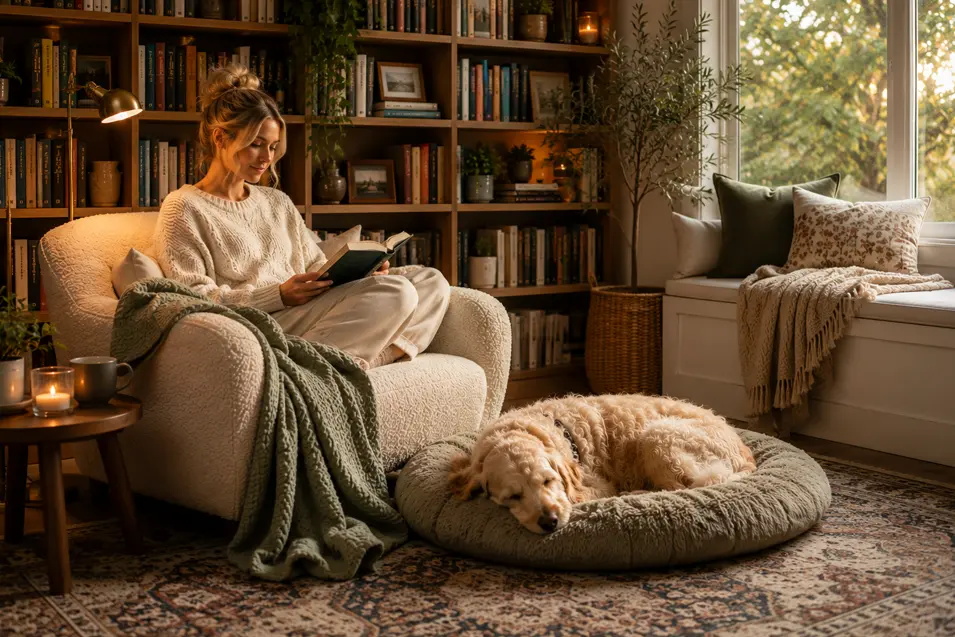
If your pets spend time in the basement, providing a dedicated space can improve both comfort and safety.
Consider including:
- A comfortable pet bed
- Water bowls
- Toys
- Scratching posts for cats
- Soft blankets
Creating an inviting area encourages pets to relax in appropriate spaces rather than exploring potentially hazardous areas.
Choose Pet-Friendly Flooring
Basement flooring often consists of concrete, tile, or laminate surfaces.
While durable, these materials can sometimes be cold or slippery.
Pet-friendly flooring options include:
- Sealed vinyl flooring
- Rubber mats
- Area rugs with non-slip backing
- Pet-safe carpeting
Adding traction can reduce the risk of slips and provide a more comfortable environment for older pets.
Consider Temperature Control
Basements tend to remain cooler than the rest of the home.
While some pets enjoy cooler temperatures, others may become uncomfortable during colder months.
Pay special attention to:
- Senior pets
- Short-haired breeds
- Small dogs
- Pets with health conditions
Providing warm bedding and maintaining a comfortable temperature can make the basement more welcoming year-round.
Establish Clear Boundaries
Not every area of the basement needs to be accessible to pets.
Using gates, partitions, or closed doors can help separate safe spaces from potentially hazardous zones.
Consider restricting access to:
- Workshops
- Utility rooms
- Chemical storage areas
- Unfinished sections
Controlled access allows pets to enjoy the basement while minimizing risks.
Creating a Safer Basement for Everyone
A well-maintained basement can become a valuable extension of your pet-friendly home. By identifying hazards, securing dangerous items, addressing moisture issues, and creating designated pet spaces, you can significantly reduce the risk of accidents and injuries.
Pet-proofing a basement doesn’t require major renovations. Often, simple improvements such as locking cabinets, securing cords, installing gates, and maintaining cleanliness are enough to create a safer environment.
With thoughtful planning and regular maintenance, your basement can become a comfortable, functional, and secure space that both you and your pets can enjoy with confidence.