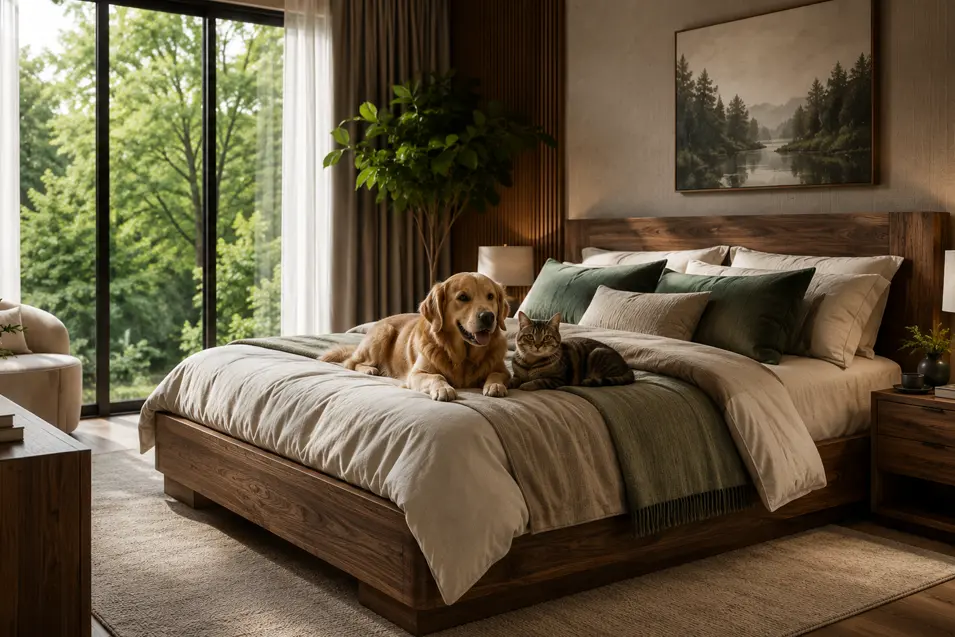
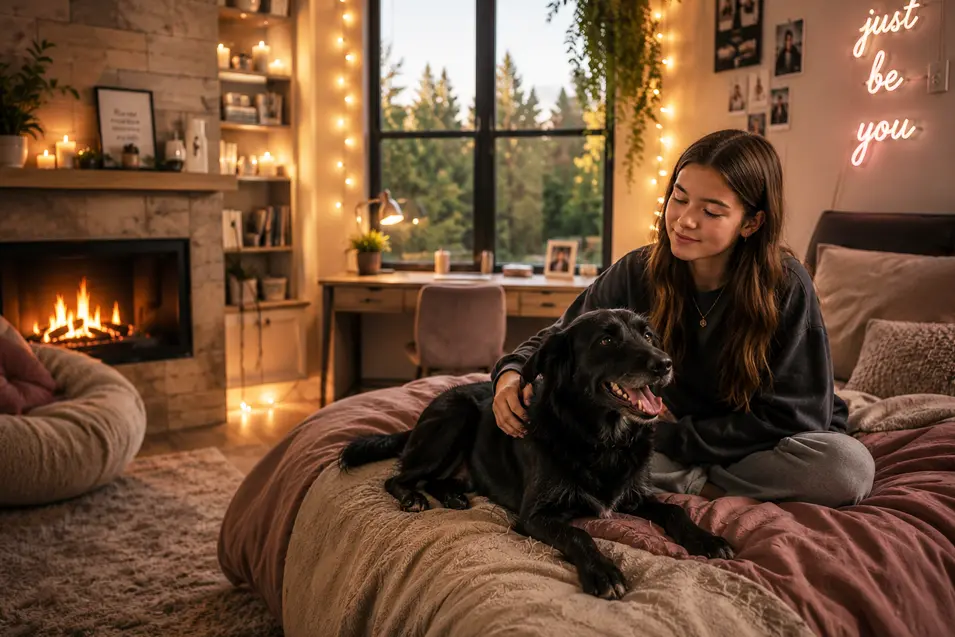
For many teenagers, a bedroom is more than just a place to sleep. It’s a personal retreat, study area, entertainment space, and often a favorite hangout for family pets. Whether it’s a dog curled up beside the bed or a cat claiming ownership of a sunny window, pets naturally gravitate toward bedrooms where they feel comfortable and connected to their favorite people.
While sharing a room with a pet can be rewarding, it also comes with responsibilities. A pet-friendly bedroom should be safe, organized, and comfortable for everyone involved. Unfortunately, many teens unknowingly create situations that can put pets at risk or make the room harder to maintain.
By following a few simple rules, it’s possible to create a bedroom that both pets and people can enjoy.
Rule #1: Keep Floors Clear
Pets explore the world differently than people do.
Dogs and cats investigate their surroundings by sniffing, licking, chewing, and walking through everything they encounter. A cluttered bedroom floor increases the chances of accidents and injuries.
Common hazards include:
- Clothing piles
- Small electronics
- Chargers and cords
- School supplies
- Loose batteries
- Coins
- Jewelry
Keeping floors clear reduces the risk of pets chewing, swallowing, or becoming tangled in items that don’t belong in their mouths.
Rule #2: Don’t Leave Food in the Bedroom
Many teens enjoy snacks while studying, gaming, or watching television. Unfortunately, pets often view leftover food as an invitation.
Foods that may seem harmless can pose serious risks to animals.
Common bedroom food hazards include:
- Chocolate
- Candy
- Gum
- Chips
- Nuts
- Energy drinks
- Leftover meals
Food containers, wrappers, and drink cups can also create problems if curious pets investigate them.
Making a habit of removing food and dishes promptly helps keep pets safe.
Rule #3: Protect Electrical Cords
Chargers, gaming systems, computers, lamps, and entertainment devices often create a maze of cords throughout a bedroom.
Young pets in particular may be tempted to chew on exposed cables.
Chewing electrical cords can lead to:
- Burns
- Electric shock
- Serious injury
- Fire hazards
Cord organizers and protective covers can help reduce risks while keeping the room looking more organized.
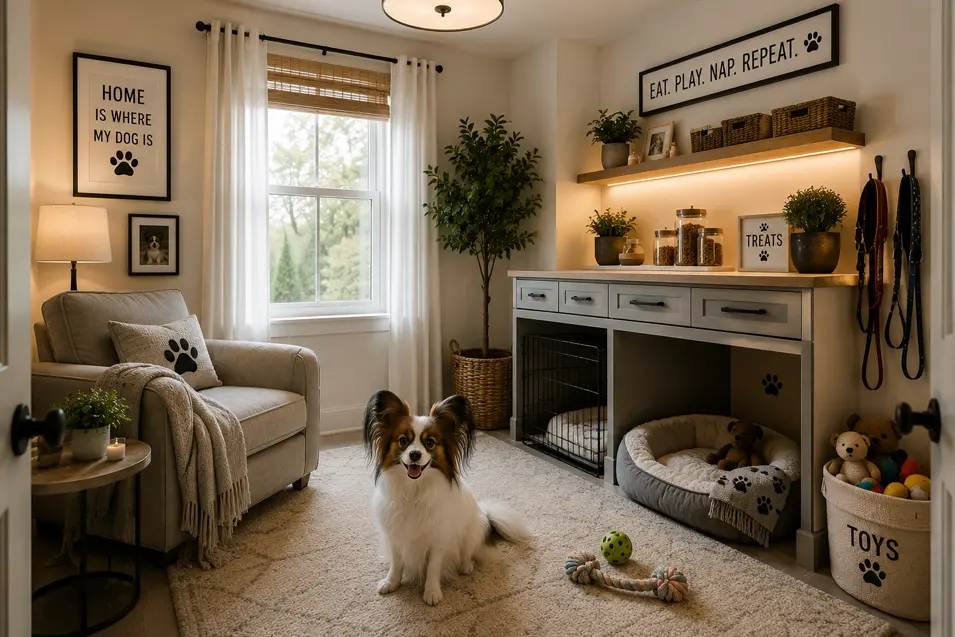
Rule #4: Create a Dedicated Space for Your Pet
Pets appreciate having a comfortable place they can call their own.
Rather than expecting your dog or cat to find a sleeping spot wherever they choose, consider providing:
- A comfortable pet bed
- Soft blankets
- A quiet corner
- Access to fresh water
- A relaxing environment
A designated area helps pets feel secure while giving them a consistent place to rest.
Rule #5: Keep Dangerous Items Out of Reach
Bedrooms often contain items that may be harmless to humans but dangerous to pets.
Potential hazards include:
- Medications
- Vitamins
- Cosmetics
- Hair ties
- Nail products
- Essential oils
- Cleaning products
Many pet emergencies occur because animals gain access to everyday household items that were left unattended.
Storage containers and closed drawers can significantly reduce risks.
Rule #6: Respect Your Pet’s Need for Rest
Just like people, pets need uninterrupted sleep.
Constant noise, bright lights, and excessive activity can make it difficult for animals to relax.
If your pet chooses to nap in your room, try to provide periods of calm where they can rest comfortably without being disturbed.
A well-rested pet is often a happier and healthier pet.
Rule #7: Brush Pets Regularly
Pet hair can quickly accumulate in bedrooms.
Regular grooming helps reduce:
- Shedding
- Dander
- Dirt
- Outdoor debris
Brushing pets outside or in designated grooming areas can prevent fur from collecting on bedding, furniture, and carpets.
This simple habit can make bedroom cleaning much easier.
Rule #8: Wash Bedding Frequently
When pets share sleeping spaces, bedding tends to collect:
- Hair
- Dander
- Dirt
- Allergens
Regular washing helps maintain cleanliness and improves overall comfort.
Clean bedding benefits both pets and people while contributing to better indoor air quality.
Rule #9: Watch What Houseplants You Bring Into the Room
Many popular houseplants can be toxic to pets.
Before adding plants to a bedroom, research whether they are safe for dogs and cats.
Even pets that rarely chew plants may occasionally become curious, making it important to choose carefully.
Pet-safe alternatives allow teens to enjoy greenery without creating unnecessary risks.
Rule #10: Remember That It’s Your Responsibility
One of the most important rules is also the simplest.
If a pet spends time in your bedroom, you are responsible for helping keep the environment safe.
That means:
- Cleaning up messes
- Keeping hazards out of reach
- Maintaining organization
- Respecting your pet’s needs
- Providing a comfortable space
Sharing a room with a pet is a privilege that comes with responsibility.
Creating a Better Bedroom for Pets and People
A pet-friendly bedroom doesn’t need to be perfect. It simply needs to be safe, organized, and comfortable.
By following a few common-sense rules, teens can create an environment where pets feel welcome while maintaining a space that supports studying, relaxing, and everyday life.
The best bedrooms aren’t designed solely for people or solely for pets. They’re designed to work well for both. When everyone has room to relax, sleep, and feel comfortable, the result is a happier space for the entire household.