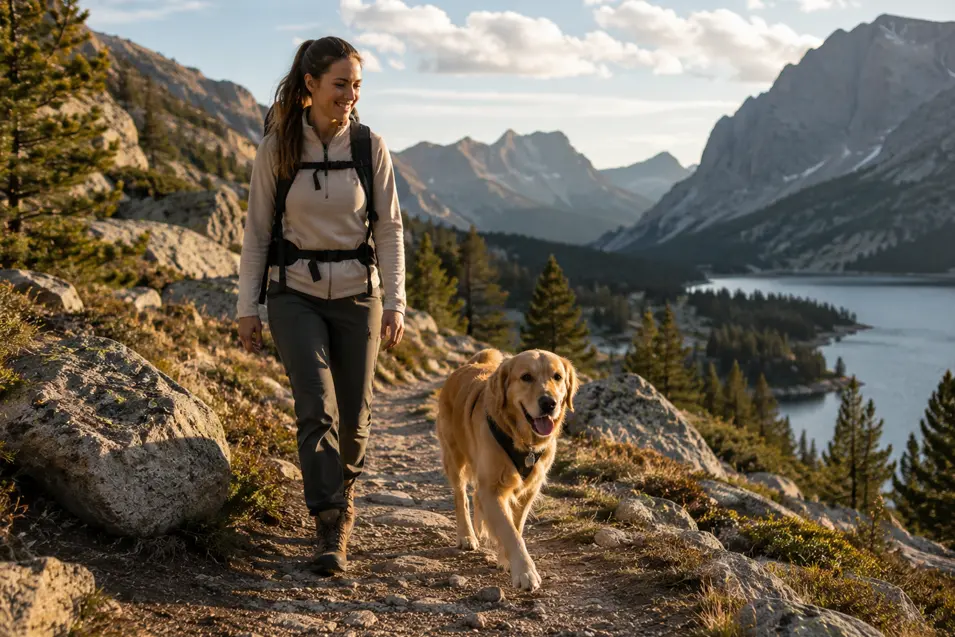
For many dog owners, few things are more enjoyable than exploring the outdoors with a four-legged companion. Whether you’re hiking through the mountains, camping under the stars, walking local nature trails, or simply spending more time outside together, outdoor adventures provide valuable exercise, mental stimulation, and bonding opportunities for both you and your dog.
However, nature also presents unique challenges. From extreme temperatures and rough terrain to wildlife encounters and dehydration, outdoor activities require preparation and awareness to ensure your dog remains safe and comfortable.
With the right planning, most dogs can safely enjoy outdoor adventures throughout the year. Here’s what every pet owner should know before heading outside.
Why Dogs Love Outdoor Adventures
Dogs experience the world primarily through their senses, particularly smell. Outdoor environments provide an endless source of new sights, sounds, and scents that help keep dogs mentally engaged.
Benefits of outdoor adventures include:
- Physical exercise
- Weight management
- Improved cardiovascular health
- Mental stimulation
- Reduced boredom
- Stronger owner-pet bonds
- Opportunities for socialization
Even moderate outdoor activities can contribute significantly to your dog’s overall health and well-being.
Choose Activities Appropriate for Your Dog
Not every dog is suited for every type of outdoor activity.
Before planning an adventure, consider:
Age
Puppies and senior dogs often require shorter outings and more frequent rest breaks.
Breed
Some breeds are natural endurance athletes, while others may struggle with strenuous activity.
Dogs that often excel outdoors include:
- Labrador Retrievers
- Golden Retrievers
- Australian Shepherds
- Border Collies
- German Shorthaired Pointers
- Siberian Huskies
Brachycephalic breeds such as Bulldogs and Pugs may have difficulty in hot weather or during intense exercise.
Fitness Level
Just like people, dogs need time to build endurance. Start slowly and gradually increase distance and intensity.
Health Conditions
Dogs with arthritis, heart disease, respiratory conditions, or other medical concerns may require modified activities.
Consult your veterinarian before beginning a new exercise routine if your dog has existing health issues.
Essential Gear for Outdoor Adventures
A little preparation can make outdoor trips safer and more enjoyable.
Consider bringing:
- Secure leash
- Comfortable harness
- Portable water bowl
- Fresh drinking water
- Waste bags
- Dog treats
- First aid kit
- Identification tags
- GPS tracker (for remote locations)
- Cooling vest or jacket when appropriate
For longer hikes and camping trips, some dogs can safely carry lightweight backpacks designed specifically for canine use.
Keep Your Dog Hydrated
Dehydration is one of the most common risks during outdoor activities.
Always bring enough fresh water for both yourself and your dog.
Signs of dehydration may include:
- Excessive panting
- Dry gums
- Lethargy
- Sunken eyes
- Weakness
Offer water frequently, especially during warm weather.
Avoid allowing your dog to drink from stagnant ponds, puddles, or unfamiliar water sources that may contain bacteria or parasites.
Protect Your Dog From Heat
Dogs can overheat much faster than humans.
Summer adventures require extra caution.
To reduce heat-related risks:
- Exercise during cooler morning hours
- Avoid midday heat
- Seek shaded areas
- Carry plenty of water
- Take frequent breaks
- Avoid hot pavement
Signs of heat exhaustion include:
- Excessive panting
- Drooling
- Weakness
- Vomiting
- Disorientation
- Collapse
Heatstroke is a medical emergency requiring immediate veterinary care.
Don’t Ignore Cold Weather Risks
Winter adventures can be equally enjoyable, but cold weather introduces different challenges.
Watch for:
- Frostbite
- Hypothermia
- Ice injuries
- Snow-packed paws
- Dehydration
Short-haired breeds and smaller dogs may benefit from insulated jackets during cold-weather outings.
After winter walks, check paws for:
- Ice buildup
- Salt residue
- Cracks
- Cuts
Practice Trail Etiquette
Responsible dog ownership helps preserve access to parks and trails for everyone.
Good trail manners include:
Keep Your Dog Under Control
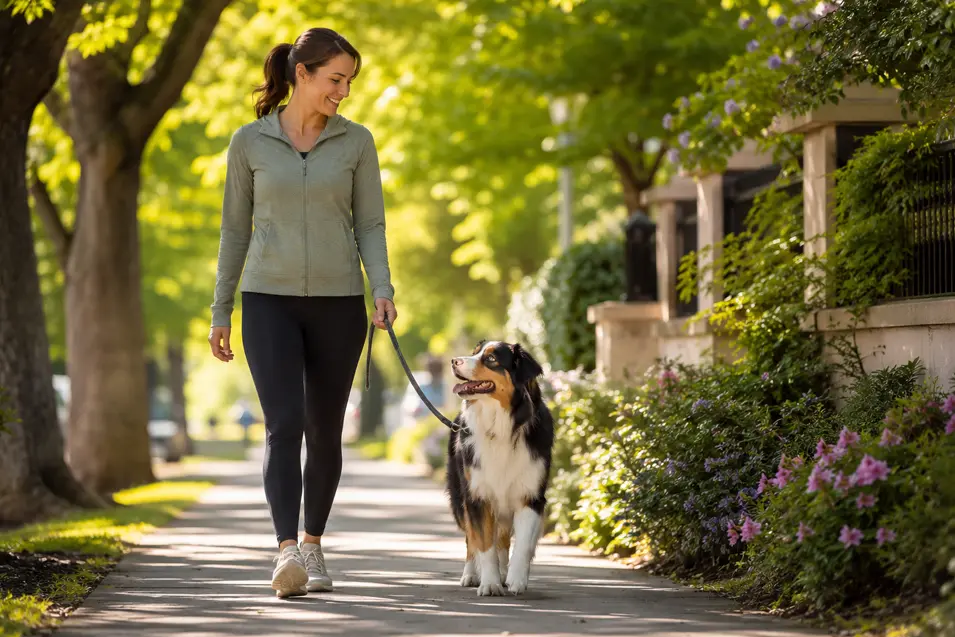
Even friendly dogs should remain under voice control or on a leash where required.
Respect Other Hikers
Not everyone enjoys interactions with unfamiliar dogs.
Allow others space when passing.
Clean Up After Your Dog
Always carry waste bags and dispose of waste properly.
Stay on Designated Trails
Remaining on marked paths helps protect wildlife and sensitive habitats.
Be Aware of Wildlife
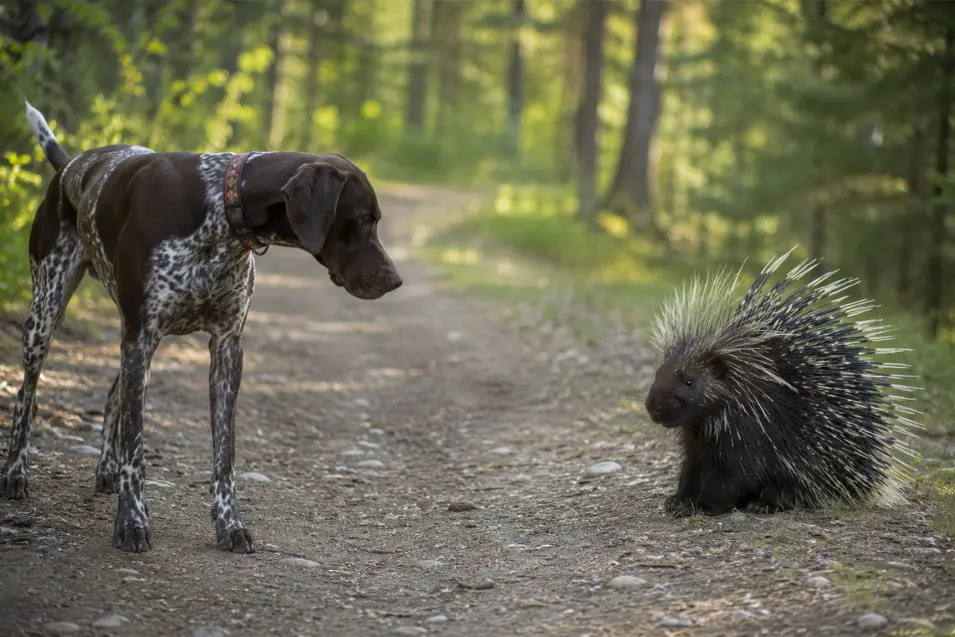
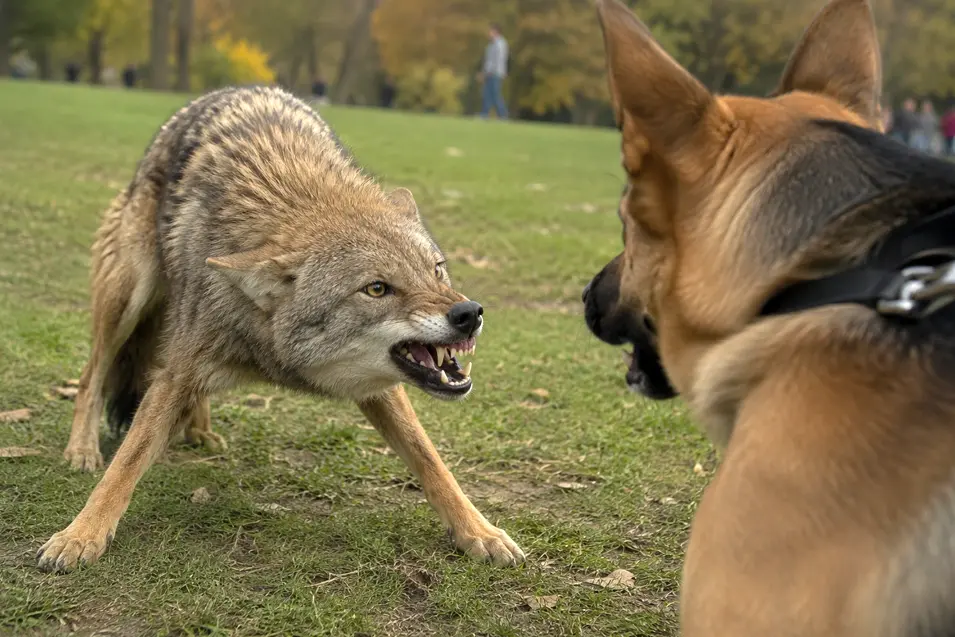
Many outdoor areas are home to wildlife that may pose risks to dogs.
Depending on your location, encounters may include:
- Deer
- Coyotes
- Snakes
- Bears
- Porcupines
- Raccoons
- Skunks
Keep dogs close and avoid allowing them to chase wildlife.
A curious dog can quickly find itself injured by an animal simply defending itself.
Watch for Dangerous Plants
Some plants can be toxic if chewed or ingested.
Potential hazards include:
- Foxtails
- Mushrooms
- Oleander
- Foxglove
- Certain lilies
- Poison ivy
After hikes, inspect your dog’s coat, paws, ears, and skin for burrs, seeds, or plant debris.
Foxtails deserve special attention because they can become embedded in skin, ears, noses, and paws.
Check for Ticks and Fleas
Ticks are common in wooded and grassy environments.
After every outdoor excursion:
- Check ears
- Examine paws
- Inspect the neck
- Look under the collar
- Check between toes
Year-round flea and tick prevention remains one of the best ways to reduce parasite-related health risks.
Camping With Your Dog
Many dogs thrive on camping trips.
To make camping safer:
- Bring familiar bedding
- Pack enough food
- Maintain your dog’s normal feeding schedule
- Keep vaccinations current
- Use reflective gear at night
- Secure dogs during quiet hours
Never leave a dog unattended at a campsite.
Signs Your Dog Needs a Break
Dogs often continue moving even when tired or uncomfortable.
Watch for:
- Slowing down
- Excessive panting
- Limping
- Reluctance to continue
- Frequent lying down
- Heavy drooling
When in doubt, stop and rest.
It’s always better to end an adventure early than risk injury or illness.
Outdoor Safety Checklist
Before leaving home, ask yourself:
✓ Is my dog healthy enough for this activity?
✓ Do I have enough water?
✓ Are identification tags current?
✓ Is my dog protected against fleas and ticks?
✓ Have I checked the weather forecast?
✓ Do I know local leash laws?
✓ Do I have a first aid kit?
A few minutes of preparation can prevent many common outdoor emergencies.
Final Thoughts
Outdoor adventures provide an excellent opportunity for dogs and their owners to stay active, explore new environments, and strengthen their bond. Whether you’re hiking a mountain trail, spending a weekend camping, or simply exploring a local park, proper preparation can help ensure every outing is safe and enjoyable.
By paying attention to weather conditions, hydration, wildlife, trail etiquette, and your dog’s physical limitations, you can confidently enjoy the outdoors together while creating memories that will last a lifetime.