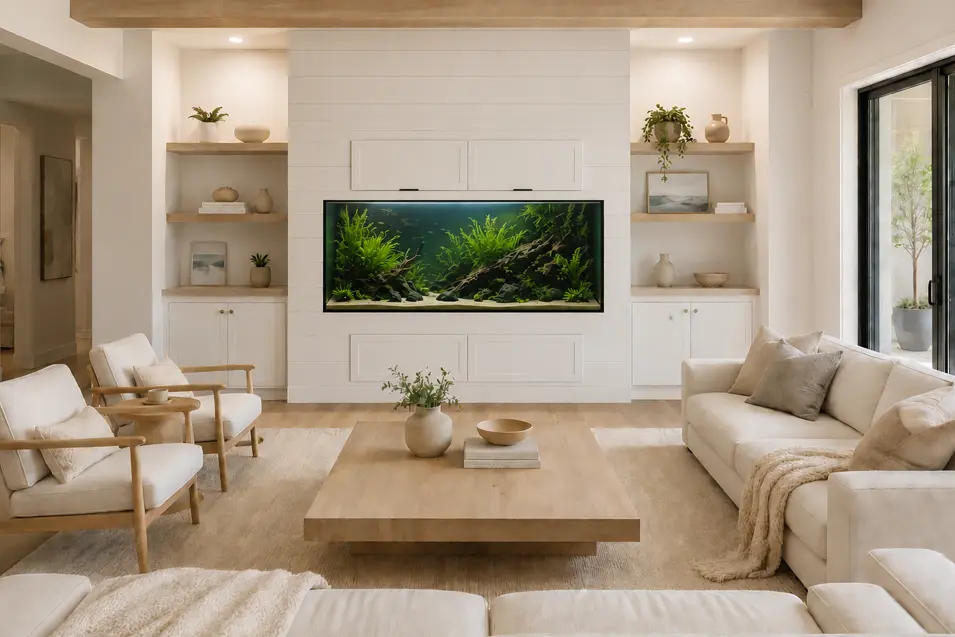
One of the first decisions every aquarium owner faces is choosing the size of the tank.
For some people, a compact nano aquarium seems ideal because it requires less space and lower upfront costs. Others are drawn to large aquariums that create dramatic displays and allow for more fishkeeping possibilities.
While both options can be rewarding, aquarium size influences nearly every aspect of the hobby. Maintenance requirements, fish compatibility, equipment choices, costs, and even long-term success are affected by the size of the aquarium.
Understanding the advantages and limitations of both nano and large aquariums can help you choose the setup that best matches your home, budget, and lifestyle.
What Is a Nano Aquarium?
Although definitions vary slightly, nano aquariums are generally considered tanks under 30 gallons.
Common nano aquarium sizes include:
- 5 gallons
- 10 gallons
- 15 gallons
- 20 gallons
- 25 gallons
Nano aquariums are popular because they fit comfortably into:
- Apartments
- Condominiums
- Home offices
- Bedrooms
- Small living spaces
They allow people to enjoy fishkeeping without dedicating a large area of the home to an aquarium.
What Is Considered a Large Aquarium?
There is no official definition, but many hobbyists consider aquariums over 75 gallons to be large.
Common large aquarium sizes include:
- 75 gallons
- 90 gallons
- 125 gallons
- 180 gallons
- 240 gallons and larger
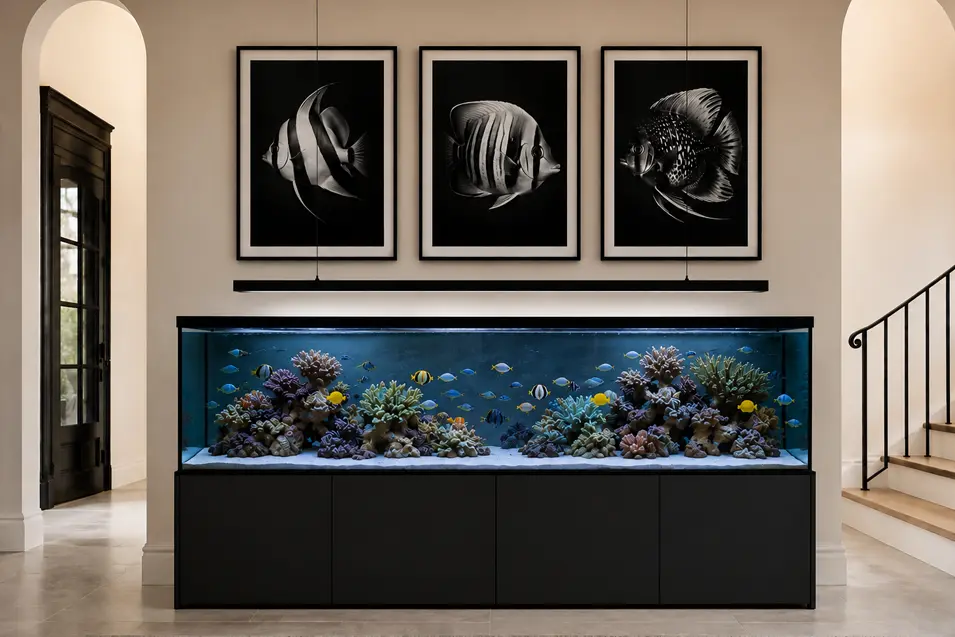
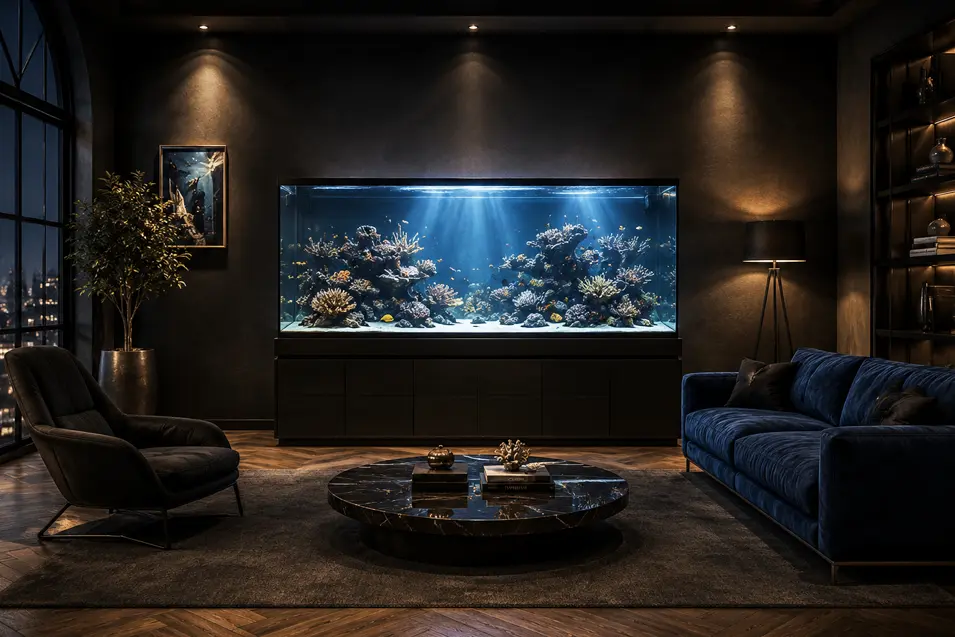
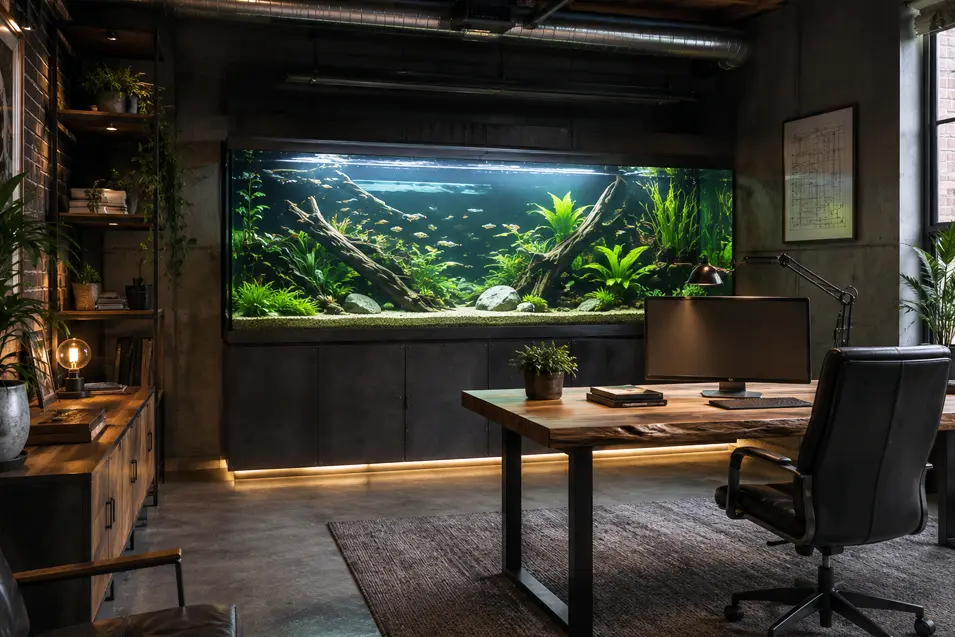
These tanks often become major design features within a home and frequently serve as focal points in living rooms, offices, and custom-built spaces.
Space Requirements
One of the most obvious differences between nano and large aquariums is the amount of space they require.
Nano Aquariums
Advantages include:
- Fit almost anywhere
- Suitable for apartments
- Easier room placement
- Less visual dominance
Nano tanks are ideal when available space is limited.
Large Aquariums
Large tanks require:
- Dedicated floor space
- Stronger furniture
- Structural considerations
- More planning
However, they often become stunning design features that transform a room.
Upfront Costs
Many beginners assume smaller aquariums are dramatically cheaper.
While the initial purchase price is usually lower, the difference may not always be as significant as expected.
Nano Aquarium Costs
Generally lower costs for:
- Tank
- Stand
- Lighting
- Filtration
However, premium nano equipment can still be expensive.
Large Aquarium Costs
Higher costs often include:
- Larger tanks
- Stronger stands
- More powerful equipment
- Additional décor
- Structural planning
Large aquariums typically require a greater financial commitment from the start.
Maintenance Requirements
Many beginners assume small tanks are easier to maintain.
Surprisingly, this is not always true.
Nano Aquariums and Stability
Smaller water volumes change quickly.
A nano aquarium may experience faster fluctuations in:
- Temperature
- Water chemistry
- Evaporation
- Nutrient levels
Because there is less water available to dilute mistakes, problems can develop more rapidly.
This often requires closer monitoring.
Large Aquariums and Stability
Large aquariums contain significantly more water.
This creates greater environmental stability.
Minor issues often have less immediate impact because the larger volume buffers changes more effectively.
Many experienced aquarists consider large tanks easier to keep stable over the long term.
Water Changes
Maintenance approaches differ considerably between tank sizes.
Nano Aquariums
Water changes are quick and easy.
A typical maintenance session may involve only a few gallons of water.
Benefits include:
- Minimal equipment
- Faster completion
- Easier cleanup
Large Aquariums
Large tanks require moving much more water.
Owners may need:
- Hoses
- Pumps
- Water storage systems
- Dedicated maintenance equipment
While less sensitive to sudden changes, maintenance can be more physically demanding.
Fish Selection
Aquarium size has a major impact on livestock choices.
Nano Aquarium Fish
Nano aquariums are best suited for:
- Bettas
- Small rasboras
- Ember tetras
- Chili rasboras
- Shrimp
- Snails
Fish options are more limited due to space constraints.
Large Aquarium Fish
Larger tanks allow for:
- Bigger fish
- Larger schools
- Greater species diversity
- More complex communities
Many popular species simply cannot be housed responsibly in small aquariums.
Aquascaping Opportunities
Aquascaping possibilities expand significantly as tank size increases.
Nano Aquascapes
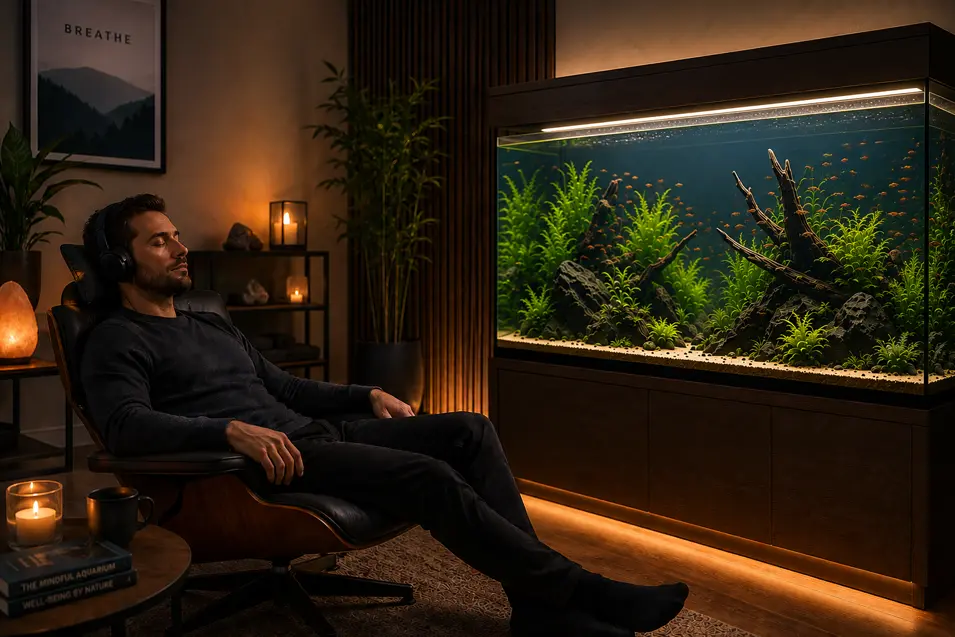
Nano tanks often resemble miniature landscapes.
Benefits include:
- Artistic creativity
- Compact beauty
- Lower material requirements
Many aquascapers enjoy the challenge of designing detailed miniature ecosystems.
Large Aquascapes
Large aquariums provide opportunities for:
- Dramatic layouts
- Extensive plant growth
- Complex hardscapes
- Greater depth and perspective
These tanks often create breathtaking visual impact.
Operating Costs
Size influences ongoing expenses.
Nano Aquariums
Generally lower costs for:
- Water
- Electricity
- Supplies
Equipment is often smaller and more energy efficient.
Large Aquariums
Operating expenses may increase due to:
- Larger heaters
- More powerful filtration
- Additional lighting
- Greater water consumption
Long-term costs should be considered before installation.
Placement Flexibility
Nano aquariums are remarkably flexible.
They can often be placed on:
- Desks
- Bookshelves
- Counters
- Small stands
Large aquariums require more planning.
Considerations include:
- Floor strength
- Electrical access
- Water access
- Room design
The larger the aquarium, the more important placement becomes.
Visual Impact
This is one area where large aquariums often excel.
Nano Aquariums
Nano tanks create intimate viewing experiences.
They invite close observation and often function as personal displays.
Large Aquariums
Large tanks command attention.
They frequently become:
- Living room focal points
- Architectural features
- Conversation pieces
Their scale creates a level of visual drama that smaller tanks cannot easily match.
Beginner Considerations
Many people assume beginners should start small.
In reality, moderately sized aquariums are often easier to manage than extremely small tanks.
Nano aquariums require:
- Careful monitoring
- Consistent maintenance
- Attention to water quality
Larger tanks offer greater stability but require larger investments.
For many beginners, aquariums in the 20- to 55-gallon range provide an excellent balance.
Which Aquarium Fits Your Lifestyle?
A nano aquarium may be ideal if you:
- Have limited space
- Prefer lower upfront costs
- Enjoy detailed aquascaping
- Want a desktop or office aquarium
A large aquarium may be ideal if you:
- Have sufficient space
- Want a dramatic display
- Plan to keep larger fish
- Appreciate greater environmental stability
There is no universally correct choice.
The best aquarium is the one that fits comfortably into your home and lifestyle.
Long-Term Planning Matters
Many aquarium owners eventually upgrade.
A hobbyist who begins with a nano aquarium may later want:
- More fish
- Larger species
- Expanded aquascaping opportunities
Likewise, some owners discover they prefer the simplicity of smaller setups.
Thinking about long-term goals before purchasing can help avoid costly upgrades later.
Conclusion
Nano aquariums and large aquariums each offer unique advantages. Nano tanks are compact, affordable, and flexible, making them excellent options for smaller spaces and hobbyists who enjoy miniature aquatic landscapes. Large aquariums provide greater stability, expanded fishkeeping possibilities, and stunning visual impact that can transform an entire room.
The right choice depends on your available space, budget, maintenance preferences, and long-term goals. By carefully considering how the aquarium will fit into your lifestyle, you can select a size that remains enjoyable and manageable for years to come.
Whether you choose a tiny planted nano tank or a spectacular large display aquarium, success ultimately comes from thoughtful planning and consistent care.
Frequently Asked Questions
What is considered a nano aquarium?
Most hobbyists consider aquariums under 30 gallons to be nano aquariums.
Are nano aquariums easier to maintain?
Not necessarily. Smaller water volumes can change more quickly, making water quality and temperature less stable.
Are large aquariums better for beginners?
Large aquariums often provide greater stability, but they require higher upfront costs and more space.
What size aquarium is best for most beginners?
Many experienced hobbyists recommend aquariums between 20 and 55 gallons because they balance stability, affordability, and manageable maintenance.
Do large aquariums cost significantly more to operate?
Generally, yes. Larger tanks often require more powerful equipment, greater water volume, and increased energy consumption.
Related Reading
- Saltwater vs. Freshwater Aquariums: Which Is Right for Your Home?
- Low-Maintenance Aquarium Setups for Busy Families
- How Much Does an Aquarium Weigh? Floor, Furniture, and Structural Considerations
- Aquariums in the Home: Design, Placement, Planning, and Practical Living
- Energy Costs of Owning an Aquarium: What to Expect
- Aquarium Furniture: Stands, Cabinets, and Built-In Storage Solutions