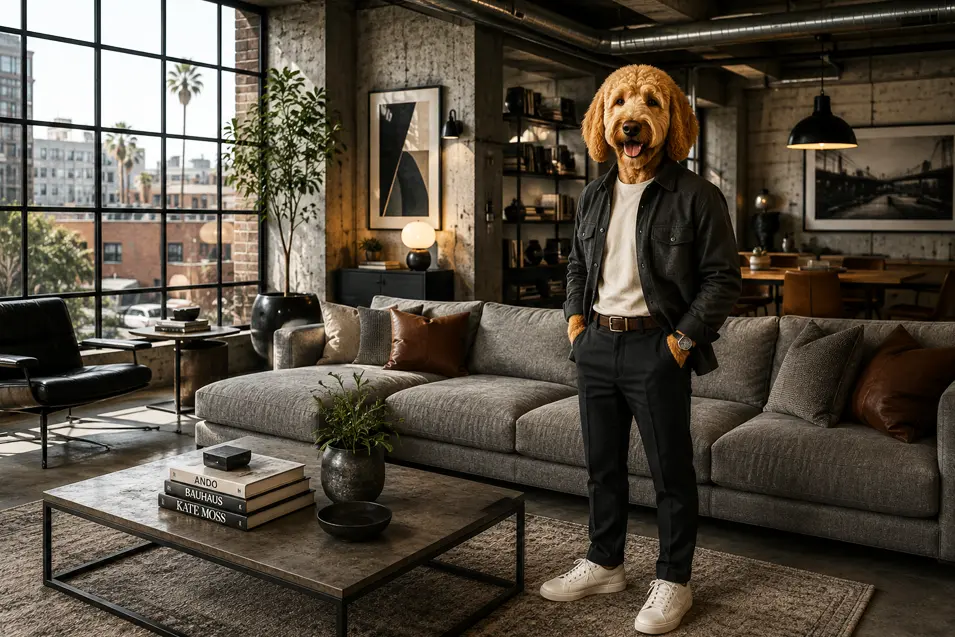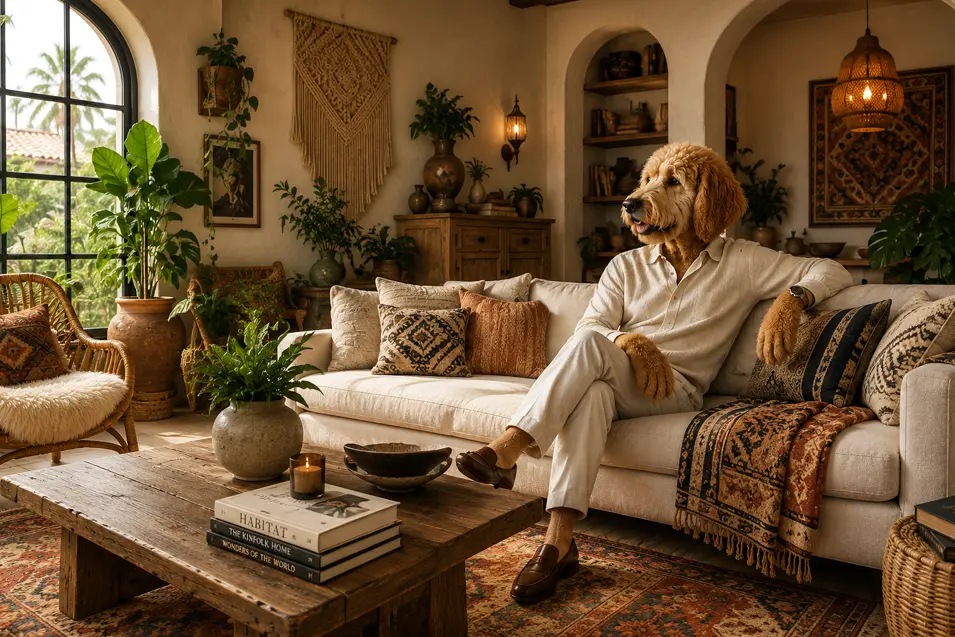
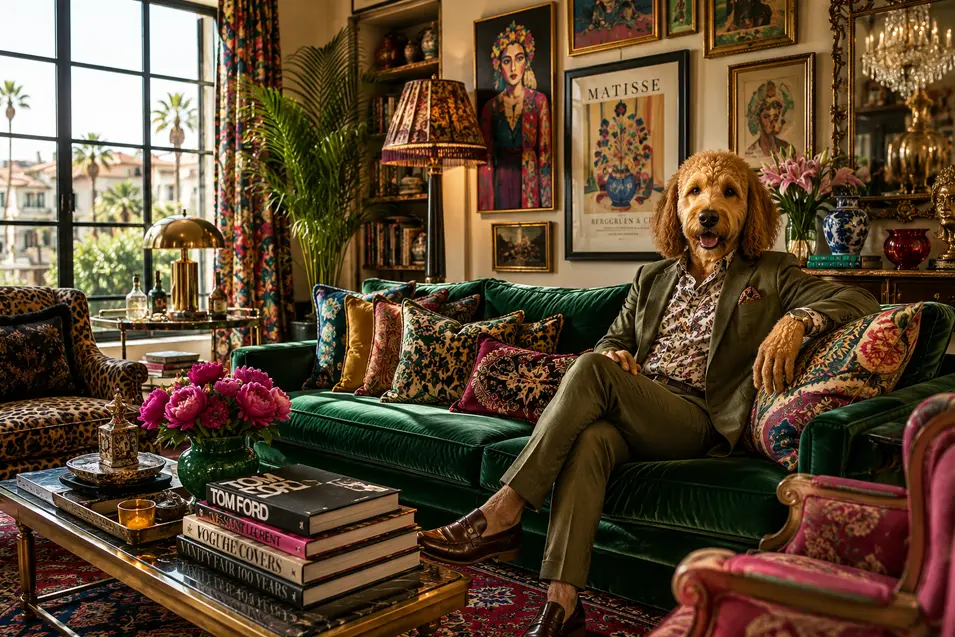
Maximalist and Minimalist design represent two of the most recognizable—and opposite—approaches to interior decorating. One embraces abundance, personality, and visual richness. The other celebrates simplicity, restraint, and intentional living.
At first glance, the two styles appear to have little in common.
Yet both Maximalism and Minimalism share an important goal: creating a home that reflects the values and preferences of the people who live there. They simply achieve that goal in very different ways.
For homeowners trying to decide between a vibrant, layered interior and a calm, uncluttered retreat, understanding the differences can make the decision much easier.
What Is Maximalist Design?
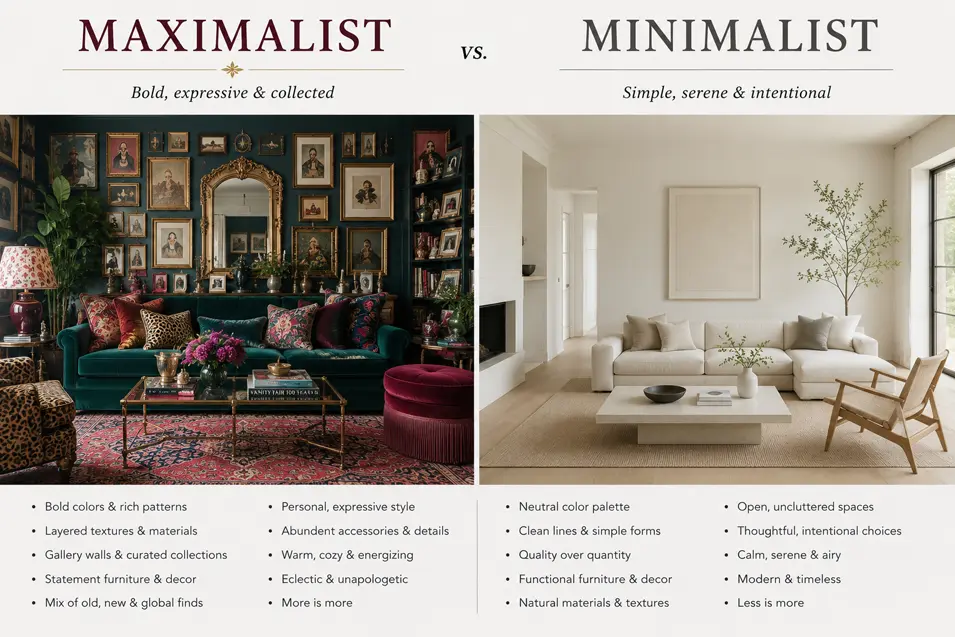
Maximalist design embraces the idea that more can be more.
Rather than limiting colors, patterns, artwork, or collections, Maximalist interiors celebrate self-expression and creativity. Every room becomes an opportunity to showcase personality, interests, and meaningful objects.
Common characteristics include:
- Bold color palettes
- Layered patterns
- Statement furniture
- Extensive artwork
- Collected décor
- Rich textures
Maximalist interiors often feel vibrant, energetic, and full of life.
The style encourages homeowners to surround themselves with the things they love rather than editing them away.
What Is Minimalist Design?
Minimalist design is built around the principle that less is more.
The style focuses on eliminating unnecessary items and creating spaces that feel calm, organized, and intentional. Every piece serves a purpose, and visual clutter is kept to a minimum.
Common characteristics include:
- Neutral color palettes
- Clean lines
- Functional furniture
- Open spaces
- Minimal décor
- Simple forms
Minimalist interiors are designed to promote clarity, focus, and tranquility.
The emphasis is on quality rather than quantity.
Similarities Between Maximalist and Minimalist Design
Despite their obvious differences, both styles share several important principles.
Both emphasize:
- Intentional design choices
- Personal expression
- Functional living spaces
- Quality furnishings
- Thoughtful organization
In both styles, every element should contribute to the overall atmosphere of the home.
Neither approach is successful when it feels accidental or poorly planned.
Key Differences Between Maximalist and Minimalist Design
The differences become apparent in nearly every aspect of the design process.
Color Palettes
Maximalist interiors often embrace bold and varied colors.
Popular choices include:
- Emerald green
- Sapphire blue
- Burgundy
- Mustard yellow
- Coral
- Jewel tones
Colors are frequently layered throughout the space to create energy and visual interest.
Minimalist interiors typically rely on more restrained palettes.
Common colors include:
- White
- Cream
- Gray
- Beige
- Soft black accents
The goal is to create a calm and cohesive environment.
Decorative Elements
Maximalism celebrates abundance.
You may find:
- Gallery walls
- Collections
- Decorative accessories
- Bookshelves
- Patterned textiles
- Statement lighting
Minimalism takes the opposite approach.
Decorative items are carefully limited and selected for both beauty and purpose.
Every object has room to breathe.
Furniture Styles
Maximalist furniture often serves as a focal point.
Common features include:
- Bold upholstery
- Unique shapes
- Vintage finds
- Decorative details
- Statement pieces
Minimalist furniture tends to emphasize:
- Simple forms
- Functional design
- Clean lines
- Neutral finishes
- Visual simplicity
The furniture often blends seamlessly into the overall space.
Overall Mood
Maximalist interiors typically feel:
- Energetic
- Expressive
- Creative
- Dynamic
Minimalist interiors tend to feel:
- Calm
- Organized
- Peaceful
- Intentional
Both can be beautiful, but they create very different emotional experiences.
Maximalist vs. Minimalist Furniture
Furniture choices often highlight the contrast between these styles.
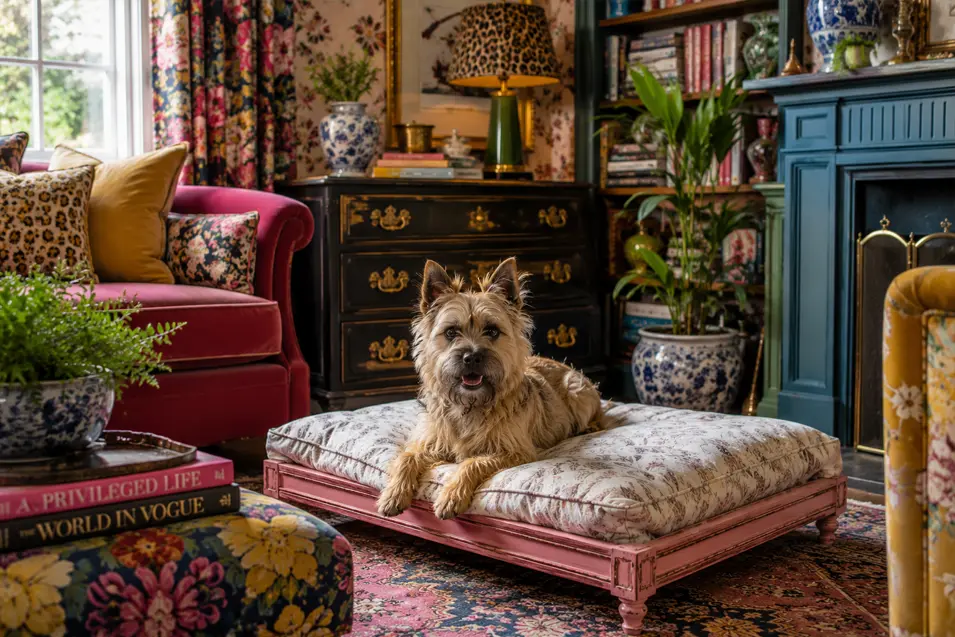
A Maximalist living room may include:
- Colorful sofas
- Patterned rugs
- Layered artwork
- Decorative shelving
- Vintage collections
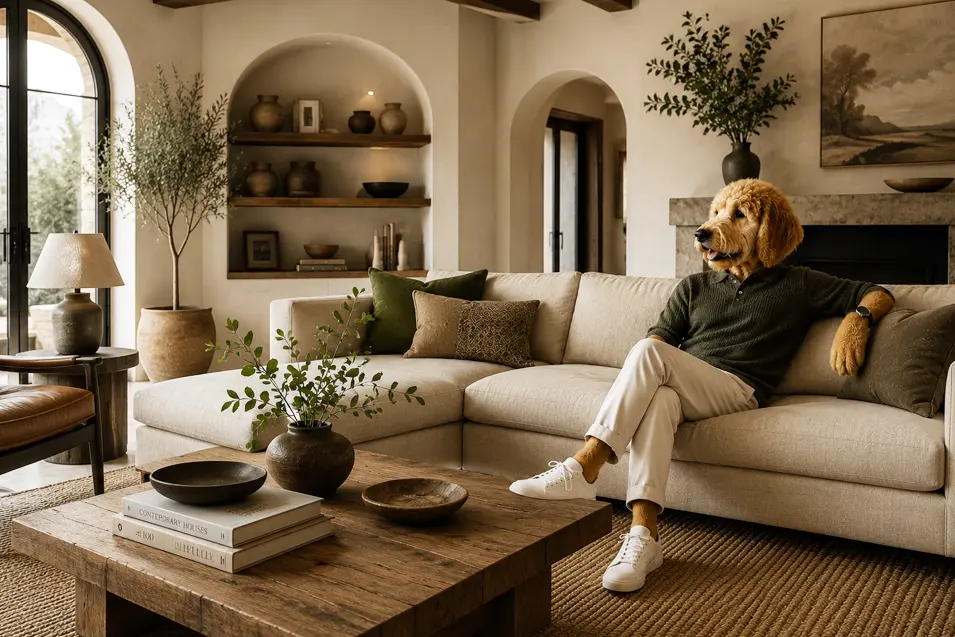
A Minimalist living room is more likely to feature:
- A streamlined sofa
- Simple coffee table
- Limited accessories
- Hidden storage
- Open floor space
Maximalism fills a room with personality, while Minimalism creates space for simplicity.
Which Style Is Better for Pet Owners?
Both styles can work well in pet-friendly homes, but each comes with unique considerations.
Maximalist interiors can be forgiving because pet beds, toys, and accessories often blend naturally into the layered environment. Small signs of wear may be less noticeable among the many textures and decorative elements.
Minimalist interiors can make cleaning easier because there is less clutter. However, pet items often stand out more prominently, requiring homeowners to be thoughtful about storage and furniture choices.
Many pet owners find success by combining minimalist organization with a few carefully chosen decorative touches.
How to Choose Between Maximalist and Minimalist Design
If you enjoy collecting meaningful objects, displaying artwork, experimenting with color, and expressing your personality through décor, Maximalist design may be the better fit.
If you prefer uncluttered spaces, simple routines, and interiors that promote calm and focus, Minimalist design may feel more natural.
It’s also possible to borrow elements from both styles. Many homeowners embrace minimalist organization while incorporating a handful of bold colors, statement pieces, or cherished collections.
The two styles are not always as incompatible as they first appear.
Final Thoughts
Maximalist and Minimalist design represent two very different philosophies, but both can create beautiful and highly functional homes. Maximalism celebrates abundance, creativity, and self-expression, while Minimalism focuses on simplicity, clarity, and intentional living.
Neither style is inherently better. The right choice depends on your personality, lifestyle, and how you want your home to feel.
As Scout discovered while comparing a room filled with colorful collections to a serene minimalist retreat, great design isn’t about following rules—it’s about creating a home that feels right for the people and pets who live there.
Still deciding? Compare the key elements of Maximalist and Minimalist design, then visit our detailed Maximalist Style Guide and Minimalist Style Guide for room-by-room inspiration.