
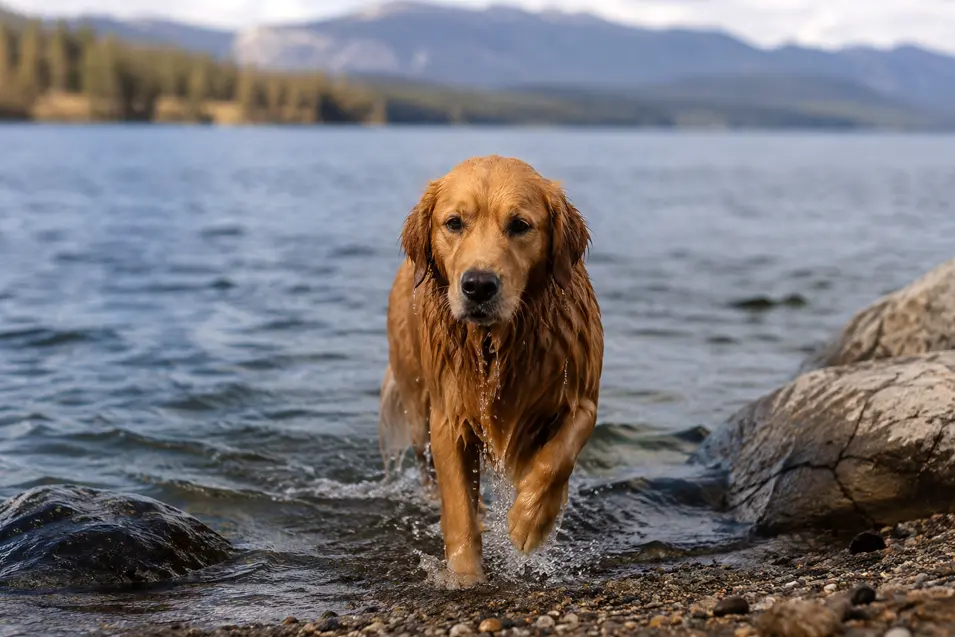
Leptospirosis is a potentially serious bacterial infection that can affect dogs, wildlife, livestock, and people. While many dogs recover with prompt veterinary treatment, the disease can cause severe kidney and liver damage and may become life-threatening if left untreated.
Dogs most commonly become infected after drinking, swimming in, or walking through water contaminated with the urine of infected animals. Because the bacteria thrive in warm, moist environments, the risk is highest during the warmer months when many families are hiking, camping, or spending time outdoors.
Fortunately, leptospirosis is largely preventable. Understanding how the disease spreads, recognizing the symptoms early, and seeking immediate veterinary care can greatly improve your dog’s chances of making a full recovery.
What Is Leptospirosis?
Leptospirosis is caused by spiral-shaped bacteria belonging to the Leptospira family. These bacteria infect a wide variety of mammals, including wildlife, farm animals, rodents, and dogs.
Once inside the body, the bacteria spread through the bloodstream before concentrating in organs such as the kidneys and liver. Without treatment, the infection can damage multiple organs and, in severe cases, become fatal.
Leptospirosis is also considered a zoonotic disease, meaning it can spread from animals to people under certain circumstances.
How Do Dogs Get Leptospirosis?
The bacteria are shed in the urine of infected animals and can survive for weeks or even months in damp soil and fresh water.
Dogs may become infected by:
- Drinking contaminated water
- Swimming in lakes, ponds, or slow-moving rivers
- Walking through contaminated puddles or mud
- Contact with infected wildlife urine
- Contact with infected livestock
- Bites from infected animals (rare)
Common wildlife carriers include:
Dogs that spend time hiking, camping, hunting, or living in rural areas generally face a higher risk, although urban dogs can also become infected.
Where Is Leptospirosis Found?
Leptospirosis occurs throughout much of North America and around the world.
The bacteria thrive in:
- Warm climates
- Wet environments
- Standing water
- Flooded areas
- Marshes
- Ponds
- Slow-moving streams
Cases often increase following periods of heavy rainfall or flooding because contaminated water becomes more widespread.
Symptoms of Leptospirosis in Dogs
Symptoms can vary depending on the severity of the infection. Some dogs develop only mild illness, while others become critically ill within a few days.
Common symptoms include:
- Fever
- Lethargy
- Loss of appetite
- Vomiting
- Diarrhea
- Muscle pain or stiffness
- Shivering
- Increased thirst
- Frequent urination
- Dehydration
As the disease progresses, more serious symptoms may develop, including:
- Jaundice (yellow gums, eyes, or skin)
- Kidney failure
- Liver failure
- Difficulty breathing
- Bleeding disorders
- Collapse
Because these symptoms overlap with many other illnesses, veterinary testing is required for an accurate diagnosis.
How Is Leptospirosis Diagnosed?
Your veterinarian will perform a physical examination and review your dog’s recent activities, particularly any exposure to lakes, ponds, wildlife, or flooded areas.
Diagnostic testing may include:
- Blood tests
- Urine tests
- PCR testing
- Antibody testing
- Kidney and liver function testing
Early diagnosis significantly improves treatment outcomes.
Treatment
Most dogs require prompt veterinary treatment.
Treatment commonly includes:
- Antibiotics
- Intravenous fluids
- Medications to control vomiting
- Pain management
- Nutritional support
- Hospitalization for severe cases
Dogs with kidney or liver damage may require intensive supportive care for several days.
Can Dogs Recover?
Many dogs recover fully when treatment begins early.
However, delayed treatment increases the risk of permanent kidney damage, chronic liver disease, or death.
Some dogs may require ongoing monitoring even after they appear to have recovered.
Can Humans Catch Leptospirosis?
Yes.
Leptospirosis can spread from infected animals to people, primarily through contact with infected urine or contaminated water.
Although transmission directly from dogs to people is uncommon, it is still possible.
If your dog is diagnosed with leptospirosis:
- Wash your hands thoroughly after handling your dog.
- Wear gloves when cleaning urine or accidents.
- Disinfect contaminated surfaces.
- Follow your veterinarian’s hygiene recommendations.
Can Leptospirosis Be Prevented?
Prevention is the best defense against leptospirosis.
You can reduce your dog’s risk by:
- Keeping vaccinations current if recommended by your veterinarian.
- Avoiding stagnant ponds and questionable water sources.
- Providing fresh drinking water while hiking or camping.
- Discouraging drinking from puddles or ditches.
- Reducing contact with rodents around your home.
- Cleaning up food that may attract wildlife.
If you’re spending time outdoors, especially near lakes or rivers, carrying fresh water for your dog is far safer than allowing them to drink from natural water sources.
Frequently Asked Questions
Is leptospirosis common in dogs?
Cases occur across North America every year, particularly in areas with abundant wildlife, standing water, or periods of heavy rainfall.
Can vaccinated dogs still get leptospirosis?
Vaccination greatly reduces the risk but does not provide protection against every strain of the bacteria. Preventing exposure to contaminated water remains important.
How long does it take for symptoms to appear?
Symptoms usually develop within four to twelve days after exposure.
Can my dog get leptospirosis from drinking lake water?
Yes. Drinking contaminated water is one of the most common ways dogs become infected, especially if wildlife has contaminated the area with urine.
Should I take my dog to the veterinarian if I suspect exposure?
Yes. Early diagnosis and treatment offer the best chance of a full recovery and help reduce the risk of serious organ damage.
Final Thoughts
Leptospirosis is a serious but largely preventable disease that every dog owner should be aware of, especially if they enjoy hiking, camping, or spending time near lakes, rivers, and other natural water sources. Because the bacteria are spread through the urine of infected wildlife and can survive in moist environments, even clean-looking water may pose a risk.
The best way to protect your dog is to provide fresh drinking water on every outdoor adventure, avoid stagnant or questionable water sources, and talk to your veterinarian about whether leptospirosis vaccination is appropriate for your dog’s lifestyle. If your dog develops signs of illness after outdoor activities, don’t delay—prompt veterinary care can make all the difference.