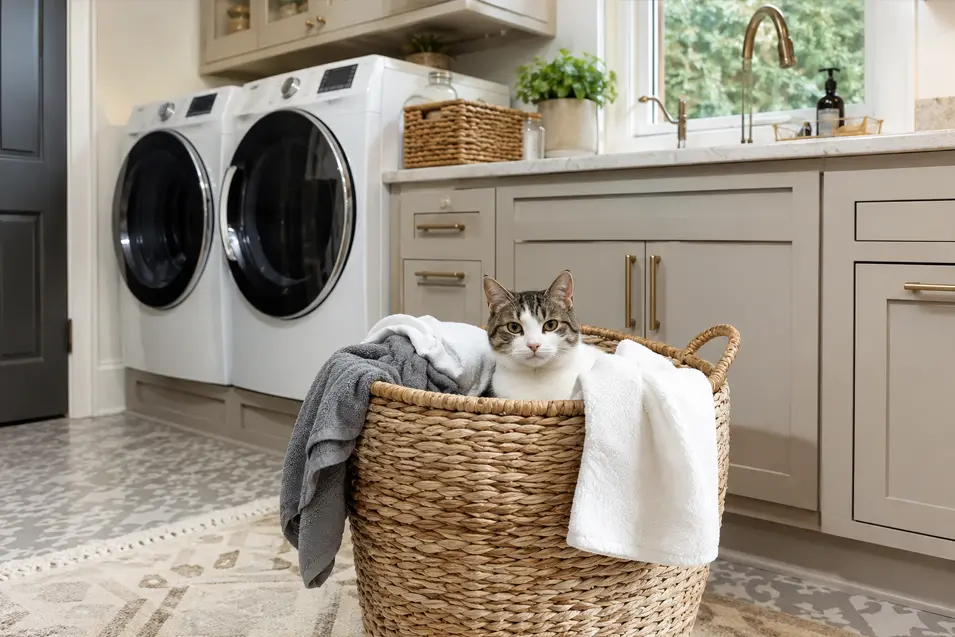
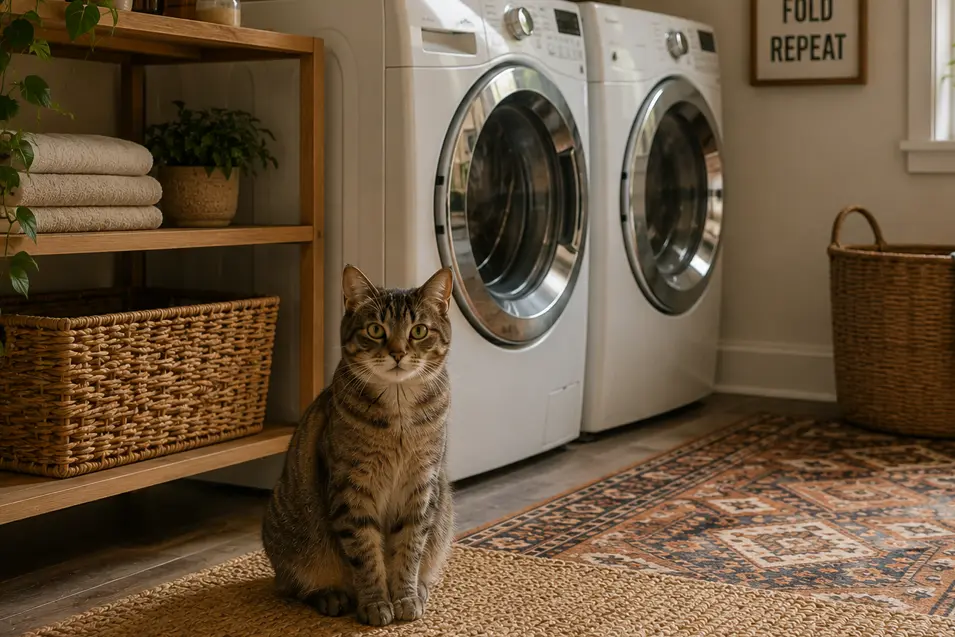
Laundry products help keep our clothes, bedding, and household fabrics clean and fresh, but many of these everyday items can pose hidden dangers to pets. From detergent pods and fabric softeners to stain removers and bleach, products commonly found in laundry rooms may contain ingredients that can be harmful if swallowed, inhaled, or even contacted through the skin.
Dogs and cats are naturally curious animals. They explore their surroundings using their noses and mouths, which can sometimes lead them into trouble. A brightly colored detergent pod, an open bottle of fabric softener, or a spilled cleaning product may seem harmless to people but can become a serious hazard for pets.
Fortunately, most accidents involving laundry products are preventable. By understanding the risks and following a few simple safety practices, pet owners can keep their homes clean while protecting the animals they love.
Why Laundry Products Can Be Dangerous
Many laundry products contain concentrated chemicals designed to remove stains, eliminate odors, and disinfect fabrics.
While effective for cleaning, these ingredients can cause problems if pets are exposed to them.
Potential risks include:
- Digestive irritation
- Chemical burns
- Eye injuries
- Skin irritation
- Respiratory distress
- Poisoning
The severity of symptoms depends on the type of product, the amount involved, and how the pet was exposed.
Because dogs and cats are much smaller than humans, even a small amount of certain products can have significant effects.
Detergent Pods Present a Unique Risk
Among laundry products, detergent pods are often considered one of the greatest concernsfor pet owners.
Their colorful appearance and soft texture can make them look like toys or treats. Dogs, in particular, may be tempted to chew on them.
If a pod ruptures, the concentrated detergent can cause:
- Excessive drooling
- Vomiting
- Difficulty swallowing
- Breathing problems
- Eye irritation
- Chemical burns to the mouth and throat
Detergent pods should always be stored in secure, closed containers and kept completely out of reach of pets.
Liquid and Powdered Detergents Can Also Be Harmful
Traditional laundry detergents may not attract pets in the same way detergent pods do, but they can still be dangerous.
Pets may be exposed through:
- Chewing containers
- Licking spilled detergent
- Walking through leaks
- Contact with concentrated product residue
Even small amounts can cause digestive upset and irritation. Larger exposures may require immediate veterinary care.
Always close detergent containers tightly after use and clean spills promptly.
Fabric Softeners and Dryer Sheets
Fabric softeners and dryer sheets are often overlooked when discussing pet safety.
However, many of these products contain chemicals that can irritate a pet’s mouth, digestive system, or skin if ingested.
Used dryer sheets may seem harmless, but they can still retain chemical residues. In addition, they may present choking hazards or contribute to intestinal blockages if swallowed.
To reduce risk:
- Dispose of used dryer sheets immediately.
- Store unused products securely.
- Prevent pets from accessing trash containers.
Simple precautions can help prevent unnecessary accidents.
Bleach and Stain Removers Require Special Care
Bleach products and stain removers are commonly found in laundry rooms and often contain strong chemicals.
Exposure may occur through:
- Direct ingestion
- Skin contact
- Inhalation of fumes
- Contact with treated surfaces
Symptoms can include:
- Drooling
- Vomiting
- Coughing
- Breathing difficulties
- Irritated eyes
- Mouth irritation
When using these products, ensure pets remain away from the area until surfaces are thoroughly cleaned and dry.
Keep Laundry Products Properly Stored
The safest approach is prevention.
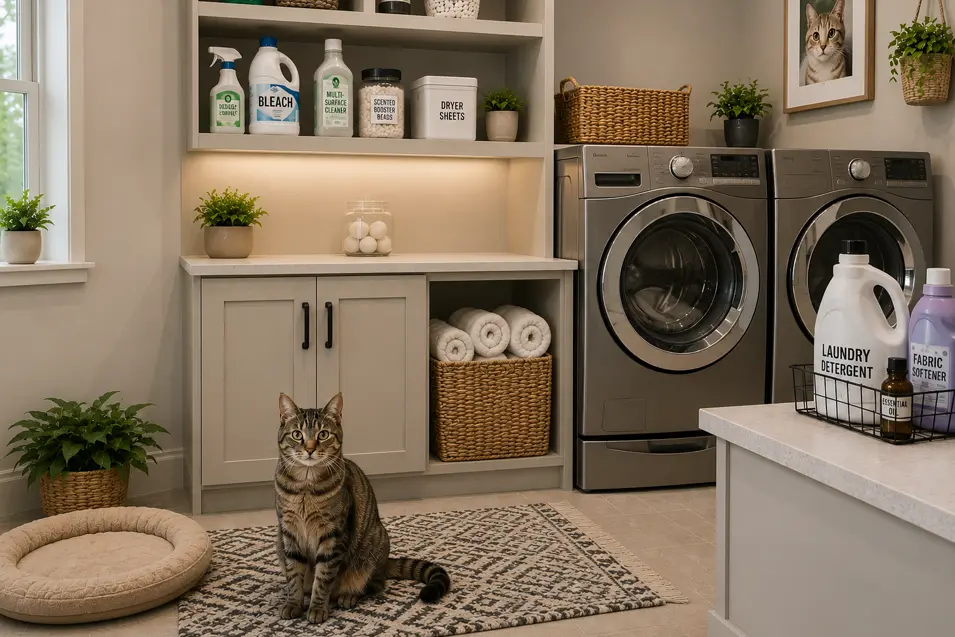
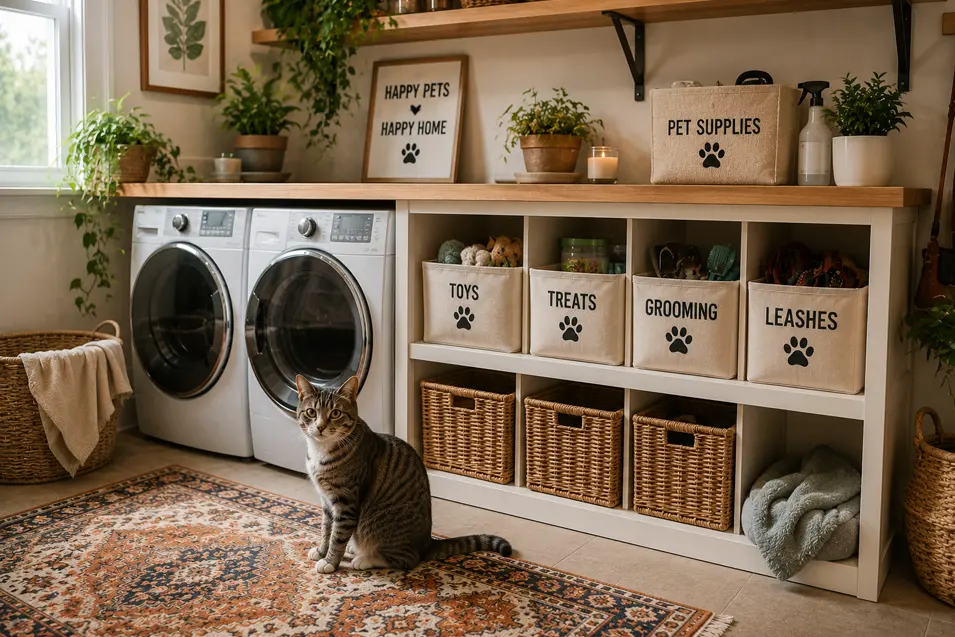
Laundry products should always be stored in secure locations where pets cannot access them.
Good storage practices include:
- Using closed cabinets
- Installing childproof latches if needed
- Keeping products on high shelves
- Storing items in original containers
- Avoiding floor-level storage
Many accidents occur simply because a product was left unattended or easily accessible.
Clean Up Spills Immediately
Even a small spill can create a hazard.
Pets may investigate unusual scents or liquids, increasing the likelihood of exposure. Some products can also remain on paws and fur after contact, leading to accidental ingestion during grooming.
Whenever a spill occurs:
- Remove pets from the area.
- Clean the spill thoroughly.
- Rinse surfaces if necessary.
- Allow the area to dry completely.
Prompt cleanup greatly reduces risk.
Be Mindful of Freshly Laundered Items
Most freshly washed laundry is safe once detergent has been rinsed away completely.
However, issues can occasionally arise when:
- Excess detergent remains in fabrics
- Strong fragrances irritate sensitive pets
- Dryer sheets leave noticeable residue
Pets with allergies or sensitive skin may react to certain products.
If you notice itching, skin irritation, or unusual behavior after washing pet bedding, consider switching to fragrance-free or pet-friendly laundry products.
Create a Pet-Safe Laundry Routine
Simple habits can make a significant difference in household safety.
Consider incorporating the following practices:
- Check floors regularly for spills.
- Keep appliance doors closed.
- Store products immediately after use.
- Dispose of empty containers properly.
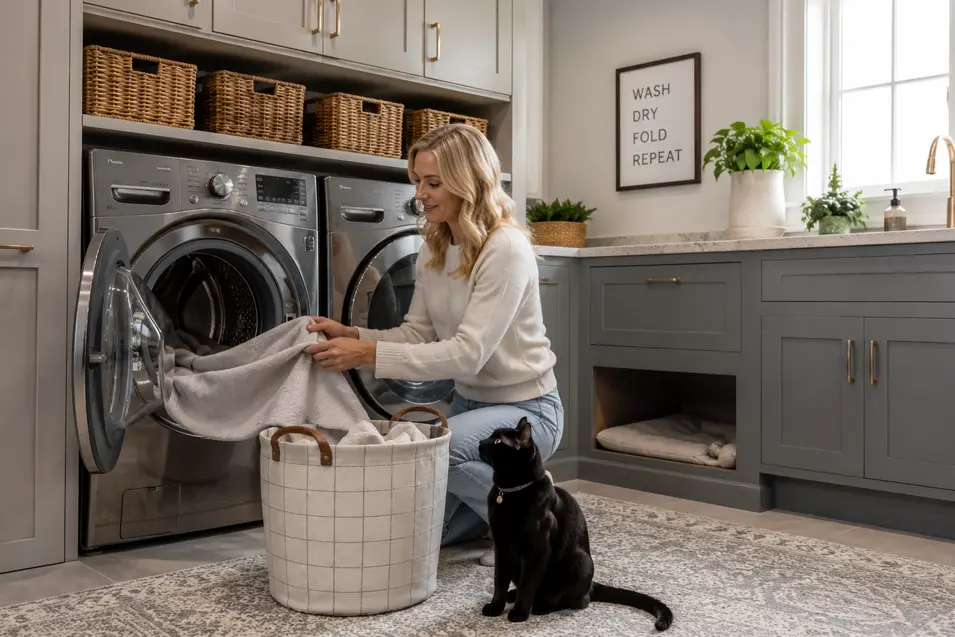
- Supervise curious pets during laundry tasks.
- Keep trash cans covered.
These small steps help reduce opportunities for accidental exposure.
Know the Warning Signs of Exposure
Even careful pet owners can experience unexpected accidents.
Signs that may indicate a pet has come into contact with a laundry product include:
- Excessive drooling
- Vomiting
- Diarrhea
- Loss of appetite
- Lethargy
- Difficulty breathing
- Pawing at the mouth
- Eye irritation
If you suspect exposure, contact your veterinarian promptly. Providing the product label or ingredient information can help veterinary professionals determine the most appropriate treatment.
Consider Pet-Friendly Alternatives
Many manufacturers now offer laundry products formulated with fewer harsh chemicals and fragrances.
While no cleaning product should be considered completely risk-free, some options may be less likely to cause irritation in sensitive pets.
Look for products that are:
- Fragrance free
- Dye free
- Designed for sensitive skin
- Clearly labeled with safety information
Always follow manufacturer instructions and store products responsibly.
The Bottom Line
Laundry products are essential household items, but they can present significant risks when pets gain access to them. Detergent pods, liquid detergents, fabric softeners, dryer sheets, bleach, and stain removers all require careful handling and storage.
By keeping products securely stored, cleaning spills promptly, supervising curious pets, and maintaining safe laundry habits, pet owners can dramatically reduce the likelihood of accidents. A little extra caution in the laundry room helps ensure that both your home and your pets stay clean, healthy, and safe.