
Modern bedrooms often contain far more technology than they did just a few years ago.
Today’s bedrooms commonly serve as sleeping spaces, study areas, gaming rooms, entertainment centers, and home offices. Along with that technology comes a collection of electronics, charging cables, power strips, monitors, gaming systems, and accessories that can create unexpected risks for pets.
Dogs and cats are naturally curious. They investigate new objects, explore unfamiliar smells, and often view dangling cords and blinking lights as invitations rather than warnings.
Fortunately, keeping pets safe around bedroom electronics doesn’t require eliminating technology. It simply requires understanding the potential hazards and designing the space accordingly.
Why Pets Are Attracted to Electronics
From a pet’s perspective, electronics can be surprisingly interesting.
Many devices offer:
- Warm surfaces
- Hanging cables
- Flashing lights
- Interesting sounds
- Elevated resting spots
Cats often enjoy climbing onto desks and shelves, while dogs may investigate anything within reach of their noses.
Understanding this natural curiosity helps explain why electronics and pets sometimes collide.
Charging Cables Can Be Dangerous
One of the most common bedroom hazards involves charging cables.
Most bedrooms contain cords for:
- Smartphones
- Tablets
- Laptops
- Headphones
- Gaming controllers
- Smartwatches
Young pets, especially puppies and kittens, may be tempted to chew these cords.
Chewing electrical cables can result in:
- Burns
- Electric shock
- Serious injury
- Fire hazards
Cable organizers, cord sleeves, and protective covers can significantly reduce these risks.
Secure Power Strips and Extension Cords
Power strips are often tucked beneath desks, beds, and nightstands.
Unfortunately, these locations can be easily accessed by curious pets.
Power strips should be:
- Positioned off the floor when possible
- Protected from moisture
- Hidden behind furniture
- Organized to reduce cable clutter
Reducing access helps protect both pets and electronics.
Be Careful With Gaming Equipment
Gaming setups often contain multiple electronic devices operating simultaneously.
Common equipment includes:
- Gaming PCs
- Consoles
- Monitors
- Headsets
- Keyboards
- Streaming equipment
These setups frequently generate heat and involve extensive cable management challenges.
Pets may accidentally bump equipment, pull cables, or knock over accessories while exploring.
Properly securing devices and organizing cables can prevent costly accidents.
Protect Monitors and Screens
Cats have an impressive ability to find unstable surfaces.
Monitors positioned near desk edges may become vulnerable to curious paws, climbing attempts, or unexpected leaps.
Solutions may include:
- Monitor arms
- Wall mounts
- Stability brackets
- Anti-tip straps
- Secure desk placement
Preventing a monitor from falling is usually much easier than replacing it.
Watch Out for Small Accessories
Bedrooms often contain electronic accessories that can become choking hazards.
Examples include:
- Earbuds
- USB drives
- Memory cards
- Batteries
- Adapters
- Charging tips
Pets may mistake these items for toys if they fall onto the floor.
Keeping accessories stored in drawers or containers reduces risks considerably.
Keep Drinks Away From Electronics
Many teens and adults enjoy keeping beverages nearby while gaming, studying, or watching videos.
The problem is that pets occasionally create unexpected chaos.
A cat jumping onto a desk or a dog brushing past furniture can quickly send a drink toward expensive electronics.
Spills can damage equipment while creating electrical hazards.
Using secure drink containers and keeping beverages away from devices can help prevent accidents.
Maintain Proper Ventilation
Electronics require airflow to remain cool.
Cats in particular are often attracted to warm electronics such as:
- Laptops
- Gaming consoles
- Routers
- Desktop computers
Allowing pets to block vents may lead to:
- Overheating
- Reduced performance
- Equipment damage
Keeping airflow pathways clear protects both the device and the pet.
Create a Comfortable Alternative
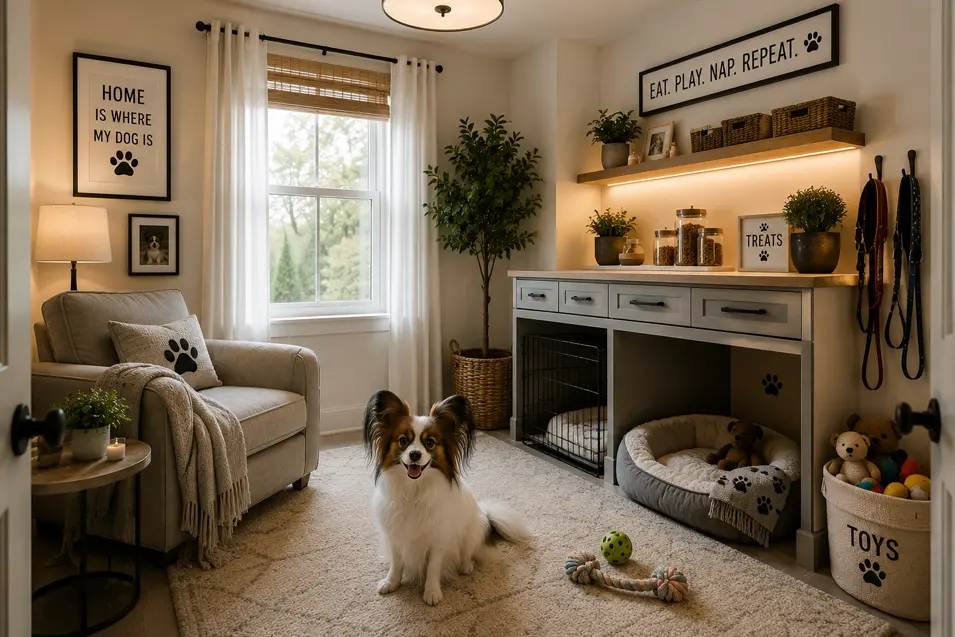
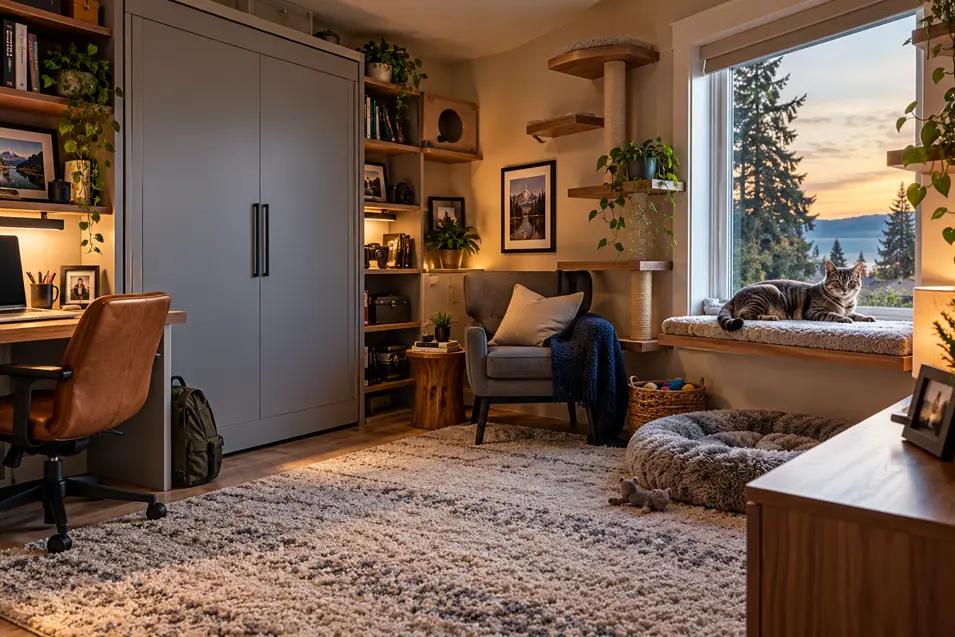
One of the best ways to keep pets away from electronics is to provide a more appealing option nearby.
Consider adding:
- A comfortable pet bed
- Soft blankets
- Window perches
- Cat trees
- Relaxing resting areas
Most pets simply want to remain close to their people.
When they have a comfortable place to rest, they’re often less interested in exploring equipment.
Don’t Forget About Pet Hair
Pet hair isn’t just a housekeeping issue.
It can accumulate inside:
- Computers
- Gaming systems
- Televisions
- Air vents
- Cooling fans
Over time, hair and dust buildup can reduce airflow and increase operating temperatures.
Routine cleaning helps protect equipment while improving indoor air quality.
Designing a Safer Bedroom
A pet-friendly bedroom should support both technology and everyday life.
By managing cables, securing equipment, reducing clutter, and providing comfortable alternatives for pets, homeowners can create spaces that are both functional and safe.
The goal isn’t to separate pets from technology completely. It’s to recognize how animals interact with their environment and make smart design choices that reduce unnecessary risks.
A Bedroom That Works for Pets and People
Pets and electronics can coexist successfully under the same roof.
With thoughtful planning, organized storage, proper cable management, and a focus on safety, bedrooms can remain comfortable places for studying, gaming, relaxing, and spending time with pets.
After all, most dogs and cats don’t really care about your electronics. They care about being close to the people they love.
Creating a safe environment simply ensures they can do that without accidentally turning curiosity into an expensive repair bill.