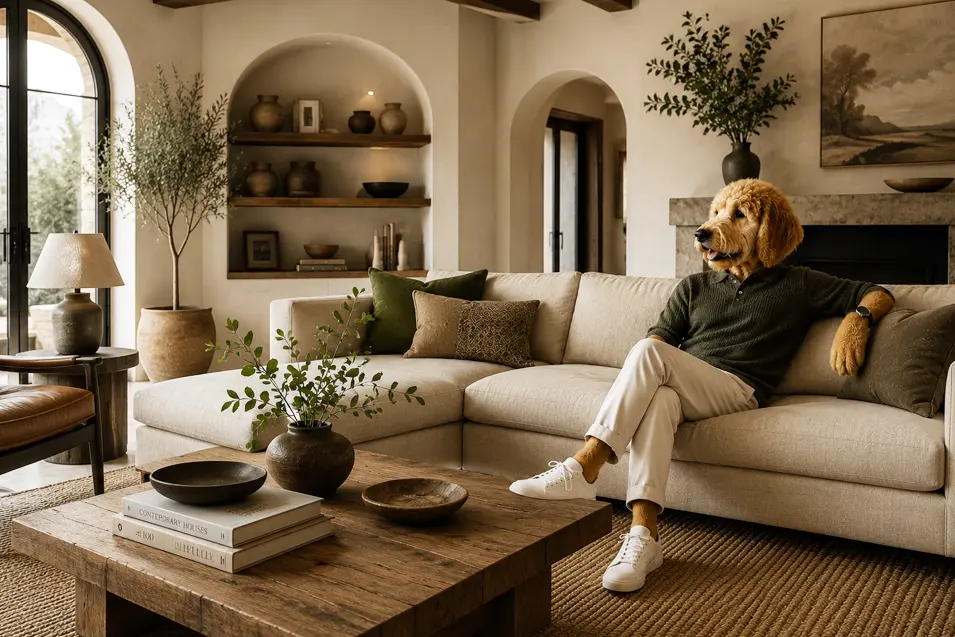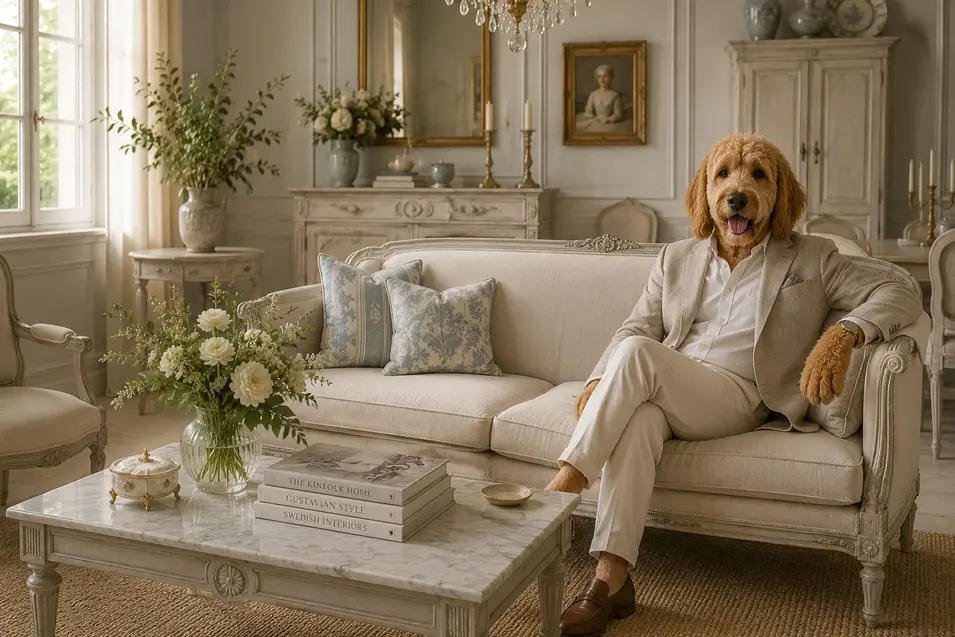
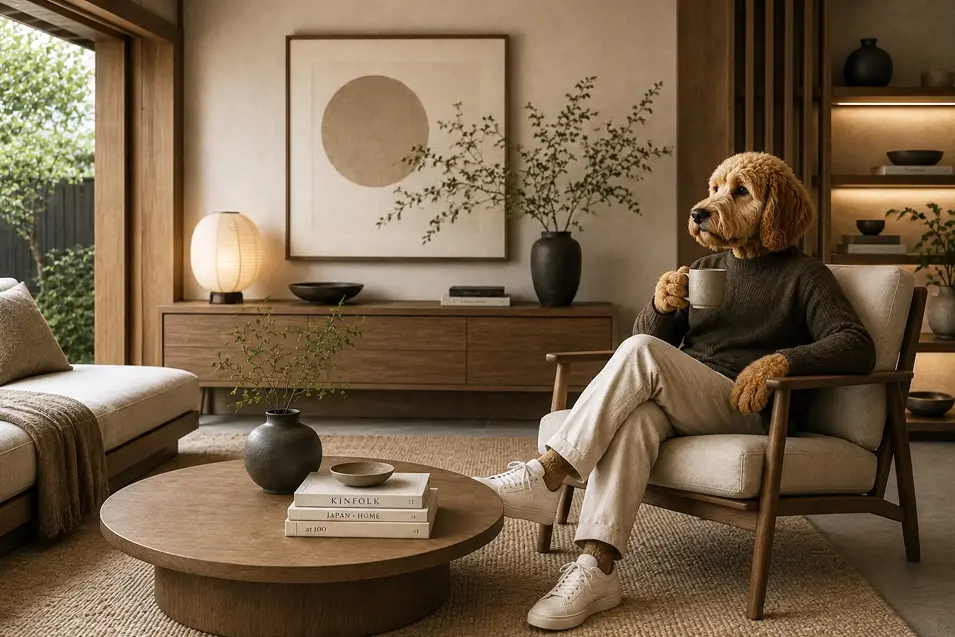
At first glance, Japandi and Scandinavian design can look remarkably similar. Both styles embrace simplicity, natural materials, functional furniture, and clutter-free living. Both prioritize comfort, craftsmanship, and creating calm spaces that feel welcoming rather than overwhelming.
Yet despite their similarities, these two popular design styles are not the same.
Scandinavian design originates from the Nordic countries and focuses on warmth, practicality, and everyday comfort. Japandi combines Scandinavian functionality with the refined minimalism and philosophy of Japanese design, creating interiors that feel even more intentional and restrained.
Understanding the differences can help homeowners choose the style that best matches their personality, lifestyle, and vision for their home.
What Is Scandinavian Design?
Scandinavian design emerged in countries such as Sweden, Denmark, Norway, and Finland during the twentieth century. The style emphasizes simplicity, functionality, and comfort while making the most of natural light during long northern winters.
Scandinavian interiors are known for:
- Light color palettes
- Natural wood finishes
- Comfortable furnishings
- Clean lines
- Functional design
- Cozy textures
The style embraces the concept of hygge, a Danish idea centered on comfort, contentment, and well-being.
The result is a home that feels bright, practical, and inviting.
What Is Japandi Design?
Japandi is a more recent design movement that blends Scandinavian and Japanese influences into a unified aesthetic.
The style combines:
- Scandinavian functionality
- Japanese minimalism
- Natural materials
- Thoughtful craftsmanship
- Intentional living
Japandi interiors tend to feature fewer decorative elements and a stronger emphasis on balance, simplicity, and purpose.
Every item is chosen carefully, and unnecessary clutter is eliminated.
The result is a home that feels calm, grounded, and highly intentional.
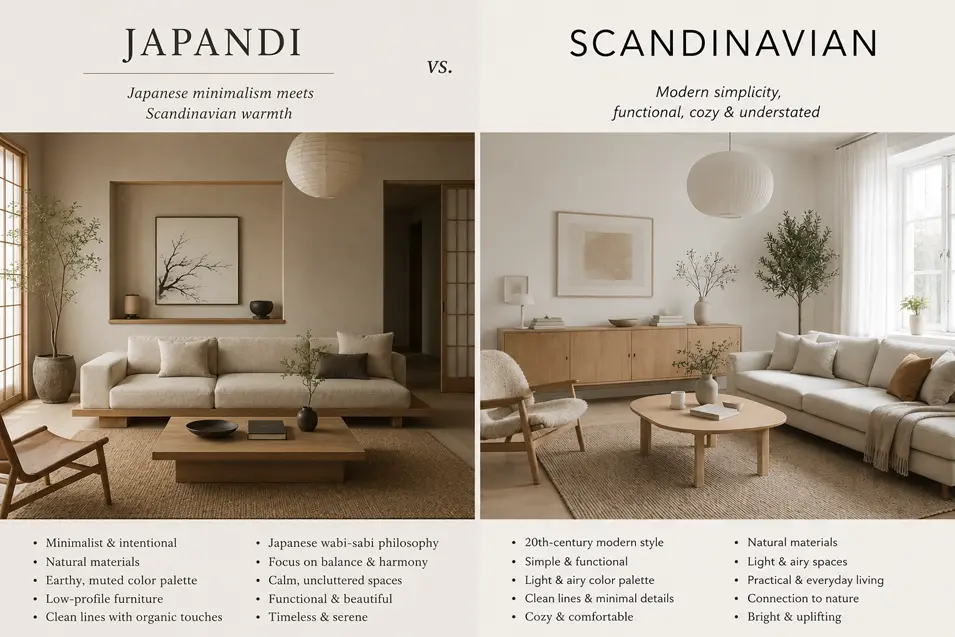
Similarities Between Japandi and Scandinavian Design
The reason these styles are often confused is that they share many core principles.
Both styles emphasize:
- Simplicity
- Functional furniture
- Natural materials
- High-quality craftsmanship
- Decluttered spaces
- Connection to nature
- Neutral color palettes
In both Scandinavian and Japandi homes, furniture tends to be practical, comfortable, and designed to last.
Neither style relies heavily on excessive ornamentation or trendy decorative elements.
Key Differences Between Japandi and Scandinavian Design
While the foundations may be similar, the differences become more apparent when you examine the details.
Color Palettes
Scandinavian interiors typically feature very light color palettes.
Common colors include:
- White
- Cream
- Pale gray
- Light wood tones
- Soft pastels
These colors help brighten spaces and maximize natural light.
Japandi interiors often use deeper, more grounded tones such as:
- Charcoal
- Warm beige
- Taupe
- Olive green
- Black accents
- Dark wood finishes
The overall mood tends to feel calmer and more sophisticated.
Furniture Styles
Scandinavian furniture often prioritizes comfort alongside functionality.
You’ll frequently see:
- Rounded edges
- Soft upholstery
- Cozy seating
- Light wood finishes
Japandi furniture tends to be:
- Lower to the ground
- More minimalist
- More architectural
- Less decorative
While still comfortable, Japandi furniture often feels more deliberate and restrained.
Decorative Approach
Scandinavian design allows for more decorative flexibility.
Homes may include:
- Throw blankets
- Decorative pillows
- Artwork
- Plants
- Personal accessories
Japandi takes a more minimalist approach.
Every object serves a purpose or contributes meaningfully to the space. Decorative elements are fewer and often carefully selected to create balance rather than visual interest.
Mood and Atmosphere
Scandinavian interiors often feel:
- Bright
- Cheerful
- Cozy
- Relaxed
Japandi interiors tend to feel:
- Calm
- Grounded
- Serene
- Meditative
Both styles are peaceful, but they achieve that feeling in different ways.
Japandi vs. Scandinavian: Which Is Easier to Decorate?
For many homeowners, Scandinavian design is easier to adopt.
The style is forgiving and flexible. You can incorporate cozy textiles, family photos, decorative accessories, and personal collections without disrupting the overall aesthetic.
Japandi requires more restraint.
Because the style relies heavily on simplicity and intentionality, every piece has a greater visual impact. Poor-quality furniture or unnecessary clutter becomes more noticeable.
Homeowners who enjoy a minimalist lifestyle often find Japandi easier to maintain.
Which Style Is Better for Pet Owners?
Both styles work surprisingly well for pet-friendly homes.
Scandinavian interiors often feature durable natural materials, washable textiles, and practical furniture arrangements that accommodate everyday family life.
Japandi interiors can also work beautifully with pets, particularly when homeowners prioritize high-quality materials and integrated storage solutions.
The key challenge with Japandi is maintaining its uncluttered appearance when pet beds, toys, and feeding stations are added to the space.
Fortunately, furniture-style pet products and hidden storage solutions can help preserve the aesthetic.
How to Choose Between Japandi and Scandinavian Design
If you prefer bright spaces, cozy textures, and a relaxed atmosphere, Scandinavian design may be the better fit.
If you’re drawn to simplicity, intentional living, and a more refined minimalist aesthetic, Japandi may feel more natural.
Many homeowners ultimately find themselves somewhere between the two, incorporating elements from both styles to create a home that reflects their personal tastes.
After all, Japandi itself was born from the idea that great design often happens when two complementary styles come together.
Final Thoughts
Japandi and Scandinavian design share a love of simplicity, functionality, and natural materials, but they create distinctly different moods. Scandinavian interiors focus on comfort, light, and everyday livability, while Japandi emphasizes restraint, balance, and mindful design.
Neither style is inherently better. The right choice depends on how you want your home to feel.
As Scout discovered while comparing Nordic comfort with Japanese-inspired simplicity, both styles prove that beautiful homes don’t need excess to make a lasting impression—just thoughtful design and a focus on what truly matters.
Still deciding? Compare the key elements of Japandi and Scandinavian design, then visit our detailed Japandi Style Guide and Scandinavian Style Guide for room-by-room inspiration.