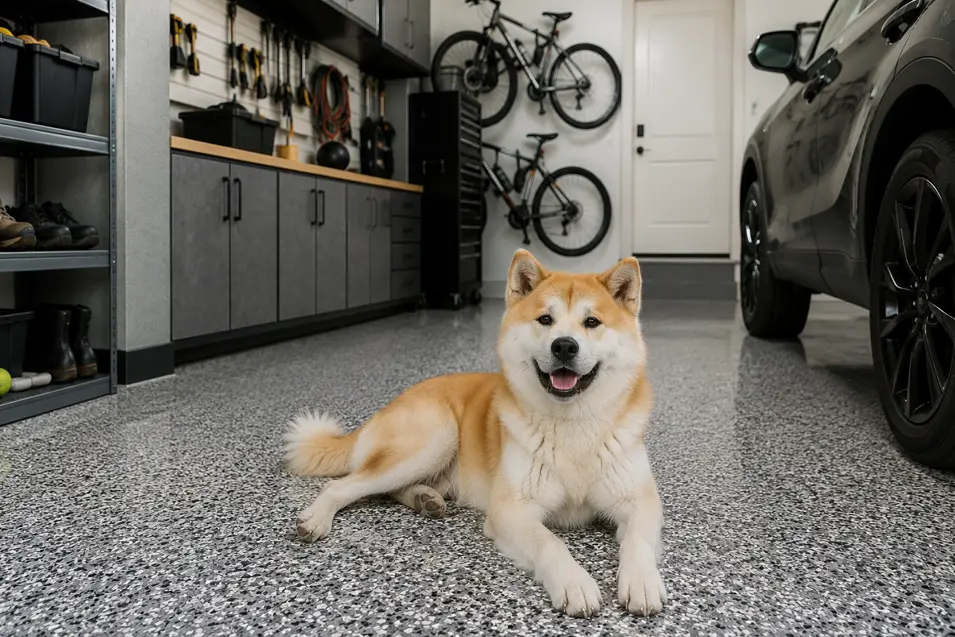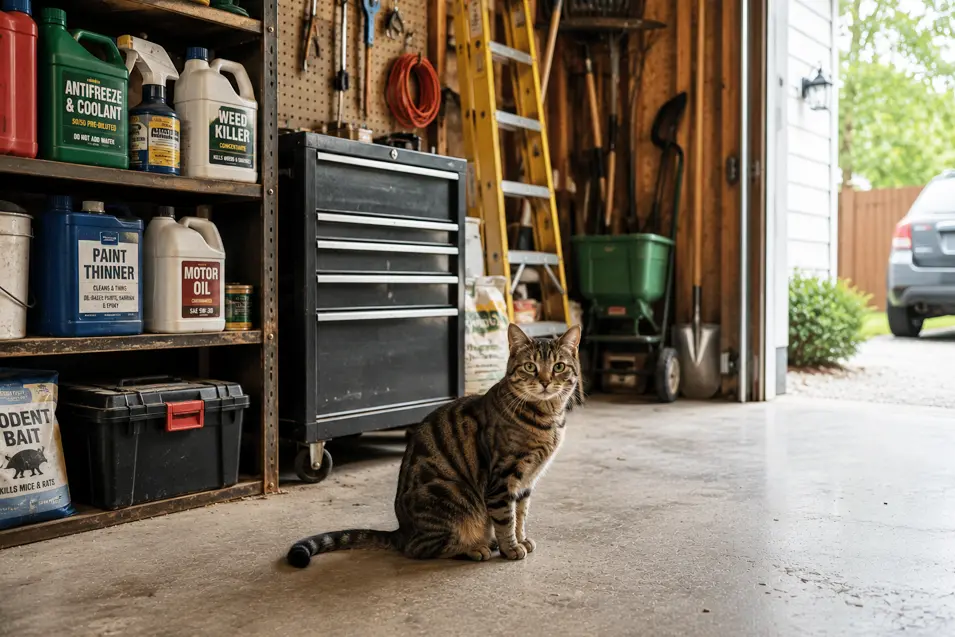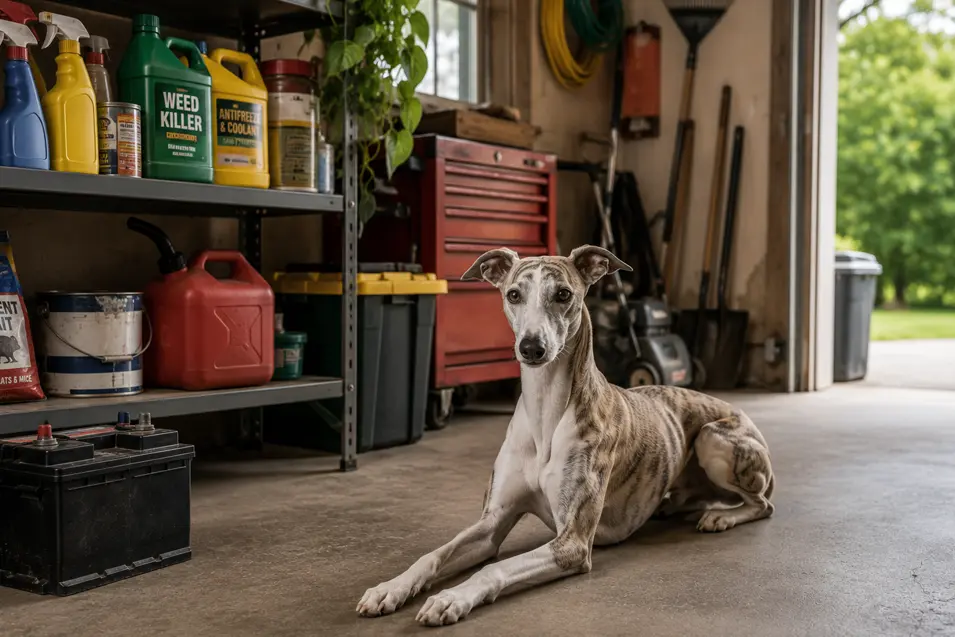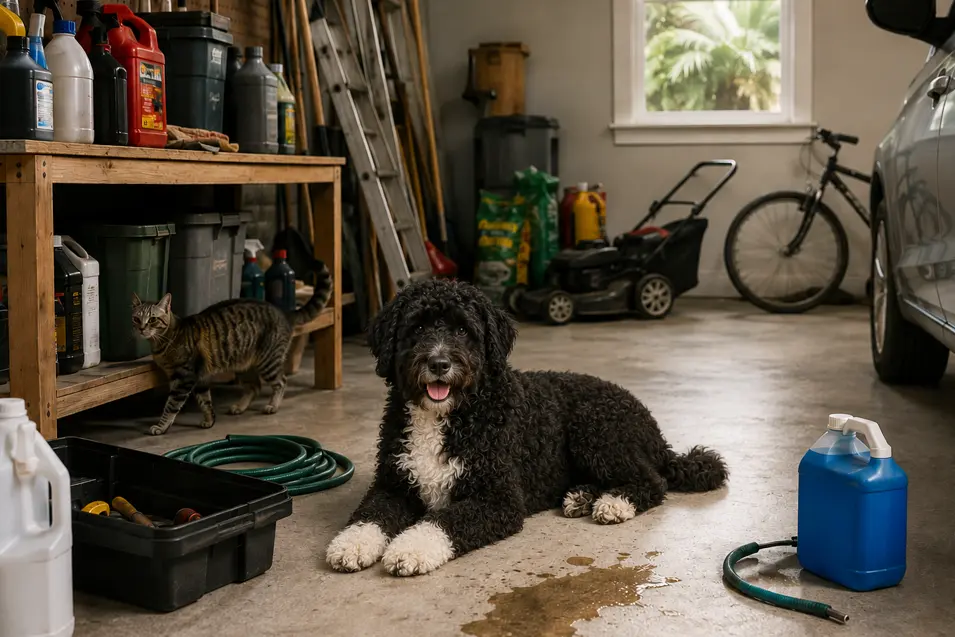
Many pet owners find themselves wondering whether it’s safe for their dogs or cats to spend time in the garage. Perhaps your dog likes to accompany you while you work on projects, or your cat enjoys exploring every corner of the house, including the garage. Some homeowners even create pet washing stations, feeding areas, or storage zones for pet supplies in this versatile space.
The answer is that pets can spend time in a garage under certain circumstances, but the environment must be carefully managed. Unlike living rooms, kitchens, and bedrooms, garages are often designed for storage, maintenance, and utility rather than safety and comfort. As a result, they frequently contain hazards that require extra attention.
Whether a garage is safe for pets depends on how the space is organized, how long pets remain there, and whether proper precautions have been taken.
Why Pets Like Garages
Many dogs and cats are naturally attracted to garages.
Dogs often enjoy being wherever their owners are. If you’re working on a project, organizing storage, or maintaining equipment, your dog may simply want to be nearby.
Cats are drawn to garages for different reasons. The space offers:
- Interesting smells
- Hiding places
- Climbing opportunities
- New textures
- Quiet resting areas
To pets, a garage can feel like a fascinating environment filled with things to investigate.
Unfortunately, curiosity can sometimes lead to trouble.
The Biggest Safety Concerns
Before deciding whether pets should spend time in the garage, it’s important to understand the risks.
Common garage hazards include:
- Automotive fluids
- Fertilizers and pesticides
- Paints and solvents
- Power tools
- Sharp objects
- Electrical cords
- Extreme temperatures
- Vehicle traffic
Even a clean, organized garage may contain items that pose risks to curious animals.
The key is minimizing these hazards before allowing pets access.
Never Use the Garage as Long-Term Housing
One of the most important considerations is that garages should not be viewed as substitute living spaces.
While supervised visits may be appropriate, garages generally lack the comfort, climate control, and safety features found elsewhere in the home.
Leaving pets in a garage for extended periods can expose them to:
- Heat stress
- Cold temperatures
- Poor ventilation
- Isolation
- Limited supervision
In most cases, pets should spend the majority of their time in areas designed for regular household living.
Temperature Matters More Than Many Owners Realize
Garage temperatures can fluctuate dramatically.
During summer months, temperatures inside a garage can quickly rise to dangerous levels, even when outdoor temperatures seem moderate. Heat can build rapidly, creating conditions that may lead to dehydration, heat exhaustion, or heatstroke.
Winter conditions can be equally problematic in colder climates. Unheated garages may become uncomfortably cold, particularly for:
- Senior pets
- Small breeds
- Short-haired dogs
- Kittens and older cats
Temperature control is one of the most important factors when evaluating garage safety.
Supervised Time Is Usually the Safest Option
For most households, supervised garage visits represent the safest approach.
If your dog likes to spend time with you while you work or your cat enjoys exploring the space, supervision allows you to monitor behavior and intervene if necessary.
Supervised visits help prevent pets from:
- Chewing cords
- Investigating chemicals
- Climbing dangerous shelving
- Entering vehicle areas
- Accessing tools and equipment
The more actively involved you are, the safer the experience becomes.
A Well-Organized Garage Is a Safer Garage
Organization plays a major role in pet safety.
A cluttered garage creates additional hazards by providing more hiding places, obstacles, and opportunities for accidents.
Pet-friendly garages should prioritize:
- Clear walkways
- Secure storage
- Limited clutter
- Proper lighting
- Easy visibility
When you can quickly see where your pet is and what they are doing, accidents become less likely.
Secure Hazardous Materials
If pets spend any time in the garage, potentially dangerous materials should be stored properly.
Examples include:
- Antifreeze
- Motor oil
- Fertilizers
- Pesticides
- Cleaning products
- Paints
- Solvents
These items should be kept in:
- Closed cabinets
- Locked storage units
- Elevated shelving
Spills should be cleaned immediately to prevent accidental exposure.
Creating a Pet-Friendly Garage Area
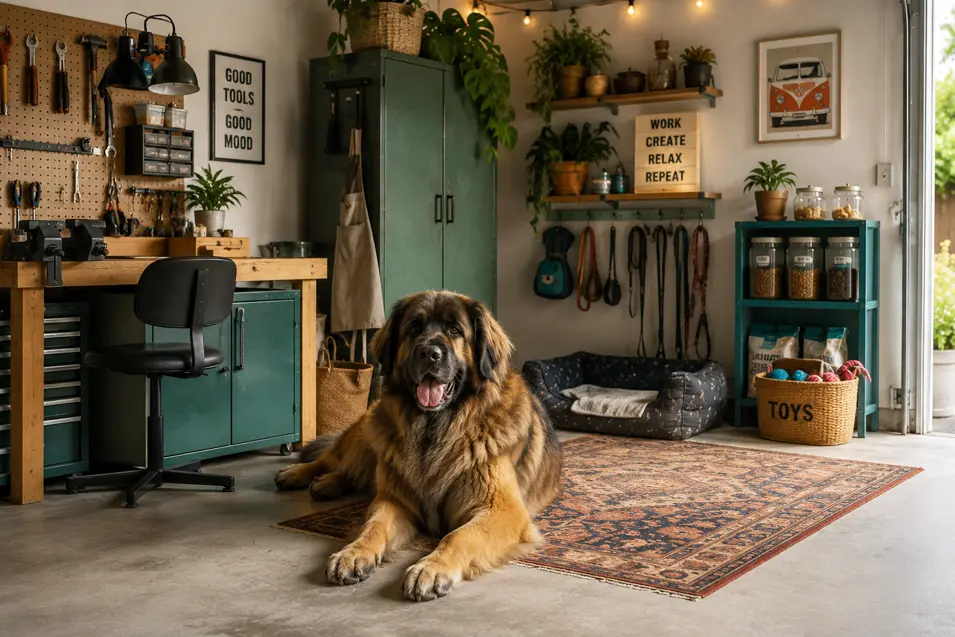
Some homeowners intentionally design a pet-friendly section within the garage.
This can work well when pets frequently accompany family members during projects or outdoor activities.
A designated pet area may include:
- A washable pet bed
- Fresh water
- Toys
- Storage for leashes and gear
- A non-slip floor mat
The goal is to provide a comfortable place for pets while keeping them away from potentially hazardous areas.
Pet Washing Stations and Cleanup Areas
Garages are increasingly being used as pet care centers.
Many homeowners install:
- Pet washing stations
- Utility sinks
- Grooming areas
- Towel storage
- Mudroom-style cleanup zones
These features can make the garage more useful while helping reduce dirt and mess inside the home.
When properly designed, these areas can be both practical and safe.
Cats Require Extra Caution
Cats often create unique challenges in garages.
Unlike dogs, cats frequently:
- Climb shelving
- Explore hidden spaces
- Enter storage boxes
- Hide behind equipment
- Crawl under vehicles
Because of their agility and curiosity, cats may access areas owners never anticipated.
Before starting vehicles, moving equipment, or closing storage containers, it’s wise to check carefully for hidden feline visitors.
When the Garage May Not Be Appropriate
In some situations, restricting access may be the safest choice.
The garage may not be suitable if:
- Hazardous materials cannot be secured.
- The space is heavily cluttered.
- Temperatures are extreme.
- Vehicles move frequently.
- Adequate supervision isn’t possible.
Every household is different, and safety should always take priority over convenience.
Signs Your Garage Is Pet-Friendly
A pet-friendly garage typically includes:
- Secure chemical storage
- Organized workspaces
- Controlled temperatures
- Good ventilation
- Clear walkways
- Safe flooring
- Accessible water
- Supervision when needed
When these conditions are present, the garage can become a useful extension of your pet-friendly home.
The Bottom Line
So, is it ever safe for pets to spend time in the garage? The answer is yes—but only when the environment is properly managed. Garages can contain numerous hazards, including chemicals, tools, electrical equipment, temperature extremes, and vehicle-related dangers. However, with thoughtful organization, secure storage, and responsible supervision, many pets can safely spend short periods of time in the garage.
The key is viewing the garage as a utility space that requires extra precautions rather than assuming it is automatically as safe as the rest of the home. When safety comes first, pets can enjoy spending time near their owners without unnecessary risk.