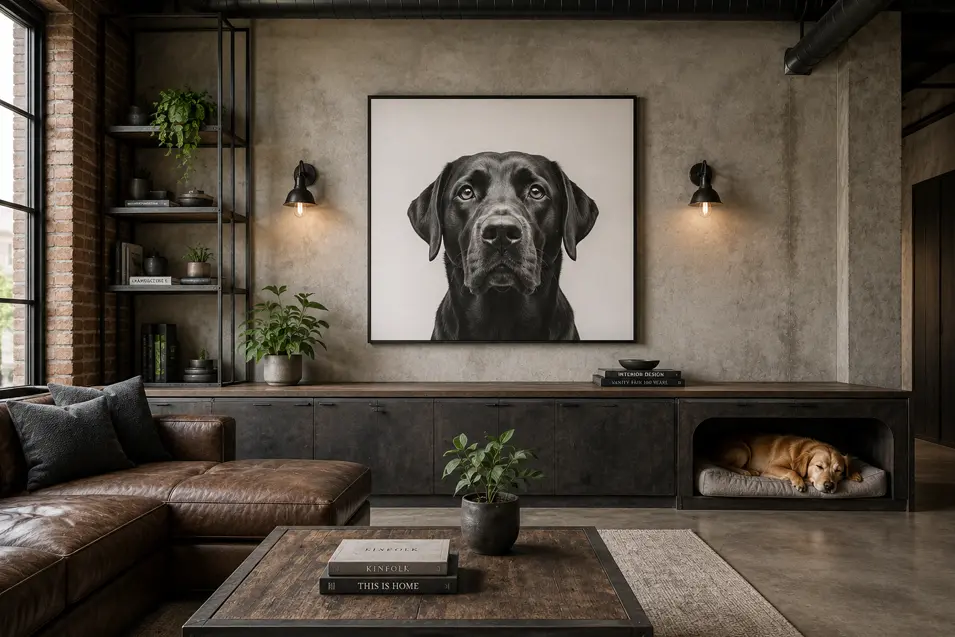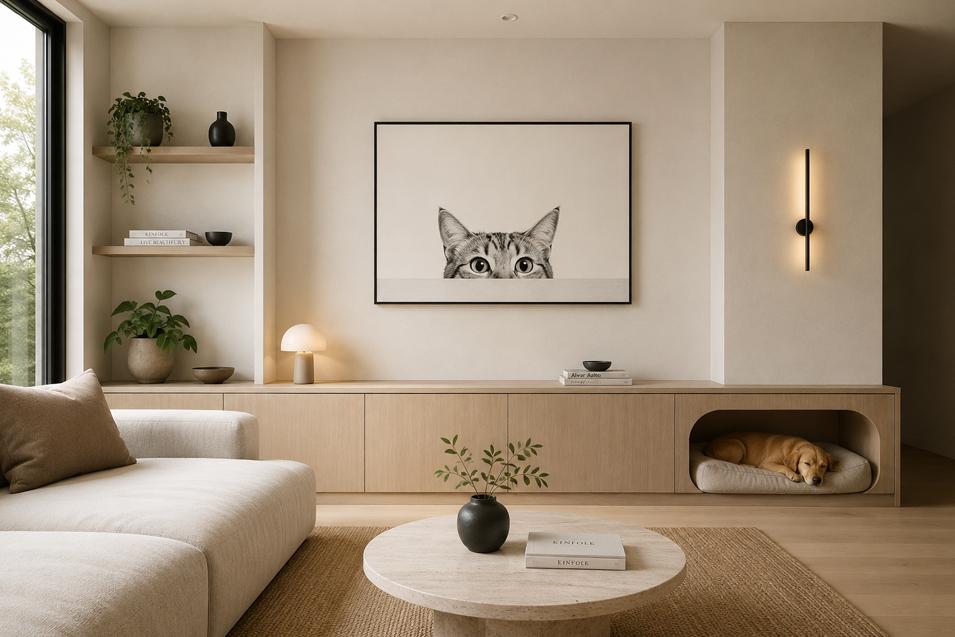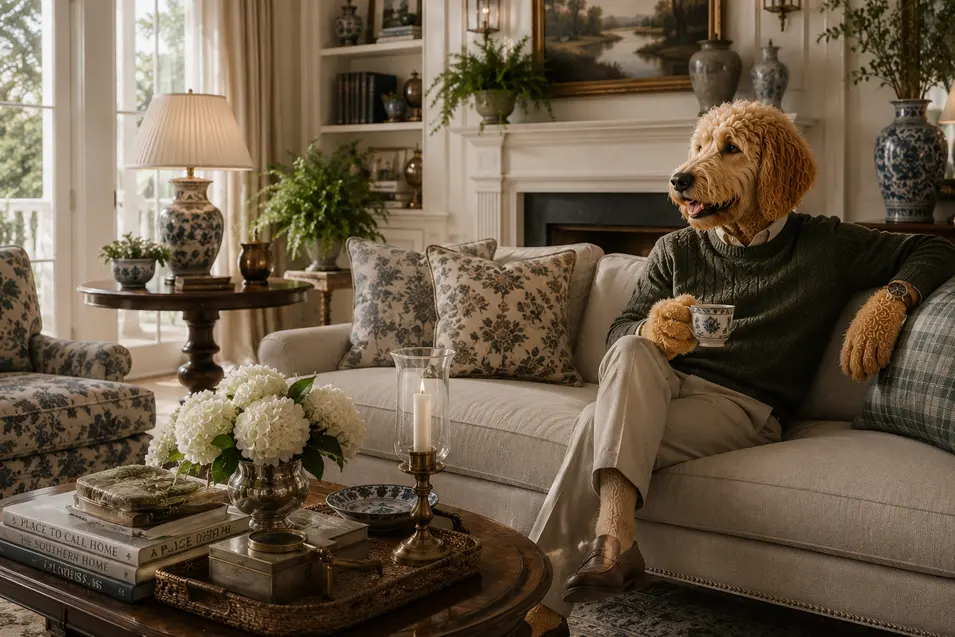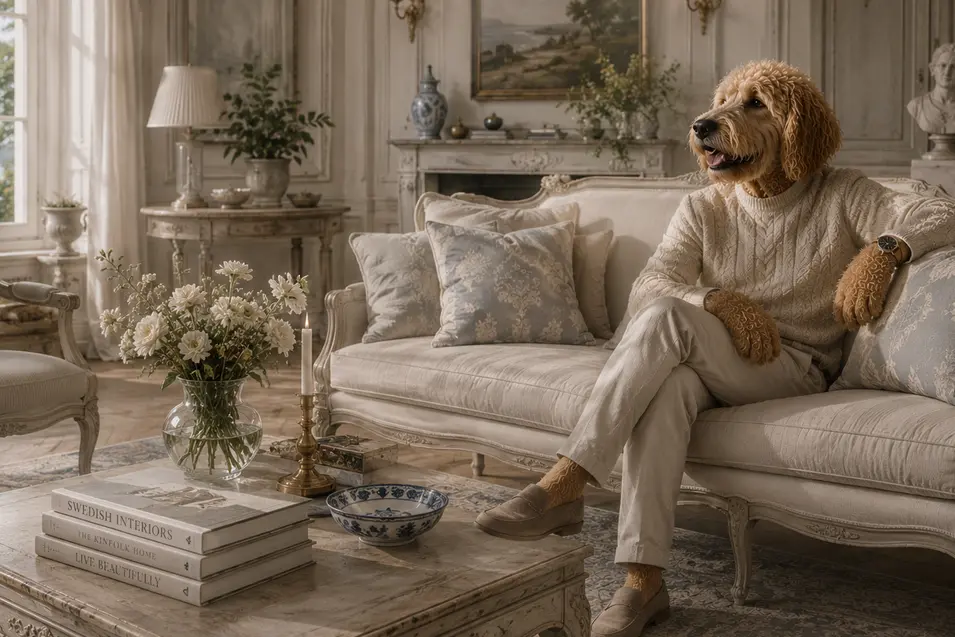
Interior design is more than decorating a room. It reflects the culture, technology, values, and lifestyles of the people who live in a particular time period.
From the grand palaces of Europe to today’s minimalist apartments, design styles have evolved dramatically over the centuries. Each era introduced new materials, architectural innovations, and decorating philosophies that continue to influence modern homes.
Understanding the history of interior design not only helps us appreciate today’s styles but also explains why certain design trends continue to reappear generation after generation.
Let’s take a journey through the major interior design styles that have shaped the homes we know today.
Classical Design (Ancient Greece and Rome)
Many of the design principles still used today originated in ancient Greece and Rome.
Classical interiors emphasized:
- Symmetry
- Proportion
- Balance
- Columns and architectural details
- Natural stone and marble
- Decorative mosaics
Homes of wealthy families often featured elegant courtyards, decorative sculptures, and carefully planned layouts.
Lasting Influence
The emphasis on symmetry and balance continues to influence traditional interior design today.
Medieval Interiors (5th–15th Century)
Following the fall of the Roman Empire, European interiors became more functional and defensive.
Homes and castles often featured:
- Heavy wooden furniture
- Stone walls
- Large fireplaces
- Tapestries
- Handcrafted furnishings
Comfort was secondary to durability and protection.
Lasting Influence
Many rustic and traditional styles still incorporate elements inspired by medieval craftsmanship.
Renaissance Style (14th–17th Century)
The Renaissance marked a renewed interest in art, beauty, and classical learning.
Interiors became more refined and decorative.
Common features included:
- Ornate furniture
- Detailed woodwork
- Rich fabrics
- Symmetrical room layouts
- Artistic decoration
Wealthy households used interior design as a way to display status and culture.
Lasting Influence
Many traditional and European-inspired interiors draw heavily from Renaissance design principles.
Baroque and Rococo (17th–18th Century)
Baroque and Rococo styles embraced luxury and extravagance.
Rooms often featured:
- Gilded finishes
- Elaborate moldings
- Crystal chandeliers
- Ornate mirrors
- Curved furniture
- Rich colors
These styles prioritized visual drama and opulence.
Lasting Influence
Elements of Baroque and Rococo design still appear in luxury interiors and historic homes.
Victorian Style (1837–1901)
Named after Queen Victoria’s reign, Victorian interiors celebrated abundance and decoration.
Homes were often filled with:
- Patterned wallpaper
- Heavy draperies
- Dark wood furniture
- Decorative accessories
- Layered textiles
- Ornate details
The Industrial Revolution made furniture and decorative objects more affordable, allowing homeowners to furnish their homes more extensively than ever before.
Lasting Influence
Victorian design influenced many traditional decorating styles and remains popular in historic homes.
Arts and Crafts Movement (Late 19th Century)
As a reaction against industrial mass production, the Arts and Crafts movement emphasized craftsmanship and quality.
Key characteristics included:
- Handcrafted furniture
- Natural materials
- Simplicity
- Honest construction
- Functional design
Designers believed homes should be practical, beautiful, and thoughtfully made.
Lasting Influence
This movement helped pave the way for modern design principles.
Art Nouveau (1890–1910)
Art Nouveau introduced flowing lines and nature-inspired decoration.
Popular features included:
- Curved forms
- Floral motifs
- Decorative glass
- Organic shapes
- Artistic craftsmanship
The style sought to blur the line between art and everyday living.
Lasting Influence
Many contemporary decorative arts still draw inspiration from Art Nouveau.
Art Deco (1920s–1930s)
Art Deco embraced glamour, modernity, and luxury.
Interiors often featured:
- Geometric patterns
- Bold colors
- Metallic finishes
- Exotic materials
- Streamlined forms
The style reflected optimism and technological progress during the early twentieth century.
Lasting Influence
Art Deco remains one of the most recognizable historical design movements.
Mid-Century Modern (1940s–1960s)
Following World War II, designers focused on creating practical, affordable homes for growing families.
Mid-century modern interiors featured:
- Clean lines
- Functional furniture
- Organic shapes
- Large windows
- Open floor plans
- Natural materials
This movement emphasized simplicity without sacrificing comfort.
Lasting Influence
Mid-century modern remains one of today’s most popular design styles.
Modern Design (20th Century)
Modern design emerged from the idea that form should follow function.
Rather than decorating for decoration’s sake, designers focused on simplicity and usability.
Key characteristics include:
- Clean lines
- Neutral color palettes
- Functional furniture
- Open spaces
- Minimal ornamentation
Modern design continues to influence countless homes today.
Lasting Influence
Modern design laid the foundation for many contemporary decorating styles.
Scandinavian Design (1950s–Present)
Originating in Nordic countries, Scandinavian design combines simplicity, comfort, and functionality.
Popular features include:
- Light color palettes
- Natural materials
- Functional furnishings
- Minimal clutter
- Cozy textures
The style reflects the Nordic emphasis on comfort and quality of life.
Lasting Influence
Scandinavian interiors remain especially popular in smaller homes and modern living spaces.
Minimalist Design (1960s–Present)
Minimalism developed as a response to excess and clutter.
The philosophy centers on:
- Simplicity
- Intentional living
- Clean spaces
- Functional design
- Quality over quantity
Minimalist homes focus on keeping only what is necessary and meaningful.
Lasting Influence
Minimalism continues to influence architecture, furniture, and lifestyle trends worldwide.
Contemporary Design (Present Day)
Unlike historical styles, contemporary design constantly evolves.
It reflects current trends while incorporating ideas from many previous design movements.
Today’s contemporary interiors often feature:
- Open layouts
- Sustainable materials
- Smart technology
- Flexible spaces
- Clean aesthetics
Because contemporary design adapts over time, it remains one of the most versatile decorating approaches available.
Lasting Influence
Contemporary design represents the ongoing evolution of interior design itself.
How History Influences Today’s Homes
Most modern homes don’t follow a single historical style.
Instead, they often blend elements from multiple periods.
For example:
- A farmhouse may feature modern furniture.
- A contemporary condo may include Art Deco lighting.
- A traditional home may incorporate Scandinavian simplicity.
- A historic property may combine Victorian architecture with modern conveniences.
This mixing of influences allows homeowners to create spaces that feel personal and timeless.
What Interior Design History Teaches Us
One of the most interesting lessons from design history is that trends are often cyclical.
Styles that once fell out of favor frequently return in updated forms.
Today’s popularity of:
- Mid-century modern
- Traditional design
- Minimalism
- Natural materials
- Handcrafted furnishings
all reflect ideas that have appeared repeatedly throughout history.
While colors, materials, and technologies change, many core design principles remain surprisingly consistent.
Final Thoughts
Interior design styles have evolved dramatically over the centuries, reflecting changes in culture, technology, and everyday life. From the symmetry of classical interiors to the simplicity of modern and minimalist design, each era has contributed ideas that continue to shape the homes we live in today.
Understanding where design styles come from can help homeowners make more informed decorating choices and appreciate the rich history behind the spaces they create.
Whether you prefer traditional elegance, Scandinavian simplicity, modern functionality, or contemporary flexibility, you’re participating in a design story that has been unfolding for thousands of years.