If Cats Curated an Art Gallery

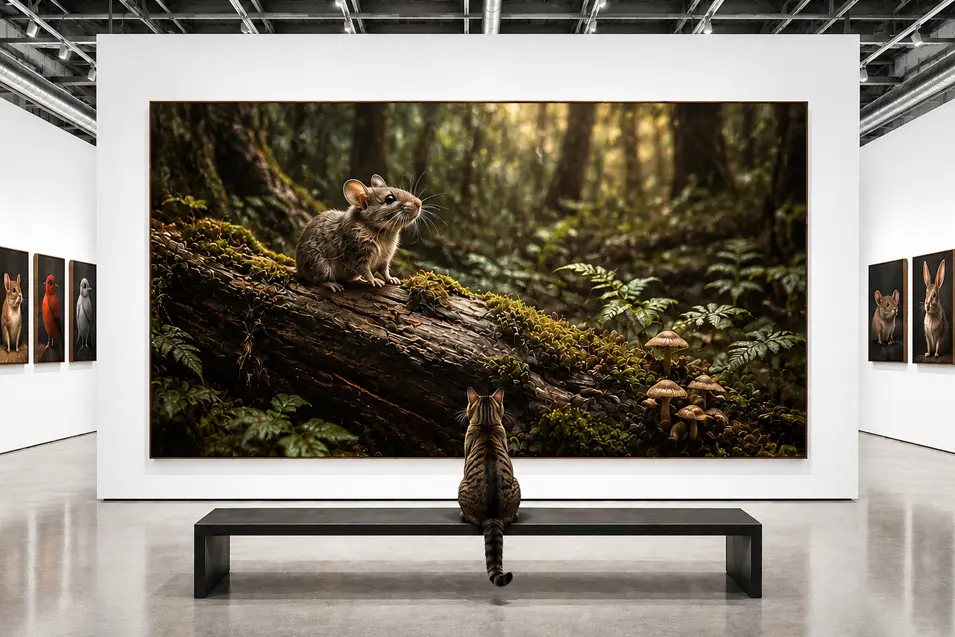
Bright industrial gallery with white walls, a cat on a steel bench, woodland mouse artwork, and photorealistic bird, rabbit and rat portraits.

What if the world’s greatest art gallery wasn’t curated by critics, collectors, or museum directors?

What if it was curated by cats?

The result would almost certainly be unlike any gallery humans have ever imagined.

There would be elegant spaces bathed in warm afternoon sunlight. Towering climbing structures disguised as sculptures. Paintings hung at eye level—not for people, but for lounging felines perched comfortably on velvet platforms. Every room would invite curiosity, quiet observation, and the occasional afternoon nap.

It might sound whimsical, but imagining a cat-curated art gallery reveals something surprisingly meaningful about both art and the animals who inspire it.

Cats have long fascinated painters, photographers, sculptors, writers, and designers. Their elegance, mystery, independence, and playful personalities have made them artistic muses for thousands of years.

If they were given complete creative control over a gallery, what kind of space would they create?

Let’s step inside and find out.

The Grand Entrance

Unlike traditional galleries, visitors wouldn’t be greeted by a reception desk.

Instead, they would enter through a quiet courtyard filled with trees, flowing water, and patches of warm sunlight.

The architecture would feel calm rather than imposing.

Natural materials like wood, stone, and glass would dominate the design.

Somewhere nearby, a very important cat would observe each guest from an impossibly high shelf, silently deciding whether they were worthy of admission.

No tickets required.

Only respectful behavior.

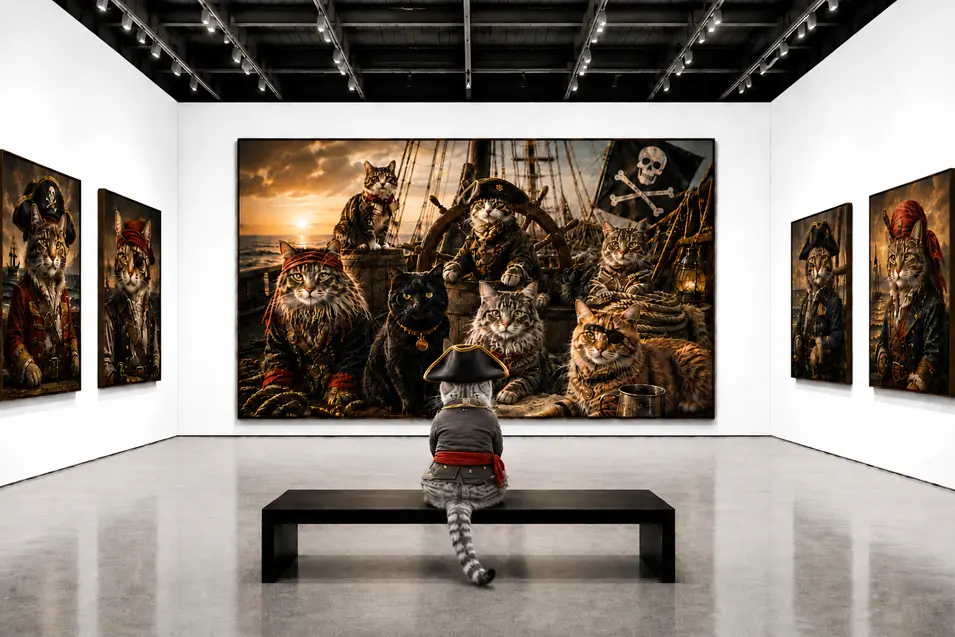
Gallery One: The Masters of Cat Portraiture

The first exhibition would celebrate the timeless beauty of cats themselves.

Every style of portraiture would be represented:

  • Renaissance oil paintings
  • Dramatic charcoal drawings
  • Contemporary photography
  • Watercolor studies
  • Japanese ink paintings
  • AI-generated masterpieces
  • Minimalist line art

Every portrait would capture something different.

Confidence.

Curiosity.

Mischief.

Patience.

Wisdom.

Cats would insist that every personality deserves its own artistic interpretation.

Gallery Two: The Art of the Nap

Human visitors might laugh.

Cats would consider this room the gallery’s greatest achievement.

Soft afternoon light pours through enormous windows.

Large abstract paintings hang above luxurious velvet cushions.

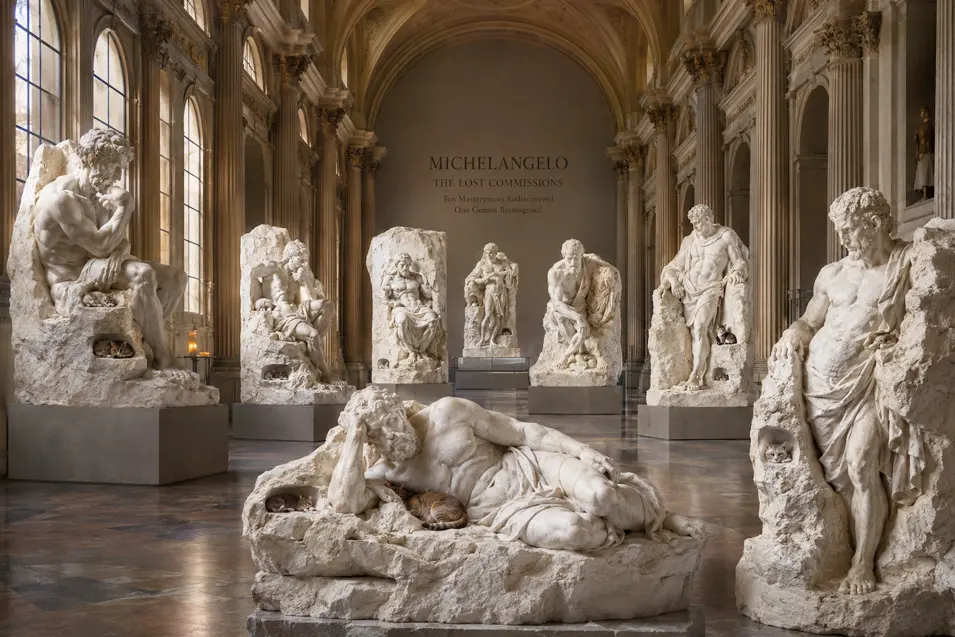
Minimalist sculptures double as sleeping platforms.

Every bench is heated.

Silence is encouraged.

This exhibition celebrates one of the cat’s greatest artistic talents:

Perfect relaxation.

Gallery Three: Boxes as Sculpture

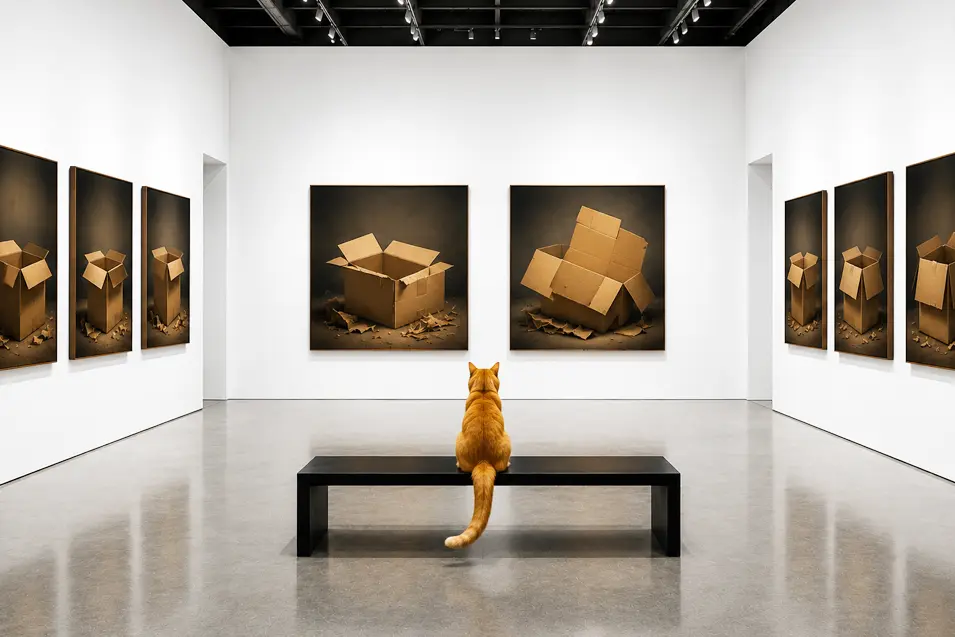
Bright industrial gallery with white walls, an orange cat on a black bench, and striking cardboard box artworks in a clean, minimalist museum setting.

Humans see cardboard boxes.

Cats see architecture.

This gallery would feature elaborate installations built entirely from carefully arranged boxes of every size imaginable.

Some would be empty.

Some would contain hidden passageways.

Others would reveal secret observation windows.

Interactive exhibits would encourage visitors to crawl through tunnels and rediscover the simple joy of curiosity.

The exhibition title?

“Minimalism in Corrugated Cardboard.”

Critics would be confused.

Cats would be delighted.

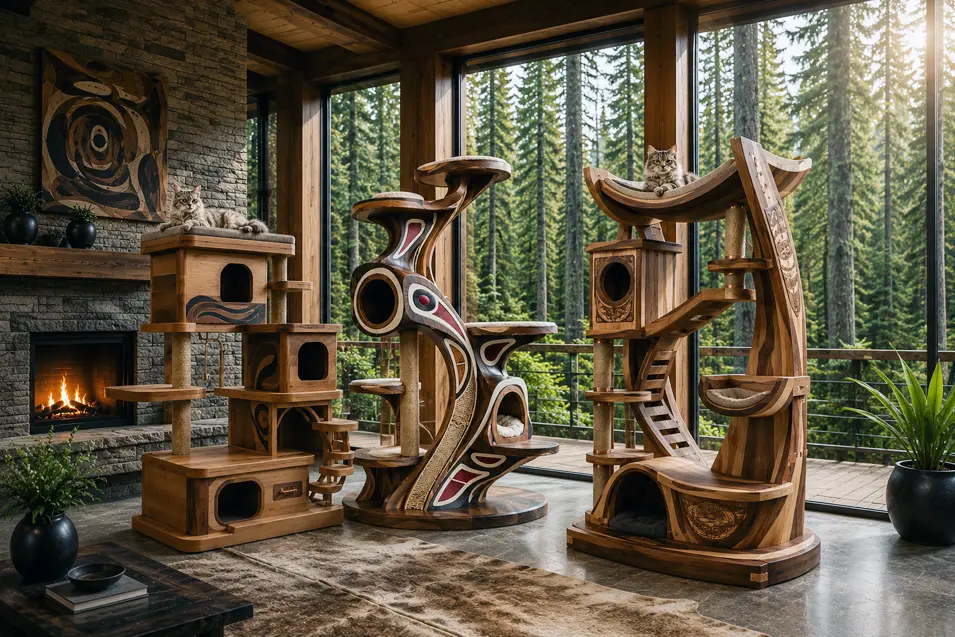
Gallery Four: The Gallery of Impossible Heights

Cats appreciate perspective.

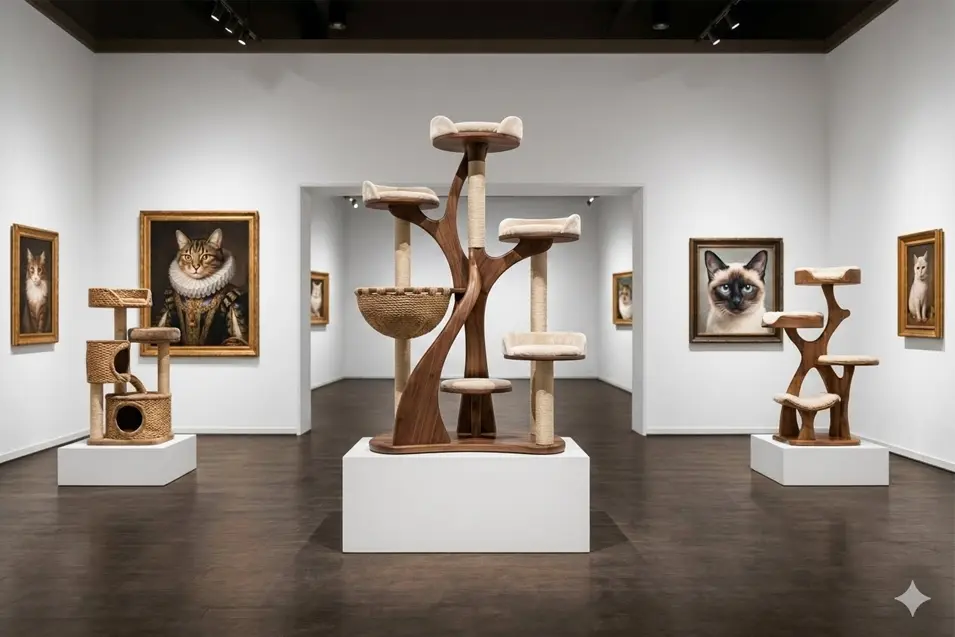
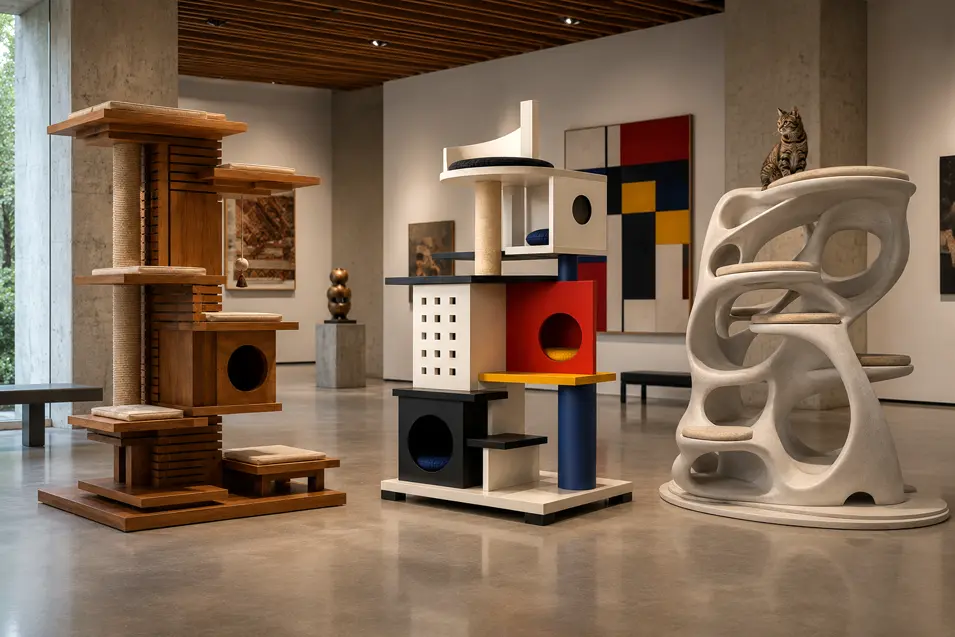
Naturally, their gallery would include elevated walkways connecting every room.

Floating shelves.

Elegant bridges.

Hidden staircases.

Glass observation platforms suspended above visitors.

From these lofty positions, cats could quietly evaluate every exhibition while remaining comfortably out of reach.

Architecture itself would become part of the artistic experience.

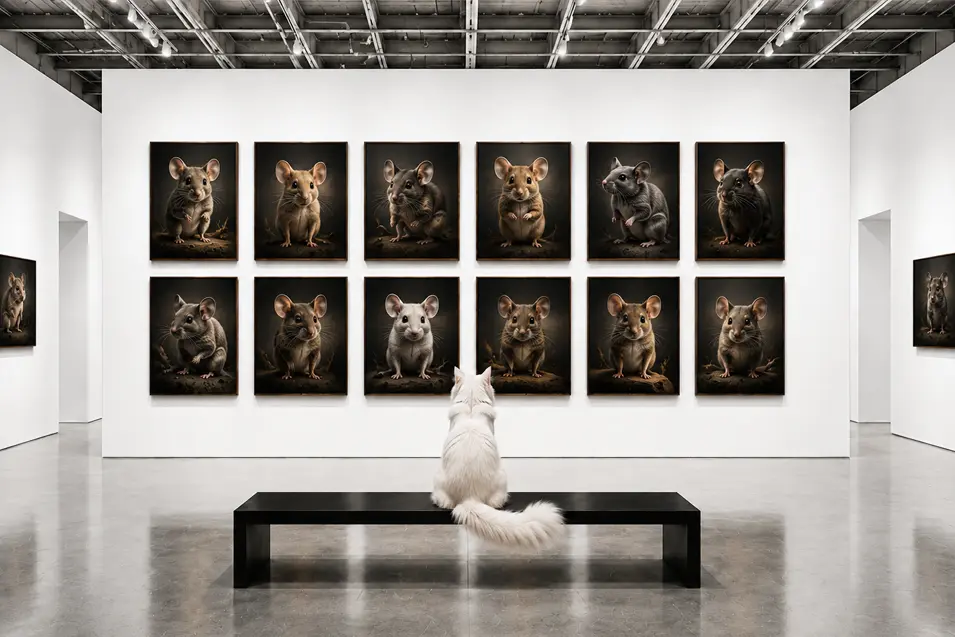
Gallery Five: The Mouse Collection

Bright industrial gallery with white walls, a Maine Coon on a black bench, and twelve photorealistic mouse portraits in a modern museum setting.

Every great museum contains historical artifacts.

This one would feature:

Tiny bronze mice.

Marble mice.

Abstract mice.

Golden mice.

Mechanical mice.

Felt mice.

Feathered mice.

Some would move unexpectedly.

Others would disappear entirely.

Visitors would never be entirely certain which exhibits were real.

The Sunlight Room

Most galleries carefully control lighting.

Cats would simply design the building around the sun.

Throughout the day, shafts of natural light would slowly travel across polished wooden floors.

Comfortable cushions would always occupy the warmest spots.

Visitors might initially believe this room contains no artwork.

Eventually they would realize:

The light itself is the exhibition.

Interactive Art

Cats rarely appreciate signs that read:

“Do Not Touch.”

Their museum would encourage exploration.

Visitors would discover:

  • Hanging feathers
  • Flowing ribbons
  • Interactive projections
  • Rolling light reflections
  • Suspended sculptures
  • Gentle moving shadows

Rather than merely observing art, guests would become part of it.

The Aquarium Gallery

Every world-class gallery deserves a breathtaking centerpiece.

Naturally, cats would choose a magnificent aquarium.

Not because they wish to disturb the fish.

Simply because watching graceful marine life drift through coral gardens is endlessly fascinating.

The gallery would feature:

Large reef aquariums.

Planted freshwater displays.

Koi ponds viewed through glass floors.

Elegant underwater lighting.

The aquarium becomes both exhibit and meditation space.

Cats understand that living art belongs alongside traditional art.

Gallery Six: The Great Masters

Cats have been inspiring artists for centuries.

This gallery would celebrate feline appearances throughout history.

Visitors would discover:

Ancient Egyptian cats.

Japanese woodblock prints.

Victorian cat portraits.

Art Nouveau posters.

Modern photography.

Pop Art cats.

Contemporary digital illustrations.

AI-generated masterpieces.

Each room would remind visitors that cats have quietly influenced art far longer than most people realize.

The Library

Every museum requires a place for quiet reflection.

The feline library would contain books about:

Architecture.

Bird watching.

Interior design.

Gardening.

Aquariums.

Art history.

Sunbeam locations.

The shelves themselves would double as climbing structures.

Reading chairs?

Comfortably oversized.

Occupants?

Mostly sleeping cats.

A Designer’s Dream

Although playful, the gallery would also demonstrate extraordinary design principles.

Everything would reflect:

  • Balance
  • Simplicity
  • Flow
  • Natural light
  • Texture
  • Curiosity
  • Comfort

Interestingly, these are many of the same principles valued by today’s leading architects and interior designers.

Perhaps cats have understood good design all along.

The Gift Shop

Unlike ordinary museum stores, visitors wouldn’t find rows of generic souvenirs.

Instead:

Custom pet portraits.

Limited-edition cat photography.

Designer scratching posts.

Handcrafted ceramic bowls.

Modern cat sculptures.

Luxury blankets.

Books about feline architecture.

AI-generated cat artwork.

Every purchase would celebrate both art and companionship.

Lessons Humans Could Learn

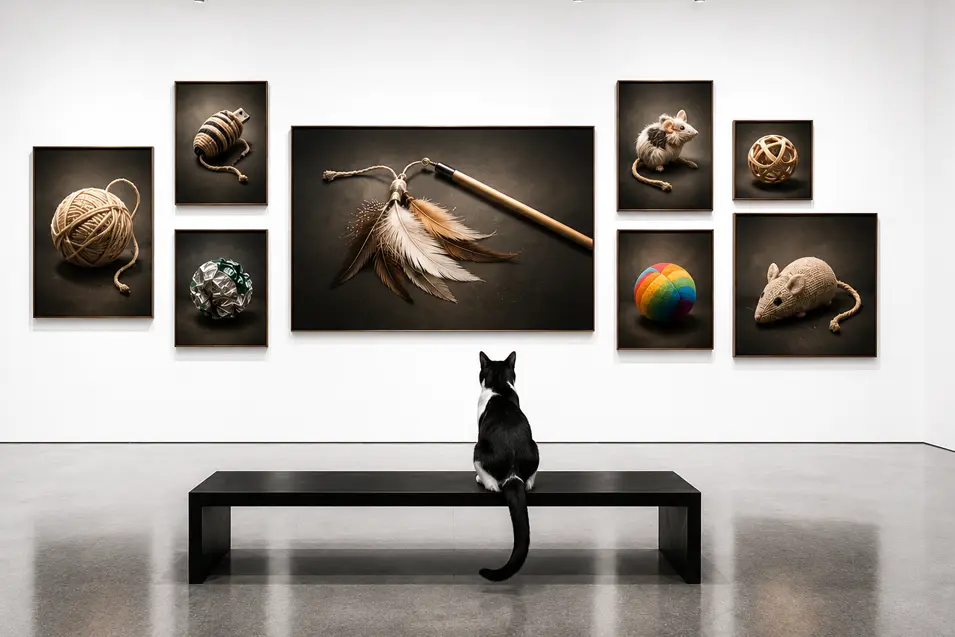
Bright industrial gallery with white walls, a tuxedo cat on a black bench, and photorealistic cat toy artwork in a clean, minimalist museum setting.

While this imaginary gallery is playful, it also reveals something surprisingly insightful.

Cats naturally appreciate:

Comfort.

Beauty.

Observation.

Quiet spaces.

Natural light.

Curiosity.

These are qualities that many people are also trying to bring into their homes.

Perhaps that’s why cat-inspired interiors often feel so welcoming.

They encourage us to slow down.

To notice details.

To appreciate sunlight crossing the floor.

To admire beautiful objects without rushing past them.

Why Cats Continue to Inspire Artists

Cats remain one of the world’s favorite artistic subjects because they constantly surprise us.

They can appear regal one moment and utterly ridiculous the next.

Independent yet affectionate.

Elegant yet playful.

Mysterious yet comforting.

They possess personalities that invite interpretation rather than explanation.

Every artist sees something slightly different.

That endless variety ensures cats will continue inspiring painters, photographers, sculptors, designers, and AI artists for generations to come.

Final Thoughts

If cats really curated an art gallery, it would probably be unlike anything humans have ever created.

It would be quieter.

Warmer.

Filled with natural light, hidden surprises, beautiful craftsmanship, and comfortable places to simply sit and observe.

There would be masterpieces hanging beside living aquariums.

Architecture designed for exploration.

Art that encouraged curiosity instead of rules.

And perhaps, somewhere in the gallery, a contented cat sleeping peacefully in the perfect patch of afternoon sunshine.

After all, every great curator understands one important truth:

The best art doesn’t simply decorate a space.

It changes the way we experience it.

Cats have known that all along.

Facebook
Twitter
Pinterest

Leave a Reply

Your email address will not be published. Required fields are marked *