Providing your pet with high-quality food is only part of keeping them healthy. Proper storage plays an equally important role in preserving nutritional value, preventing contamination, and ensuring every meal is safe to eat. Whether you feed dry kibble, canned food, freeze-dried meals, or fresh pet diets, understanding how to store pet food safely can help prevent spoilage and protect your pet from foodborne illnesses.
Many pet owners unknowingly make storage mistakes that can reduce the quality of their pet’s food. Exposure to air, heat, moisture, and pests can cause pet food to deteriorate much faster than expected. Fortunately, a few simple storage practices can keep pet food fresh and safe from the day you purchase it until the last serving.
Why Proper Pet Food Storage Matters
Pet food contains essential nutrients, fats, proteins, vitamins, and minerals that support your pet’s overall health. Improper storage can lead to:
- Loss of nutritional value
- Rancid fats and oils
- Mold growth
- Bacterial contamination
- Insect infestations
- Rodent problems
- Food waste
Spoiled food may not always show obvious signs of deterioration. Pets that consume contaminated food can experience digestive upset, vomiting, diarrhea, and, in severe cases, serious health complications.
Proper storage helps ensure your pet receives the full nutritional benefits intended by the manufacturer while reducing the risk of contamination.
Best Practices for Storing Dry Pet Food
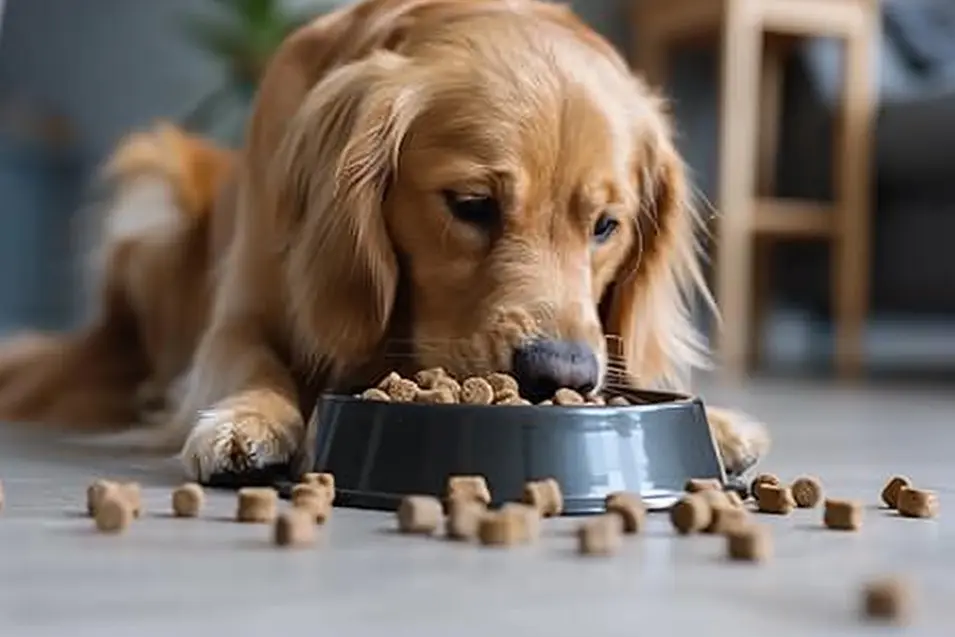
Dry pet food, commonly known as kibble, is one of the most popular feeding options for dogs and cats. Although it has a longer shelf life than wet food, it still requires proper storage.
Keep Food in the Original Packaging
Many pet owners pour kibble directly into storage bins, but manufacturers generally recommend keeping food in its original bag. The packaging is specifically designed to help preserve freshness and contains important information such as:
- Expiration dates
- Lot numbers
- Feeding instructions
- Product recalls and safety information
Instead of emptying the bag, place the entire bag inside an airtight container.
Use Airtight Storage Containers
A quality airtight container helps protect food from:
- Air exposure
- Moisture
- Insects
- Rodents
Choose food-grade plastic, stainless steel, or metal containers designed specifically for pet food storage.
Store in a Cool, Dry Place
Heat and humidity can accelerate spoilage. Store pet food in a location that remains consistently cool and dry, such as:
- Kitchen pantries
- Indoor storage closets
- Utility rooms with climate control
Avoid storing pet food in:
- Garages
- Outdoor sheds
- Damp basements
- Laundry rooms with high humidity
Ideally, pet food should be stored at temperatures below 80°F (27°C).
How to Store Wet and Canned Pet Food
Wet pet food requires different handling procedures than dry kibble.
Unopened Cans
Store unopened cans in a cool, dry area away from direct sunlight and extreme temperatures. Avoid freezing canned food unless the manufacturer specifically recommends it.
Opened Cans
Once opened, canned pet food should be treated similarly to human food.
Follow these guidelines:
- Cover opened cans with a pet food lid or transfer food to a sealed container.
- Refrigerate immediately after opening.
- Use refrigerated food within three to five days.
- Discard any leftovers that develop unusual odors, discoloration, or texture changes.
Never leave wet food sitting out for extended periods, especially in warm weather.
Safe Storage for Fresh and Raw Pet Food
Fresh and raw pet food diets have become increasingly popular, but they require careful handling.
Refrigeration
Fresh pet food should remain refrigerated at all times and be used according to the manufacturer’s recommendations.
Freezing
Many fresh and raw diets can be frozen for longer-term storage. Always:
- Freeze food before the expiration date.
- Thaw food in the refrigerator.
- Avoid thawing at room temperature.
- Never refreeze food that has been completely thawed.
Because raw diets may contain bacteria such as Salmonella or E. coli, proper hygiene is essential when handling these products.
Protect Pet Food from Moisture
Moisture is one of the biggest threats to pet food quality.
Even a small amount of moisture can promote:
- Mold growth
- Bacterial contamination
- Food spoilage
To prevent moisture problems:
- Keep storage containers tightly sealed.
- Store food away from sinks and dishwashers.
- Avoid using wet scoops.
- Never mix old food with newly purchased food unless containers have been cleaned first.
Prevent Pest Infestations
Pet food is highly attractive to insects, rodents, and other pests.
Common pests include:
- Ants
- Pantry moths
- Beetles
- Mice
- Rats
Reduce the risk of infestations by:
- Using airtight containers
- Cleaning spills immediately
- Inspecting food before use
- Keeping storage areas clean
- Rotating food regularly
If you notice signs of pests, discard affected food immediately and thoroughly clean the storage area.
Wash Storage Containers Regularly
Food oils can build up inside storage containers over time, creating an environment where bacteria and mold can thrive.
Every time you finish a bag of pet food:
- Empty the container completely.
- Wash with hot, soapy water.
- Rinse thoroughly.
- Allow the container to dry completely.
- Add the new bag of food.
Skipping this step can allow residue from old food to contaminate fresh food.
Monitor Expiration Dates
Always check expiration dates before purchasing and feeding pet food.
When shopping:
- Select products with the longest shelf life available.
- Avoid damaged packaging.
- Purchase only quantities your pet can reasonably consume.
At home, practice the “first in, first out” method by using older food before opening newer purchases.
Signs That Pet Food Has Gone Bad
Pet food should be discarded if you notice:
- A rancid or sour smell
- Visible mold
- Discoloration
- Excessive moisture
- Pest contamination
- Unusual texture changes
When in doubt, throw it out. The cost of replacing pet food is far less than the cost of treating a sick pet.
Common Pet Food Storage Mistakes
Many pet owners unknowingly reduce food quality through poor storage habits.
Avoid these common mistakes:
- Leaving food bags open
- Storing food in hot garages
- Using non-food-grade containers
- Mixing old and new food together
- Ignoring expiration dates
- Failing to clean storage bins
- Leaving wet food out for hours
Correcting these simple mistakes can significantly improve food safety.
Final Thoughts
Knowing how to store pet food safely is an essential part of responsible pet ownership. Proper storage helps maintain nutritional quality, prevents contamination, discourages pests, and supports your pet’s long-term health.
Whether you feed dry kibble, canned meals, fresh diets, or raw food, storing pet food in a cool, dry, airtight environment and following proper hygiene practices can make a significant difference. By taking a few extra precautions, you can ensure that every meal you serve is fresh, nutritious, and safe for your beloved pet.