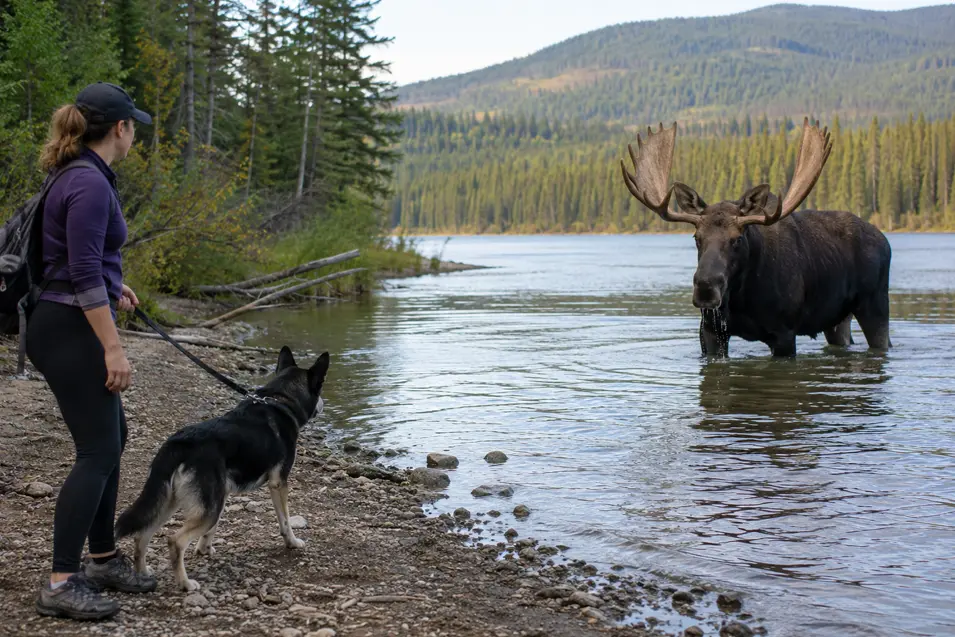
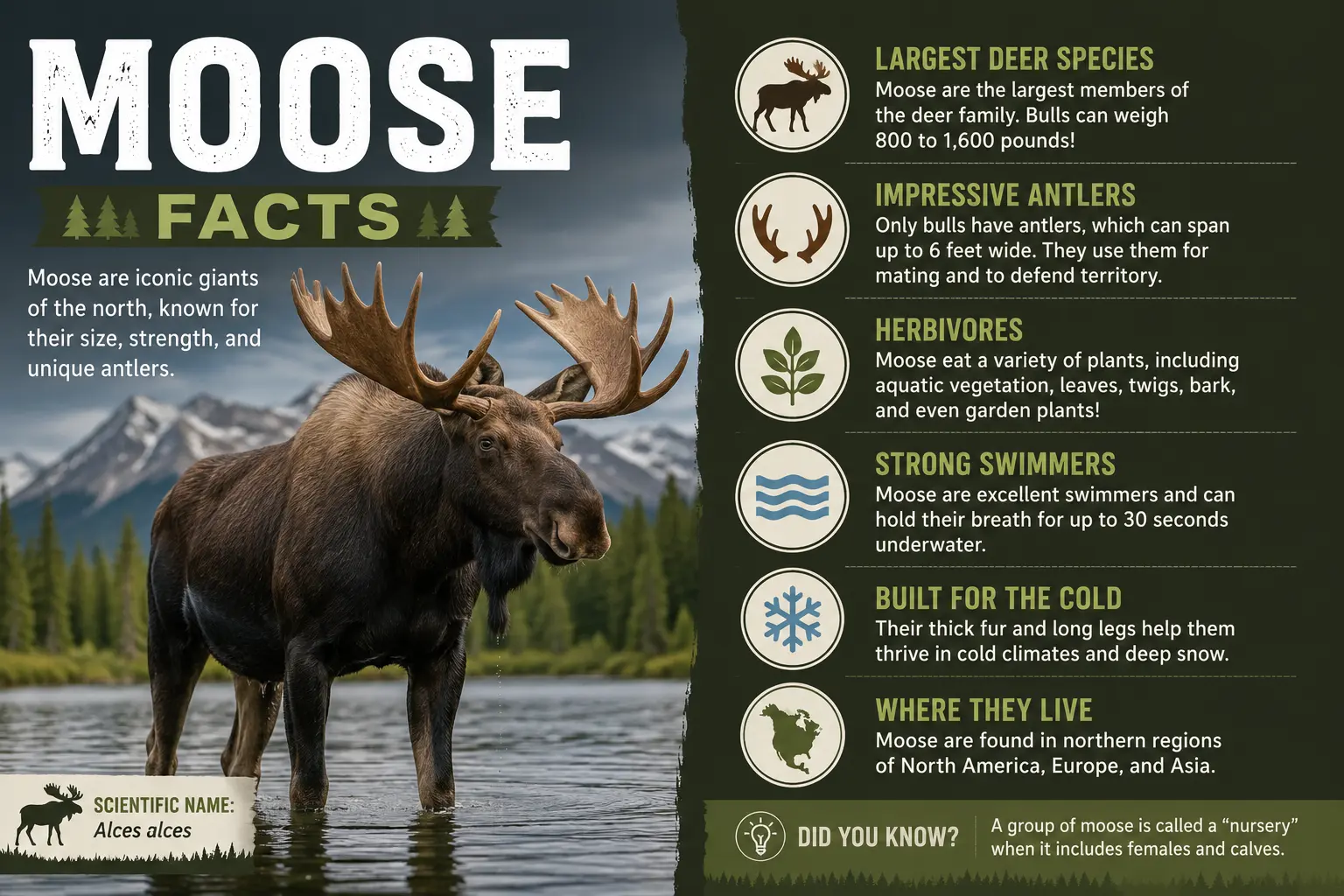
Camping and hiking with your dog is one of life’s greatest adventures, but sharing the outdoors means sharing it with wildlife. While bears and wolves often get the most attention, moose are responsible for many aggressive wildlife encounters across North America. Their enormous size, surprising speed, and protective instincts can make them especially dangerous to curious dogs.
Understanding how moose behave—and knowing how to react if you encounter one—can help keep both you and your dog safe.
Why Moose Can Be Dangerous to Dogs
Although moose are herbivores, they can become highly aggressive when they feel threatened.
Situations that commonly trigger aggression include:
- Protecting calves
- During the fall rut (breeding season)
- When startled
- When cornered
- Dogs barking or chasing them
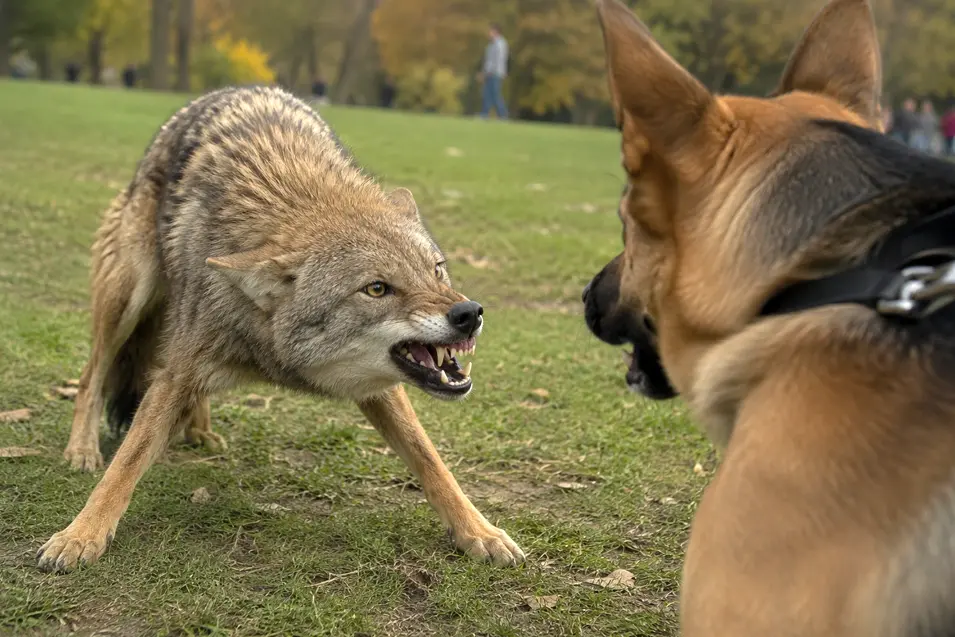
Many moose instinctively see dogs as wolves, one of their natural predators.
Where You’re Most Likely to Encounter Moose
Discuss:
- Canada
- Alaska
- Northern United States
- National parks
- Forest trails
- Lakes
- Marshes
- Early morning
- Evening
Warning Signs a Moose Is Becoming Aggressive
Watch for body language such as:
- Ears laid back
- Raised hair on shoulders
- Head lowered
- Walking toward you
- Snorting
- Stomping
- Licking lips
- Bluff charges
Never mistake curiosity for friendliness. A moose approaching you should always be treated with caution.
How to Prevent a Dangerous Encounter
Use a leash.
Keep dogs close.
Avoid dense brush.
Stay on marked trails.
Make noise while hiking.
Never allow your dog to chase wildlife.
Give moose plenty of space.
What to Do If You See a Moose
- Stop.
- Stay calm.
- Leash your dog immediately.
- Slowly back away.
- Put obstacles between you and the moose.
- Leave the area.
What to Do If a Moose Charges
Unlike bears:
- Run behind trees.
- Use large objects as barriers.
- Release your dog if absolutely necessary.
Explain why.
Many dogs instinctively run back to their owners after being chased. Unfortunately, this can lead an angry moose directly back to you. Every situation is different, but your priority is creating distance between yourself and the moose while avoiding becoming trapped.
If Your Dog Is Injured
Watch for:
- Broken bones
- Internal injuries
- Cuts
- Shock
- Difficulty breathing
Seek emergency veterinary care immediately.
Camping Tips for Moose Country
- Camp away from animal trails.
- Keep dogs on leash around camp.
- Avoid dawn and dusk walks.
- Store food properly.
- Scan open areas before letting your dog explore.
Frequently Asked Questions
Do moose attack dogs?
Yes. Moose often perceive dogs as wolves and may attack if they feel threatened.
Should I let my dog bark at a moose?
No. Barking can escalate an encounter quickly.
Can a moose outrun a dog?
Yes. Moose can reach speeds of around 35 mph (56 km/h), making them surprisingly fast over short distances.
Are moose more dangerous than bears?
In many parts of Canada and Alaska, moose are involved in more aggressive encounters with people than bears because they are encountered more frequently and are highly defensive during certain times of year.
Final Thoughts
Most moose encounters end peacefully when hikers keep their distance and maintain control of their dogs. Respecting wildlife, recognizing warning signs, and staying alert can help ensure your camping adventure remains memorable for all the right reasons.