Indoor cats often enjoy longer, safer lives than outdoor cats, but they also face unique challenges. One of the most common is maintaining a healthy weight.
Without opportunities for regular exercise and mental stimulation, some indoor cats can become inactive, leading to weight gain and an increased risk of health problems. Fortunately, there are many simple ways to encourage activity and keep indoor cats healthy, engaged, and fit.
With the right combination of enrichment, play, and environmental design, cat owners can help their feline companions stay active throughout every stage of life.
Why Weight Gain Is Common in Indoor Cats
Indoor cats typically have fewer opportunities to exercise than outdoor cats.
Several factors contribute to weight gain:
- Reduced activity levels
- Free-feeding food throughout the day
- Lack of enrichment
- Aging
- Overfeeding treats
- Limited space for movement
Over time, excess weight can place additional stress on joints and increase the risk of health complications.
Health Risks Associated with Obesity
Maintaining a healthy weight is important for long-term wellness.
Obesity has been associated with:
- Diabetes
- Arthritis
- Heart problems
- Reduced mobility
- Lower energy levels
- Shortened lifespan
Preventing weight gain is often easier than helping a cat lose excess weight later.
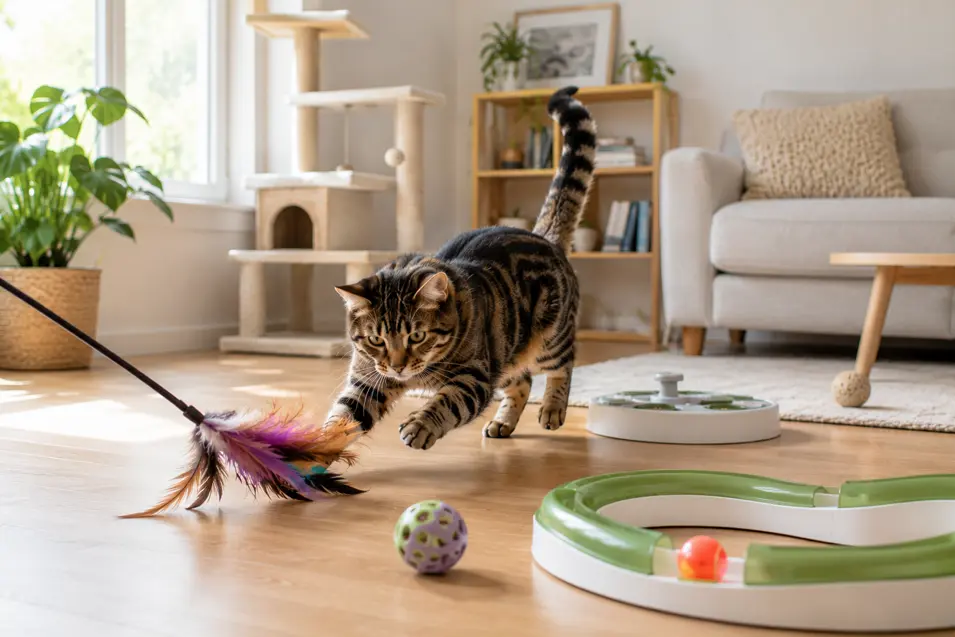
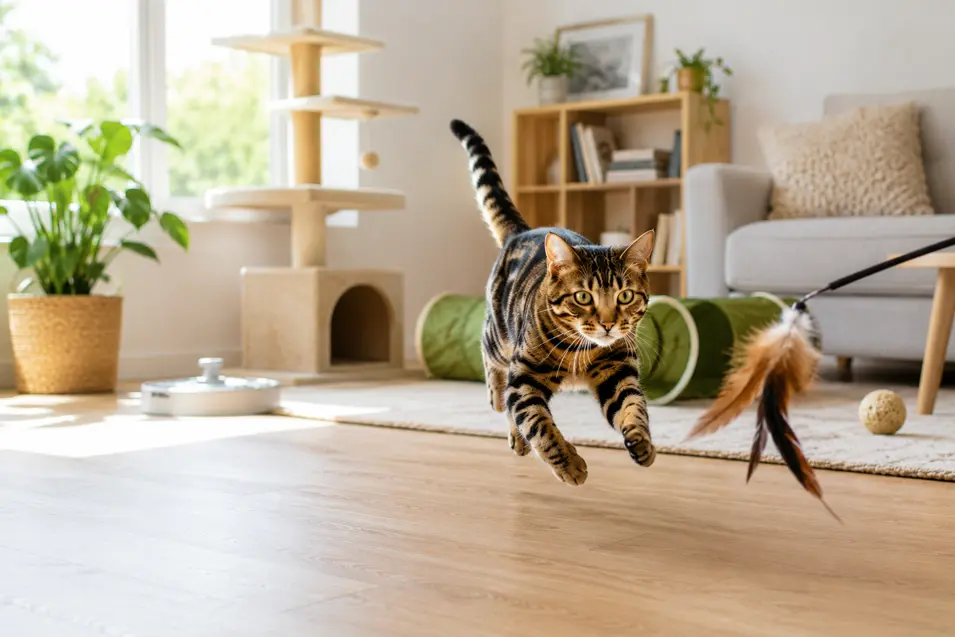
Schedule Daily Play Sessions
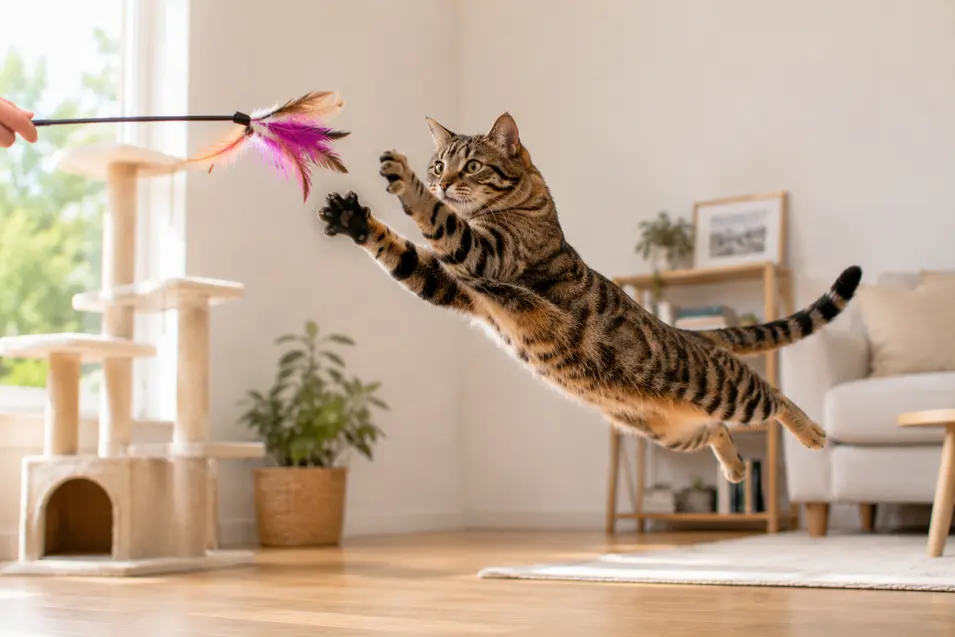
Interactive play remains one of the most effective forms of exercise for indoor cats.
Popular options include:
- Feather wands
- Fishing-pole toys
- Laser pointers
- Toy mice
- Chase games
Most cats benefit from several short play sessions throughout the day.
Even 10 to 15 minutes of active play can provide meaningful exercise.
Encourage Hunting Behaviors
Cats are natural hunters.
Activities that mimic hunting can increase physical activity while satisfying natural instincts.
Examples include:
- Chasing moving toys
- Treat hunts
- Puzzle feeders
- Interactive games
These activities help make exercise feel rewarding and enjoyable.
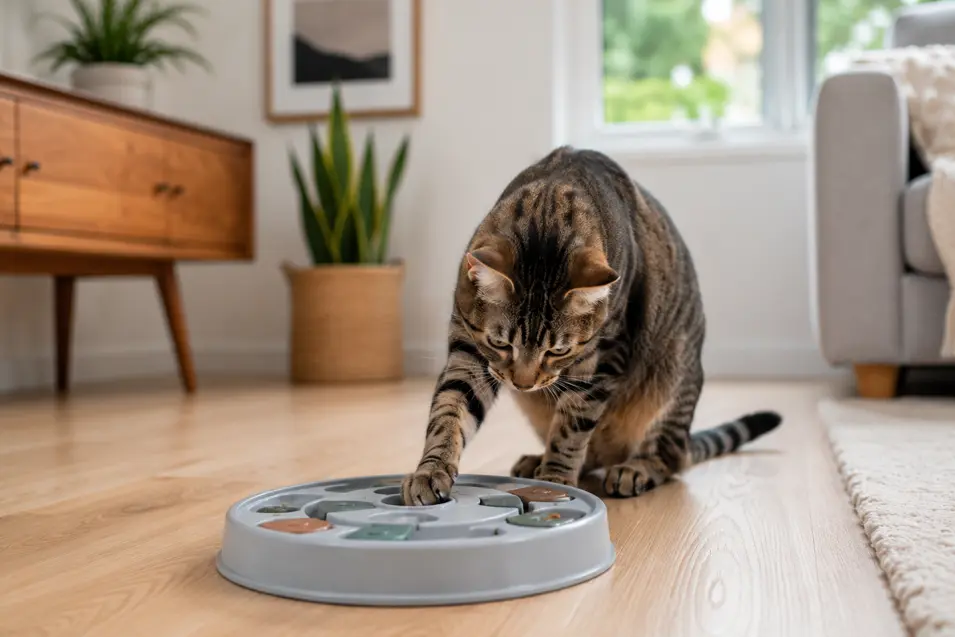
Use Puzzle Feeders
Puzzle feeders transform mealtime into an active experience.
Benefits include:
- Slower eating
- Increased movement
- Mental stimulation
- Reduced boredom
Many cats spend significantly more time engaging with food when using puzzle feeders.
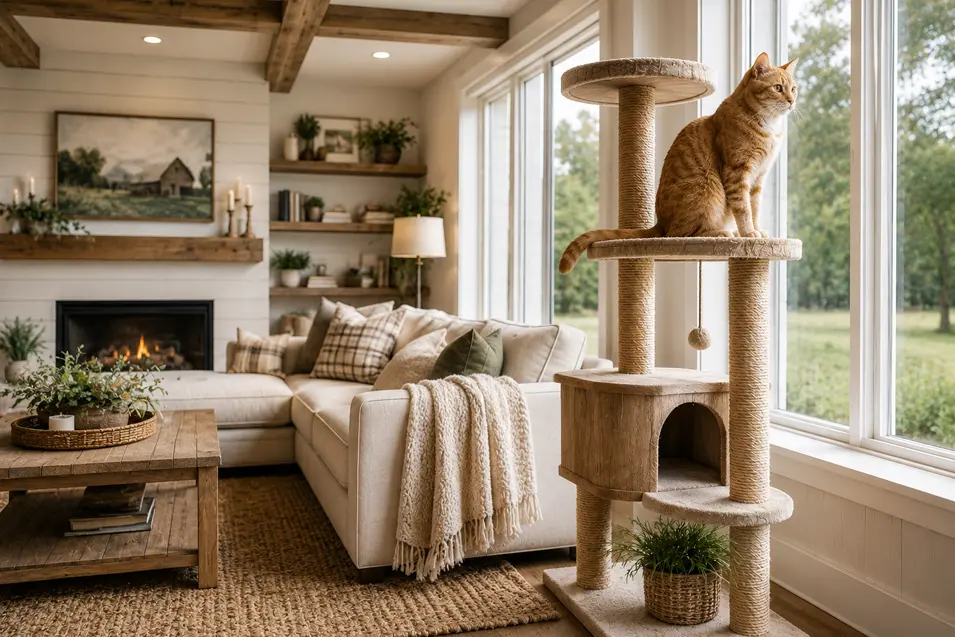
Create Vertical Space
Cats naturally enjoy climbing and exploring elevated areas.
Consider adding:
- Cat trees
- Climbing shelves
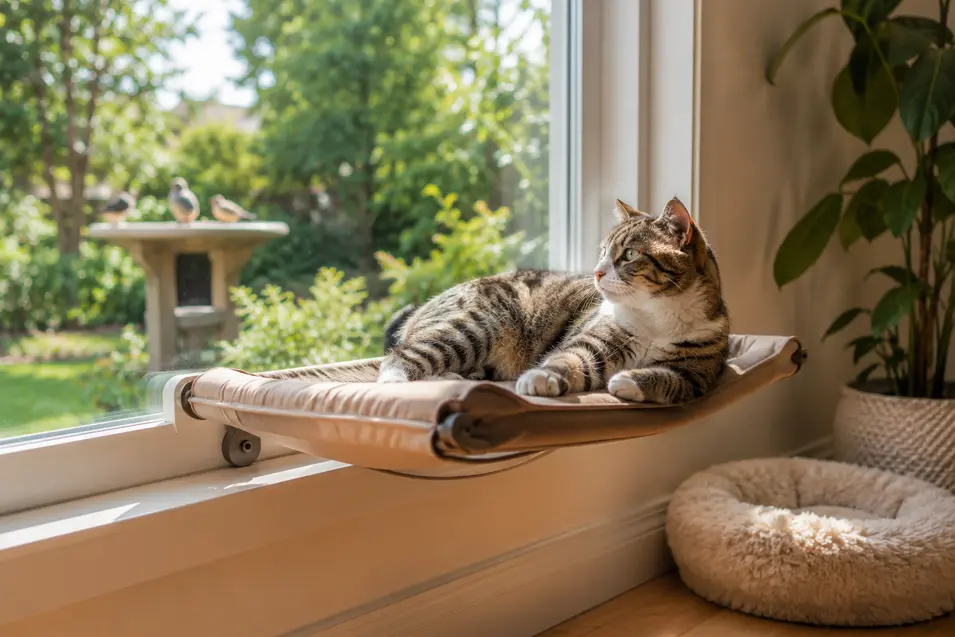
- Window perches
- Wall-mounted walkways
Vertical enrichment encourages movement and expands your cat’s usable territory.
Rotate Toys Regularly
Even the best toys can become less exciting over time.
Rotating toys every week or two helps maintain novelty and encourages continued interest.
Consider keeping some toys stored away and reintroducing them periodically.
Make the Environment More Interesting
A stimulating environment encourages natural exploration.
Simple additions include:
- New scratching posts
- Cat-safe plants
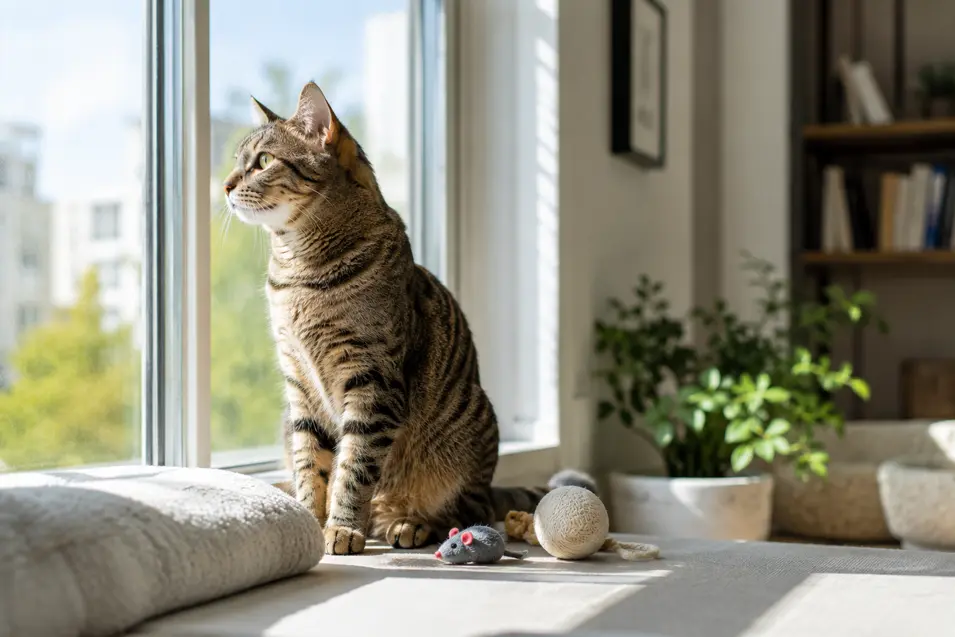
- Window viewing stations
- Tunnels
- Interactive toys
Environmental variety often leads to increased activity.
Consider a Catio
One of the most effective ways to encourage movement is providing safe outdoor access.
A catio allows cats to enjoy:
- Fresh air
- New scents
- Wildlife observation
- Additional exploration opportunities
Many cats become noticeably more active when given access to a secure outdoor enclosure.
Avoid Constant Free Feeding
While free feeding works for some households, it can encourage overeating in less active cats.
Scheduled meals often make it easier to:
- Monitor food intake
- Use food puzzles
- Encourage activity before meals
Always consult your veterinarian before making significant dietary changes.
Monitor Treat Consumption
Treats can add calories quickly.
To maintain a healthy weight:
- Use treats in moderation
- Incorporate treats into puzzle feeders
- Reward activity and training
- Consider lower-calorie options
Small adjustments can make a significant difference over time.
Enrichment for Senior Cats
Older cats still need exercise, although activities may need to be modified.
Consider:
- Lower climbing structures
- Gentle interactive play
- Food puzzles
- Comfortable observation areas
Age-appropriate enrichment helps maintain mobility and mental engagement.
Signs Your Cat Needs More Activity
Indicators may include:
- Weight gain
- Excessive sleeping
- Reduced playfulness
- Boredom-related behaviors
- Increased appetite
- Restlessness
Recognizing these signs early allows owners to make adjustments before problems become more serious.
Building a Healthy Routine
The most successful weight-management plans focus on consistency.
A balanced daily routine may include:
- Interactive play
- Food enrichment
- Climbing opportunities
- Environmental stimulation
- Appropriate nutrition
Small activities repeated regularly often produce the greatest long-term results.
Helping Indoor Cats Thrive
Keeping indoor cats active isn’t about intense exercise sessions. Instead, it’s about creating an environment that encourages movement, exploration, and natural behaviors throughout the day.
By combining interactive play, puzzle feeders, climbing opportunities, and enrichment activities, owners can help their cats maintain a healthy weight and enjoy a happier, more fulfilling life indoors.
Related Reading
Looking for more ways to enrich your cat’s environment?
Explore these helpful guides:
- Indoor Cat Enrichment: Keeping Indoor Cats Happy, Healthy, and Active
- Signs Your Indoor Cat Is Bored (and How to Help)
- Puzzle Feeders for Cats: Benefits and How They Keep Cats Mentally Stimulated
- Cat Climbing Walls and Shelves: Ideas for Vertical Enrichment
- Catio Benefits: Why Indoor Cats Need Safe Outdoor Enrichment
These resources can help you create a healthier, more active lifestyle for your indoor cat.