How to Keep Cats Calm During Fireworks
15 Vet-Recommended Tips to Reduce Stress and Anxiety
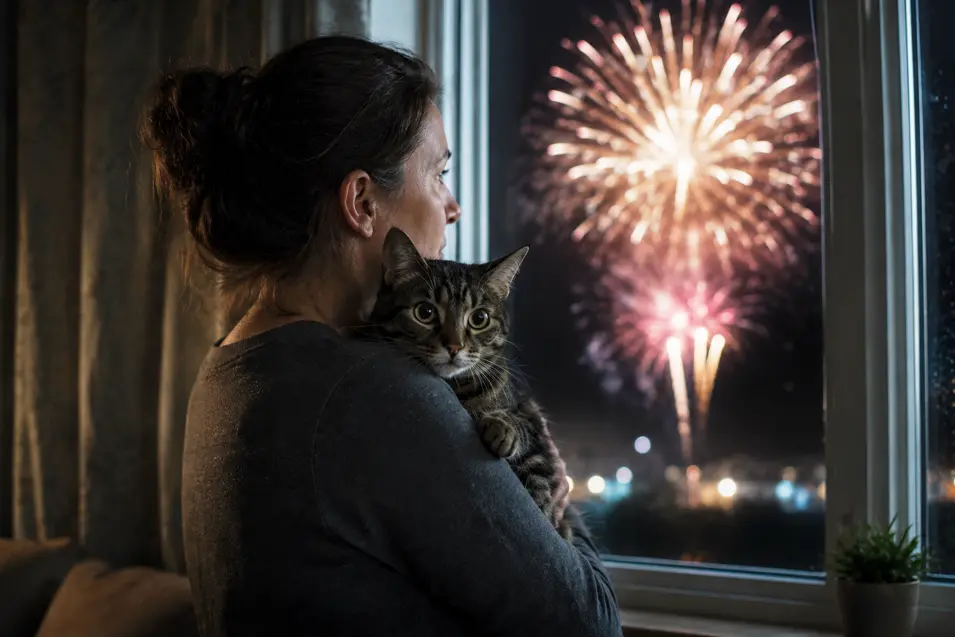
Fireworks may be a highlight of holidays like the Fourth of July, Canada Day, and New Year’s Eve, but for many cats, they’re a frightening experience. The loud booms, flashing lights, and unfamiliar smells can cause even the most confident cat to become anxious.
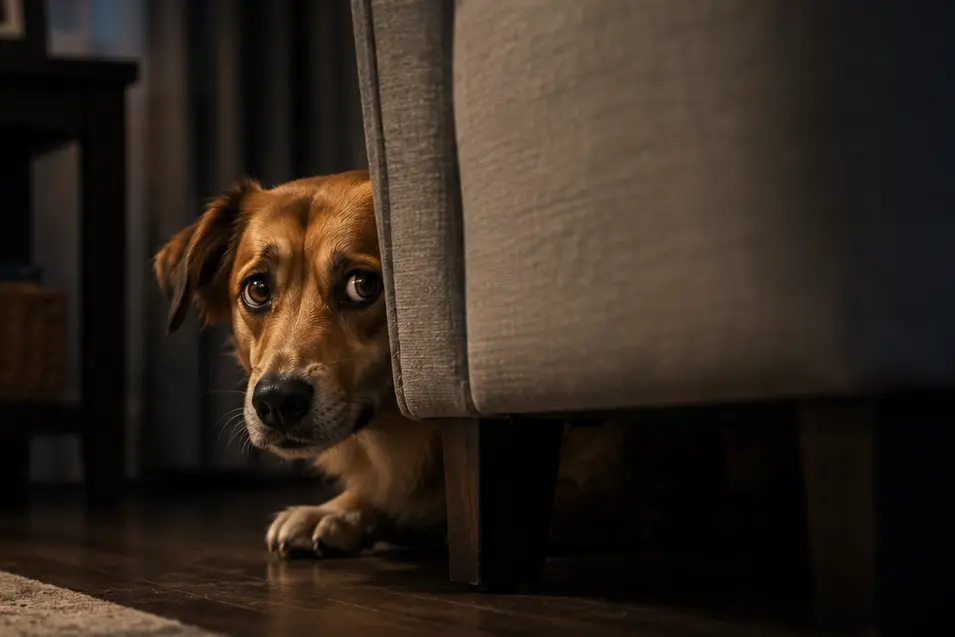
Unlike dogs, cats often hide their fear, making it easy to miss the signs of stress. Some may retreat under the bed, while others pace, vocalize, refuse food, or attempt to escape.
The good news is that with a little preparation, you can help your cat feel much safer during fireworks season.
Why Are Cats Afraid of Fireworks?
Cats rely heavily on their hearing and instincts to detect danger.
Fireworks create sudden, unpredictable sounds that resemble natural threats. Combined with bright flashes and vibrations, these noises can trigger your cat’s fight-or-flight response.
Every cat reacts differently. Some may appear mildly concerned, while others experience severe anxiety.
Common reactions include:
- Hiding
- Dilated pupils
- Flattened ears
- Crouching close to the ground
- Excessive grooming
- Refusing food
- Hissing or growling
- Attempting to escape
- Inappropriate urination
Recognizing these signs early allows you to provide support before your cat becomes overwhelmed.
1. Keep Your Cat Indoors
Even cats that normally spend time outside should remain indoors during fireworks.
A frightened cat may:
- Run into traffic
- Become lost
- Climb trees
- Hide for days
- Become injured
Bring outdoor cats inside well before the fireworks begin.
2. Create a Safe Room
Choose a quiet room away from exterior doors and windows.
Include:
- Their favorite bed
- Soft blankets
- Food and water
- Litter box
- Scratching post
- Favorite toys
The goal is to create a familiar space where your cat feels secure.
3. Close Curtains and Blinds
Blocking the flashes of fireworks can reduce visual stimulation.
Blackout curtains work especially well, but simply closing blinds and curtains can help many cats feel calmer.
4. Reduce Outside Noise
Background sounds help mask sudden explosions.
Good options include:
- White noise machines
- Fans
- Air conditioners
- Soft television
- Calming music
Start the background noise before fireworks begin so your cat isn’t startled by sudden changes.
5. Give Your Cat Somewhere to Hide
Hiding is normal feline behavior.
Provide safe hiding spots such as:
- Covered cat beds
- Cardboard boxes
- Cat tunnels
- Open carriers
- Shelves on cat trees
Never force your cat out of hiding.
Feeling hidden often helps reduce stress.
6. Keep a Calm Routine
Cats thrive on routine.
Feed meals at their usual times.
Play as you normally would.
Keeping daily activities predictable helps reduce anxiety.
7. Play Before Fireworks Begin
Interactive play earlier in the evening can help your cat burn energy.
Try:
- Feather wands
- Laser pointers, finishing with a physical toy they can catch
- Ball toys
- Puzzle feeders
A mentally stimulated cat is often more relaxed afterward.
8. Offer Food Puzzles and Treats
Food can provide both comfort and distraction.
Examples include:
- Puzzle feeders
- Lickable treats
- Stuffed treat toys
- Slow feeders
If your cat is too anxious to eat, don’t force the issue. Appetite often returns once the fireworks stop.
9. Use Synthetic Feline Pheromones
Feline pheromone diffusers are designed to help create a calming environment for some cats.
For best results:
- Plug them in at least 24 hours before fireworks.
- Place them in the room where your cat spends the most time.
While they don’t work for every cat, many owners find them helpful as part of a broader calming strategy.
10. Stay Calm Yourself
Cats are highly observant.
If you’re anxious or reacting to every loud boom, your cat may become even more concerned.
Speak softly, move normally, and allow your cat to decide whether they want affection or solitude.
11. Don’t Force Interaction
Some cats seek comfort.
Others prefer to be left alone.
Respect your cat’s choice.
Avoid picking them up or pulling them out of hiding unless it’s necessary for their safety.
12. Check Doors and Windows
Fireworks increase the risk of escapes.
Before celebrations begin:
- Check window screens.
- Lock exterior doors.
- Remind family members to be careful when entering or leaving.
- Secure pet doors if necessary.
Even indoor-only cats may bolt if startled.
13. Ensure Identification Is Current
If your cat escapes, identification greatly improves the chances of a safe return.
Check that:
- Collar fits properly if your cat wears one.
- ID tag information is current.
- Microchip registration is up to date.
- Phone numbers are correct.
Microchips are especially important for indoor cats that rarely wear collars.
14. Talk to Your Veterinarian About Severe Anxiety
If your cat experiences extreme fear every fireworks season, consult your veterinarian before the holiday.
They may recommend:
- Behavior modification techniques
- Prescription anti-anxiety medication
- Nutritional supplements
- Additional environmental strategies
Never give your cat medication intended for people unless specifically directed by your veterinarian.
15. Give Your Cat Time to Recover
Even after the fireworks end, your cat may remain cautious.
Allow them to return to normal at their own pace.
Continue offering:
- Quiet spaces
- Fresh food and water
- Gentle interaction
- Their regular routine
Some cats recover within minutes, while others may take a day or two.
Common Mistakes to Avoid
Avoid these well-meaning but potentially unhelpful actions:
- Taking your cat outside to get used to fireworks
- Forcing them out of hiding
- Leaving windows open for fresh air
- Punishing fearful behavior
- Waiting until fireworks begin to prepare
- Assuming indoor cats don’t need microchips
Preparation is always easier than dealing with an escaped or severely stressed cat.
Frequently Asked Questions
Should I comfort my cat during fireworks?
If your cat seeks attention, gentle petting and a calm voice may help. If they prefer hiding, allow them to remain undisturbed.
Can fireworks cause long-term anxiety in cats?
Repeated frightening experiences may increase future fear in some cats. Creating positive, low-stress experiences and preparing ahead of time can help reduce the impact.
Is it okay if my cat hides all evening?
Yes. Hiding is a normal coping mechanism. As long as your cat is safe and has access to food, water, and a litter box, it’s usually best to let them stay where they feel secure.
Should I sedate my cat?
Only use medication prescribed by your veterinarian specifically for your cat. Never use human medications or sedatives without veterinary guidance.
Final Thoughts
Fireworks can be frightening for cats, but thoughtful preparation can make a significant difference. By creating a quiet, secure environment, reducing noise and visual stimulation, maintaining your cat’s normal routine, and respecting their natural coping behaviors, you can help them feel safer during noisy celebrations.
If your cat experiences severe anxiety every fireworks season, speak with your veterinarian well before the next holiday. Together, you can develop a personalized plan that keeps your feline companion as calm and comfortable as possible.
Key Takeaways
- Keep cats indoors before fireworks begin.
- Create a quiet safe room with familiar comforts.
- Close curtains and use white noise to reduce stimulation.
- Allow cats to hide if they choose.
- Keep routines as normal as possible.
- Ensure your cat’s microchip and identification information are current.
- Consult your veterinarian if your cat experiences severe anxiety.
Related Articles
- How to Keep Your Pets Safe During Fourth of July Celebrations
- Summer Pet Safety Checklist
- Why Are Dogs Afraid of Fireworks? The Science Behind Noise Anxiety
- How to Create a Safe Room for Dogs During Fireworks