Many pets experience anxiety at some point in their lives. Loud noises, visitors, thunderstorms, fireworks, travel, separation, or changes in routine can all trigger stress in dogs and cats. While some pets recover quickly, others benefit from having a dedicated safe space where they can retreat and relax when feeling overwhelmed.
Creating a quiet room for an anxious pet doesn’t require a major renovation. With a few thoughtful adjustments, you can design a calming environment that helps your pet feel secure, comfortable, and protected from everyday stressors.
Why Anxious Pets Need a Safe Space
Just like humans sometimes need a quiet place to decompress, pets often benefit from having a dedicated area where they can escape stimulation.
A quiet room can help:
- Reduce anxiety during stressful situations
- Minimize exposure to loud noises
- Provide a sense of security and routine
- Encourage relaxation and rest
- Help pets recover more quickly from stressful events
For many anxious pets, having a predictable retreat can significantly improve their overall well-being.
Choose the Right Room
The best quiet room is typically one of the calmest areas of your home.
Good Options Include:
- Spare bedrooms
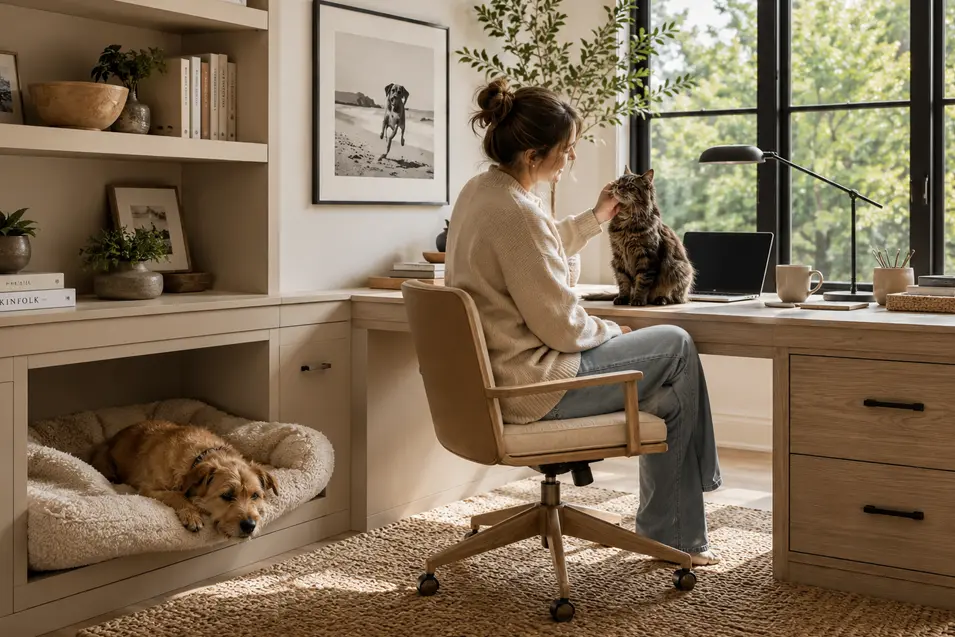
- Home offices
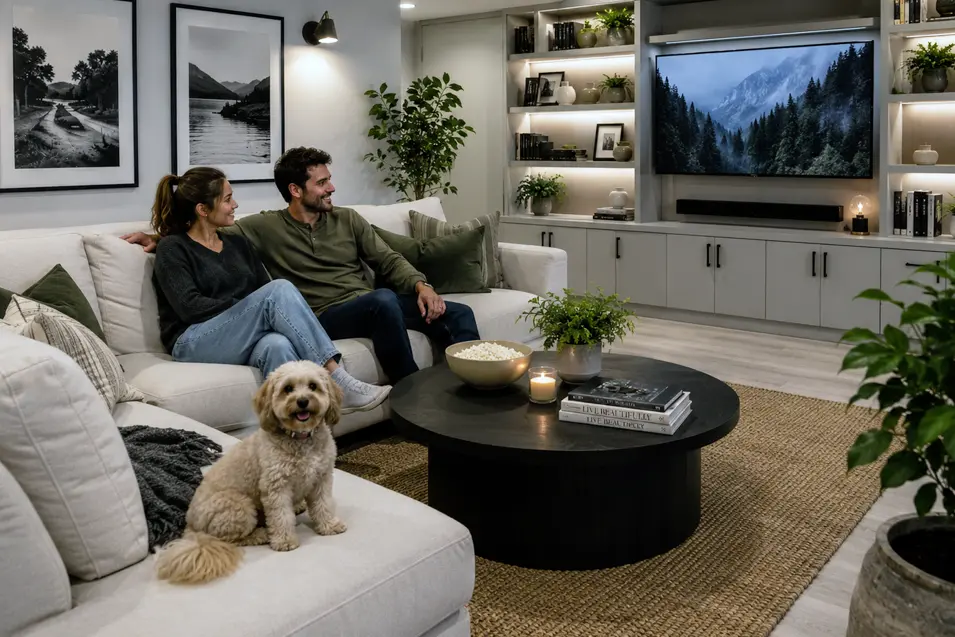
- Finished basements
- Laundry rooms (if noise levels are low)
- Walk-in closets with adequate ventilation
Look for a space that experiences minimal foot traffic and isn’t located near noisy appliances or busy household areas.
Reduce Outside Noise
Noise is one of the biggest triggers for anxious pets.
Ways to Create a Quieter Environment
- Close windows during loud events.
- Use blackout curtains or insulated drapes.
- Add rugs and soft furnishings to absorb sound.
- Seal gaps around doors and windows.
- Use weather stripping to reduce outdoor noise.
These simple changes can make the room feel noticeably calmer.
Add Comfortable Bedding
A comfortable resting area is essential.
Consider:
- Orthopedic pet beds
- Plush blankets
- Cozy cushions
- Covered pet beds for dogs
- Soft cat caves for felines
Many anxious pets prefer sleeping spaces with raised sides or enclosed designs that provide a greater sense of security.
Create a Den-Like Feeling
Dogs and cats often feel safer in enclosed spaces.
You can create this feeling by adding:
- Covered crates
- Pet tents
- Furniture with hidden sleeping nooks
- Blankets draped over crates
- Cozy corners surrounded by soft bedding
The goal is to provide a sheltered area where your pet can retreat when feeling nervous.
Use Calming Lighting
Bright lighting can sometimes increase stimulation.
Better Options Include:
- Soft table lamps
- Warm LED lighting
- Dimmer switches
- Indirect lighting
Natural daylight is beneficial, but avoid harsh sunlight that may overheat the room or create excessive brightness.
Introduce White Noise
White noise can help mask sudden sounds that may trigger anxiety.
Popular options include:
- White noise machines
- Fans
- Air purifiers
- Calming music designed for pets
- Nature sounds
Many pet owners find that consistent background noise helps reduce reactions to thunderstorms, fireworks, and neighborhood activity.
Keep Familiar Scents Nearby
Pets often find comfort in familiar smells.
Include items such as:
- Favorite blankets
- Well-loved toys
- Clothing that smells like family members
- Their regular bedding
These familiar scents can help create a stronger sense of security during stressful situations.
Limit Visual Stimulation
Some pets become anxious when they see unfamiliar people, animals, or activity outside.
Consider:
- Frosted window film
- Curtains or blinds
- Strategic furniture placement
Reducing visual triggers can help many pets remain calmer throughout the day.
Add Interactive Comfort Items
Quiet enrichment can help redirect anxious energy.
Examples include:
- Food puzzle toys
- Lick mats
- Snuffle mats
- Durable chew toys
- Cat scratching posts
These activities encourage relaxation while providing mental stimulation.
Maintain a Comfortable Temperature
Pets often relax more easily when they are physically comfortable.
Ensure the room has:
- Good ventilation
- Consistent temperatures
- Access to fresh water
- Cooling mats during summer months
- Extra blankets during colder weather
Comfort contributes significantly to reducing stress levels.
Establish Positive Associations
A quiet room should never feel like punishment.
Instead:
- Offer treats in the room.
- Feed meals there occasionally.
- Spend calm, positive time together.
- Encourage voluntary use of the space.
Over time, your pet will begin associating the room with comfort and security.
Consider Calming Products
Some pets benefit from additional anxiety-reducing tools.
Options include:
- Pheromone diffusers
- Calming collars
- Anxiety wraps
- Veterinarian-approved calming supplements
Always consult your veterinarian before introducing supplements or anxiety treatments.
Create a Consistent Routine
Routine helps anxious pets feel more secure.
Try to maintain consistency with:
- Feeding schedules
- Walk times
- Bedtime routines
- Quiet room access
Predictability often reduces anxiety and helps pets feel more confident.
Final Thoughts
Creating a quiet room for an anxious pet is one of the most effective ways to support their emotional well-being. By reducing noise, providing comfortable bedding, incorporating familiar scents, and establishing a calming environment, you can give your dog or cat a dedicated retreat where they feel safe and secure.
Whether your pet struggles with storms, separation anxiety, visitors, or everyday stress, a thoughtfully designed quiet room can become an important part of helping them feel more relaxed and comfortable at home.