For many people, fireworks are a highlight of summer celebrations. For dogs, however, the loud booms, bright flashes, and unfamiliar smells can be terrifying.
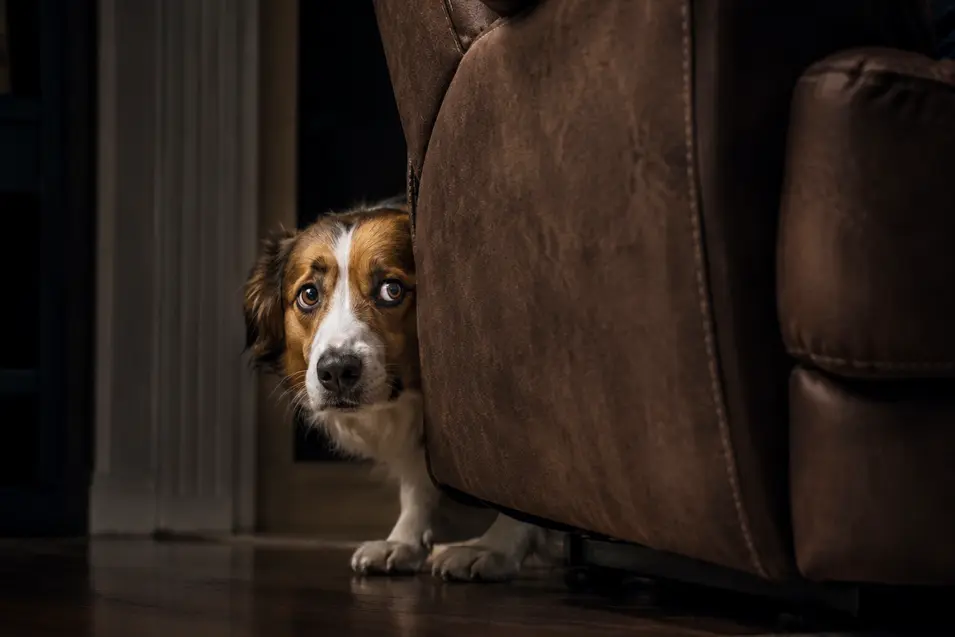
It’s estimated that noise aversion affects up to half of all dogs to some degree, with fireworks ranking among the biggest triggers. Some dogs simply pace and pant, while others may shake uncontrollably, hide, attempt to escape, or even injure themselves trying to flee.
The good news is that there are many proven ways to help your dog feel safer during fireworks. With a little preparation, you can significantly reduce their anxiety and help them get through the evening comfortably.
Here are 15 veterinarian-recommended tips that can make a big difference.
1. Exercise Your Dog Earlier in the Day
A tired dog is often a calmer dog.
Take your dog for a long walk, hike, or vigorous play session several hours before fireworks are expected. Mental stimulation, such as puzzle toys or obedience training, can also help burn off nervous energy.
Avoid exercising close to fireworks when loud noises may already be starting.
2. Create a Safe Haven
Many anxious dogs naturally seek enclosed spaces.
Set up a quiet room or comfortable den where your dog feels secure. This might include:
- Their crate, if they already love it
- A closet
- A basement room
- A bedroom away from windows
Add:
- Their favorite bed
- Familiar blankets
- Favorite toys
- Water
- A chew toy
Never force your dog into the space. Allow them to choose it themselves.
3. Close Curtains and Windows
Reducing both noise and flashing lights can help.
Close:
- Curtains
- Blinds
- Drapes
- Windows
This limits visual stimulation while slightly reducing outdoor sounds.
4. Turn on Background Noise
Masking fireworks can dramatically reduce anxiety.
Good options include:
- Television
- Soft music
- White noise machines
- Fans
- Air conditioners
Some dogs respond especially well to calming playlists designed specifically for pets.
5. Stay Calm Yourself
Dogs are incredibly good at reading human emotions.
If you’re anxious, frustrated, or constantly reacting to fireworks, your dog may become even more worried.
Speak normally, move confidently, and act as though everything is routine.
6. Don’t Punish Fear
Fear is not bad behavior.
Never:
- Scold your dog
- Yell
- Force them outside
- Punish shaking or barking
Punishment often makes anxiety much worse.
Instead, offer reassurance and allow your dog to cope naturally.
7. Comfort Your Dog if They Want It
Old advice suggested ignoring frightened dogs to avoid “rewarding fear.”
Modern veterinary behaviorists disagree.
If your dog seeks comfort, it’s perfectly okay to:
- Pet them gently
- Speak softly
- Sit beside them
- Allow them to lean against you
You cannot reinforce fear by providing comfort.
8. Offer Long-Lasting Chews
Chewing naturally helps reduce stress.
Consider:
- Stuffed KONG toys
- Frozen treats
- Long-lasting dental chews
- Food puzzles
- Lick mats
Licking and chewing encourage relaxation and provide a healthy distraction.
9. Use Anxiety Wraps
Compression garments like ThunderShirts apply gentle pressure that some dogs find calming.
Not every dog benefits, but many owners report noticeable improvements during thunderstorms and fireworks.
Introduce the wrap well before fireworks begin so your dog associates it with positive experiences.
10. Keep Your Dog Indoors
Even dogs that normally spend evenings outside should remain indoors during fireworks.
Startled dogs can:
- Jump fences
- Break leashes
- Dig under gates
- Escape through open doors
Fireworks are one of the leading causes of lost pets each year.
11. Update Identification
Accidents happen.
Before any fireworks holiday, make sure your dog has:
- A secure collar
- An ID tag with current phone numbers
- An up-to-date microchip registration
These greatly increase the chances of a safe reunion if your dog escapes.
12. Try Calming Pheromone Products
Dog-appeasing pheromone diffusers and sprays may help some dogs feel more relaxed.
Available options include:
- Plug-in diffusers
- Sprays
- Calming collars
Results vary, but many veterinarians recommend trying them several days before major fireworks events.
13. Practice Desensitization Before Fireworks Season
One of the most effective long-term solutions is gradual noise training.
Weeks before fireworks season:
- Play fireworks recordings at very low volume.
- Reward calm behavior with treats.
- Slowly increase volume over multiple sessions.
- Never progress if your dog becomes fearful.
This process helps many dogs build confidence over time.
14. Ask Your Veterinarian About Medication
Some dogs experience severe panic that cannot be managed with environmental changes alone.
Veterinarians may prescribe anti-anxiety medications specifically for predictable events like fireworks.
Never give:
- Human anxiety medication
- Sleeping pills
- CBD products without veterinary guidance
Only use medications recommended by your veterinarian.
15. Stay Home if Possible
For dogs with severe fireworks anxiety, your presence can be incredibly reassuring.
If you know fireworks are expected:
- Skip unnecessary outings.
- Stay with your dog.
- Keep your routine as normal as possible.
- Monitor them throughout the evening.
Sometimes simply knowing you’re nearby makes a significant difference.
Signs Your Dog Is Afraid of Fireworks
Not all dogs react the same way.
Common signs include:
- Trembling
- Panting
- Pacing
- Hiding
- Whining
- Barking
- Drooling
- Refusing food
- Clinginess
- Attempting to escape
- Dilated pupils
- Restlessness
Recognizing these signs early allows you to intervene before panic escalates.
What NOT to Do During Fireworks
Avoid these common mistakes:
- Don’t force your dog to “face their fears.”
- Don’t take them outside to watch fireworks.
- Don’t leave them alone outside.
- Don’t punish fearful behavior.
- Don’t remove a safe hiding place.
- Don’t wait until fireworks begin before preparing.
Preparation is always easier than trying to calm an already panicked dog.
When to Seek Professional Help
If your dog:
- Injures themselves trying to escape
- Experiences extreme panic
- Stops eating after fireworks
- Shows worsening fear each year
- Has prolonged anxiety lasting days afterward
Speak with your veterinarian or a board-certified veterinary behaviorist.
Many dogs benefit greatly from individualized treatment plans that combine behavior modification with medication when necessary.
Frequently Asked Questions
Should I comfort my dog during fireworks?
Yes. Modern behavioral experts agree that comforting a frightened dog will not reinforce fear. If your dog seeks reassurance, gentle petting and calm interaction can help them feel more secure.
Can dogs become less afraid of fireworks?
Yes. Through gradual desensitization, counterconditioning, and positive experiences, many dogs improve significantly over time.
Do calming treats actually work?
Some dogs benefit from calming supplements, while others show little improvement. They are generally most effective for mild anxiety and should be used alongside other calming strategies.
Should I walk my dog during fireworks?
No. Walk your dog well before fireworks begin. During displays, keep them safely indoors to reduce the risk of escape.
Final Thoughts
Fireworks may only last a few hours, but for many dogs, they can feel overwhelming and frightening. By preparing ahead of time, creating a safe environment, and using proven calming techniques, you can help your dog feel more secure and reduce the stress associated with loud celebrations.
Every dog responds differently, so it may take some trial and error to discover what works best for your companion. If your dog’s fear is severe or worsening, don’t hesitate to seek advice from your veterinarian. With patience, planning, and the right support, many dogs can learn to cope much more comfortably with fireworks season.
Related Articles
- Best Calming Products for Dogs During Fireworks
- How to Create a Safe Room for Dogs During Fireworks
- Why Are Dogs Afraid of Fireworks? The Science Behind Noise Anxiety
- What to Do If Your Dog Runs Away During Fireworks