One of the most common questions prospective dog owners ask is, “How much space does a dog really need?” Many people assume that large dogs require huge homes and sprawling backyards, while small dogs can thrive almost anywhere. In reality, the answer is far more nuanced. A dog’s happiness and well-being depend less on the square footage of your home and more on the exercise, mental stimulation, and attention they receive each day.
Understanding what dogs truly need can help you choose the right pet for your lifestyle, whether you live in a downtown apartment, a suburban home, or a rural property.
Space Isn’t Just About Size
A common misconception is that bigger dogs automatically need bigger living spaces. While some large breeds certainly appreciate room to roam, many are surprisingly content lounging indoors for much of the day. Conversely, some small breeds have endless energy and may become restless in confined spaces if their needs are not met.
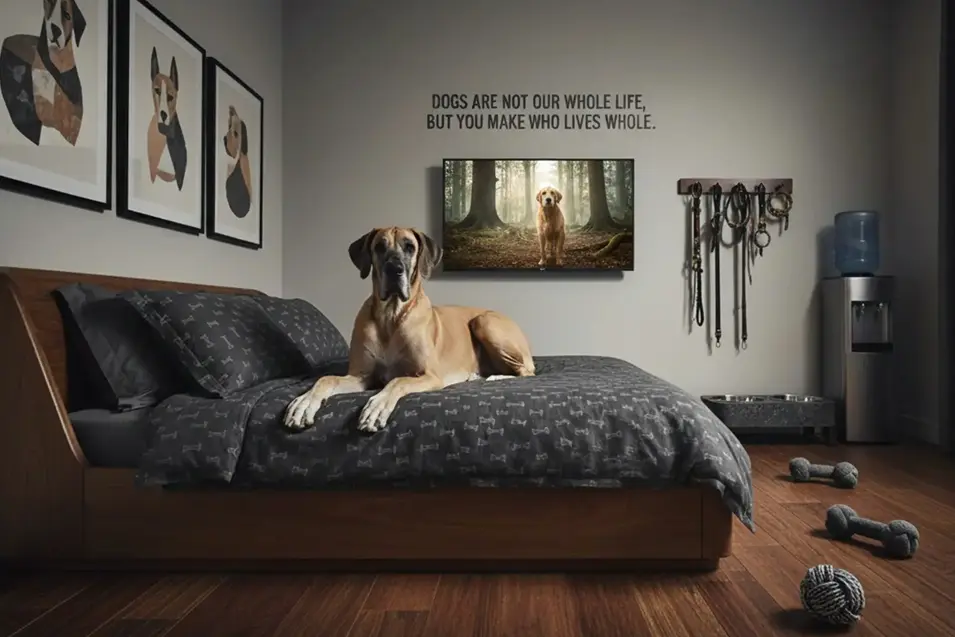
For example, a Great Dane can often adapt well to apartment living because of its relatively calm nature, while a Jack Russell Terrier may struggle in the same environment due to its high energy levels and need for constant activity.
The key factor isn’t necessarily the dog’s physical size—it’s their energy level, personality, and daily routine.
The Importance of Exercise
No matter where a dog lives, regular exercise is essential. Dogs need opportunities to move, explore, and burn off energy. A large backyard can certainly help, but it is not a substitute for walks, playtime, and interaction.
Many dogs that have access to a yard still become bored if they are simply let outside alone. Dogs are social creatures that generally prefer spending time with their people rather than entertaining themselves.
A dog that receives daily walks, play sessions, and mental enrichment can often thrive in a smaller living space. On the other hand, a dog confined to a large home with little exercise may develop behavioral problems such as excessive barking, chewing, or digging.
Apartment Living with Dogs
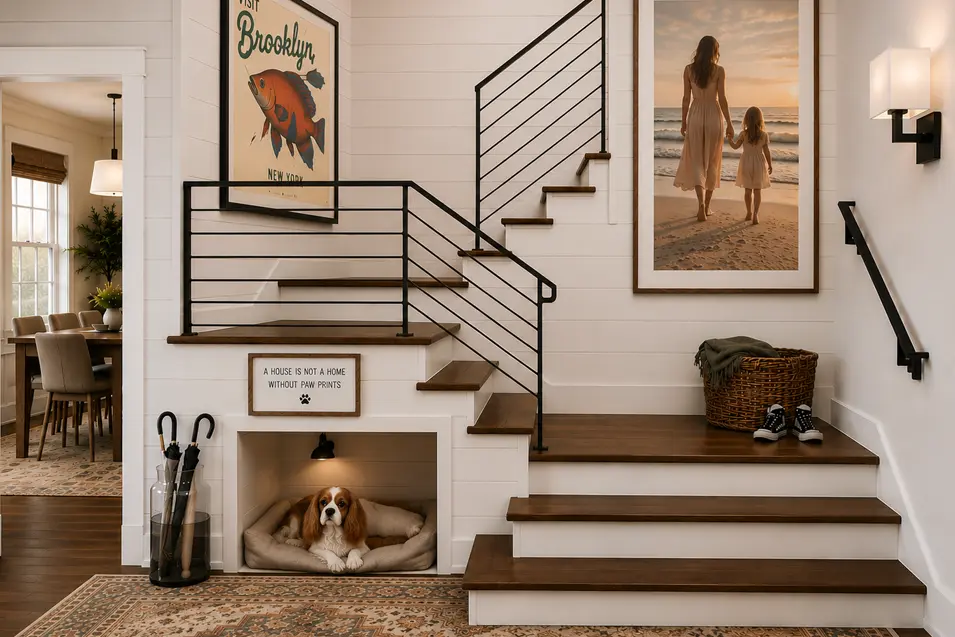
Apartment living has become increasingly common, and millions of dogs live happily in apartments around the world. Success depends largely on matching the dog’s temperament to the environment.
Breeds known for being relatively calm and adaptable often do well in apartments, including:
- French Bulldogs
- Cavalier King Charles Spaniels
- Greyhounds
- Shih Tzus
- Pugs
- Great Danes
Do Dogs Need a Backyard?
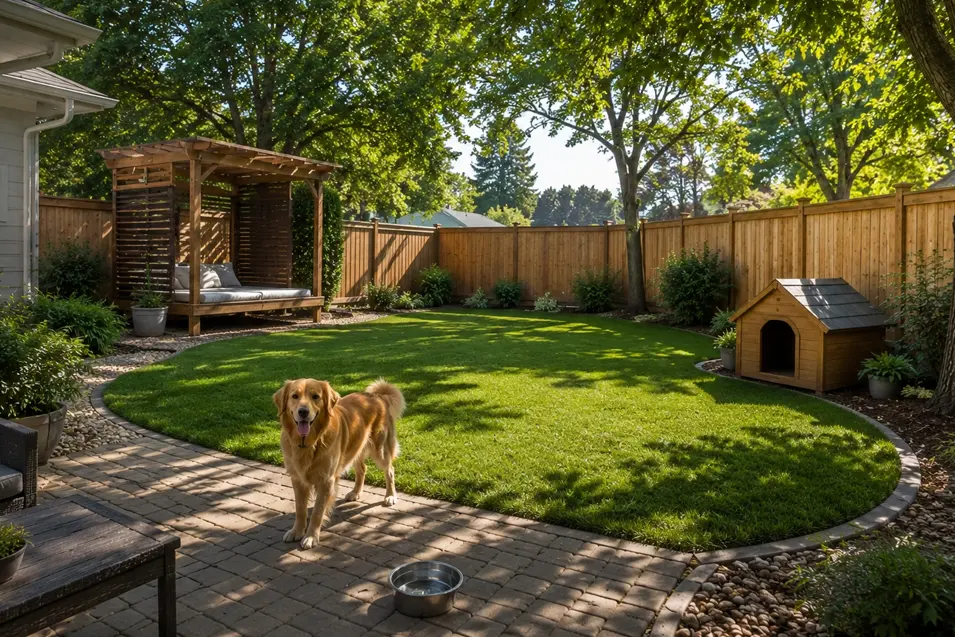
While a fenced yard is certainly convenient, it is not a requirement for responsible dog ownership.
A yard offers several benefits:
- Easy bathroom access
- Space for play
- Opportunities for supervised outdoor time
- Convenience during bad weather
High-Energy Dogs Need More Than Space
Some breeds have been developed for work, herding, hunting, or endurance activities. These dogs often need substantial physical and mental stimulation regardless of where they live.
Examples include:
- Border Collies
- Australian Shepherds
- Belgian Malinois
- Siberian Huskies
- Labrador Retrievers
- German Shorthaired Pointers
Mental Space Matters Too
When people think about space, they often focus only on physical dimensions. However, mental stimulation is equally important for a dog’s well-being.
Dogs need opportunities to:
- Solve problems
- Learn new skills
- Explore new environments
- Interact with people and other animals
- Engage their natural instincts
Multiple Dogs and Space Requirements
Households with multiple dogs may need additional space, especially if the dogs have different personalities or activity levels.
Owners should ensure each dog has:
- Its own bed or resting area
- Access to food and water without competition
- Opportunities for individual attention
- Time apart when needed
Senior Dogs and Space
Older dogs often require less physical space than younger dogs. As dogs age, they typically become less active and spend more time resting.
Finding the Right Balance
Rather than asking how much space a dog needs, a better question might be: “Can I meet this dog’s physical, mental, and emotional needs?”
Conclusion
There is no universal answer to how much space a dog needs. While larger homes and yards can offer advantages, they are not the primary factors that determine a dog’s happiness. Exercise, mental stimulation, companionship, and responsible care are far more important.
Whether you live in a studio apartment or on a sprawling acreage, a dog can thrive when its physical and emotional needs are consistently met. The ideal environment is not necessarily the biggest one—it’s the one where a dog receives the attention, activity, and love it needs to live a healthy and fulfilling life.