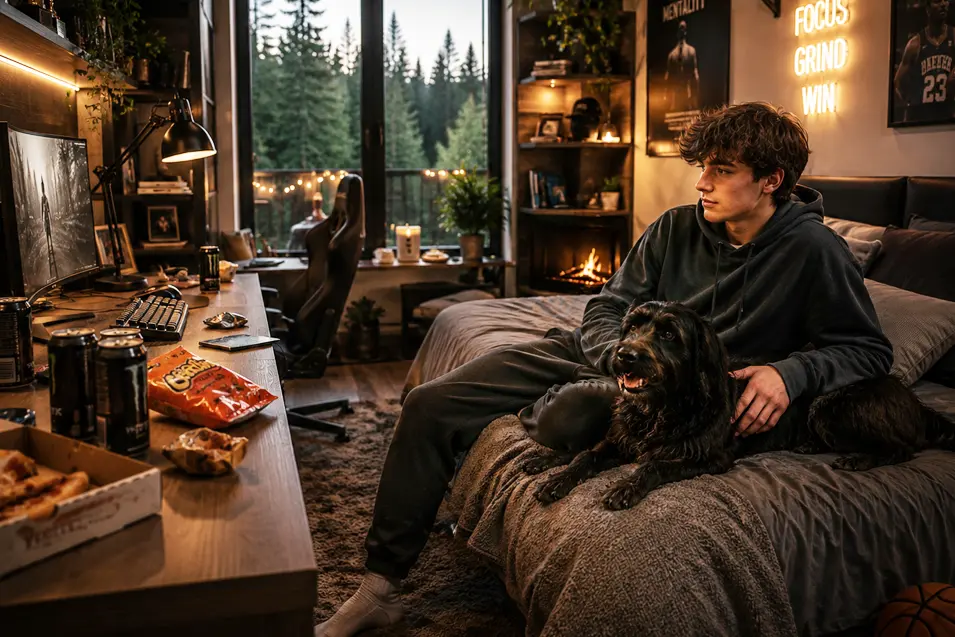
Teen bedrooms often serve many purposes at once. They can function as sleeping spaces, study areas, gaming rooms, entertainment centers, and personal retreats. While these rooms may seem harmless, they often contain hidden hazards that can put pets at risk.
Dogs and cats are naturally curious. They investigate new objects, explore unfamiliar scents, and sometimes chew, lick, or swallow things they shouldn’t. Unfortunately, teen bedrooms frequently contain items that are perfectly safe for humans but potentially dangerous for animals.
The good news is that most of these hazards can be identified and eliminated with a little awareness and organization.
Charging Cables and Electrical Cords
Modern teen bedrooms are filled with electronics.
Common devices include:
- Smartphones
- Gaming systems
- Computers
- Tablets
- Headphones
- Smart speakers
Each device often comes with charging cables, power cords, and adapters.
Curious pets may view these cords as toys, especially puppies, kittens, and younger animals.
Chewing electrical cables can lead to:
- Burns
- Electric shock
- Serious injury
- Fire hazards
Cable organizers, cord covers, and proper storage can significantly reduce these risks.
Loose Batteries
Many electronic devices rely on batteries.
Teen bedrooms often contain:
- Remote controls
- Gaming accessories
- Wireless mice
- Flashlights
- Portable electronics
If swallowed, batteries can cause severe internal injuries and require immediate veterinary attention.
Unused batteries should always be stored in secure containers that pets cannot access.
Energy Drinks and Caffeinated Beverages
Many teens keep beverages nearby while studying or gaming.
Products containing caffeine can be dangerous for pets, including:
- Energy drinks
- Coffee
- Tea
- Certain soft drinks
Even small amounts may cause serious health problems for dogs and cats.
Open containers should never be left where pets can investigate them.
Small Gaming Accessories
Gaming setups often contain small items that can become choking hazards.
Examples include:
- Thumb drives
- Earbud tips
- Controller accessories
- Memory cards
- Cable adapters
Pets frequently mistake these objects for toys.
Keeping accessories organized not only protects equipment but also helps keep pets safe.
Medications and Vitamins
Many teens keep medications in their bedrooms for convenience.
Unfortunately, medications that are safe for humans can be extremely dangerous for pets.
Potential hazards include:
- Prescription medications
- Pain relievers
- Vitamins
- Supplements
- Sleep aids
All medications should be stored in secure locations that animals cannot reach.
Hair Ties and Scrunchies
One of the most overlooked pet hazards in teen bedrooms is the humble hair tie.
Many dogs and cats are strangely attracted to:
- Hair ties
- Elastic bands
- Scrunchies
- Ribbon
If swallowed, these items can create dangerous intestinal blockages that may require emergency surgery.
Keeping them stored in drawers or containers is a simple but important safety measure.
Houseplants
Plants can make bedrooms feel more inviting, but not all varieties are pet-friendly.
Some common houseplants may be toxic if chewed or ingested.
Before bringing plants into a bedroom, pet owners should confirm they are safe for dogs and cats.
Choosing pet-friendly plants allows teens to enjoy greenery without introducing unnecessary risks.
Open Food Containers
Many bedroom pet emergencies begin with a forgotten snack.
Common hazards include:
- Chocolate
- Candy
- Gum
- Chips
- Trail mix
- Fast food leftovers
Even empty food wrappers can attract curious pets.
Regular cleanup helps prevent accidental ingestion and keeps bedrooms cleaner overall.
Unstable Furniture and Electronics
Cats in particular enjoy climbing and exploring elevated spaces.
Monitors, speakers, shelves, and decorative items can become hazards if they are not properly secured.
Pet owners should ensure that:
- Monitors are stable
- Shelves are anchored
- Heavy objects are secured
- Electronics are protected from accidental falls
A curious cat can transform a poorly secured desk into an expensive repair project within seconds.
Forgotten Clutter
One of the biggest hidden dangers isn’t a specific object—it’s clutter itself.
Piles of clothing, cords, accessories, and miscellaneous items create opportunities for accidents.
A tidy bedroom makes it easier to:
- Spot hazards
- Prevent chewing
- Reduce choking risks
- Improve pet supervision
Organization is one of the simplest ways to improve pet safety.
Creating a Safer Teen Bedroom
Pet-friendly bedrooms don’t need to be perfect. They simply need to be designed with awareness.
By paying attention to common hazards such as cords, batteries, food, medications, and clutter, teens can dramatically reduce the risks facing their pets.
The goal isn’t to remove every interesting object from the room. It’s to recognize how curious animals interact with their environment and make smart adjustments that keep them safe.
When teens understand these hidden dangers, they can create bedrooms that are comfortable, functional, and welcoming for both themselves and the pets they love.