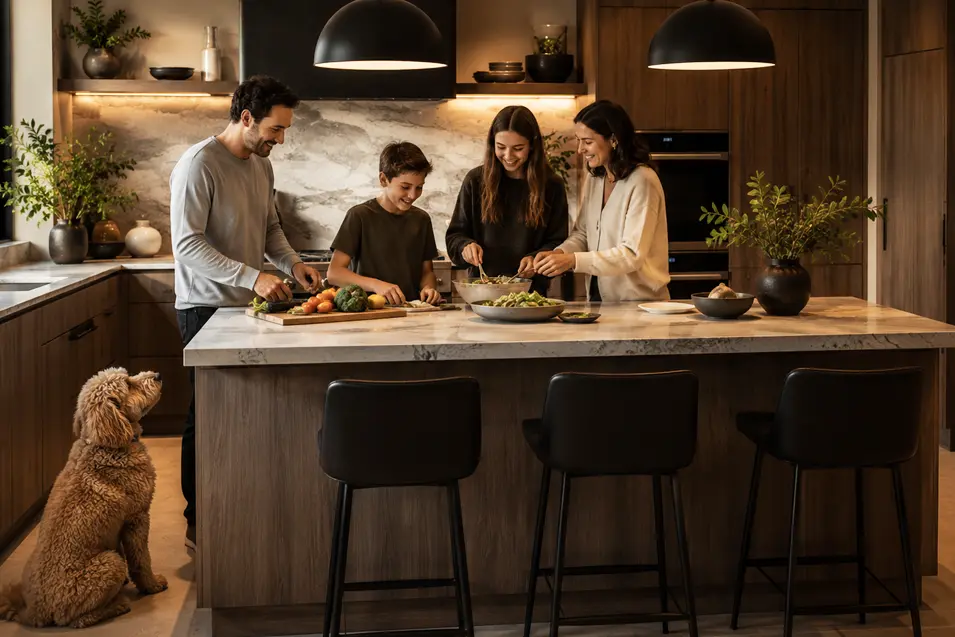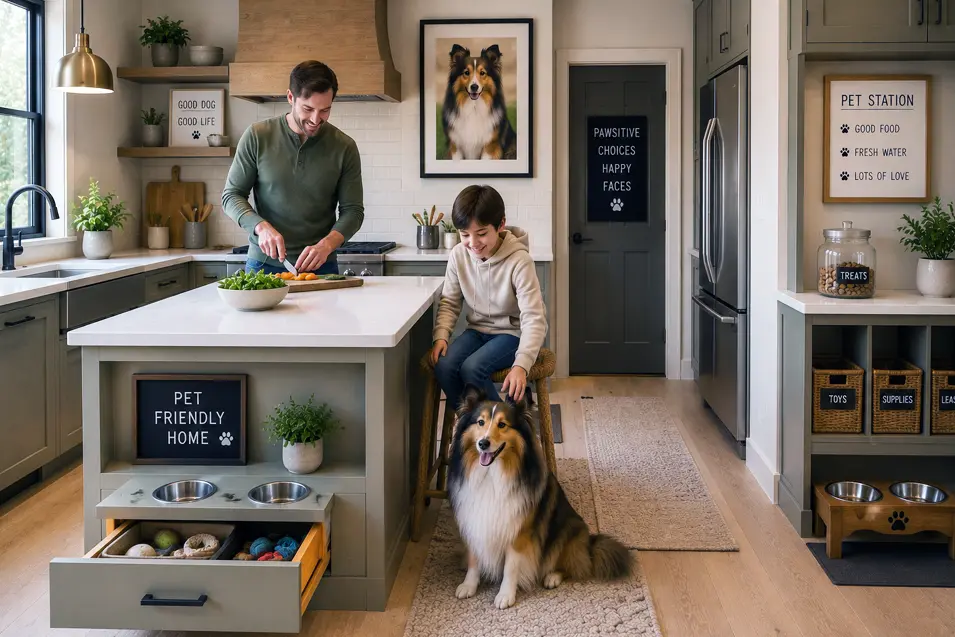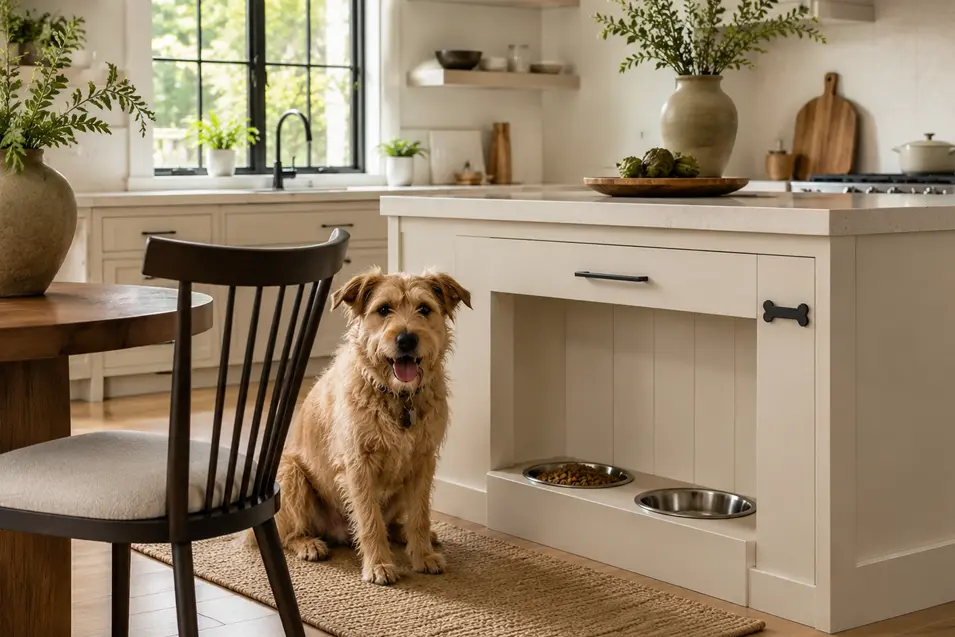
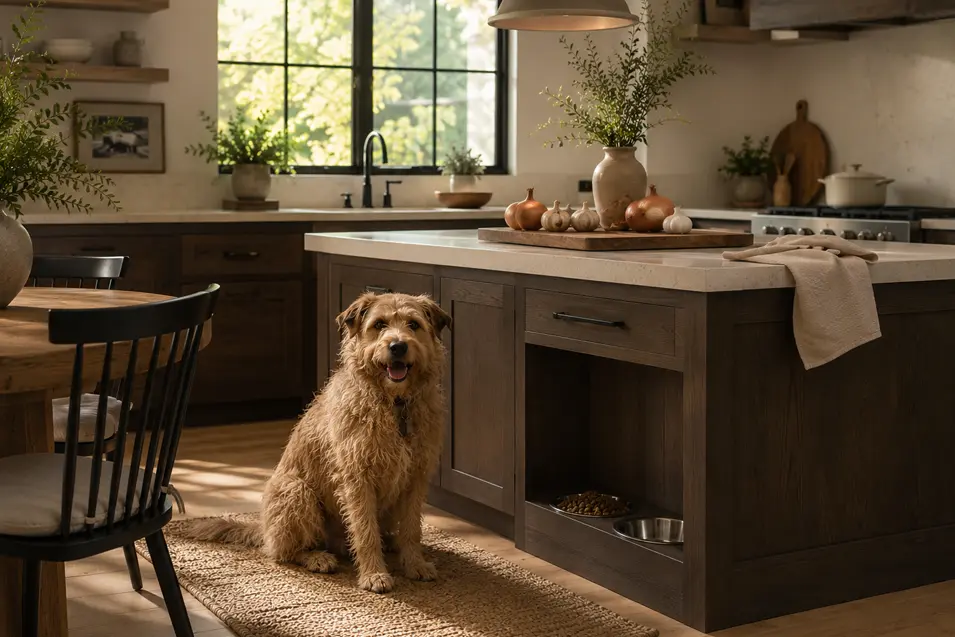
The kitchen is often the busiest room in the house, serving as a gathering place for family meals, conversations, and daily activities. However, while it may seem like a safe and familiar environment, kitchens can contain numerous hidden dangers for pets. Curious dogs, adventurous cats, and even smaller household animals often find themselves exposed to risks that many pet owners overlook.
Understanding these potential hazards is the first step toward creating a safer home. Here are some of the most common hidden kitchen dangers every pet owner should know about and how to prevent accidents before they happen.
Toxic Foods Within Easy Reach
One of the biggest risks in any kitchen is access to foods that are perfectly safe for humans but potentially dangerous for pets.
Common toxic foods include:
- Chocolate
- Grapes and raisins
- Onions
- Garlic
- Xylitol (an artificial sweetener)
- Macadamia nuts
- Alcohol
- Caffeine
Even small amounts of some of these foods can cause serious health problems. Pets are often attracted to food left on countertops, kitchen islands, or tables, making accidental ingestion surprisingly common.
Store potentially dangerous foods securely and avoid leaving ingredients unattended while cooking.
Trash Cans Full of Temptation
Kitchen garbage cans can be a treasure trove for curious pets. Unfortunately, they often contain items that pose significant health risks.
Common hazards found in trash include:
- Chicken bones
- Corn cobs
- Food wrappers
- Moldy leftovers
- Coffee grounds
- Fat trimmings
Sharp bones can splinter and cause internal injuries, while spoiled food may lead to severe gastrointestinal illness.
Consider using a pet-proof trash can with a locking lid or storing garbage inside a cabinet.
Hot Surfaces and Burn Risks
Pets don’t always understand that a stove, oven door, or hot pan can cause serious burns.
Dogs may stand up against the stove while investigating food smells, while cats are notorious for jumping onto counters and exploring elevated surfaces.
Potential burn hazards include:
- Hot burners
- Oven doors
- Toaster ovens
- Slow cookers
- Freshly used cookware
Never leave hot cookware unattended near the edge of counters, and keep pets away from the kitchen during active cooking whenever possible.
Cleaning Products Hidden Under the Sink
Many household cleaning supplies contain chemicals that can be harmful or even fatal if ingested.
Products commonly stored beneath kitchen sinks may include:
- Bleach
- Drain cleaners
- Degreasers
- Dishwasher detergents
- Floor cleaners
Pets can accidentally access these items if cabinet doors are left unsecured.
Installing childproof locks on lower cabinets provides an extra layer of protection and helps prevent curious pets from exploring dangerous storage areas.
Sharp Objects Left Within Reach
Kitchen drawers and countertops often contain sharp items that can cause injuries.
Examples include:
- Knives
- Graters
- Peelers
- Skewers
- Kitchen shears
A pet jumping onto a counter or rummaging through an open drawer could easily get hurt.
Always return sharp tools to secure storage immediately after use and avoid leaving them unattended.
Electrical Cords and Appliances
Many kitchen appliances rely on electrical cords that may attract chewing pets, especially puppies and kittens.
Common risks include:
- Electric shock
- Burns
- Choking hazards
- Fire hazards
Coffee makers, mixers, air fryers, and other countertop appliances can all present dangers if cords are exposed.
Use cord organizers and keep unused appliances unplugged when possible.
Dishwashers Can Be Surprisingly Dangerous
An open dishwasher may seem harmless, but it can expose pets to several hidden risks.
Potential hazards include:
- Sharp utensils
- Dishwasher detergent residue
- Small food scraps
- Hot steam after a cycle
Many dishwasher detergents are highly concentrated and can cause serious digestive problems if consumed.
Keep the dishwasher closed whenever possible and supervise pets when loading or unloading dishes.
Toxic Houseplants in the Kitchen
Many people decorate kitchens with plants, but some popular varieties can be harmful to pets.
Plants that may pose a risk include:
- Lilies
- Pothos
- Aloe vera
- Philodendrons
- Peace lilies
Cats are particularly vulnerable to certain plant toxins, and some exposures can become life-threatening.
Research every plant before bringing it into a pet-friendly home.
Food Packaging Hazards
Pets are often drawn to food packaging because of lingering smells. Unfortunately, packaging materials can create unexpected dangers.
Common examples include:
- Plastic wrap
- Aluminum foil
- Plastic bags
- String from meat packaging
- Twist ties
If swallowed, these materials can cause choking or intestinal blockages that may require emergency surgery.
Dispose of packaging promptly and keep waste secured.
Counter Surfing Risks
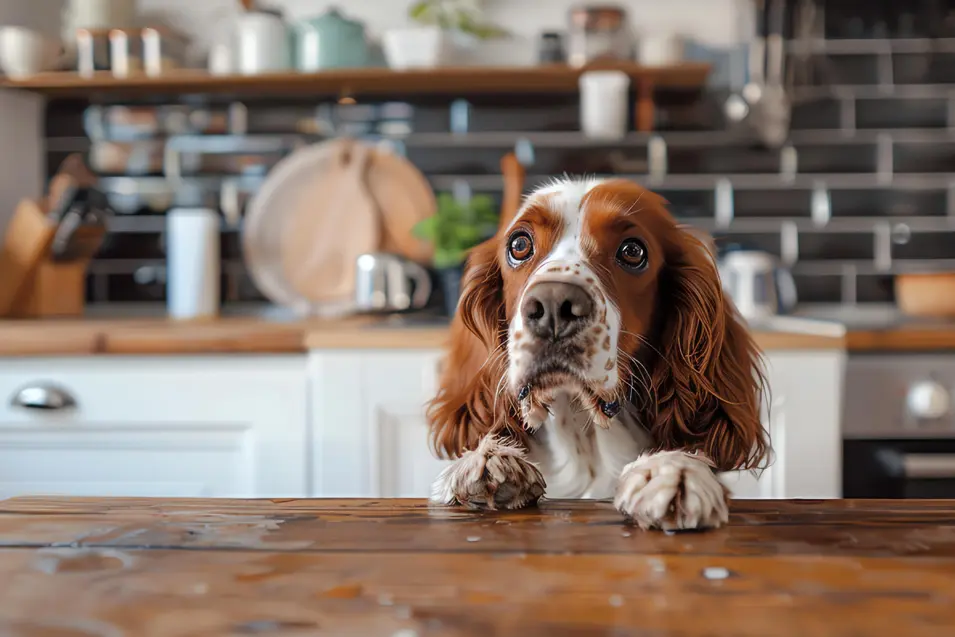
Many dogs become skilled “counter surfers,” using their height and determination to access food and objects left on kitchen surfaces.
Items commonly grabbed from counters include:
- Toxic foods
- Sharp utensils
- Medications
- Small choking hazards
Counter surfing is not only a behavioral issue but also a safety concern.
Maintaining clear countertops and consistently discouraging the behavior can significantly reduce risks.
Medications and Supplements
Many people store vitamins, supplements, and prescription medications in kitchen cabinets.
Unfortunately, pets can be surprisingly adept at opening containers or chewing through packaging.
Even common over-the-counter medications such as ibuprofen or acetaminophen can be extremely dangerous for dogs and cats.
Store all medications in secure cabinets that pets cannot access.
Water and Slip Hazards
Spilled water, ice cubes, and food debris can create slippery conditions for pets.
Senior pets and those with mobility issues may be particularly vulnerable to falls and injuries.
Using non-slip mats near feeding stations and cleaning up spills promptly can help create a safer environment.
Creating a Pet-Safe Kitchen
The good news is that most kitchen hazards can be minimized with thoughtful planning and a few simple precautions.
A pet-safe kitchen should include:
- Secure food storage
- Locked cleaning supply cabinets
- Covered trash bins
- Clear countertops
- Safe plant selections
- Proper supervision during cooking
By identifying and addressing hidden dangers, pet owners can significantly reduce the risk of accidents while creating a more comfortable environment for every member of the household.
Final Thoughts
Kitchens are designed for human convenience, but they often contain hidden dangers that pets don’t recognize. From toxic foods and cleaning products to hot surfaces and choking hazards, many everyday items can pose serious risks.
Taking proactive steps to pet-proof your kitchen not only protects your furry companions but also provides valuable peace of mind. A few simple adjustments can transform one of the busiest rooms in your home into a safer space where pets and people can coexist happily and securely.